-
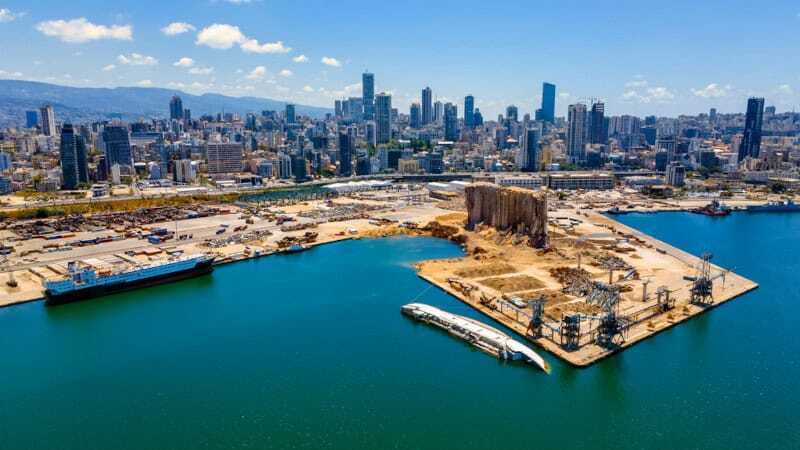
Iran reportedly smuggling weapons to Hezbollah via Beirut port
A “Western security source” told Al Arabiya that Hezbollah is using the Port of Beirut to smuggle weapons into Lebanon from Iran. In early March, Israel assassinated a Hezbollah commander in charge of maritime weapons smuggling, saying his activities had continued after the November 27 Lebanon-Israel ceasefire.
-
Generation Jihad | Problems without peaceful solutions
Bill, David, and Joe break down the latest flashpoints across Lebanon, Israel, and Gaza—examining the fragile ceasefire in Lebanon, Israel’s evolving military operations and campaigns against Hezbollah and Hamas, the Lebanese government’s stalled efforts to disarm Hezbollah, and the growing discontent in Gaza as protests against Hamas intensify.
-
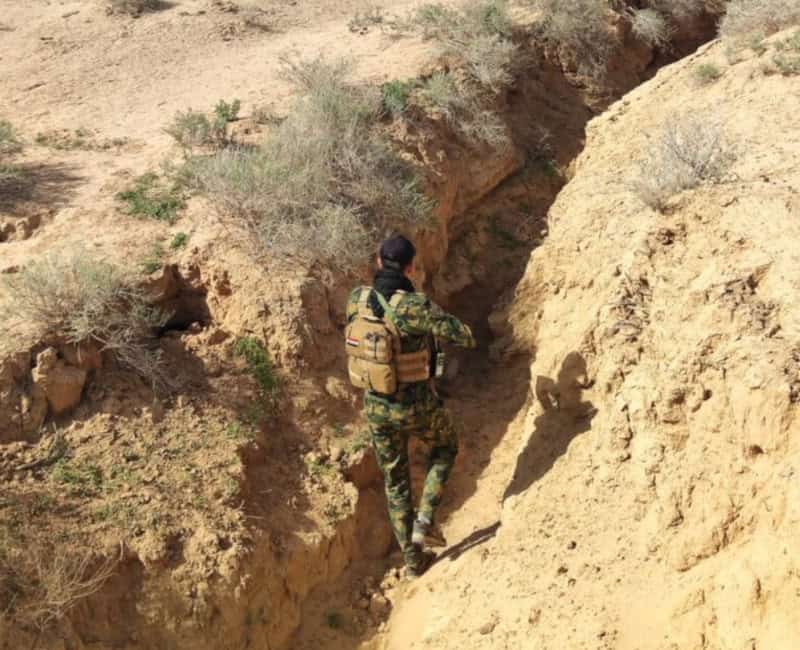
Iraq’s Kataib Hezbollah militia denies report it will disarm
Kataib Hezbollah issued a statement on April 8 rejecting a Reuters report that said it was considering disarmament. Iraq has been under pressure to rein in Iranian-backed militias that are part of the Popular Mobilization Forces (PMF), of which Kataib Hezbollah is a key member. A member of Iraq’s parliament said the PMF is essential for defending Iraq, and the organization’s units conducted several operations across the country, showcasing their presence.
-
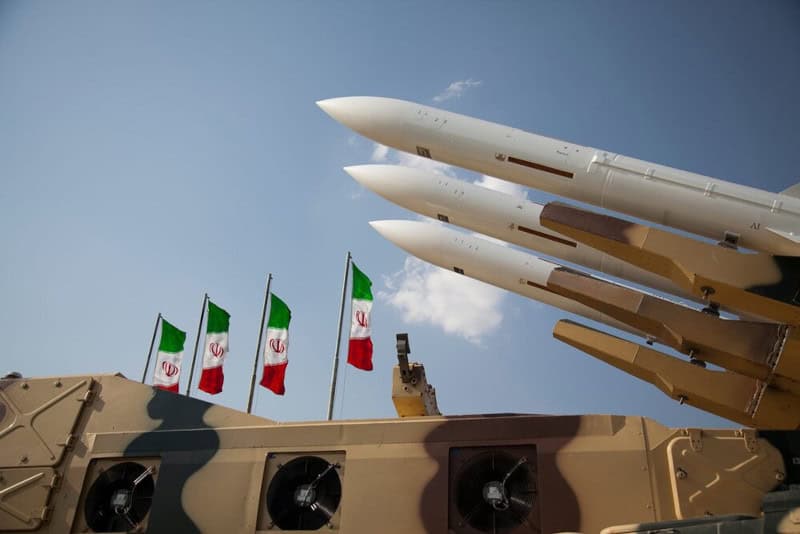
Iran braces for possible US attack amid proxy setbacks
Amid mounting proxy losses and a major US military buildup across the Middle East, Iran has placed its armed forces on high alert and warned neighboring states against facilitating a potential American strike. Tehran is suffering setbacks in Iraq and Yemen while ramping up deterrence through inflammatory propaganda.
-
Looking at the Sunni side of the aisle
Bill and Caleb discuss updates from “the Sunni side of the aisle,” including Washington’s policy pivot on the Haqqani Network, the U.S. military’s airstrike strategy in Somalia, the Turkestan Islamic Party’s rebranding attempt, the recent death of a key Islamic State leader, and Shabaab’s current operations.

-
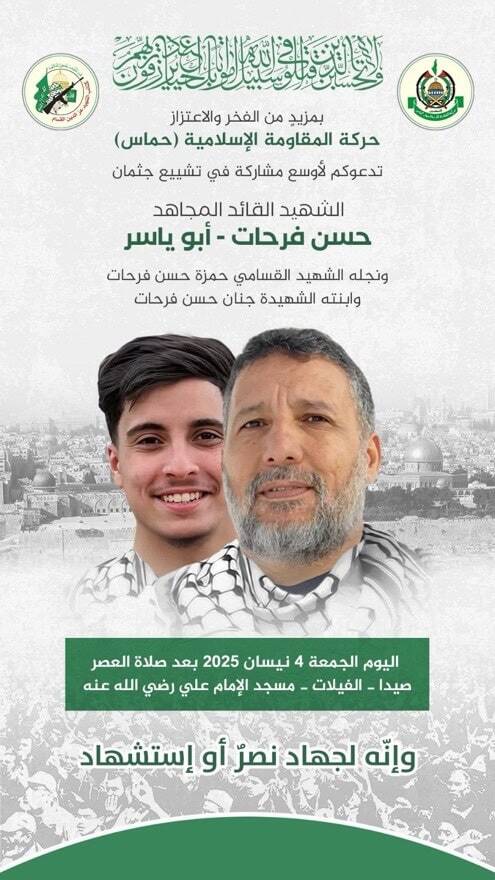
Israel assassinates Hamas official in Lebanese city of Sidon
Israel assassinated senior Hamas official Hassan Ahmad Farhat in Sidon on Friday. The Israel Defense Forces said Farhat was responsible for attacks on Israel during the recent war, including the February 14, 2024, strike on Tzfat and continued planning attacks against Israel in recent months. Farhat’s son Hamzah, also a Hamas operative, and his daughter, Jinan, were killed alongside him.
-
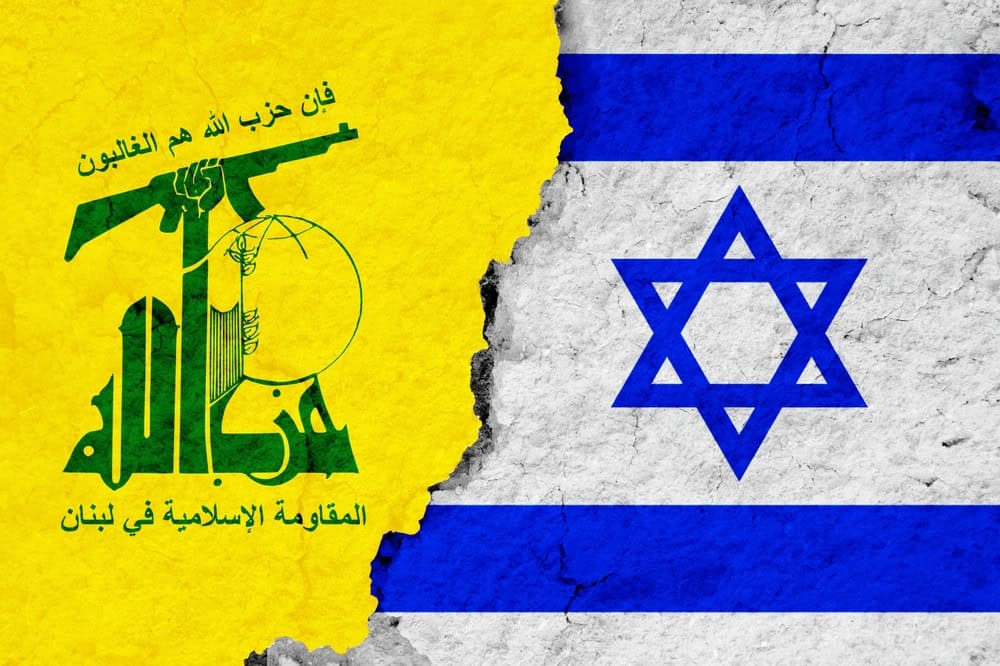
Israeli operations in Lebanon against Hezbollah: March 31–April 6
Israel continued operations in Lebanon between March 31 and April 6, 2025, though there was a noticeable drop in number and intensity. However, Israel conducted two targeted killings in Lebanon: one in Beirut’s Dahiyeh neighborhood killed a Hezbollah commander and operative, and another in Sidon killed a Hamas commander and operative.
-
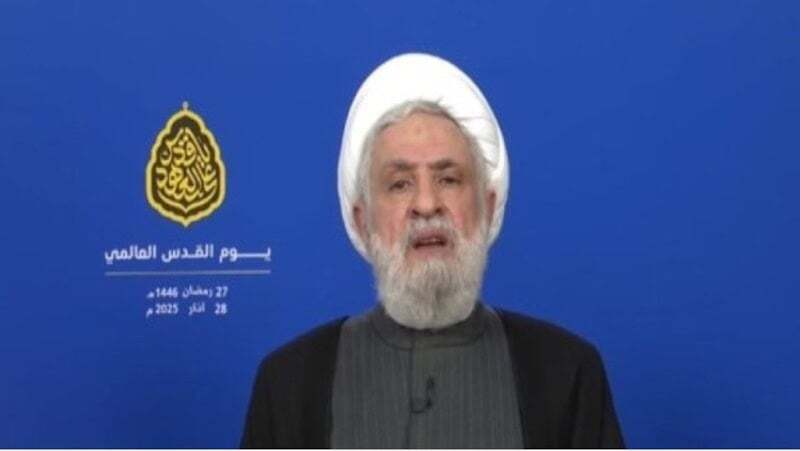
Analysis: Hezbollah Secretary-General Naim Qassem’s Quds Day speeches
Naim Qassem delivered two speeches last week to mark Quds Day that touched on similar themes, including Hezbollah’s alleged victory in the recent war with Israel. Qassem also vowed Hezbollah would not disarm and cryptically threatened to resume attacking Israel if Israeli operations in Lebanon continued.
-
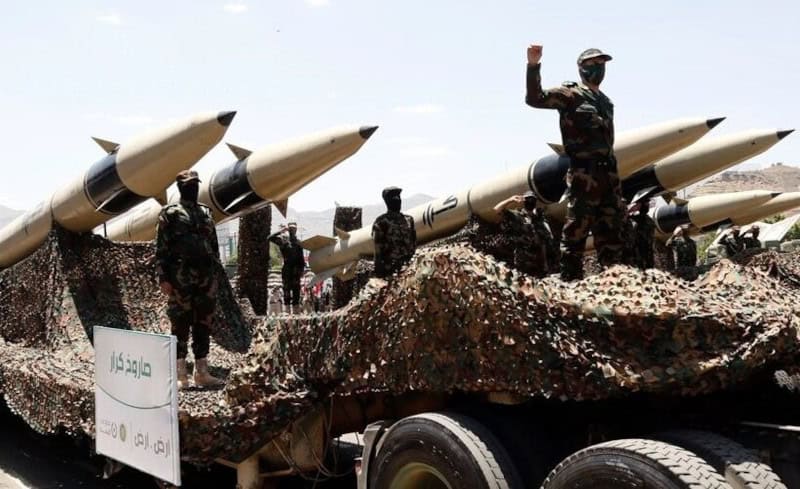
Iranian personnel leave Yemen as US strikes intensify
Iran has reportedly ordered its military personnel to leave Yemen amidst the growing US bombing campaign. The move reflects a broader pattern of the Islamic Republic recalibrating its regional strategy in response to the Trump administration’s moves to curtail Tehran’s influence in the Middle East and threats to potentially strike Iran’s nuclear sites.
-
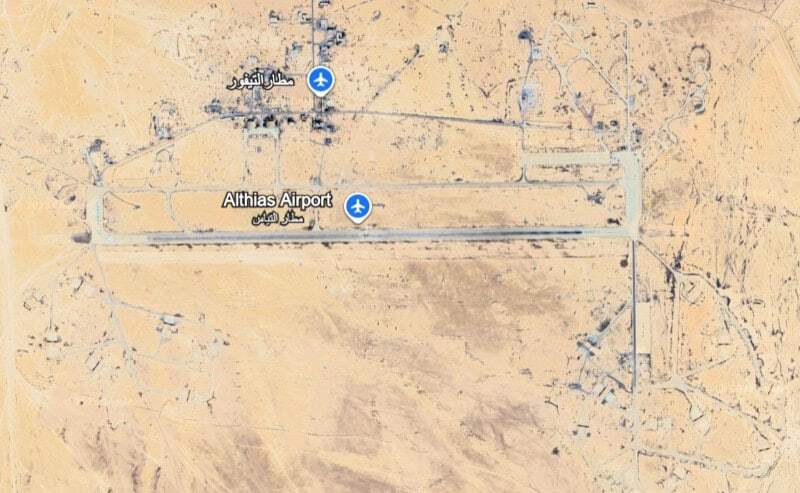
Turkey reportedly plans to take control of airbases in Syria
Turkish plans to establish a presence and air defenses on Syrian soil would hinder Israel’s operational freedom, a situation Israel is unlikely to accept in the post-October 7 Middle East.
-
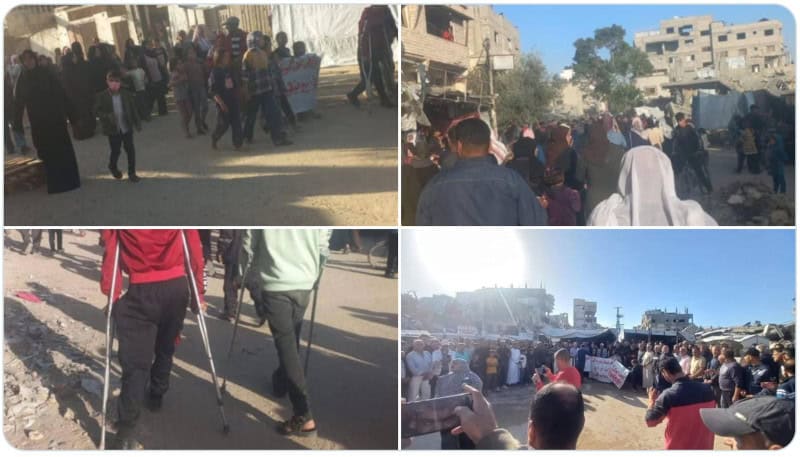
Palestinians protest against Hamas and the war in Gaza
In a rare show of dissent, some Palestinians have protested Hamas’s rule in the Gaza Strip despite the dangers of publicly criticizing the terrorist group. While the demonstrations and other signs of dissent are notable, it’s unclear if they will mark a significant change in the territory’s political situation.
-
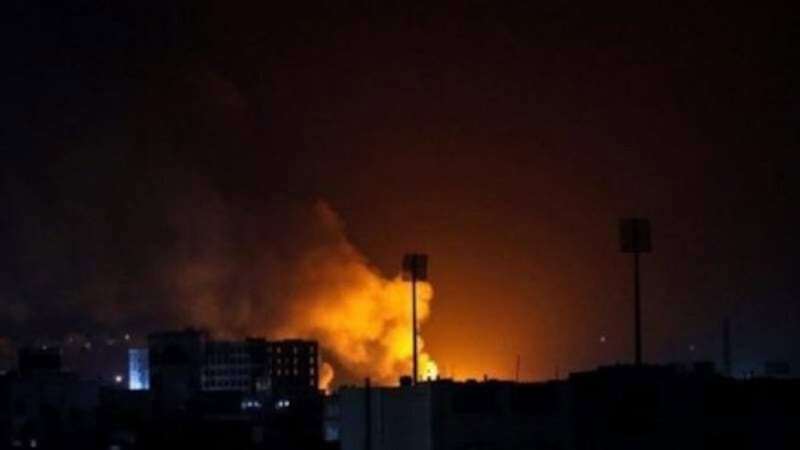
Houthi kidnappings of civilians increase amidst US airstrikes
The Houthis detained at least 75 civilians over concerns that they are providing support to the ongoing US airstrike campaign in Yemen. The Houthis regularly conduct arbitrary detentions, but the total marks a rapid increase since the onset of US strikes.
-
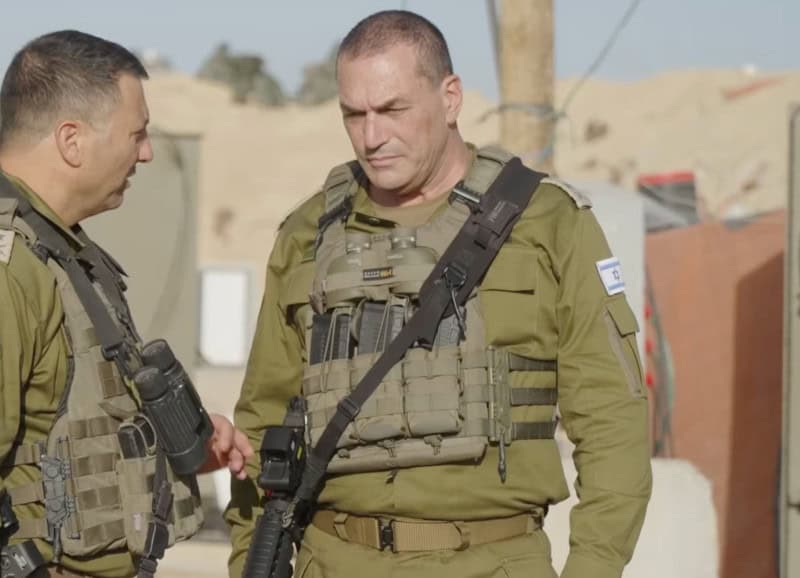
Israel takes over new area dubbed ‘Morag Corridor’ in Gaza
On April 2, Israeli Prime Minister Benjamin Netanyahu said Israel was shifting gears in Gaza and taking over more areas. “We are also doing something else: We are seizing the Morag Corridor. This will be […] an additional Philadelphi Corridor,” Netanyahu said. The Morag Corridor separates Khan Younis from Rafah in southern Gaza. The IDF also called on Gazans to evacuate Rafah in south Gaza and Shejaiya in northern Gaza.
-
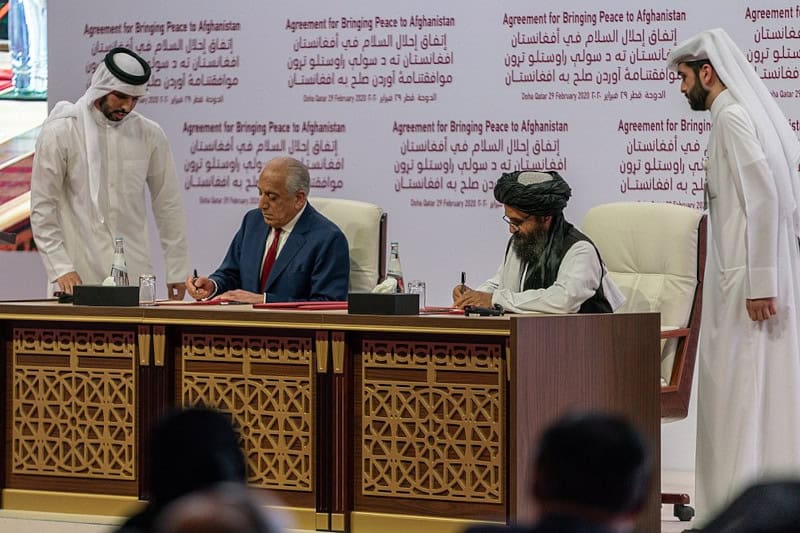
Analysis: US removal of Sirajuddin Haqqani’s $10 million bounty signals engagement with the Taliban
With the return of former American Ambassador to Afghanistan Zalmay Khalizad to negotiations in Afghanistan and the Trump administration’s decision to remove Sirajuddin Haqqani’s bounty, the Trump administration may be continuing its previous policy of engagement with the Taliban.
-
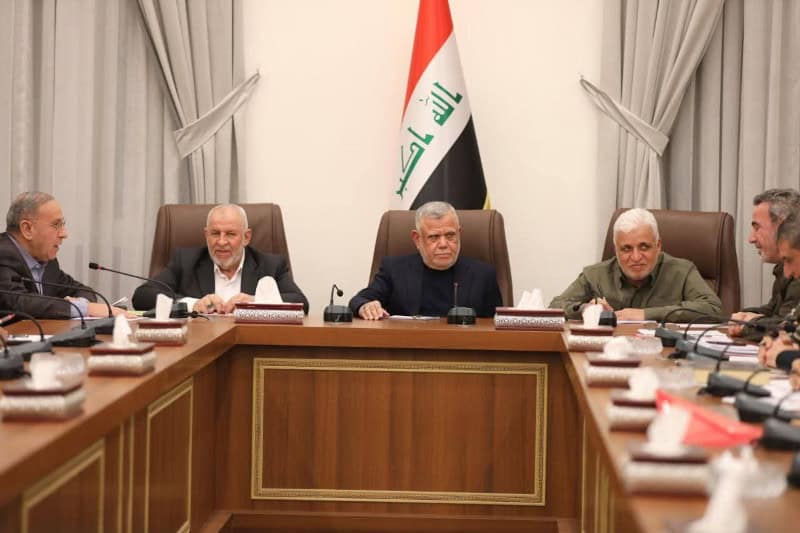
Iraq wrestles with US pressure over Iran-backed militias
Iraqi political and militia leaders are reportedly responding to pressure from the US to disband Iran-backed militias in Iraq. However, the progress of government efforts and the ultimate status of Iraq’s Popular Mobilization Forces (PMF), primarily supported by Iran, remain uncertain.
-
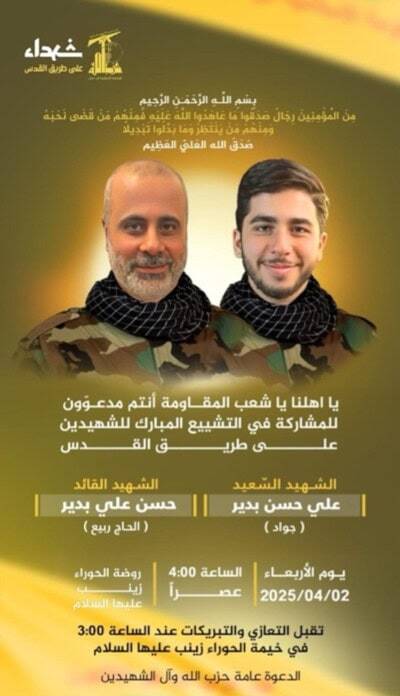
Israeli airstrike in Beirut kills Hezbollah commander, operative
The Israel Defense Forces conducted an airstrike in the Dahiyeh suburb of Beirut, the second in two weeks and since the November 27 ceasefire, that killed Hezbollah commander Hassan Badeer, his son (another Hezbollah member), and two others. Israel said Badeer was helping Hamas plan an imminent attack against Israeli civilians.
-
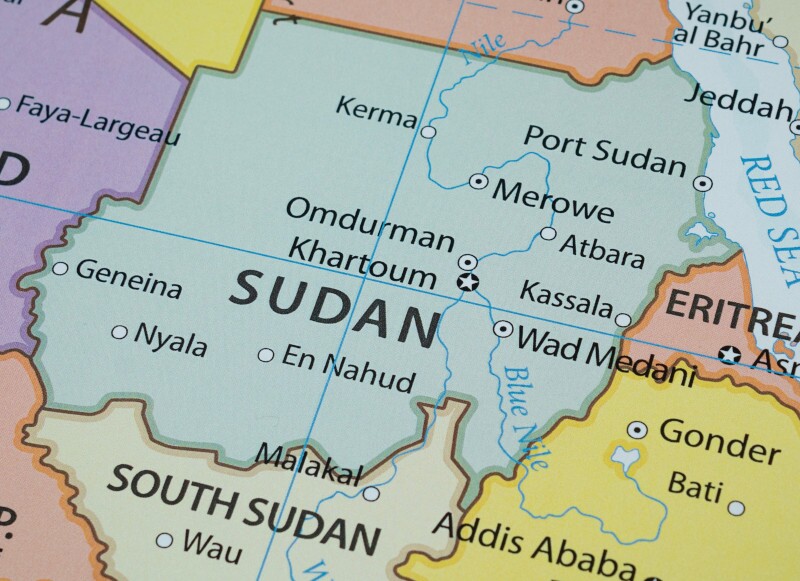
Sudanese Armed Forces retake Khartoum from Rapid Support Forces
The Sudanese Armed Forces announced the recapture of Khartoum from the Rapid Support Forces (RSF) after nearly two years of civil war. The RSF is now on the defensive after losing access to key supply lines, and the US-designated militia is seeking to consolidate control of other areas in an effort to regroup.