-
Israeli operations in Lebanon against Hezbollah: March 24–March 31
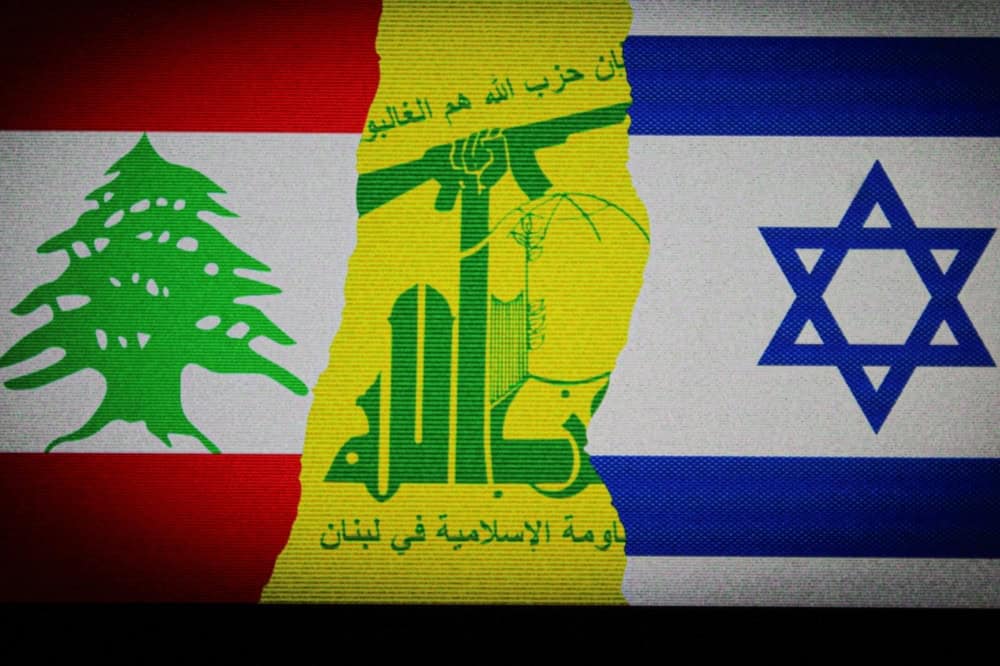
Israeli operations in Lebanon continued on a near-daily basis last week. On Friday, Israel struck in Dahiyeh, Beirut for the first time since the November 27 ceasefire, destroying a Hezbollah drone storage facility. Lebanese officials made equivocal statements on reining in Hezbollah.
-
Pro-Iran militias parade for ‘Quds Day’ in Iraq
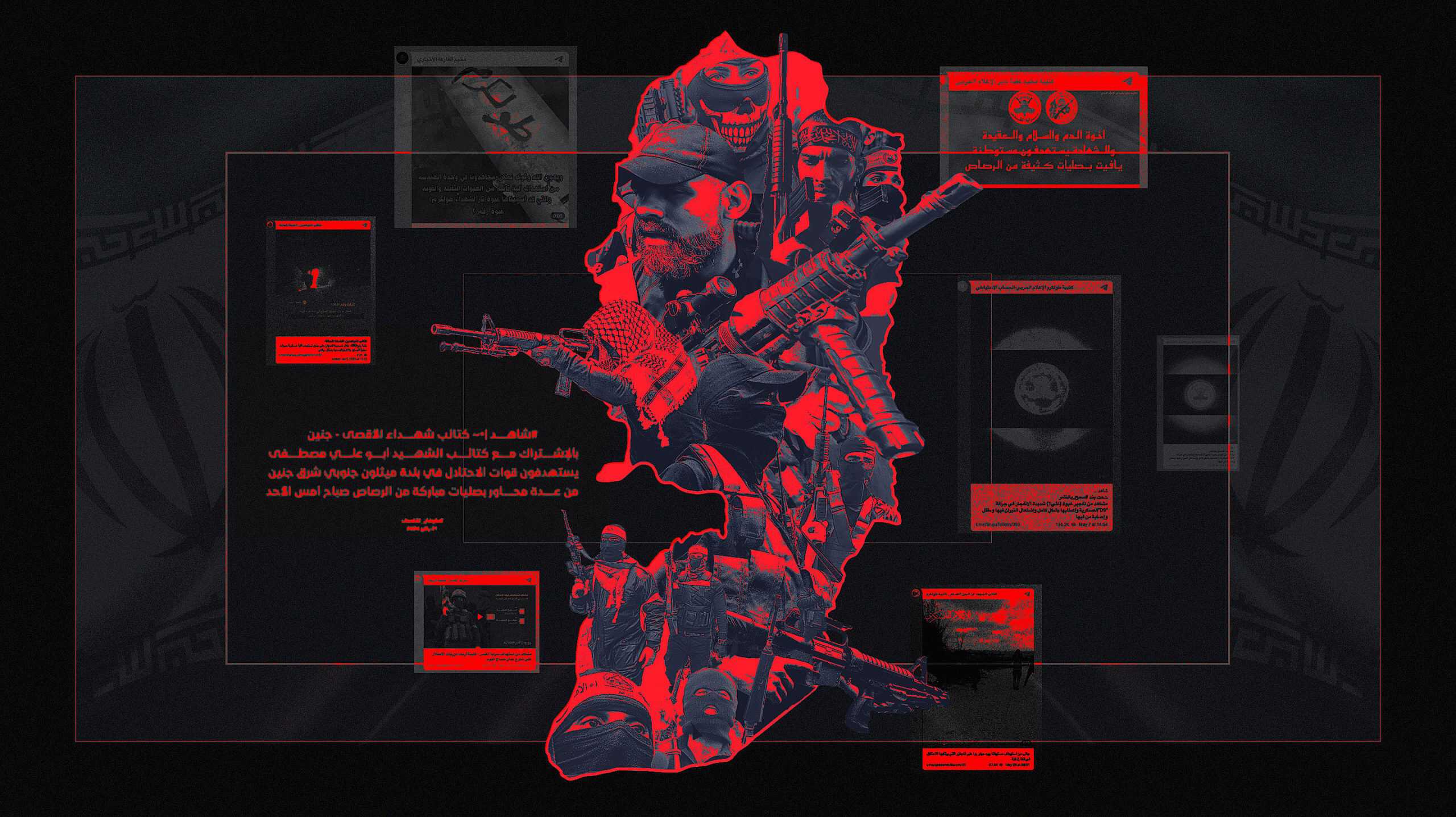
Pro-Iranian militias from Iraq’s Popular Mobilization Units (PMU) took part in Quds Day events in Iraq. The events on March 28, part of an annual worldwide campaign backed by Iran to encourage protests against Israel, appeared to have a relatively low turnout and happened amid continuing controversy in Baghdad over parliamentary attempts to rein in or streamline the PMU.

-
Trump admin ups the tempo of airstrikes against jihadist groups in Somalia
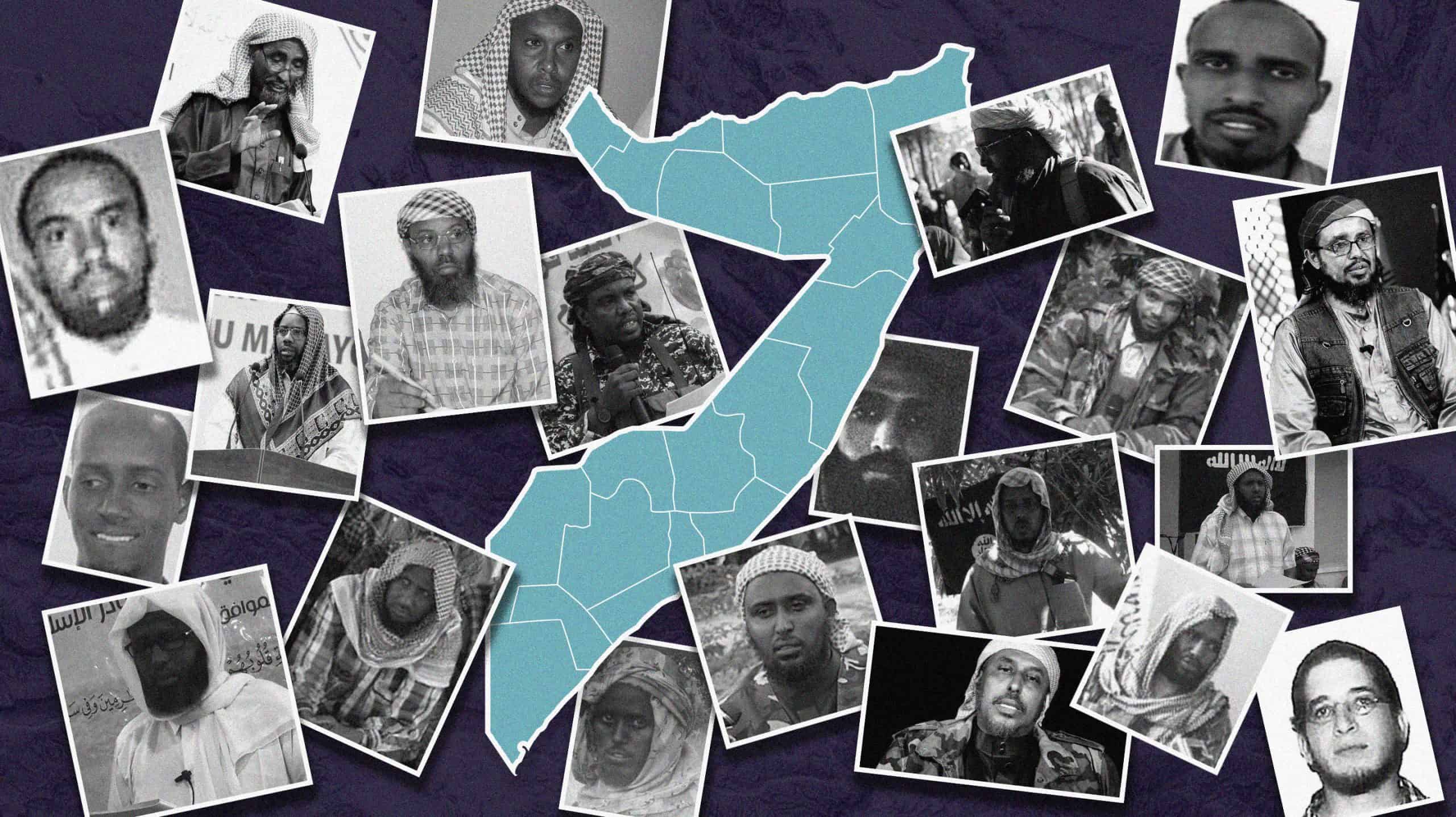
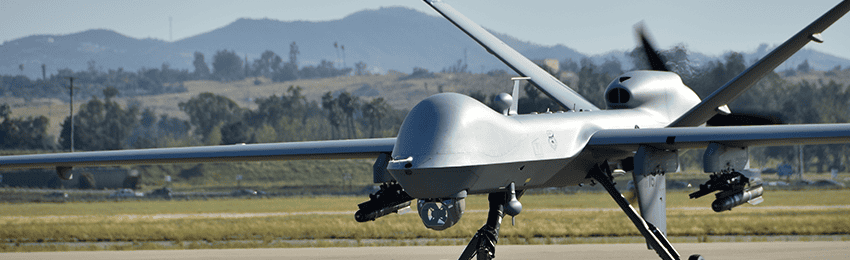
By the end of March 2025, the Trump administration already launched at least 16 air and drone strikes inside Somalia. In comparison, the Biden administration only launched 10 strikes in 2024.
-
Israel strikes Hamas vehicles, political leaders in Gaza
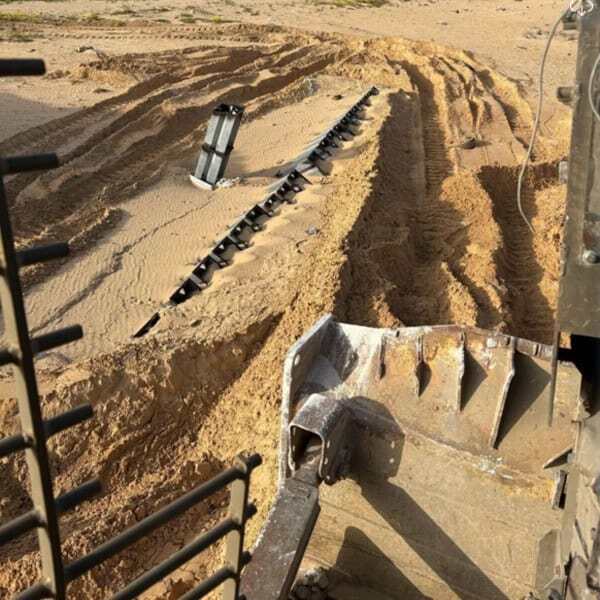
The Israel Defense Forces (IDF) carried out strikes targeting more than 100 pickup trucks used by terrorist groups in Gaza. The IDF continued to extend operations in northern Gaza’s Beit Hanoun and Tel al Sultan in southern Gaza. Elements of four IDF divisions are now active in the new operation, which began on March 18.
-
Turkey increasing military assistance to Syria
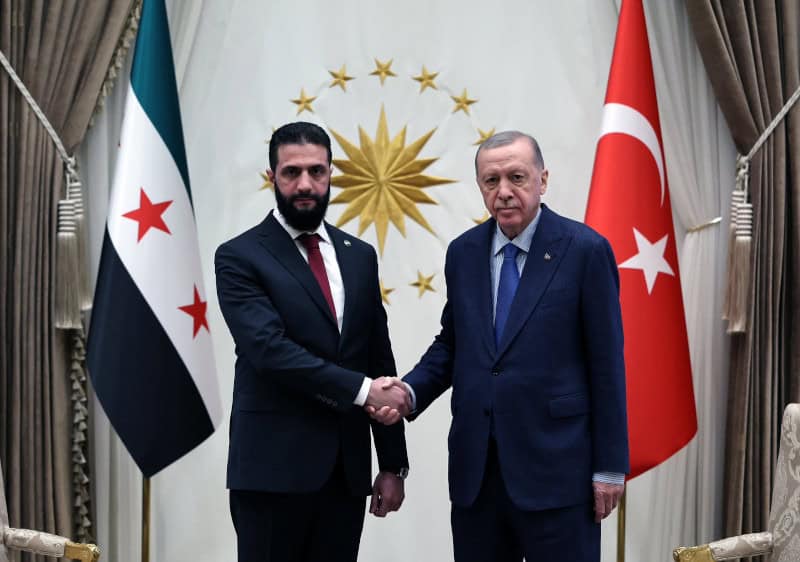
Reports that Turkey is attempting to restructure the Syrian army have yet to be verified, but several developments and reported plans highlight Turkey’s growing military support for the new Syrian state.
-
Key targets hit by ongoing US airstrikes against the Houthis
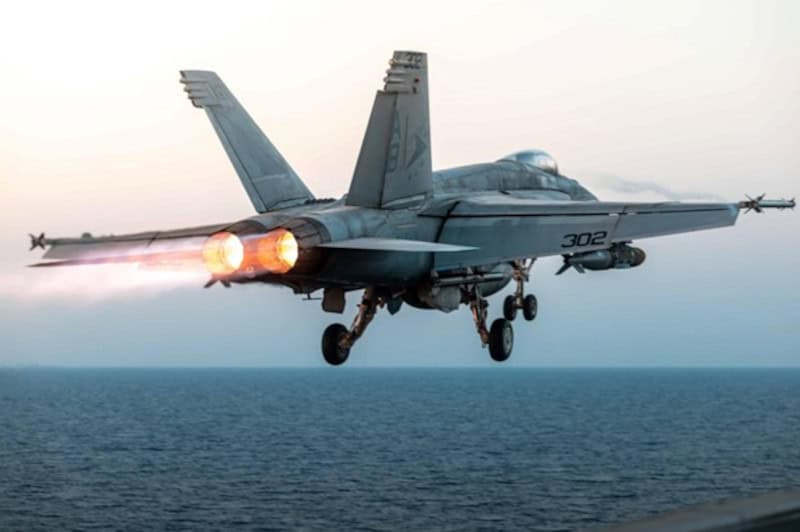
In the almost two weeks since the US began its large-scale operation against the Houthis, airstrikes have rocked Houthi-controlled northern Yemen. While the Yemeni terrorist group is trying to control information released about the damage, various sources have identified key governorates and important infrastructure hit by US strikes.
-
Israeli operations in Lebanon against Hezbollah: March 18–March 23
Israel conducted a series of operations in Lebanon between March 18 and March 23, targeting Hezbollah personnel and assets. On Saturday, in response to rocket fire from Lebanon, Israel launched its most expansive series of attacks in Lebanon since the November 27 ceasefire went into effect.
-
Israel strikes gunmen in southern Syria; Damascus says civilians killed
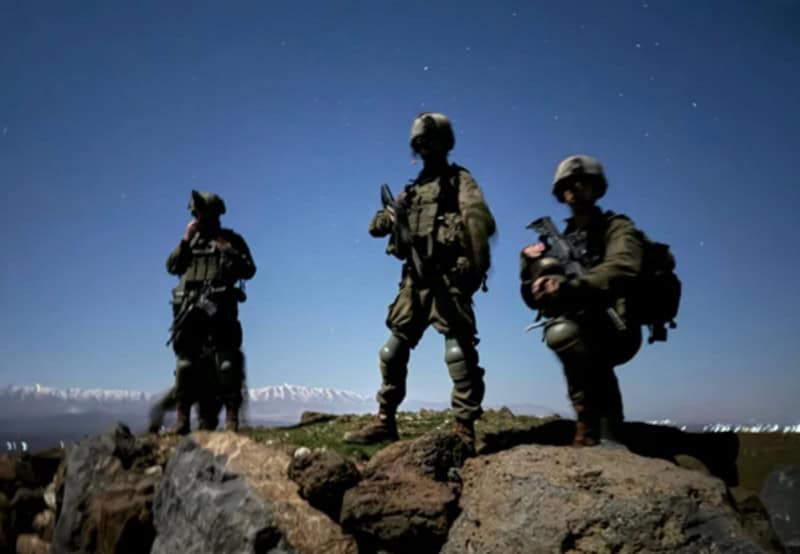
The Israel Defense Forces carried out an airstrike in southern Syria on March 25, stating it acted after gunmen fired on Israeli forces operating in the area. Syrian state media claimed that four civilians were killed. It is the latest clash in Syria as Israel continues to try to demilitarize the southern part of the country, an effort that has included airstrikes and ground operations in recent weeks.
-
Iran strengthens its military in the Persian Gulf
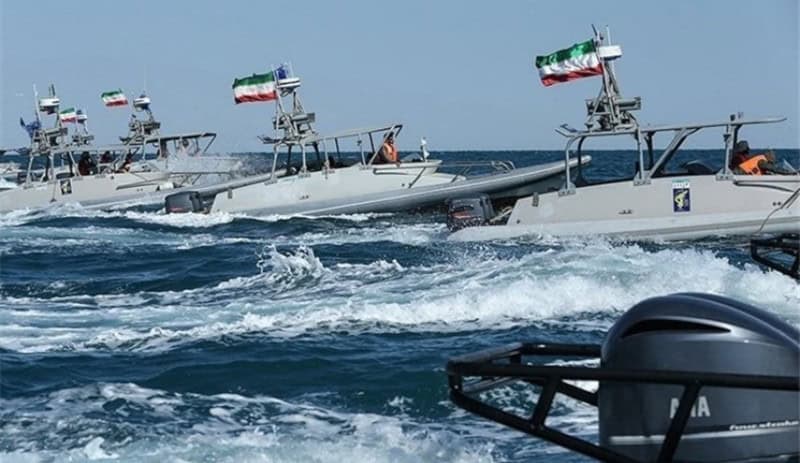
Amid rising tensions with the US, the Islamic Revolutionary Guard Corps has increased its military presence in the Persian Gulf. Over recent months, Iran has intensified exercises on islands located along a vital maritime corridor for global energy transit. Over one-fifth of the world’s oil passes through the Persian Gulf, making it a key geopolitical hotspot.
-
Gaza doctor widely quoted by major media outlets has deep Hamas ties
Open-source information indicates that media figure Dr. Fadel Naim, widely quoted by prominent international news outlets on casualties and the impacts of the war in Gaza, has close familial ties to Hamas, including being the brother of longtime Hamas leader Basem Naim.

-
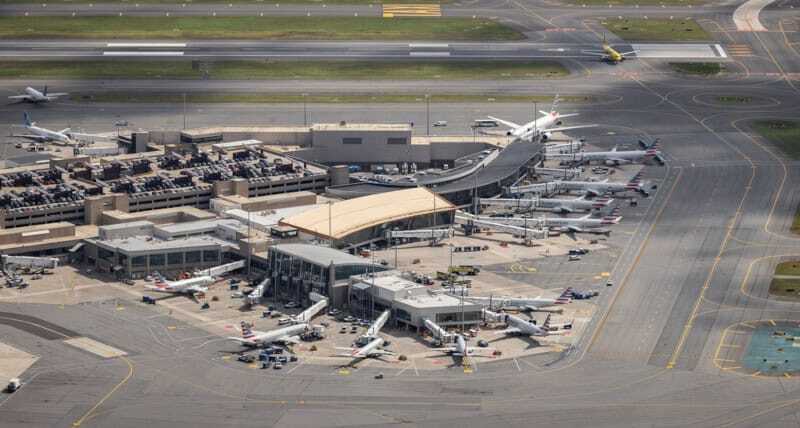
Analysis: A deported Brown University professor’s Hezbollah ties
Dr. Racha Alawieh, a Brown University physician in the US on a visa, was denied re-entry into the country after returning from Lebanon. A central question is whether Alawieh’s entry was blocked for her exercising First Amendment rights or whether her family’s close links to Hezbollah jeopardized her visa. If the latter justification survives judicial review, the precedent may give US authorities a tool to disrupt Hezbollah’s influence and illicit finance operations in the United States.
-
Ukraine’s Belgorod incursion makes limited gains
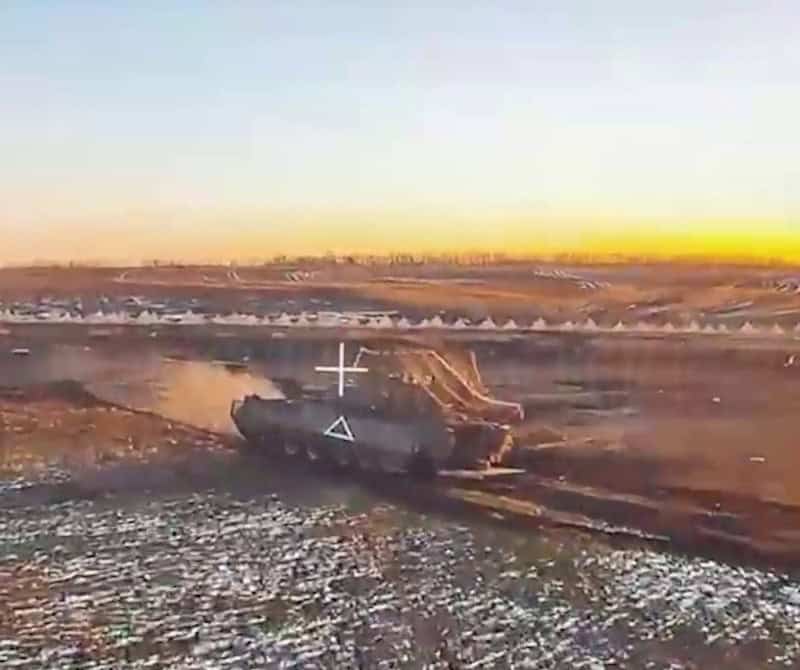
On the heels of its withdrawal from most of Russia’s Kursk region, Ukraine launched a cross-border incursion into neighboring Belgorod Oblast. The operation appears to be more limited in scale and objectives than Kyiv’s August 2024 Kursk offensive.
-
Israel steps up ground ops in Gaza, threatens Hamas it will take more areas
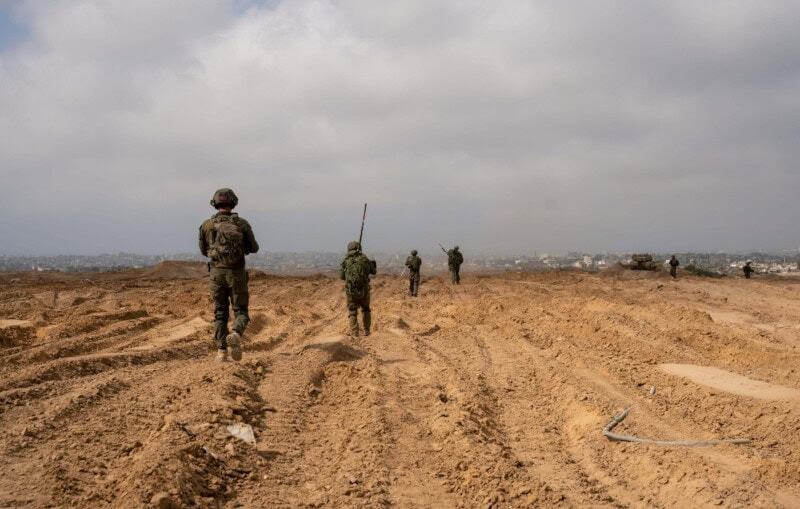
The Israeli Defense Forces (IDF) have expanded ground operations in Gaza after launching a new operation on March 18. Operation Strength and Sword initially included airstrikes targeting Hamas officials, but the operations expanded on March 19 to limited ground maneuvers that have seized areas in southern, central, and northern Gaza. The IDF says the effort is designed to pressure Hamas to release the 59 hostages still held by the group.
-
Iraq’s former PM visits Houthis amid US strikes and Houthi attacks on ships, Israel
Former Iraqi Prime Minister Adil Abdul-Mahdi traveled to Houthi-controlled Sanaa in Yemen on March 20, according to reports in Iranian and Yemeni media. His visit occurred as the US continued its campaign of airstrikes against the Iranian-backed Houthis. Sources Abdul-Mahdi was in Yemen to attend a conference in support of Palestinians, but other reports speculated that his visit may be linked to the US conflict with the Houthis and Iran’s historic backing of the group.

-
Profiles of commanders in the new Syrian army’s regional divisions
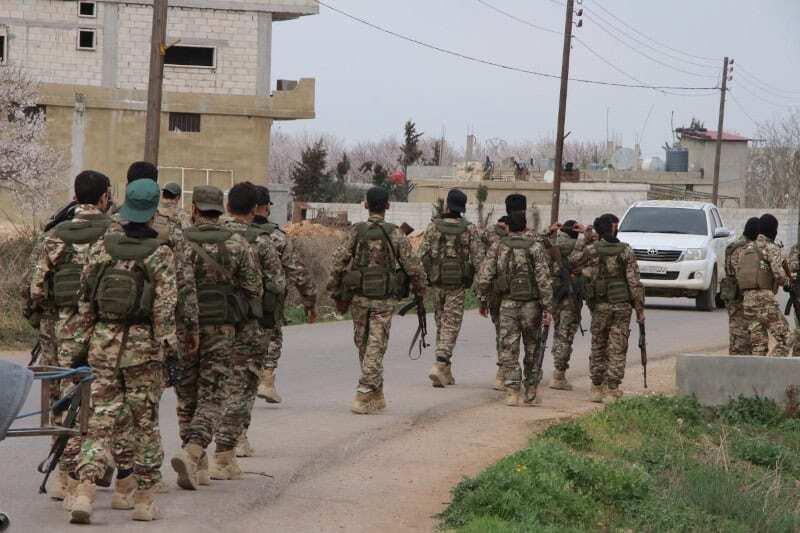
On January 29, Syria’s new leadership announced the dissolution of the Assad regime’s Syrian Arab Army, followed by appointing militia leaders from the civil war to key military positions. FDD’s Long War Journal has identified and profiled several of these figures.
-
Iran reportedly urges the Houthis to de-escalate ‘tensions’
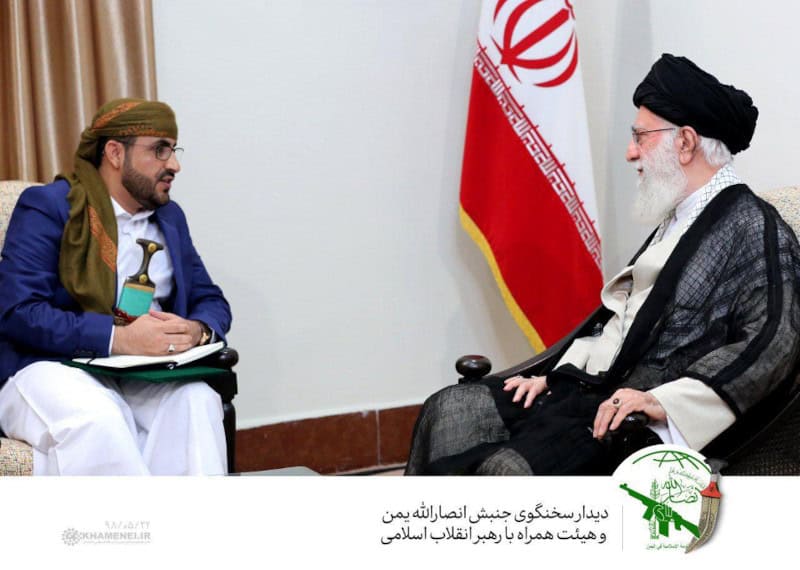
Iran reportedly urged the Houthis to de-escalate tensions in the Red Sea following President Donald Trump’s warning the US will hold Tehran accountable for its proxy’s destabilizing activities. Iranian calls for de-escalation, along with previous communications with other regional proxies, may signal a shift in the Islamic Republic’s proxy strategy.
-
IDF operations in Lebanon and Hezbollah casualty announcements over the past week
Israel conducted several military operations in Lebanon between March 13 and 17, 2025. The operations targeted Hezbollah activity, operatives, and infrastructure. Hezbollah announced the deaths of five of its fighters last week without directly specifying the cause.
-
Syrian authorities continue crackdown on Hezbollah and its affiliates
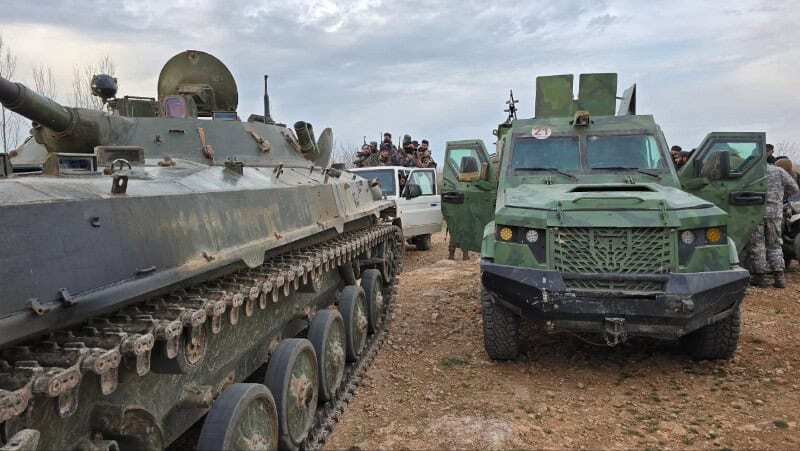
On March 16, the Syria-Lebanon border witnessed intense clashes between the new Syrian government and Lebanese Shiite tribesmen and Hezbollah affiliates.
-
Israel launches ‘extensive strikes’ against Palestinian terrorist groups in Gaza
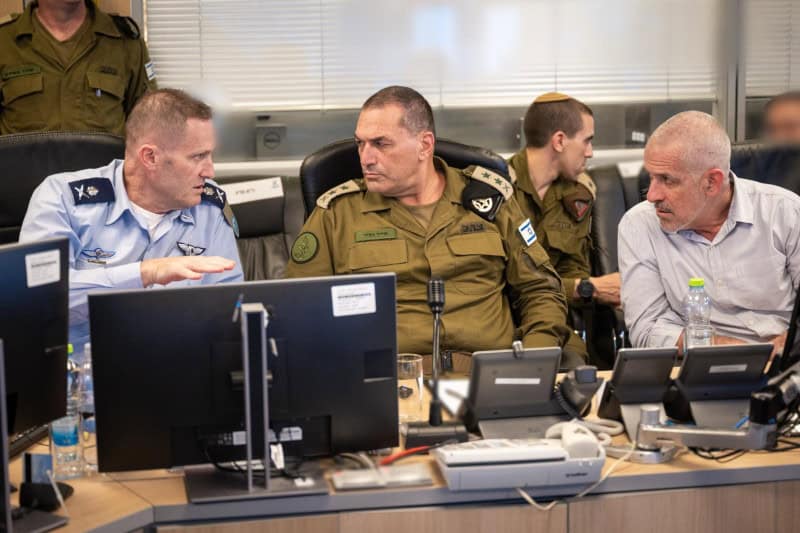
After negotiations to extend the first phase of a ceasefire deadlocked, Israel conducted airstrikes against terrorist groups in the Gaza Strip. Hamas, Palestinian Islamic Jihad, and the Popular Resistance Committees acknowledged the deaths of several leaders.
-
US continues operations against the Houthis
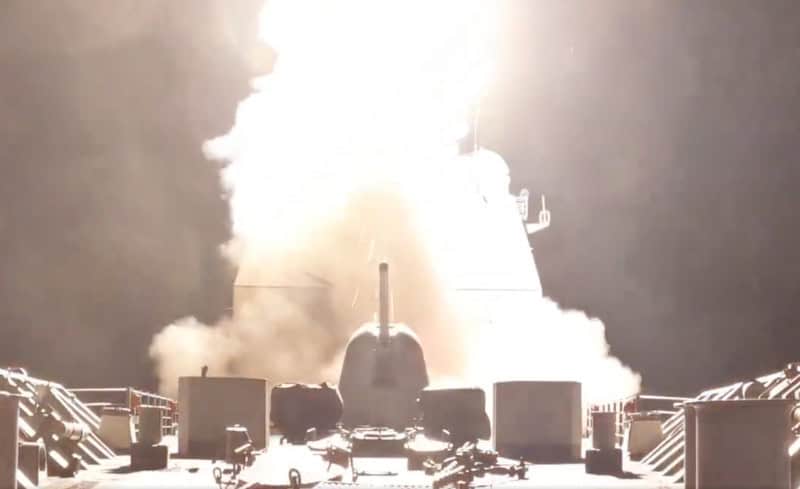
The US has continued striking the Houthis in Yemen, hitting targets across territory controlled by the group, including military sites, infrastructure, and personnel. The Houthis have unsuccessfully attempted to target US naval assets in response.
-
Israel widens campaign against former regime military sites in southern Syria
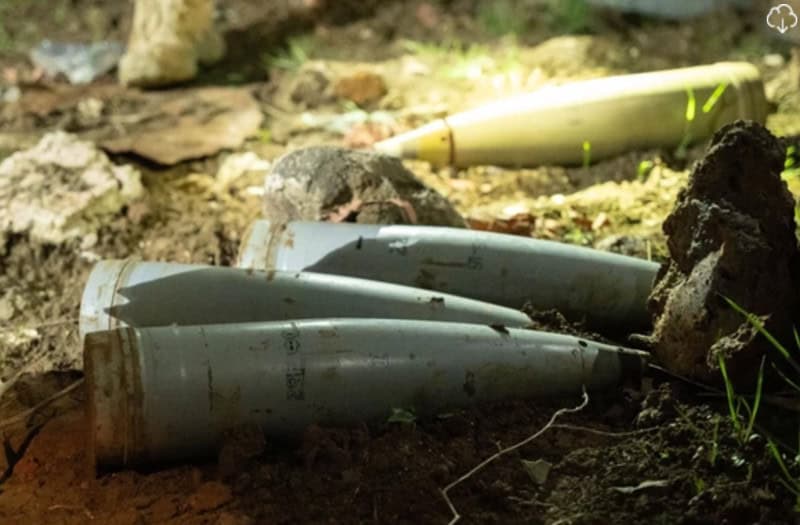
The Israel Defense Forces (IDF) conducted airstrikes in southern Syria on the evening of March 17, targeting military command centers and “sites containing weapons and military vehicles belonging to the old Syrian Regime.” The operations are part of a widening Israeli campaign to demilitarize southern Syria.
-
Iran’s ties to Western organized crime networks
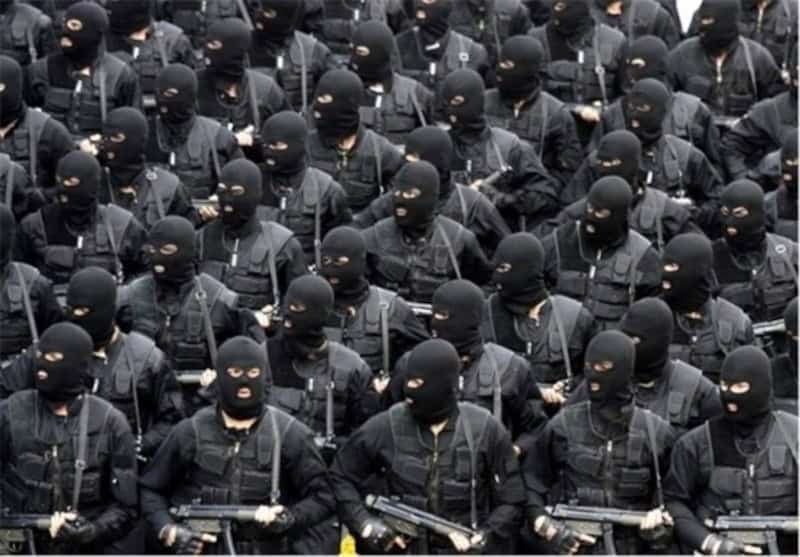
Tehran’s ambitions extend beyond backing Shia and Sunni Islamist groups in the Middle East. On March 13, the US Treasury Department sanctioned Sweden’s Foxtrot gang for its ties to the Iranian regime, underscoring Tehran’s longstanding practice of cultivating criminal networks across Europe and the Americas to assassinate dissidents and target American, European, and Israeli interests.
-
US military launches large-scale operation against Houthis in Yemen
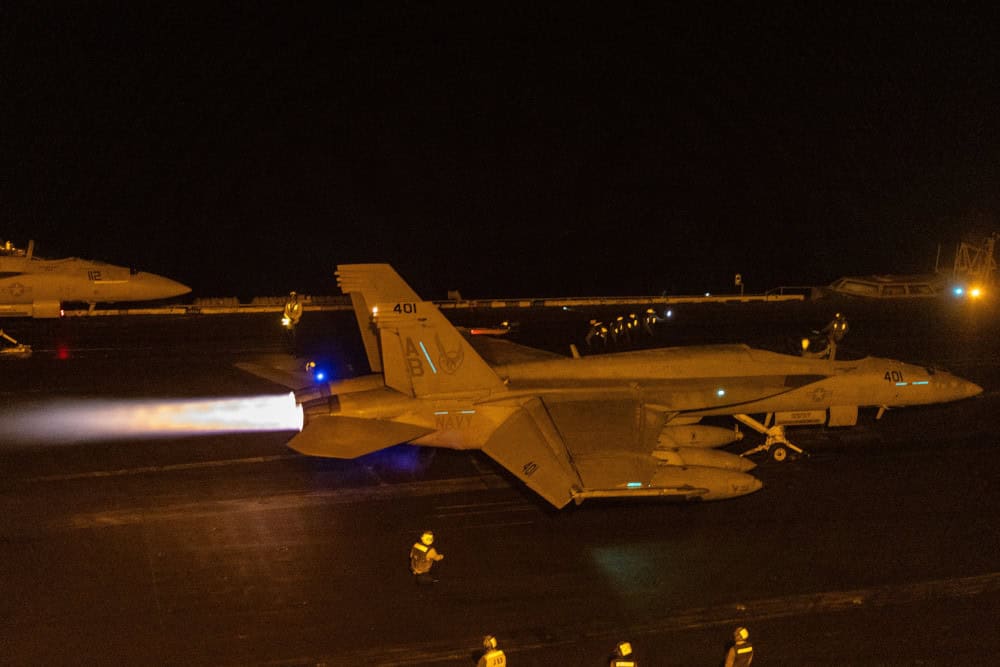
The strikes against the Houthis, who have targeted international shipping in the Red Sea and Gulf of Aden, are the first military actions taken against the Iranian-backed militia by the Trump administration since it took office. The US re-added the Iranian-backed militia to its list of Foreign Terrorist Organizations 10 days ago.
-
US strike in Iraq eliminates top Islamic State leader
On March 13, US Central Command carried out an airstrike that killed Abdallah Makki Muslih al Rifai, also known as Abu Khadijah. Rifai was a top leader in the Islamic State (IS) whose exact position is in dispute—likely the group’s effective second in command or caliph. His death marks another significant strike against IS after various leaders have been killed in the last three years.

-
Conflict in Syria Continues
Ahmad Sharawi joins Bill for an update on Syria’s ongoing conflict, including: the recent Alawite insurgency against the government led by Abu Muhammad al-Jawlani, the role of jihadist groups and involvement of the Syrian National Army and Syrian Democratic Forces, Israel’s position on minority protection in Syria, and the feasibility of military action in the region.
-
Israel conducts strike targeting Palestinian Islamic Jihad in Damascus
The Israel Defense Forces (IDF) attacked a building in Damascus, Syria, on Thursday, stating it was a Palestinian Islamic Jihad command and control center. The IDF said it conducted the strike due to concerns about planned attacks against Israeli territory. The Israeli military has increasingly carried out strikes in recent months against former and current Syrian regime assets and various groups, including Hamas.
-
Houthis ramp up domestic attacks in Marib
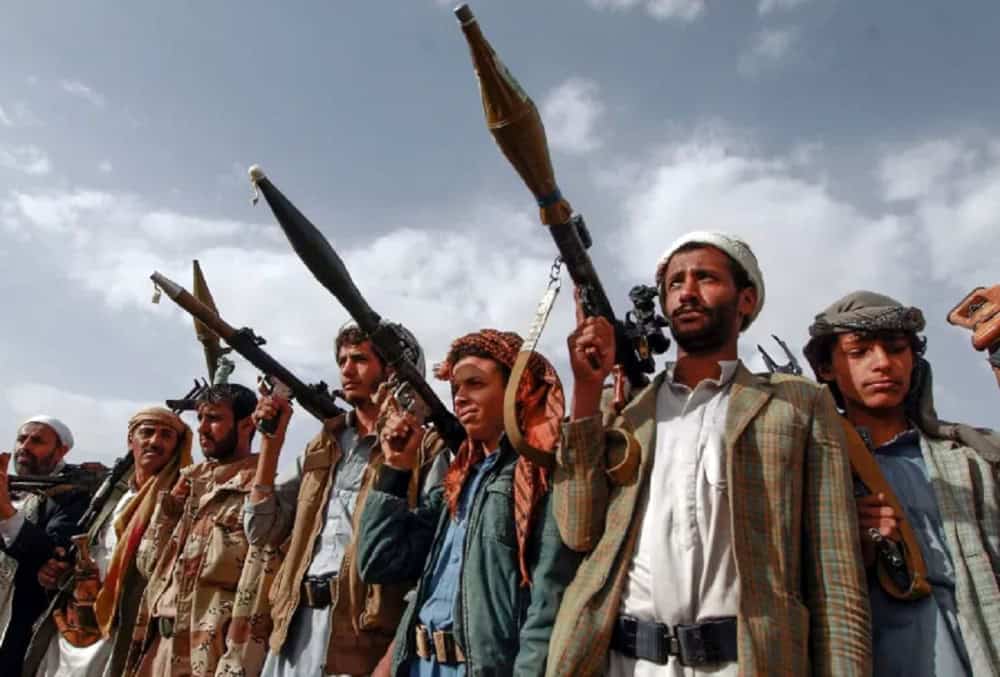
Following the Houthis’ cessation of Red Sea attacks in January 2025, the group has engaged in more military activity against Yemen’s internationally recognized government. Houthi attacks in front-line provinces have reached levels not seen since before October 2023.
-
Israeli airstrikes target Hezbollah assets and personnel in south Lebanon
Israel conducted two sets of airstrikes in south Lebanon on March 11 that targeted Hezbollah operatives. The first targeted a senior Hezbollah aerial defense operative, whose fate remains unknown. The second set of strikes targeted Hezbollah members in south Lebanon. Hezbollah-affiliated media announced two of the group’s fighters were killed.
-
Analysis: Why did Syria’s Kurds sign a deal with the new regime?
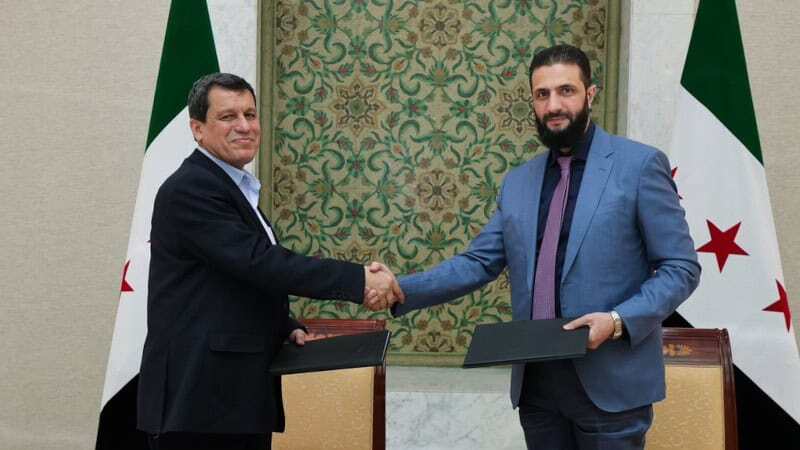
The Syrian Democratic Forces (SDF) signed an agreement with Syria’s interim government, integrating the SDF’s 100,000-strong, mostly Kurdish force into the new Syrian military. The deal likely represents a calculated risk by the SDF to curtail Turkish aggression, especially if the US withdraws from the country.
-
After SDF-Damascus deal, a spotlight on US forces in Syria
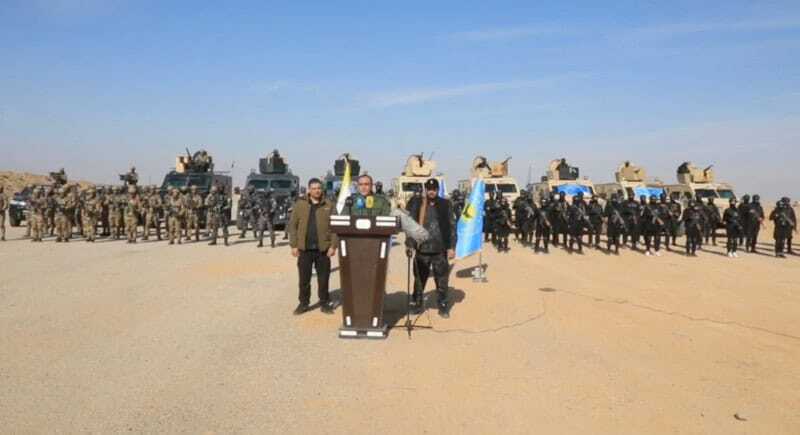
US forces in eastern Syria continue to work closely with the Syrian Democratic Forces (SDF) and the Syrian Free Army (SFA). However, the agreement between SDF commander Mazloum Abdi and Syrian President Ahmad al Sharaa to integrate eastern Syria into the country’s new governing institutions could affect the US role in Syria and the broader anti-Islamic State campaign.