-
On Iran’s Military Threat with Janatan Sayeh
Bill is joined by his FDD colleague and Long War Journal contributor Janatan Sayeh to unpack Iran’s various spheres of influence and threats posed not least of all by their military capabilities from drone technology and nuclear enrichment to increasingly close cooperation with Moscow and Beijing.
-
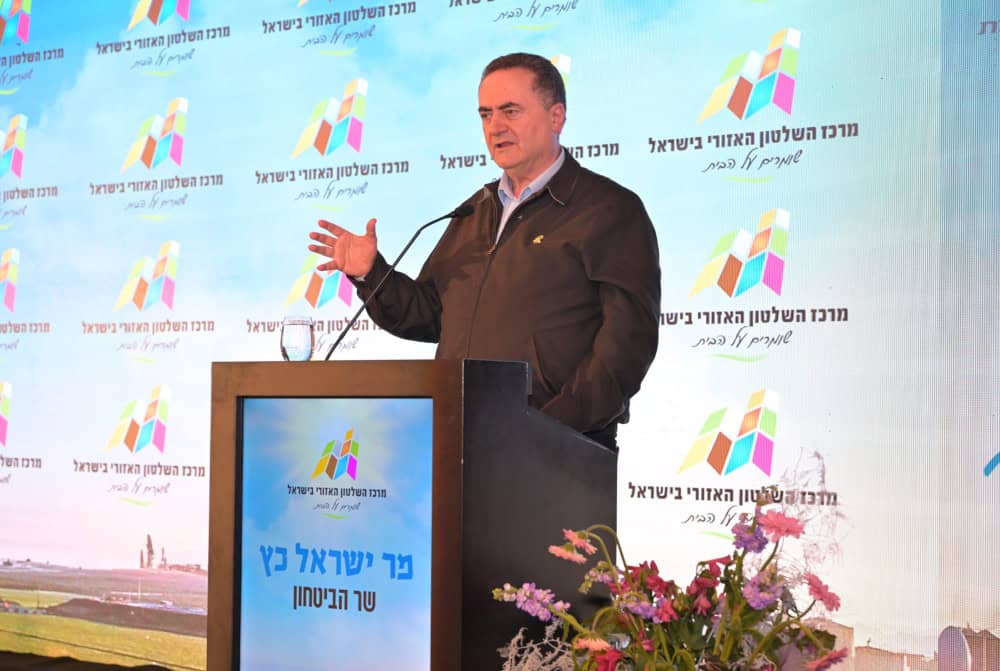
Israel strikes southern Syria amid continued demands for demilitarization
The Israel Defense Forces (IDF) carried out airstrikes in southern Syria on February 25 after Israeli Prime Minister Benjamin Netanyahu and Defense Minister Israel Katz said that southern Syria must be a demilitarized zone. Local reports said that the strikes hit several areas in Daraa province, not far from Israel’s Golan Heights.
-
Analysis: Al Jazeera platforms Hamas’s “resistance” at annual conference
Qatar-funded Al Jazeera provided a platform to two Hamas officials on its panels at the media organization’s recent annual conference. One speaker, Osama Hamdan, praised the October 7 massacre in Israel and the “philosophy of resistance.”
-
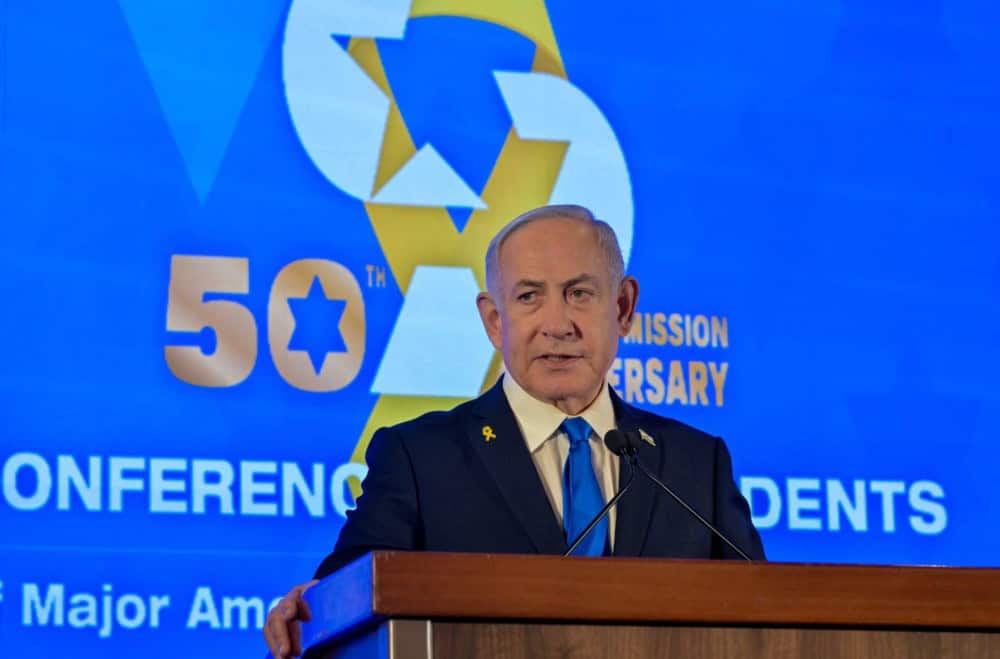
Netanyahu calls for the demilitarization of southern Syria
On February 23, Israeli Prime Minister Benjamin Netanyahu said that Israel would not allow forces of the new Syrian army to enter areas south of Damascus. “We demand the full demilitarization of southern Syria,” he said. Individuals in southern Syria protested the statement and Syrian officials condemned Israeli incursions into the country.
-
Analysis: Is Iran poising itself for escalation with Israel?
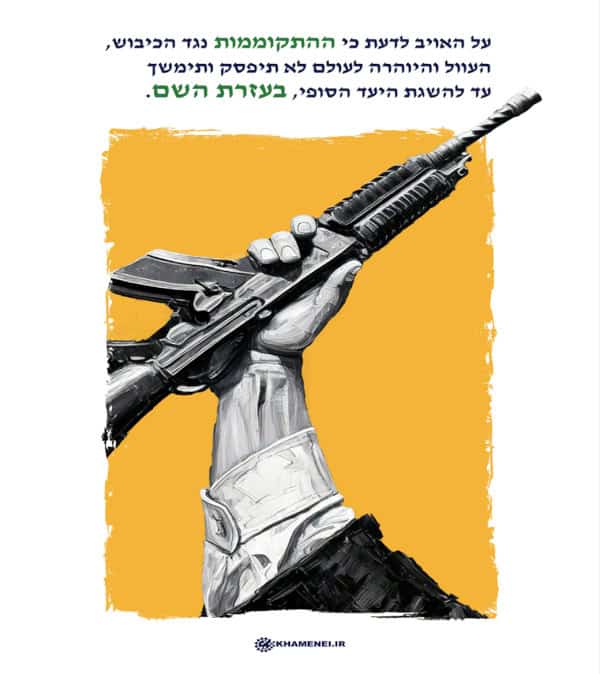
Recent statements by Islamic Republic officials indicate Tehran’s staunch commitment to rebuilding Hezbollah’s capabilities and achieving “final victory.” These threats may signal a renewed escalation in the region after Israel’s crippling blow to Iran’s missile arsenal and the collapse of the Islamic Republic’s Syrian ally.
-
Suwayda Military Council: A new Druze coalition emerges in Syria
A group of Druze militants in Suwayda, southern Syria, has announced the formation of the Suwayda Military Council, a coalition of local armed groups aimed at protecting the region and maintaining security. The council stated its mission is to safeguard civilians and public property from violence and destruction while strengthening cooperation with other security factions. It also announced plans for regular meetings to assess threats and respond accordingly. As part of its efforts, the council has called on officers and soldiers from civil society to attend a military meeting on February 24 in the Sad Al Ain area between Suwayda…
-
US military kills Al Qaeda facilitator in Syria
A US airstrike killed Wasim Tahsin Bayraqdar, who US Central Command (CENTOM) identified as “a senior leadership facilitator” for Hurras al Din. The strike is the third against the Al Qaeda branch since President Donald Trump took office.
-
Pro-Iranian Iraqi militia leaders gather in Lebanon for Hezbollah leader’s funeral
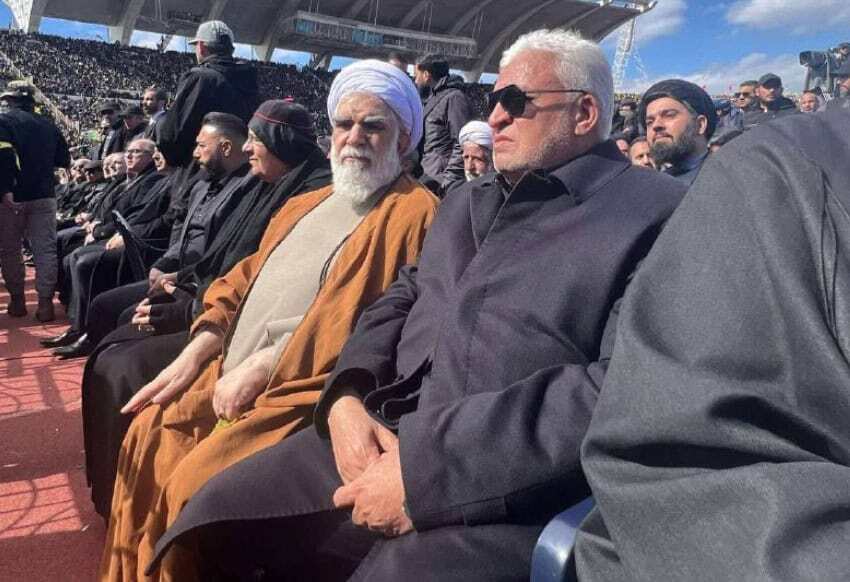
Falih al Fayyadh, the head of Iraq’s largely pro-Iranian Popular Mobilization Units (PMU), traveled to Beirut for the funeral of Hezbollah leader Hassan Nasrallah on February 23. Other senior members of pro-Iranian militias in Iraq also attended the funeral, and several militia leaders put out statements. Hezbollah-affiliated media claimed approximately 200,000 Iraqis came to Lebanon for the event, though this number is unverified.
-
Gaza ceasefire faces new hurdles as Hamas releases bodies of slain hostages, only 3 of 4 identified
On February 20, Hamas released four caskets ostensibly carrying the remains of four Israeli hostages to the Red Cross, but one contained the body of a Palestinian woman. Israel has condemned this as a violation of the ceasefire that began in January. Separately, the IDF redeployed an experienced division that served in Gaza and carried out airstrikes against Hezbollah on the Syria-Lebanon border.

-
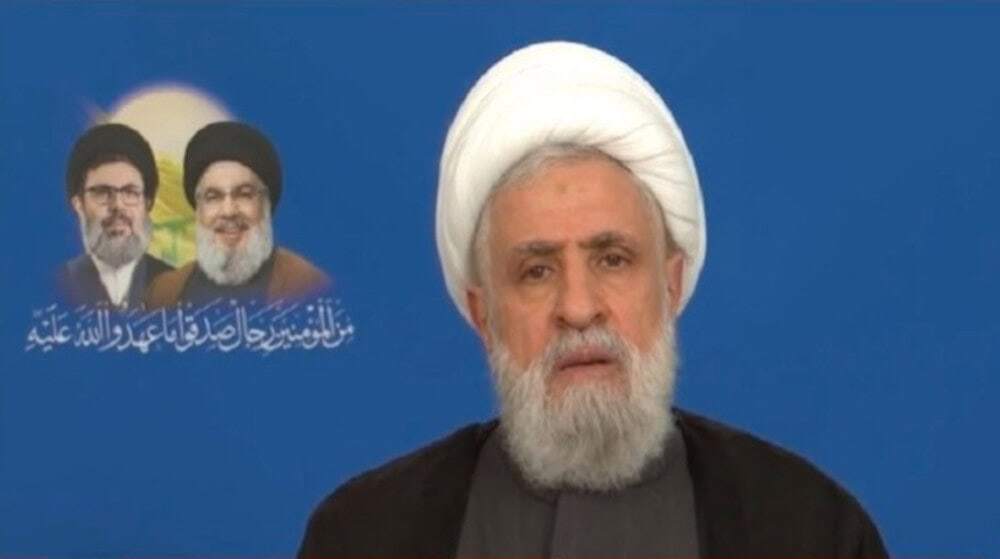
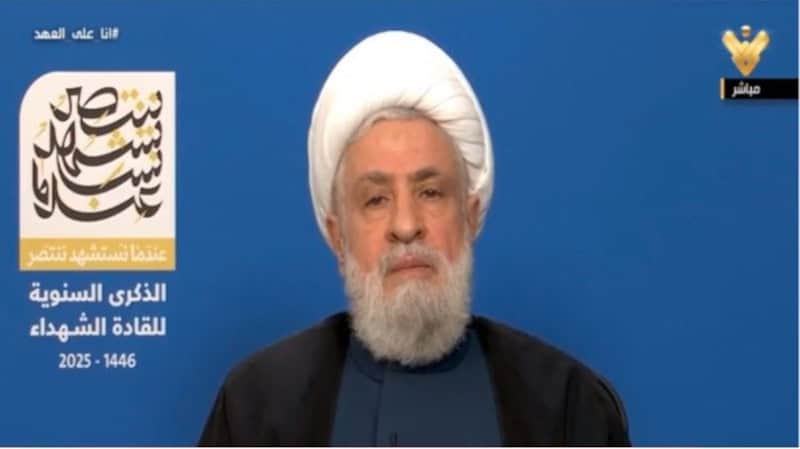
Hezbollah Secretary-General Naim Qassem’s “Martyr Leaders Day” speech
Hezbollah Secretary-General Naim Qassem delivered a speech on February 16 addressing regional and domestic developments, Beirut banning Iranian flights from landing at Hariri International Airport, and Nasrallah’s upcoming funeral. Qassem called for massive participation in the funeral to deter Hezbollah’s domestic political opponents from targeting the group or its weapons.
-
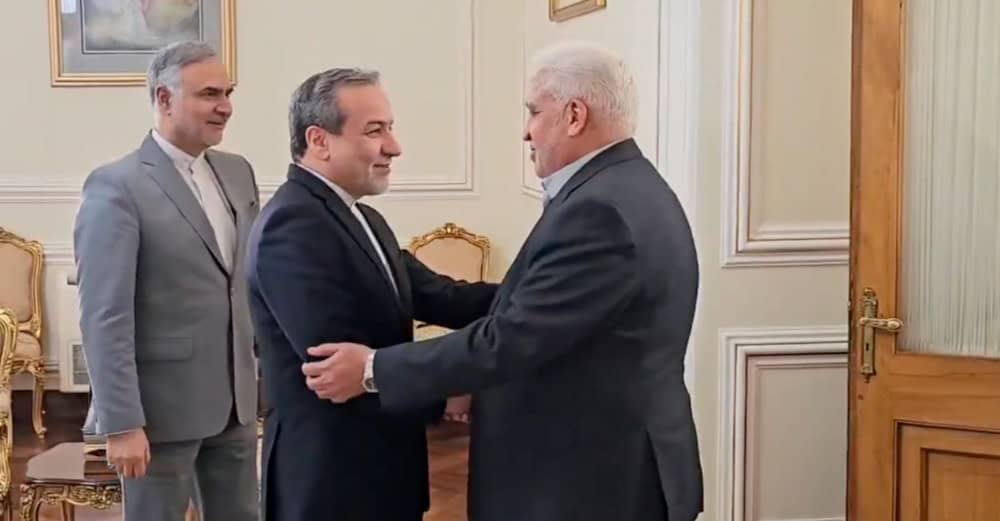
Head of Iraq’s powerful pro-Iranian Popular Mobilization Units visits Tehran
On February 18, Falih al Fayyadh, the chairman of Iraq’s largely pro-Iranian Popular Mobilization Units (PMU), visited Tehran and met with Iranian Foreign Minister Abbas Araghchi. According to reports, Fayyadh also met with Ali Akbar Ahmadian, the head of Iran’s Supreme National Security Council.
-
Profiles of foreign commanders in the new Syrian army
Syria’s interim president, Ahmad al Sharaa, approved the promotion of numerous military commanders, many of whom are foreign fighters previously affiliated with Hayat Tahrir al Sham and other factions that participated in the “Deterring Aggression” campaign against Bashar al Assad.
-
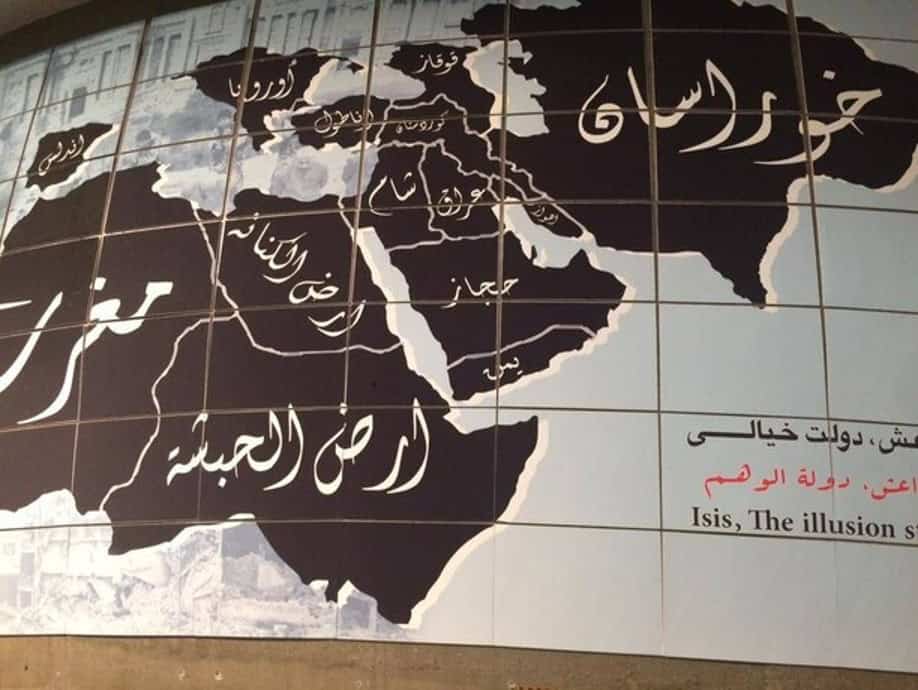
Analysis: From Afghanistan to America: the rising reach of the Islamic State Khorasan Province
Four years after the US withdrawal from Afghanistan, the threat posed by the Islamic State Khorasan Province (ISKP) has expanded beyond the region, now endangering both America and Europe. With the group actively recruiting and transferring fighters across borders, regional actors such as the Taliban, Iran, Tajikistan, and Pakistan have proven unable to curb its growth.
-
Status update on global jihad
Bill is joined by Caleb Weiss and Edmund Fitton-Brown to discuss the latest UN Sanctions Monitoring Team report on the Islamic State and Al-Qaeda that was released this week.
-
Ukraine bets on unmanned systems with expansion of best drone units
Ukraine announced a new initiative to expand some of its best drone units and replicate their strengths across the force. Amid a shortage of infantry, Kyiv is leaning even more on drone units to serve as a force multiplier in support of ground troops.

-
Turkistan Islamic Party leader directs Syrian fighters from Afghanistan
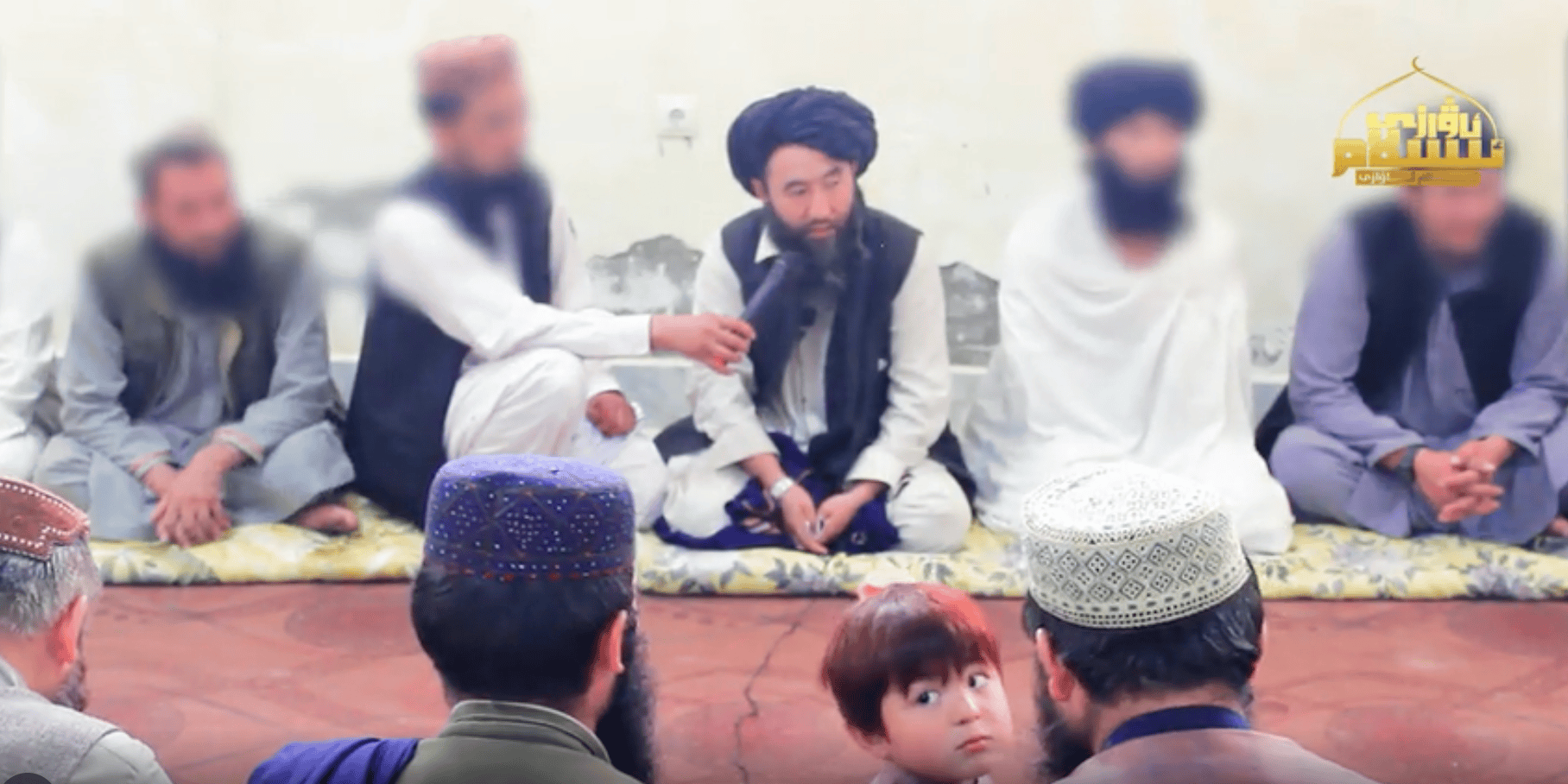
Abdul Haq al Turkistani currently operates from Kabul while directing his fighters in Syria. Haq’s presence in Afghanistan directly contradicts the Taliban’s claims that no foreign fighters operate or are based in the country and that Afghanistan isn’t a headquarters for terrorist groups.
-
US pushes countries to repatriate nationals in Syria’s displaced-persons camps
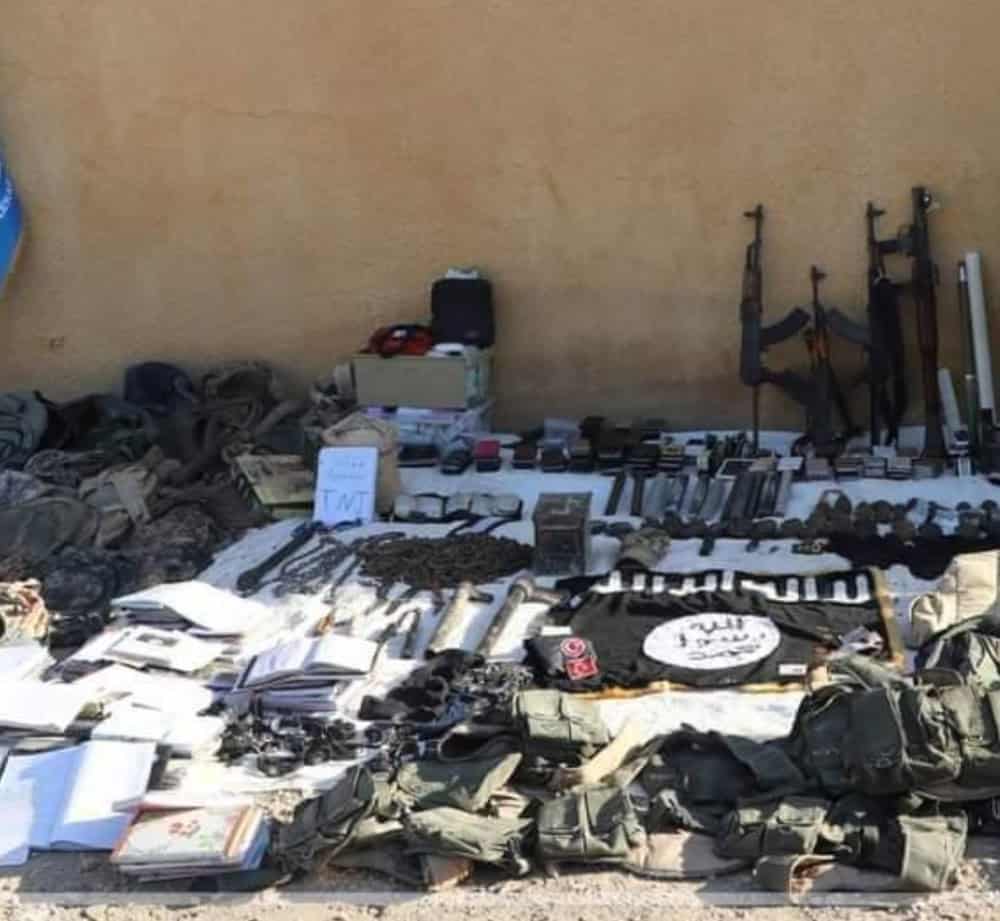
US assistance for camps in Syria that house Islamic State-linked families “cannot last forever,” acting US Ambassador to the UN Dorothy Shea told the UN on February 12. The spotlight on the camps comes as the Islamic State continues to pose a threat, and a new Syrian government attempts to assert control over the country.
-
Pakistani and Tajik Taliban open training camps in Afghanistan
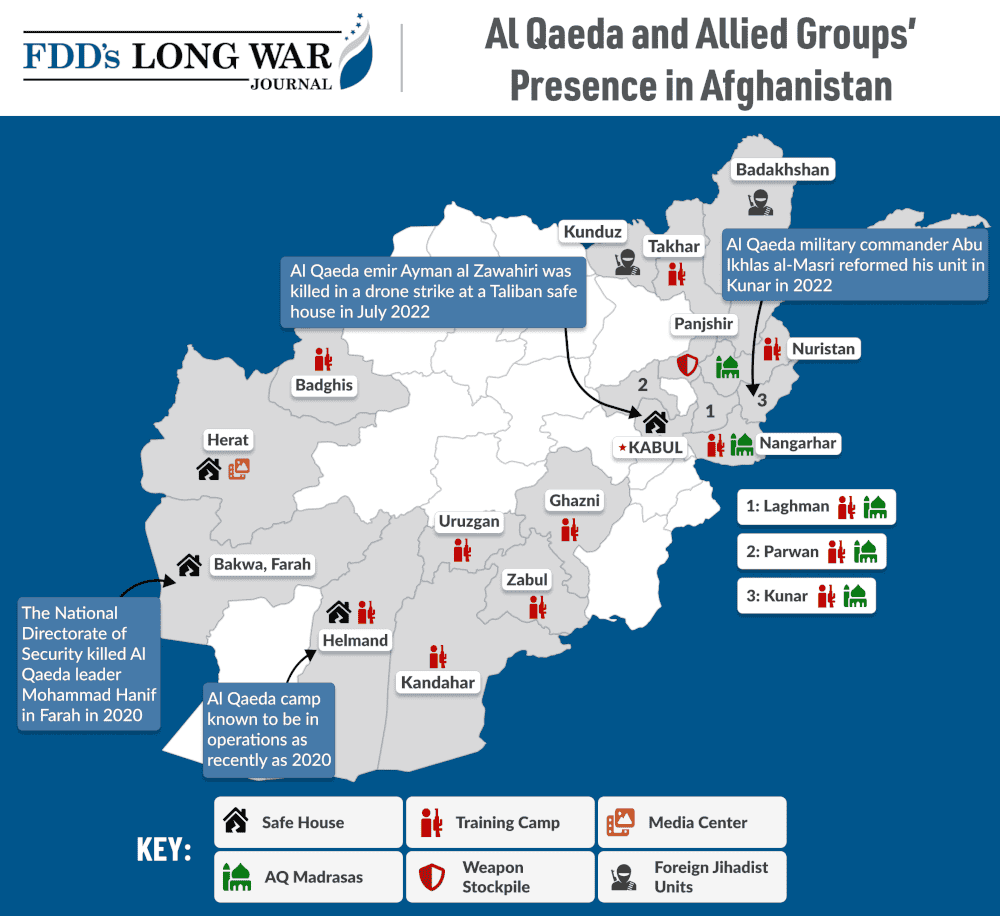
The Movement of the Taliban in Pakistan is operating training camps in four Afghan provinces, while Jamaat Ansarullah is operating camps in two more. Both groups continue to receive support from the Afghan Taliban and Al Qaeda.
-
Analysis: Syria’s crackdown on smuggling sparks tensions with Hezbollah and Lebanon
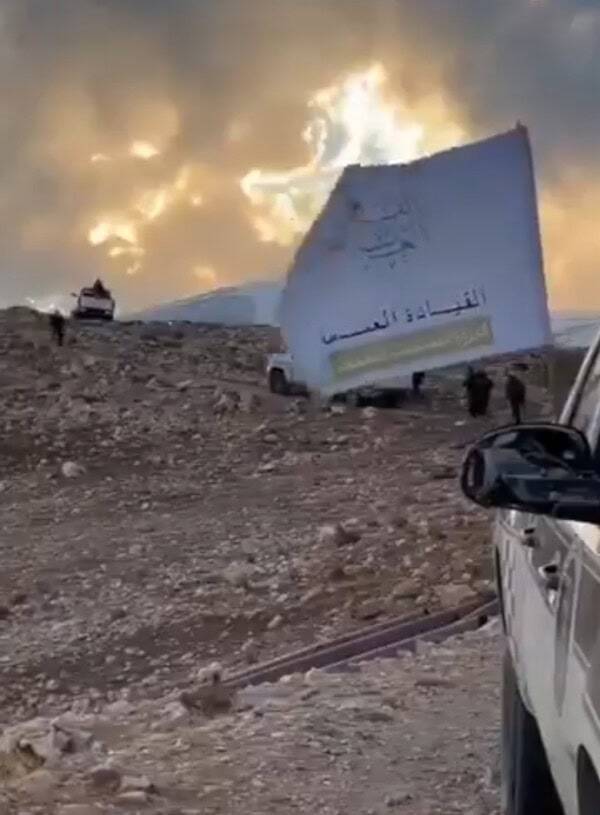
There has been a serious escalation on the Lebanon-Syria border over the past week after Syrian forces launched an operation targeting illegal checkpoints used for narcotics and weapon smuggling.
-
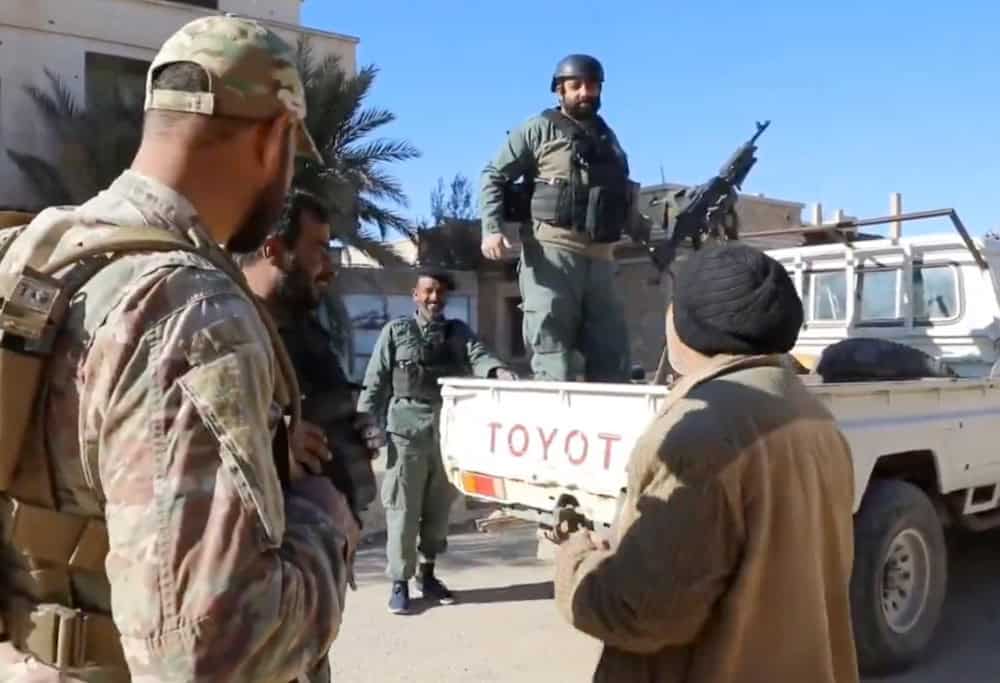
US-backed Syrian Free Army continues to patrol Tanf area in southern Syria
The US-trained Syrian Free Army helped clear unexploded ordnance and provided support to local Syrians in continued operations in southern Syria. Based at Tanf near the Jordanian and Iraqi borders, the unit also met with the new Syrian government in Damascus. The Syrian Free Army grew out of the US-backed anti-Islamic State mission and has operated from Tanf for almost a decade in various forms.
-
Trump’s vision for Gaza
Bill and Behnam are joined by their FDD colleague Jonathan Schanzer to discuss President Trump’s controversial plan for Gaza which includes a radical restructuring of the region.
-
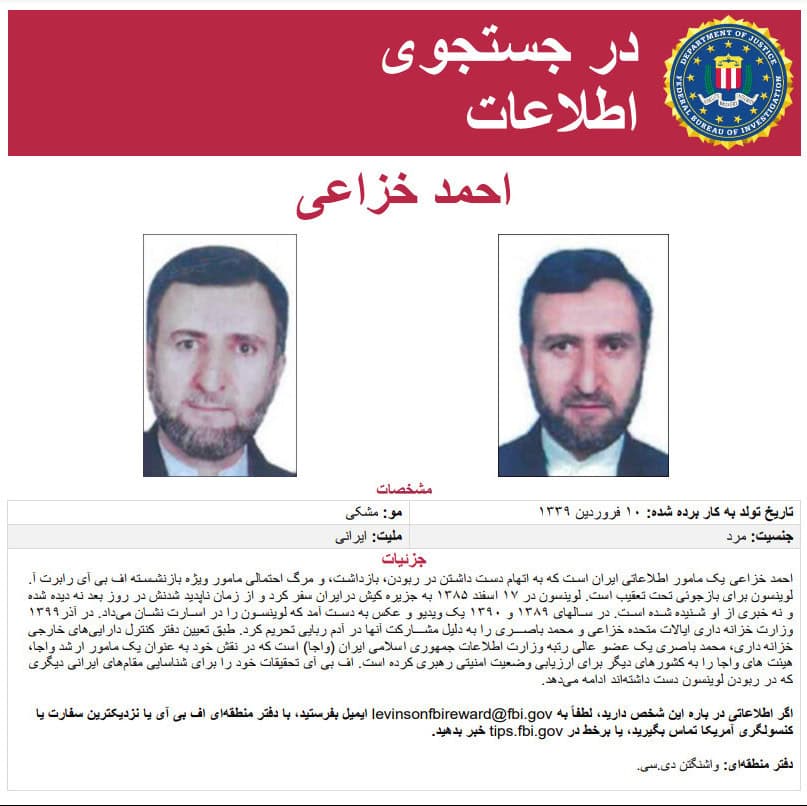
Analysis: Unpacking Iran’s counterintelligence apparatus
Iran’s intelligence network is not a monolithic entity but a web of competing and cooperating factions that execute the regime’s global ambitions. Iran’s Islamic Revolutionary Guard Corps (IRGC), Quds Force, and Ministry of Intelligence each play distinct yet overlapping roles in conducting assassinations, abductions, and sabotage operations worldwide. While institutional rivalries persist, their shared objective—suppressing dissent and expanding Iran’s geopolitical reach—ensures continued collaboration.
-
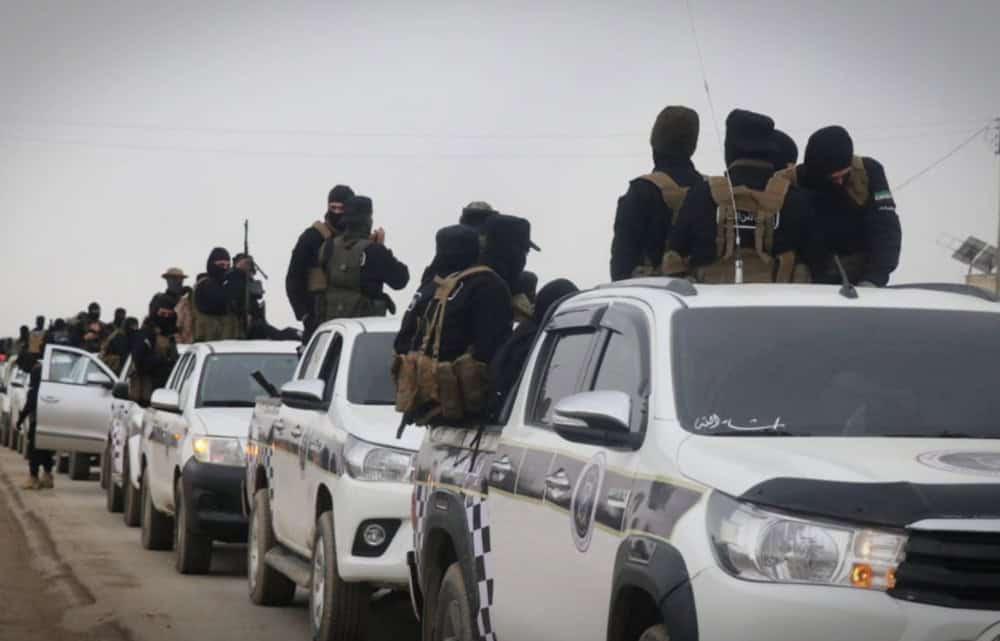
Syrian government forces enter Afrin, signaling a change in control
The new Syrian government in Damascus sent a convoy of vehicles from the General Security Department to Afrin, a historically Kurdish city and district in northwest Syria. In 2018, Turkey launched a military operation into Afrin and backed the Syrian National Army (SNA) to run the district. The deployment by Damascus appears to represent a significant shift after five years of rule by the SNA.
-
US, UAE conducting airstrikes in northern Somalia
The United States and the United Arab Emirates are conducting airstrikes in northern Somalia in support of Puntland’s military offensive against the local Islamic State branch. Tracking UAE’s strikes in particular, however, is difficult.

-
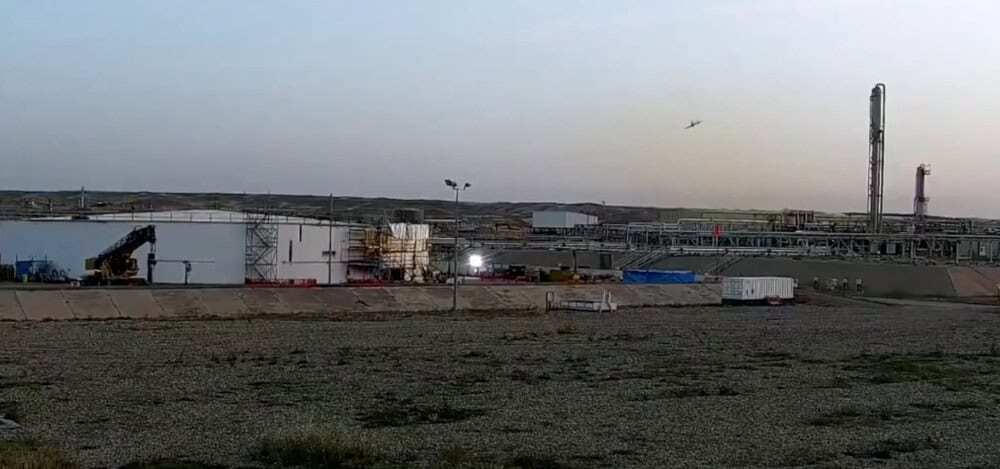
Drone attack targets gas field in northern Iraq
On February 2, a drone targeted the Khor Mor gas field in the autonomous Kurdistan Region of Iraq. Dana Gas, which runs the facility, said that operations continued as normal, and there were no injuries. The same area has been attacked several times in recent years, including by an Iranian-type Shahed drone in April 2024. The US Embassy condemned the attack, and Iraq’s prime minister called for an investigation.
-
Analysis: Naim Qassem announces the date of Nasrallah’s funeral
Hezbollah Secretary-General Naim Qassem gave a speech to mark the onset of the month of Shaban, in which he announced the date of Hassan Nasrallah’s funeral, sought to counter the group’s domestic detractors, and condemned provocative behaviors by Hezbollah’s supporters.