-
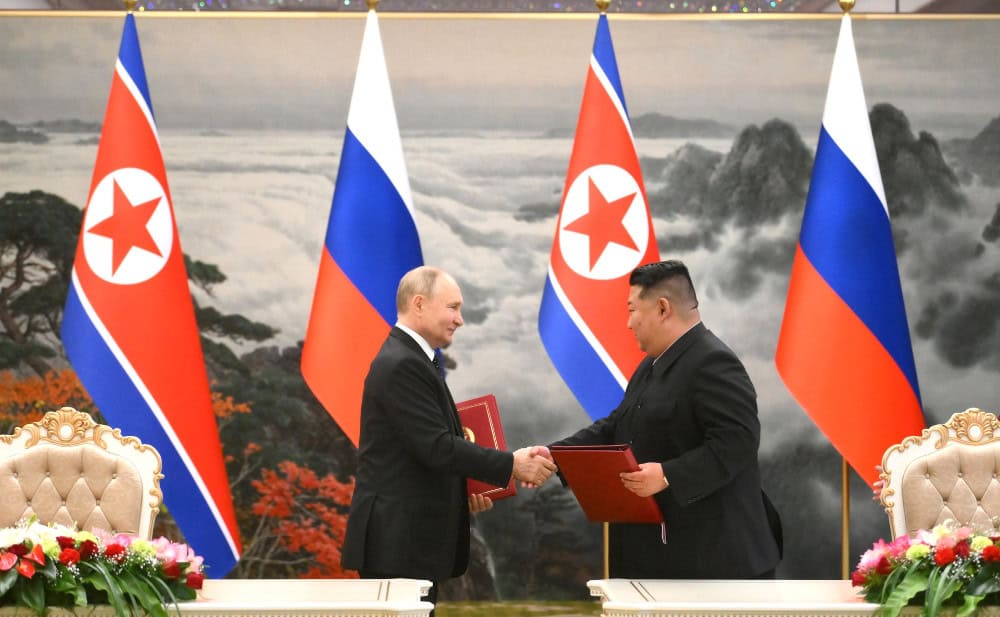
North Korean troops pull back in Kursk as Pyongyang prepares fresh deployment, officials say
North Korean troops in Russia’s Kursk region have pulled back from the front lines following heavy losses, US and Ukrainian officials say, while Pyongyang is reportedly preparing to deploy more forces. North Korean troops have put the Ukrainian defense in Kursk under greater stress, but reinforcements will be necessary to sustain that pressure.
-
US airstrike kills Al Qaeda operative in Syria
CENTCOM described Muhammad Salah al Zabir as “a senior operative in the terrorist organization Hurras al-Din.” The strike takes place less than two weeks after the Trump administration took office and may signal a change in policy toward Syria.

-
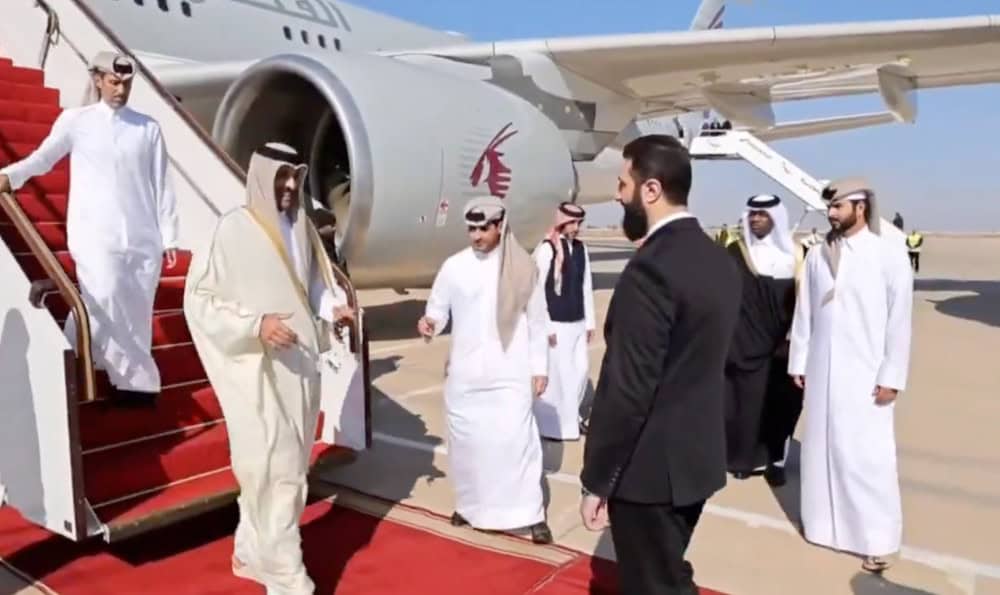
Syria appoints new president amid widespread diplomatic engagement efforts
On January 29, Ahmed al Sharaa was declared the new president of Syria in the transitional government that came into power after the collapse of the Assad regime on December 8. This declaration led to congratulations from several Arab states in the region, and the Qatari emir arrived in Damascus on January 30, the first head of state to visit the new ruler. These developments are part of a broad diplomatic outreach by Sharaa and his new foreign minister.
-
Hamas confirms the death of Mohammad Deif and other senior leaders
After many months of keeping silent on the matter, Hamas announced the death of seven of the organization’s senior leaders, including longtime military commander Mohammed Diab Ibrahim al Masri, commonly known as Mohammad Deif.

-
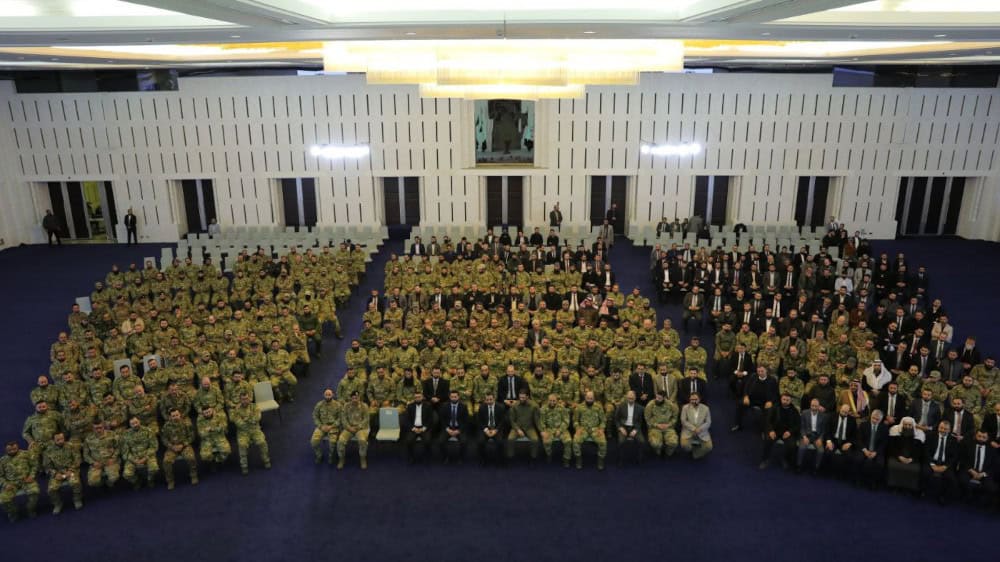
Ahmad al Sharaa’s Victory Conference: Syria’s new era and an exclusive translation of Sharaa’s speech
Syria’s new leaders hosted a conference at which Hayat Tahrir al Sham (HTS) leader Ahmad al Sharaa (Abu Mohammad al Jolani) was appointed as the president of Syria for the transitional period. Additionally, a number of Syrian armed factions agreed to integrate into a unified army.
-
Palestinian terrorist groups react to Israel’s latest West Bank operation
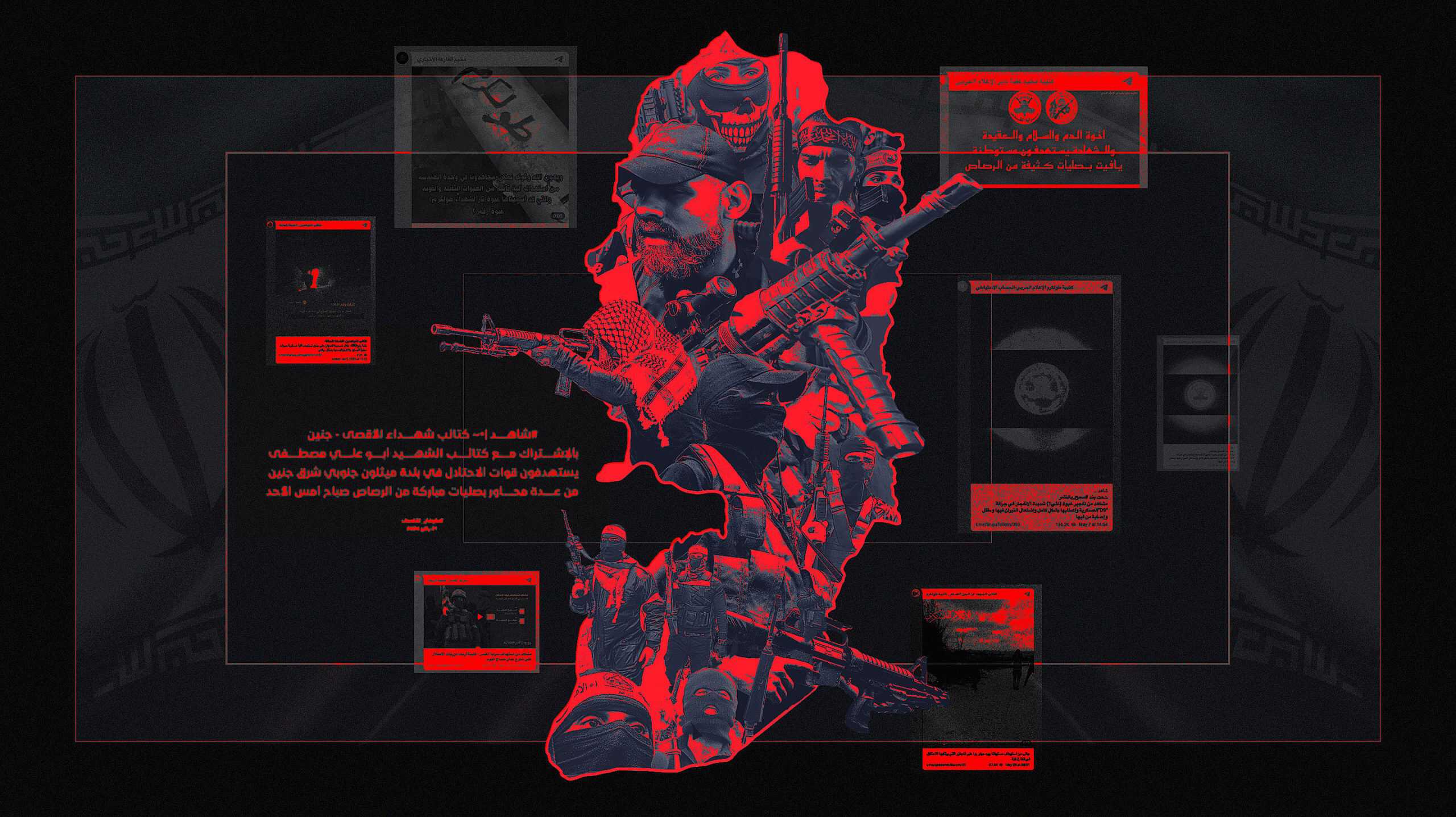
West Bank terrorist groups have issued statements, videos, and death notices following the start of a broad operation by the Israel Defense Forces (IDF) in the West Bank.
-
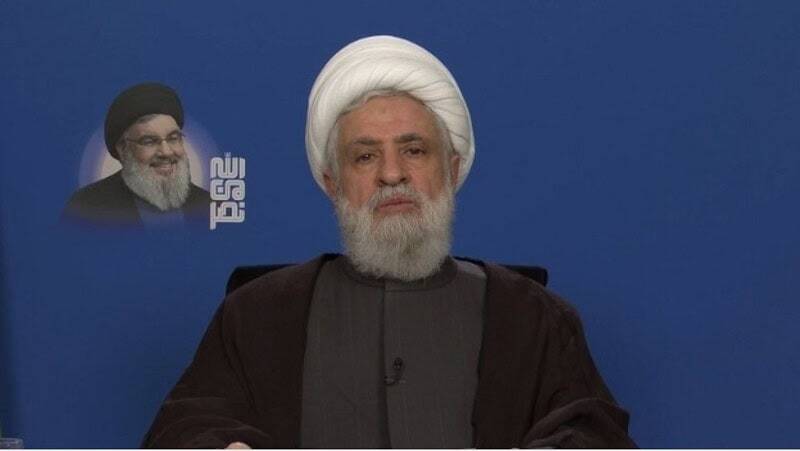
Analysis: Naim Qassem’s most defiant speech yet as Hezbollah secretary-general
On January 27, Naim Qassem insisted Hezbollah had emerged from the fight with Israel victorious, despite painful and unprecedented setbacks, and was unwilling to concede the group’s domestic position. Qassem also expressed Hezbollah’s satisfaction with Lebanon’s post-war political direction and said his group had a productive and positive relationship with Lebanon’s new president and prime minister-designate.
-
Analysis: Continued chaos in Syria: Iraqi militias and an Alawite insurgency
Chaos in Syria deepens as a newly formed Iraqi militia vows to defend the Alawites from alleged Hayat Tahrir al Sham (HTS)-led atrocities and Alawite militias escalate attacks on HTS-affiliated groups in Western Syria, fueling a growing insurgency.
-
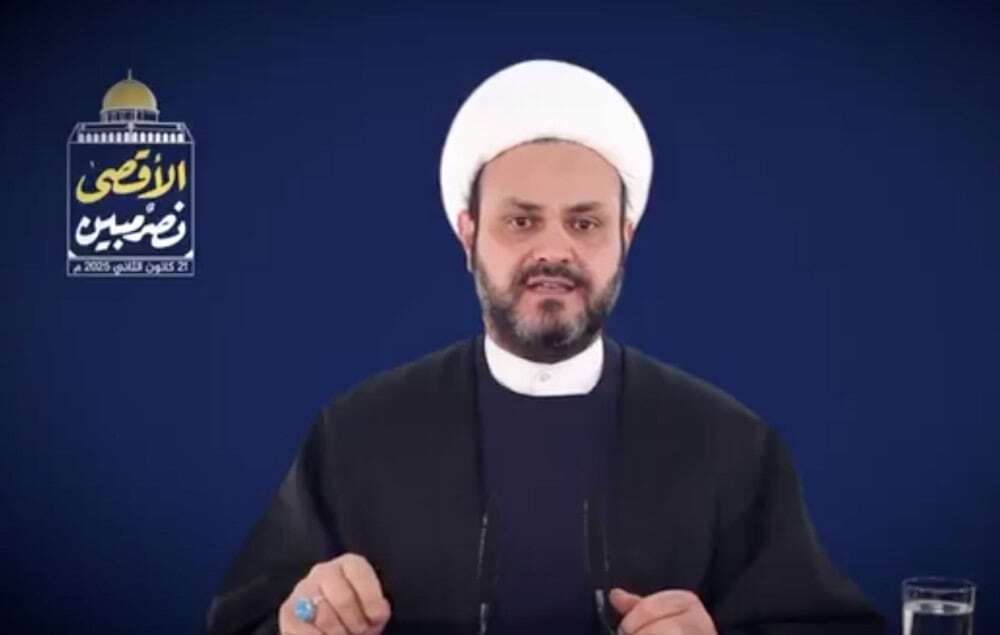
Iranian-backed militias in Iraq face an uncertain future
Pro-Iranian militias in Iraq, collectively part of the Hashd al Shaabi (Popular Mobilization Units), face increasing calls to place their arms under state control or lay them down entirely. The fall of the Assad regime, a new administration in Washington, and the Gaza ceasefire have put these groups under the spotlight in Iraqi politics.
-
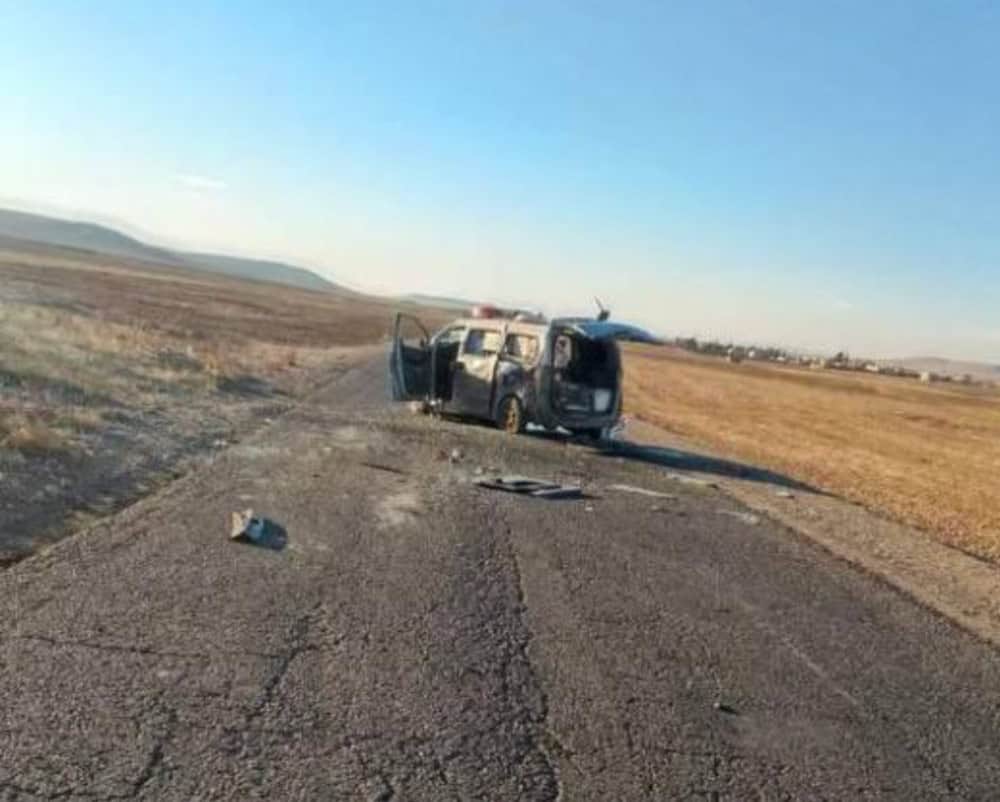
The strategic Tishrin Dam has become a flashpoint in post-Assad Syria
Clashes in Syria have increased at the Tishrin Dam, a strategic site on the Euphrates River around 30 miles south of the Turkish border controlled by the US-backed Syrian Democratic Forces. The Turkish-backed Syrian National Army, a collection of former Syrian rebel groups, has been seeking to take the dam since the fall of the Assad regime on December 8.
-
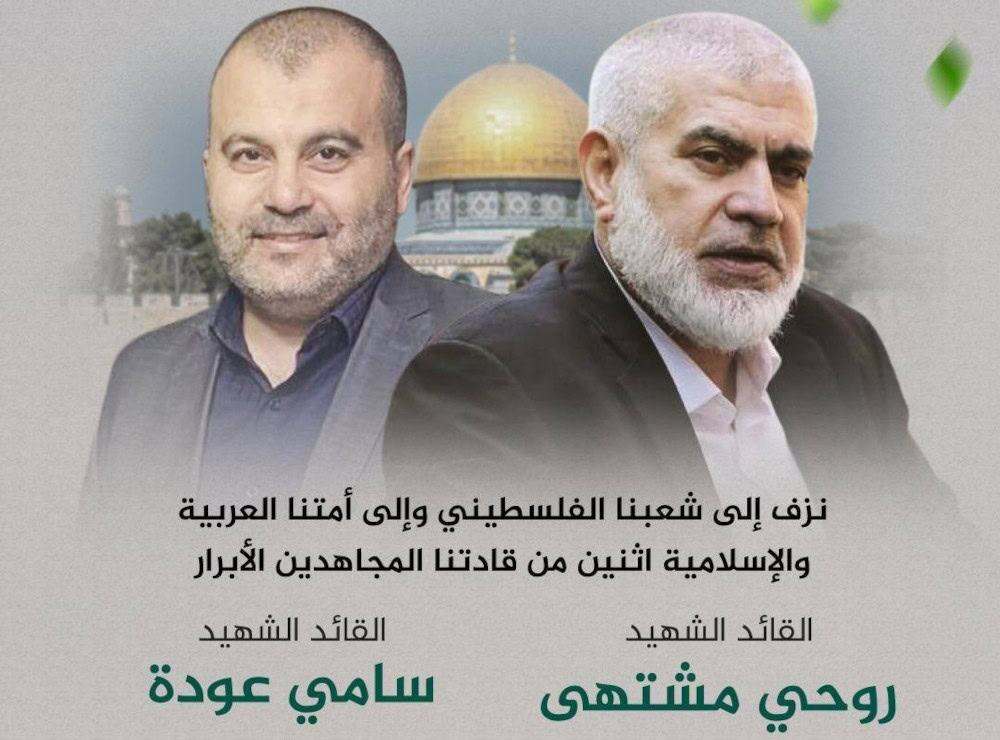
Analysis: Hamas begins to publish the names of its dead members
After mostly maintaining silence about the deaths of its members, Hamas has started to acknowledge their fate.
-
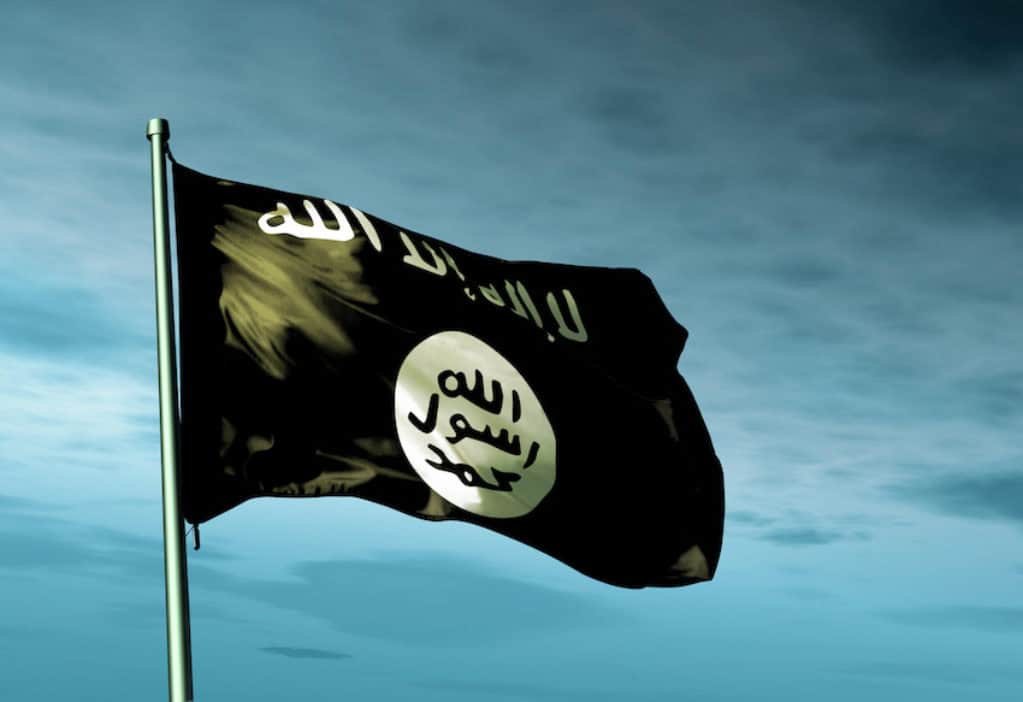
Analysis: Islamic State calls for jihad in Sudan
In its weekly Al Naba newsletter, the Islamic State made its most explicit call for jihad inside Sudan, referring to opposing sides of the country’s brutal civil war as infidels. Both the Islamic State and Al Qaeda have now called on Muslims in Sudan to take up arms for their respective organizations.
-
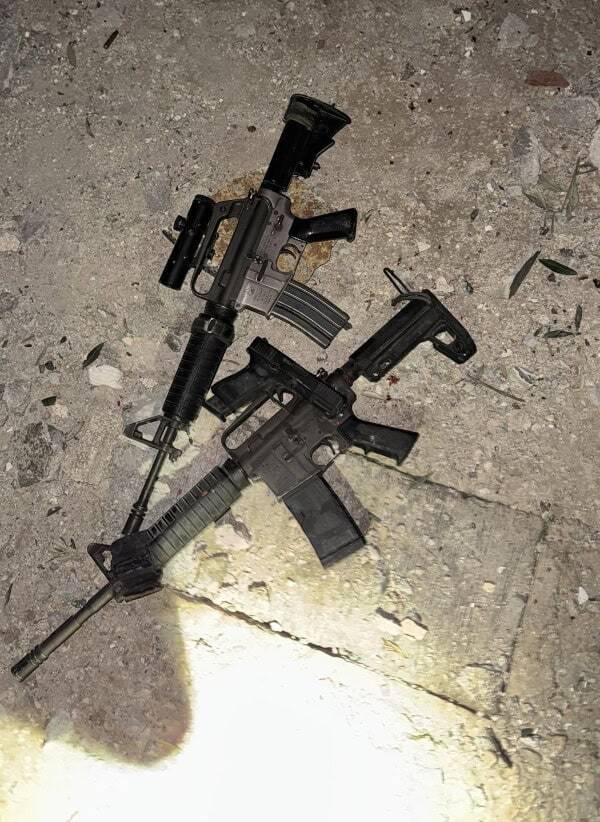
Analysis: Israeli forces eliminate two wanted West Bank gunmen
Israeli forces located and killed Muhammad Nazzal and Katiba Shalabi, both of whom were affiliated with Palestinian Islamic Jihad and wanted for the murder of three Israelis in the West Bank on January 6.
-
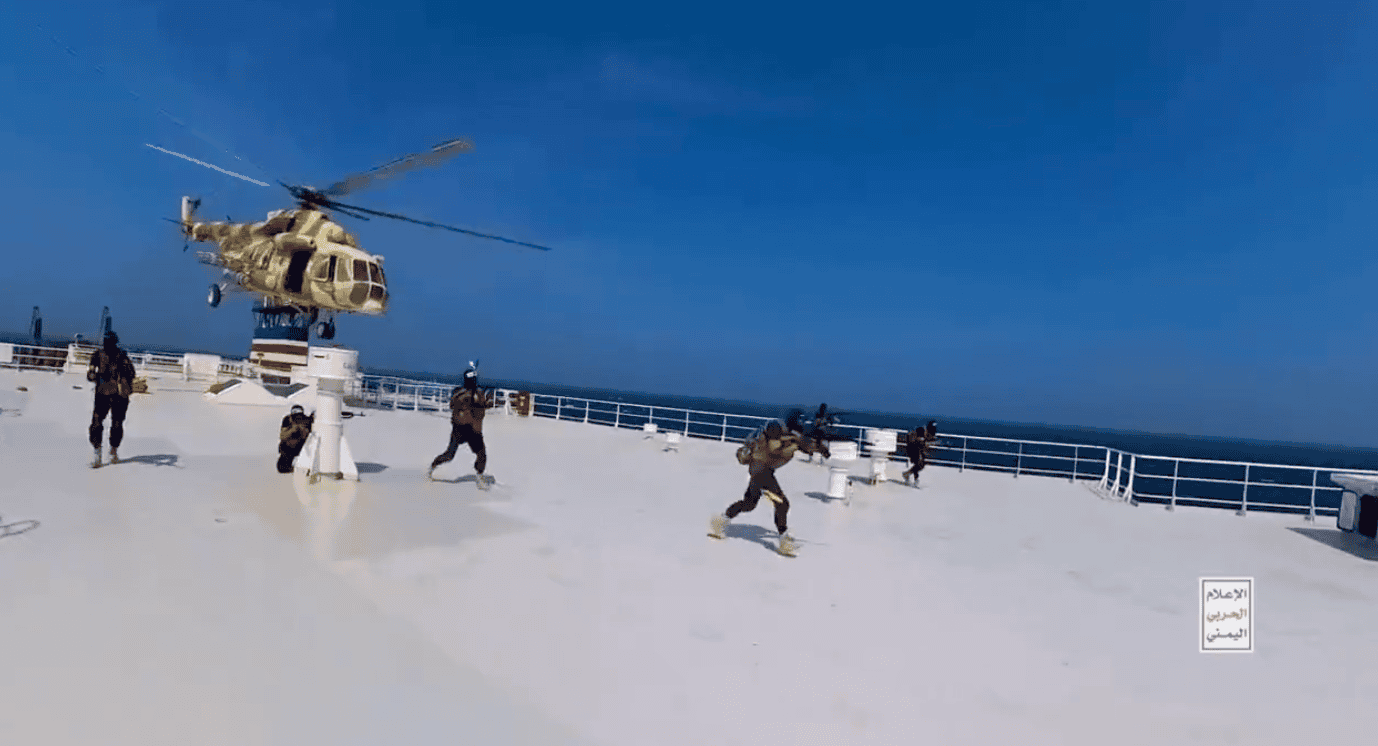
Trump administration re-designates Houthis as a Foreign Terrorist Organization
The Biden administration removed the Houthis from the list of Foreign Terrorist Organizations in 2021 and didn’t re-list the group despite over 15 months of missile and drone attacks on US naval forces, international shipping, and Israel. The Trump administration ordered re-listing the Houthis after two days in office.
-
Tehran’s pawns in Iraq
Bill is joined by show regular Edmund Fitton-Brown to discuss Edmund’s latest analysis for FDD’s Long War Journal: The role of Iraqi Shia militias as proxies in Iran’s Axis of Resistance.

-
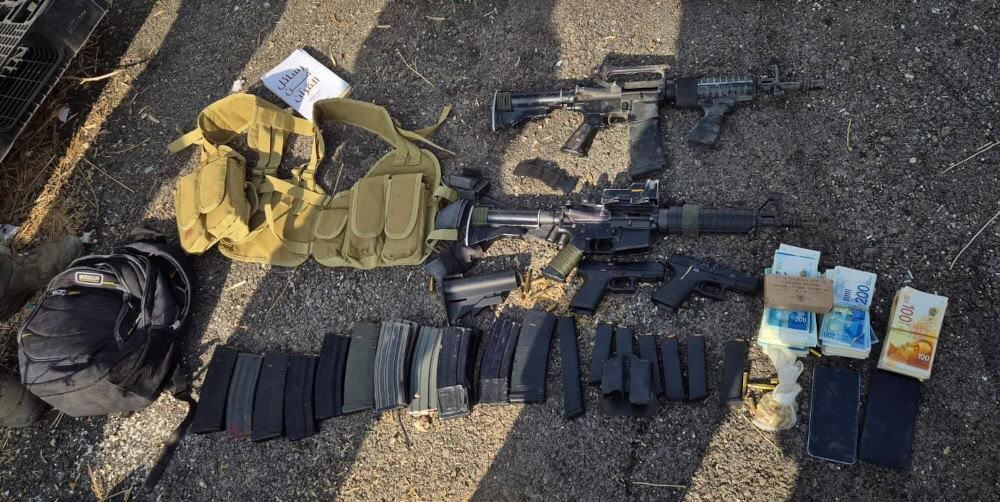
Analysis: West Bank terrorism persists, IDF launches operation in Jenin
West Bank terrorist groups are a persistent and evolving security challenge for Israel and the Palestinian Authority. These groups’ numbers, arsenals, and capabilities have expanded dramatically since an initial surge of terrorist activity in June 2021.
-
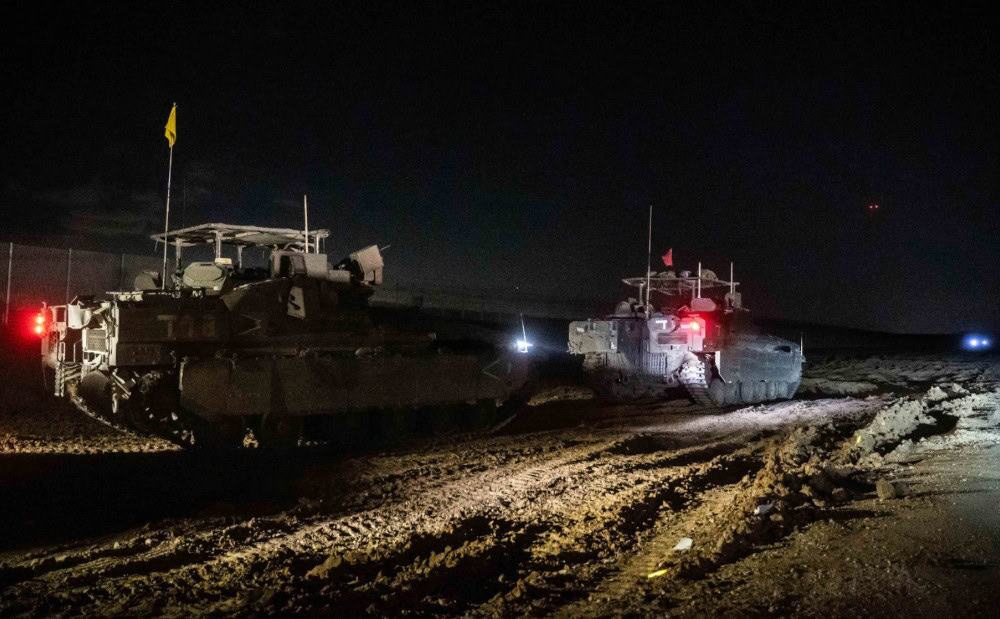
First hostages released, some IDF troops withdraw from Gaza as Israel-Hamas ceasefire begins
A ceasefire between Israel and Hamas began in Gaza on January 19. Hamas released three Israeli hostages on the same day, the first of 33 hostages expected to be freed during the first phase of the deal. Negotiations between Israel and Hamas will take place regarding subsequent phases of the agreement. The Israel Defense Forces (IDF) began withdrawing troops from northern Gaza, including the 162nd Division. IDF Chief of the General Staff Herzi Halevi submitted his resignation, taking responsibility for the failures during the October 7 attack on Israel.
-
Can Jon Schanzer make the hostage deal make sense?
Bill is joined by his FDD colleagues David Daoud and Jon Schanzer — who literally wrote the book on conflict in Gaza — to discuss the ceasefire and hostage deal that has just been reached between Israel and Hamas.
-
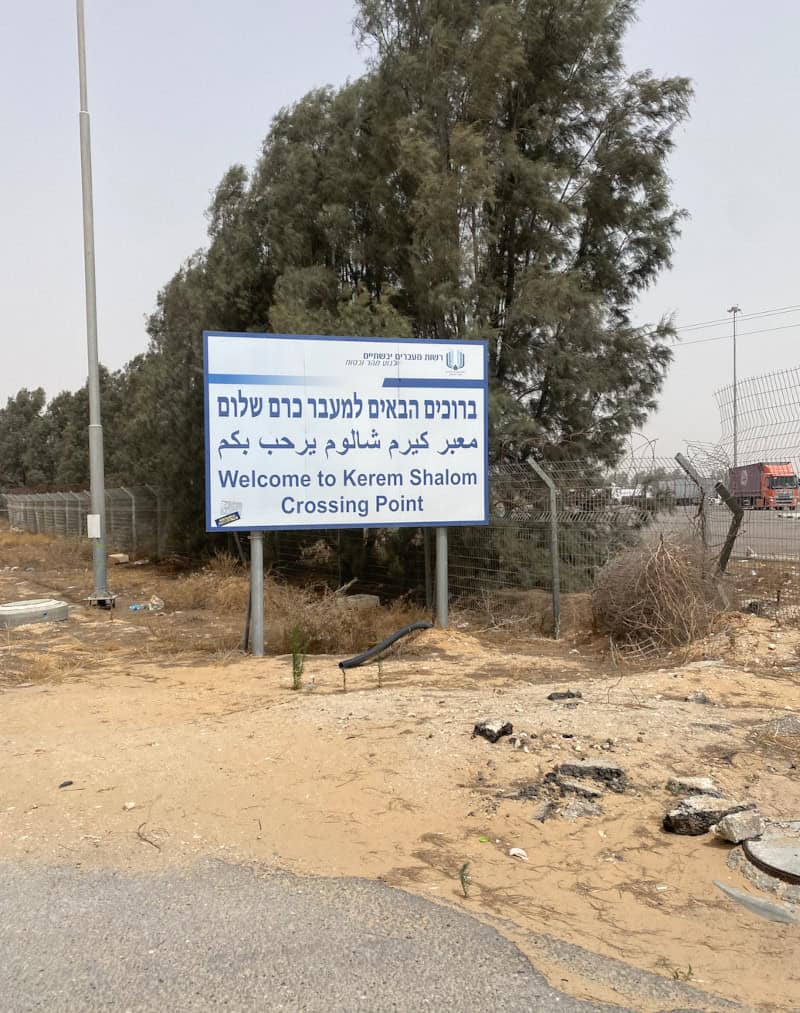
Israel moves forward with hostage deal
The Israel Defense Forces (IDF) is preparing for a hostage deal to be implemented with Hamas on January 19. It has set aside three sites where hostages may arrive when they leave Gaza, from which they will be transported to hospitals. The IDF is also preparing to redeploy units in Gaza to border areas and defensive positions. The 162nd Division in northern Gaza will withdraw from urban areas and secure the north, while the 99th Division is expected to withdraw from the Netzarim Corridor, according to Israeli media reports.
-
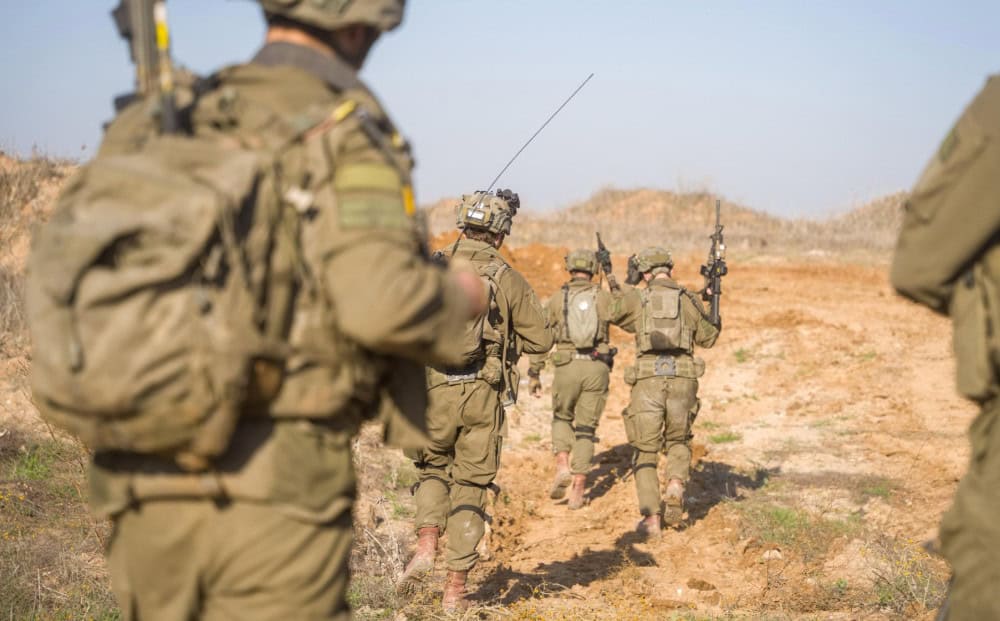
Israel prepares for hostage deal with Hamas
Israel is preparing for a deal that will see the release of Israeli hostages held by Hamas and a cessation of fighting in Gaza. Assuming the agreement goes into effect, it will occur in phases, with the first phase taking place over 42 days, in which 33 hostages will be released. In exchange, Israel will release more than 1,000 Palestinian prisoners. In subsequent phases, all the hostages held in Gaza, of which there are almost 100, some of whom are deceased, will be freed, and the Israel Defense Forces will withdraw from Gaza in stages.
-
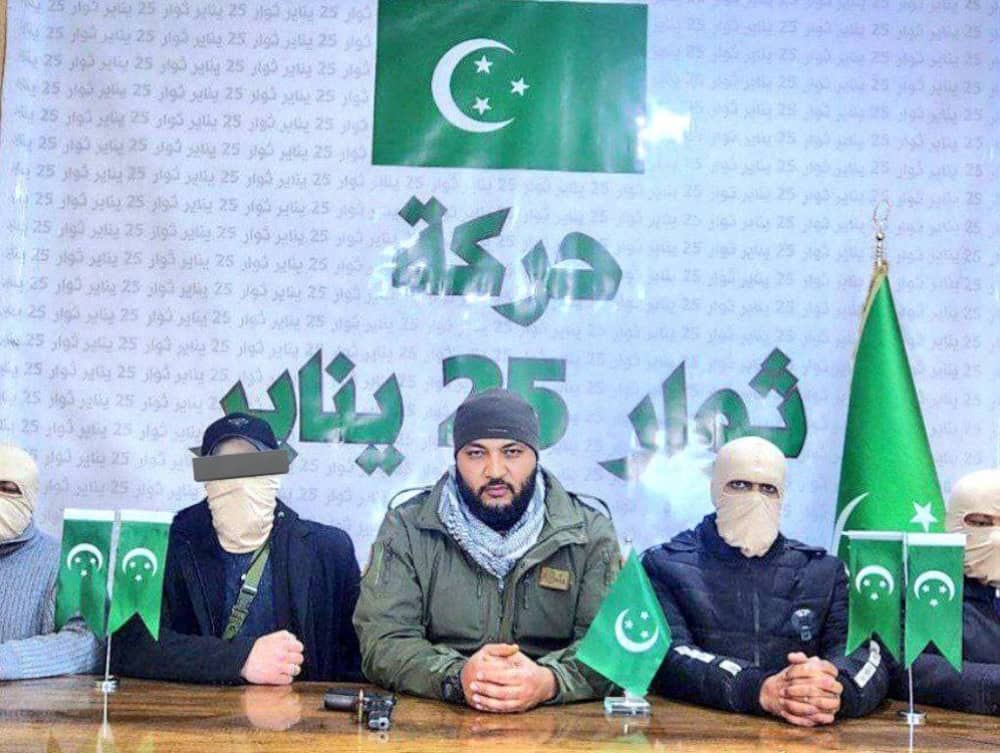
Former HTS fighter Ahmad Hammad al Mansour reportedly detained in Syria after threatening Egyptian president
Ahmad al Mansour, an Egyptian national and former member of Hayat Tahrir al Sham (HTS) in Syria, has reportedly been detained in Syria after threatening Egyptian President Abdel Fatah el Sisi. The Islamist militant is an Egyptian Naval Academy graduate with ties to the 2011 Egyptian revolution. Mansour left Egypt for Syria in 2013, where he joined Islamist rebel factions before aligning with HTS.
-
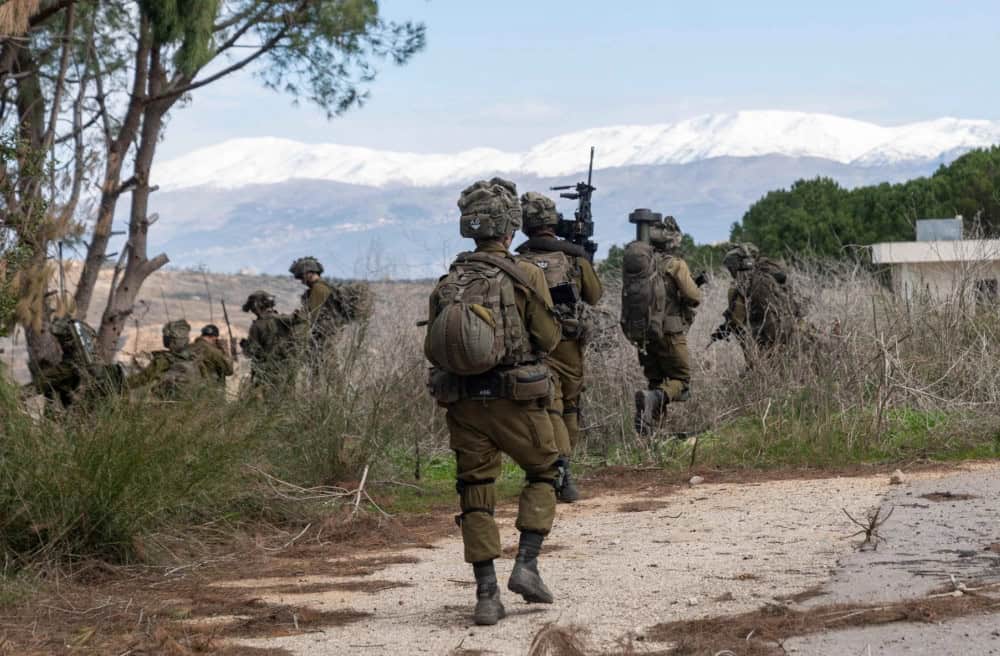
Israel strikes Hezbollah targets in Lebanon as ceasefire continues
Israel faces continued threats in Lebanon despite the recent ceasefire, which approaches the important milestone of its first 60 days. On January 13, the Israel Defense Forces (IDF) carried out strikes on several Hezbollah targets, “including a rocket launcher site, a military site, and routes along the Syria-Lebanon border used to smuggle weapons to Hezbollah.” Israeli troops also continued searching for weapons and dismantling terrorist infrastructure in southern Lebanon.
-
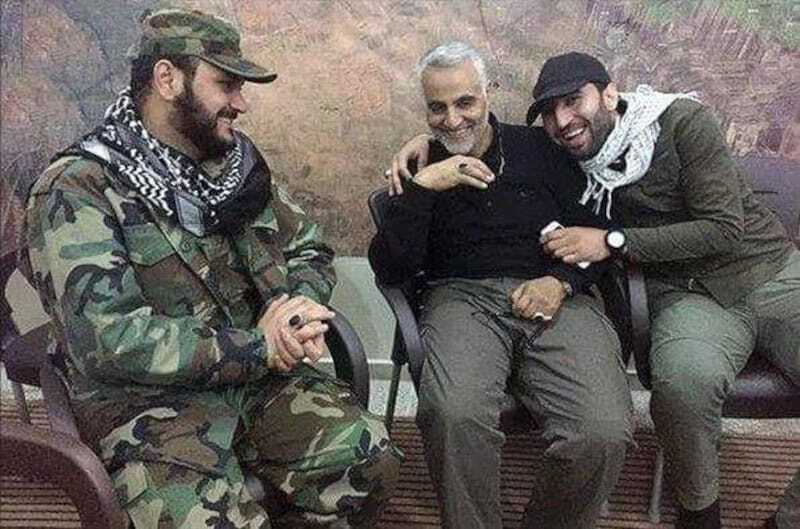
Analysis: The role of Iraqi Shia militias as proxies in Iran’s Axis of Resistance
Iraq’s Shia militias play a unique part in Iran’s Axis of Resistance and present distinct challenges for the US, Israel, and the Iraqi state. Notably, a more direct conflict between the militias and the US and Israel would imperil the Iraqi government’s ability to balance its relationships with Iran and the US, along with the country’s essential stability.
-
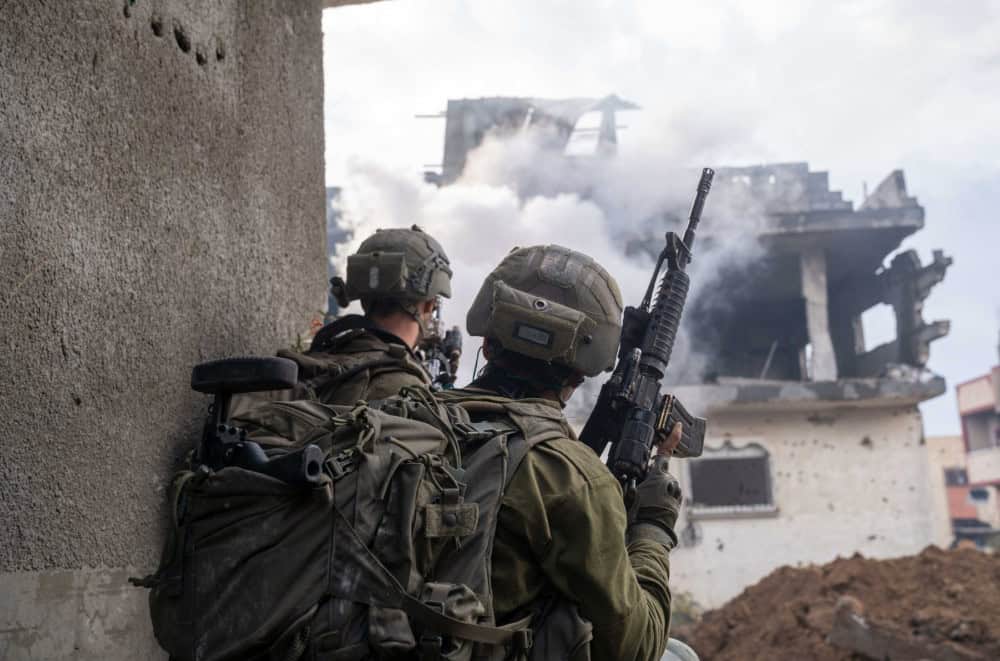
IDF faces growing threat from IEDs in northern Gaza
Seven Israel Defense Forces (IDF) soldiers were killed by improvised explosive devices in two recent incidents in northern Gaza. Israeli troops from the 401st Armored Brigade and Nahal Brigade are operating in Beit Hanoun to clear the area of threats. The Givati Brigade continues to fight in Jabaliya, while the IDF withdrew the Kfir Brigade from operations in northern Gaza.
-
Analysis: Ukraine, Russia trade attacks in Kursk while Russia takes Kurakhove
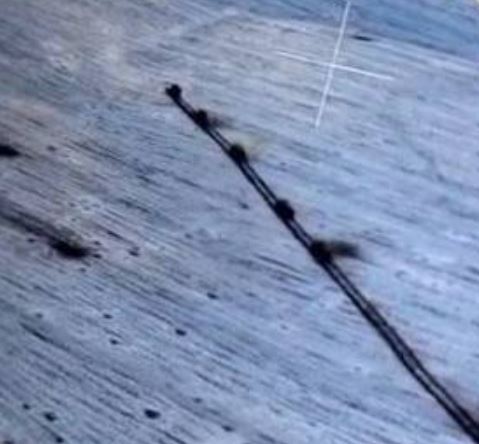
Russia and Ukraine traded attacks in the Kursk region this week as Moscow looks to continue clawing back its territory. Meanwhile, Russian forces appear to have taken the eastern city of Kurakhove but failed to encircle the Ukrainian forces there.
-
Analysis: Lebanon’s Mahan Air theater was meant to cover ceasefire deal non-performance
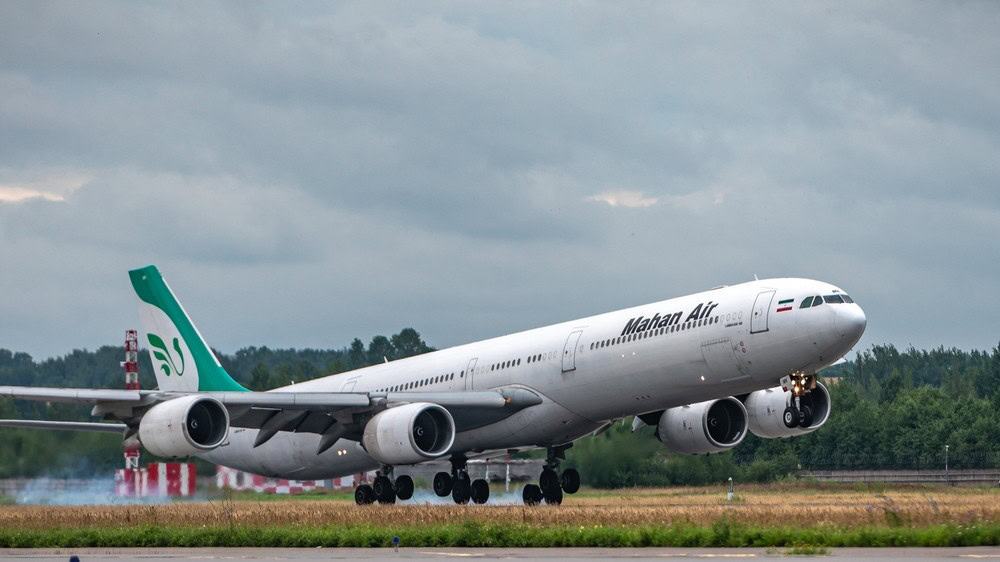
Lebanon did not thoroughly inspect a Mahan Air Flight suspected of carrying funds for Hezbollah. It engaged in an act of theater to deny Israel justification to resume fighting the group in light of Beirut’s failure to implement its obligations under the November 27, 2024, ceasefire agreement.
-
Syria’s new Minister of Justice: A profile of Shadi Mohammed al Waisi
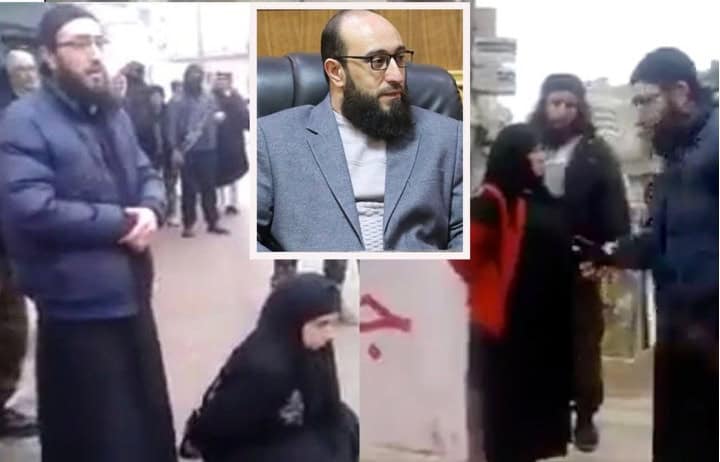
Shadi Mohammed al Waisi, Syria’s newly appointed Minister of Justice in the transitional government, has come under scrutiny after videos from 2015 surfaced showing him ordering executions while serving as a Jabhat al Nusrah judge. Born in Aleppo in 1985, he rose through the ranks of various sharia courts in rebel-held areas before the fall of Bashar al Assad in December 2024, issuing verdicts that included executions and amputations.
-
Analysis: Tehran’s triad: propaganda, proxies, and preparedness
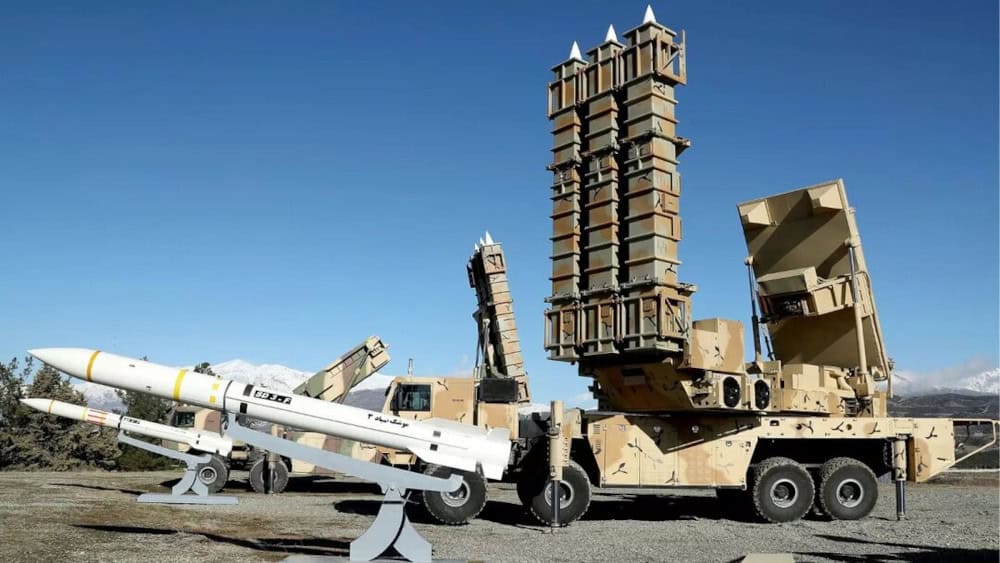
The Tehran regime faces significant challenges, including the diminished influence of its regional proxies and the potential for an Israeli strike on its nuclear facilities. In response, the Islamic Republic has devised a three-pronged strategy: bolstering morale through propaganda, conducting extensive military drills as a deterrent, and amplifying support for its remaining proxies.
-
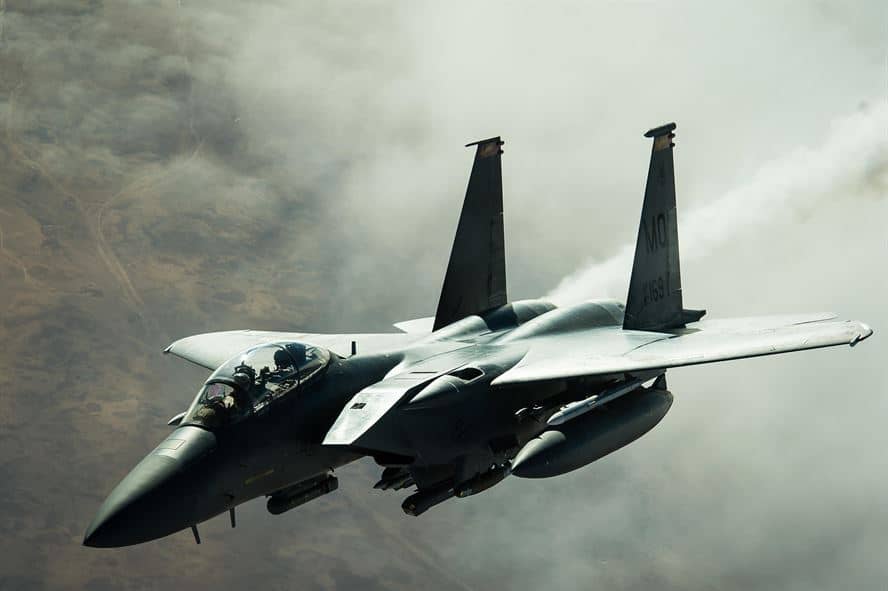
US continues to target the Islamic State in Iraq and Syria
The US military conducted a series of operations with “partner forces” in Iraq and Syria over the past week, part of a continuing effort to degrade the Islamic State and prevent it from filling the security vacuum left by the collapse of the Assad regime.
-
Profiles of the new Syrian military leadership, part 2
Beginning on Friday, January 3, the newly appointed minister of defense of the Syrian Interim Government, Murhef Abu Qasra, initiated a series of meetings with leaders of armed factions to discuss integrating these forces into a unified Syrian army. FDD’s Long War Journal has identified and profiled the majority of those in attendance.