-
Israel warns Hezbollah as attacks continue in north
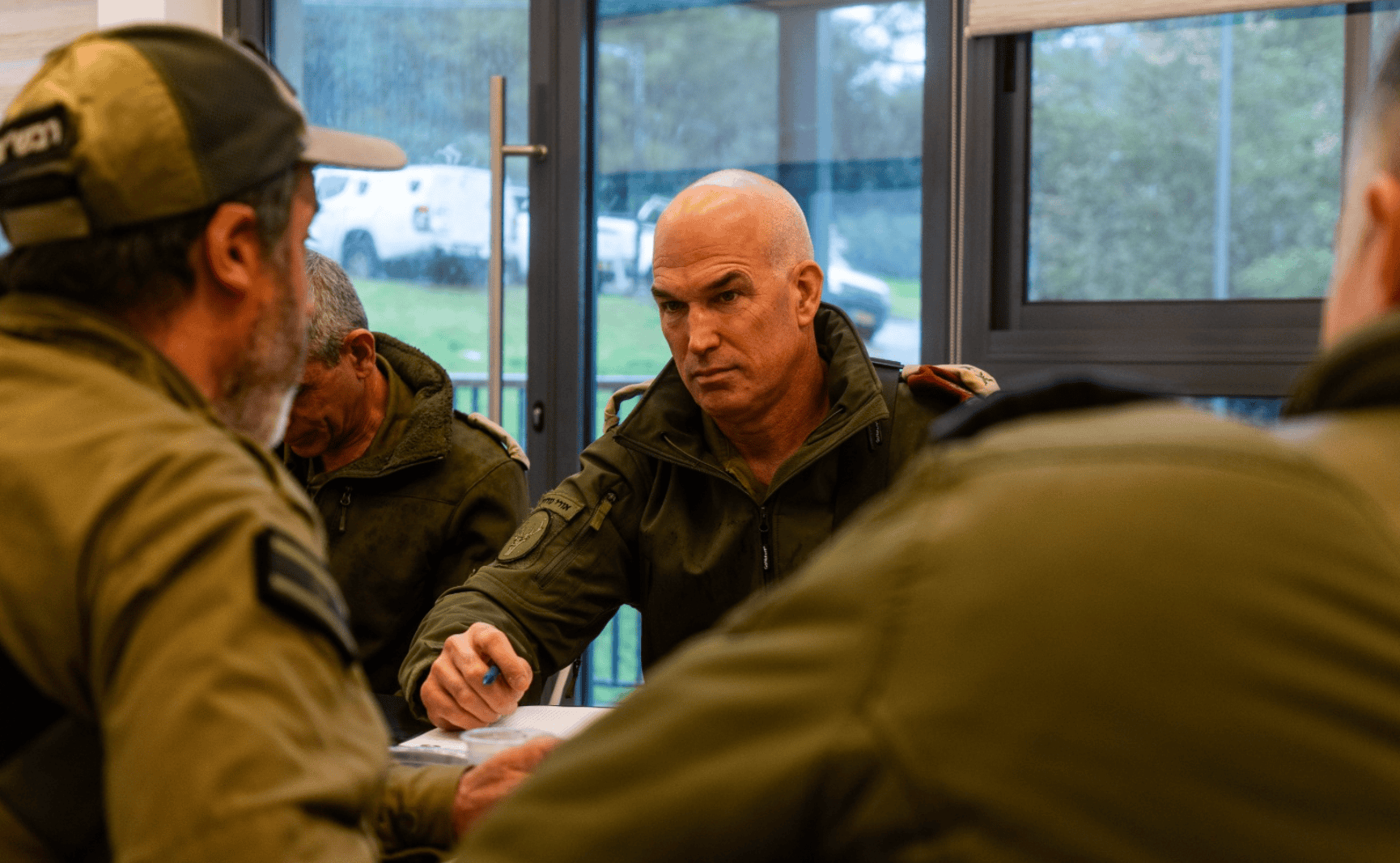
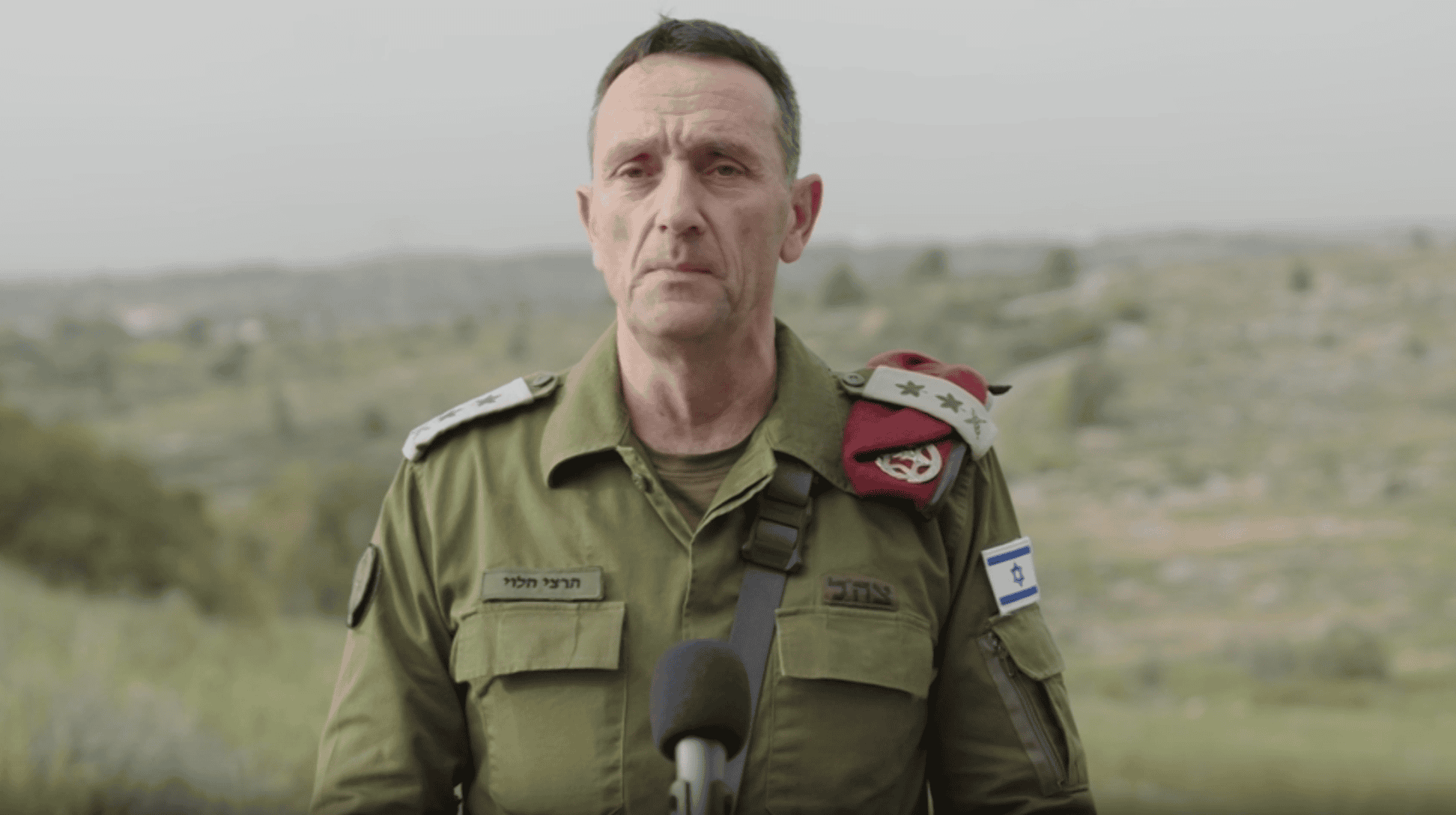
Israel responded to daily attacks by Hezbollah by targeting the group’s infrastructure using warplanes and artillery. Israeli Chief of Staff Herzi HaLevi said that Israel has damaged Hezbollah capabilities and that the Iranian-backed terrorist organization is paying a heavy price.
-
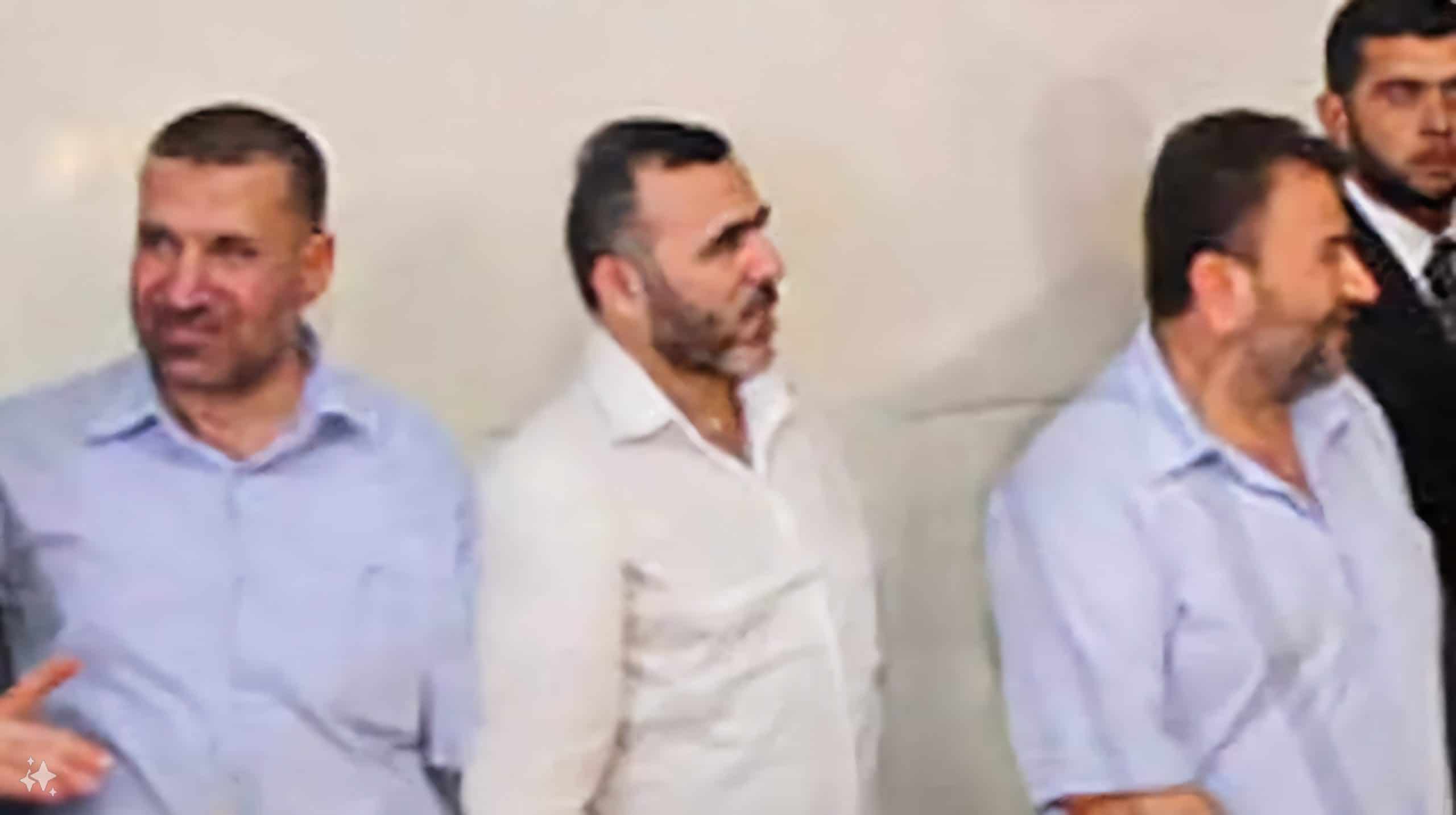
U.S. official confirms Israeli forces killed senior Hamas military leader Marwan Issa
The White House confirmed on Monday that Israel successfully targeted and eliminated senior Hamas figure Marwan Issa.
-
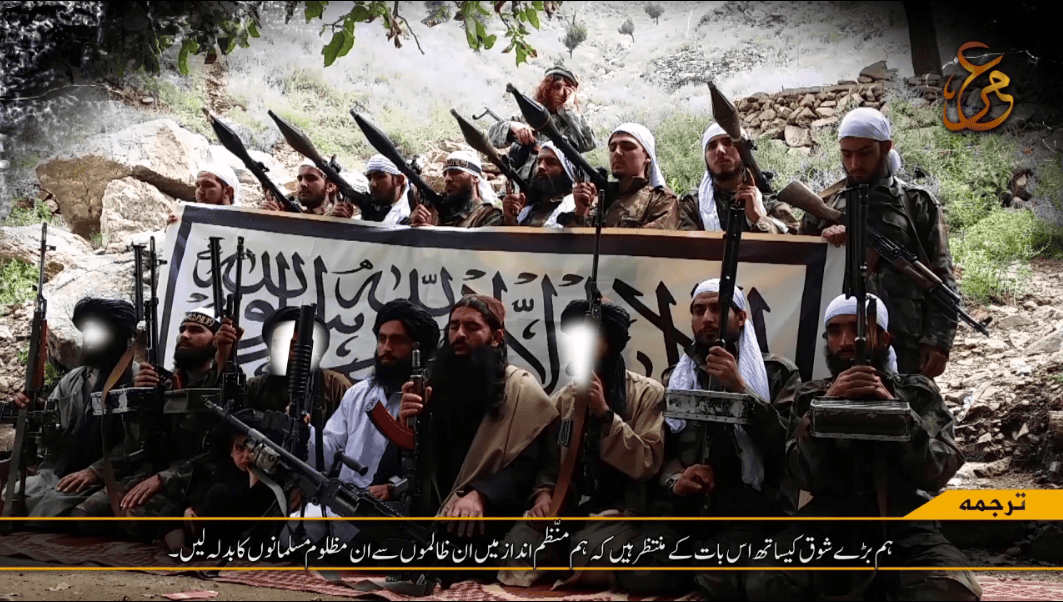
Pakistani military, Afghan Taliban exchange fire along the border
Whatever disputes the Pakistani state has with the Taliban, it is unlikely that its strategic depth with respect to India and strategic relations with the Taliban will be discarded for the lives of hundreds of Pakistani citizens.
-
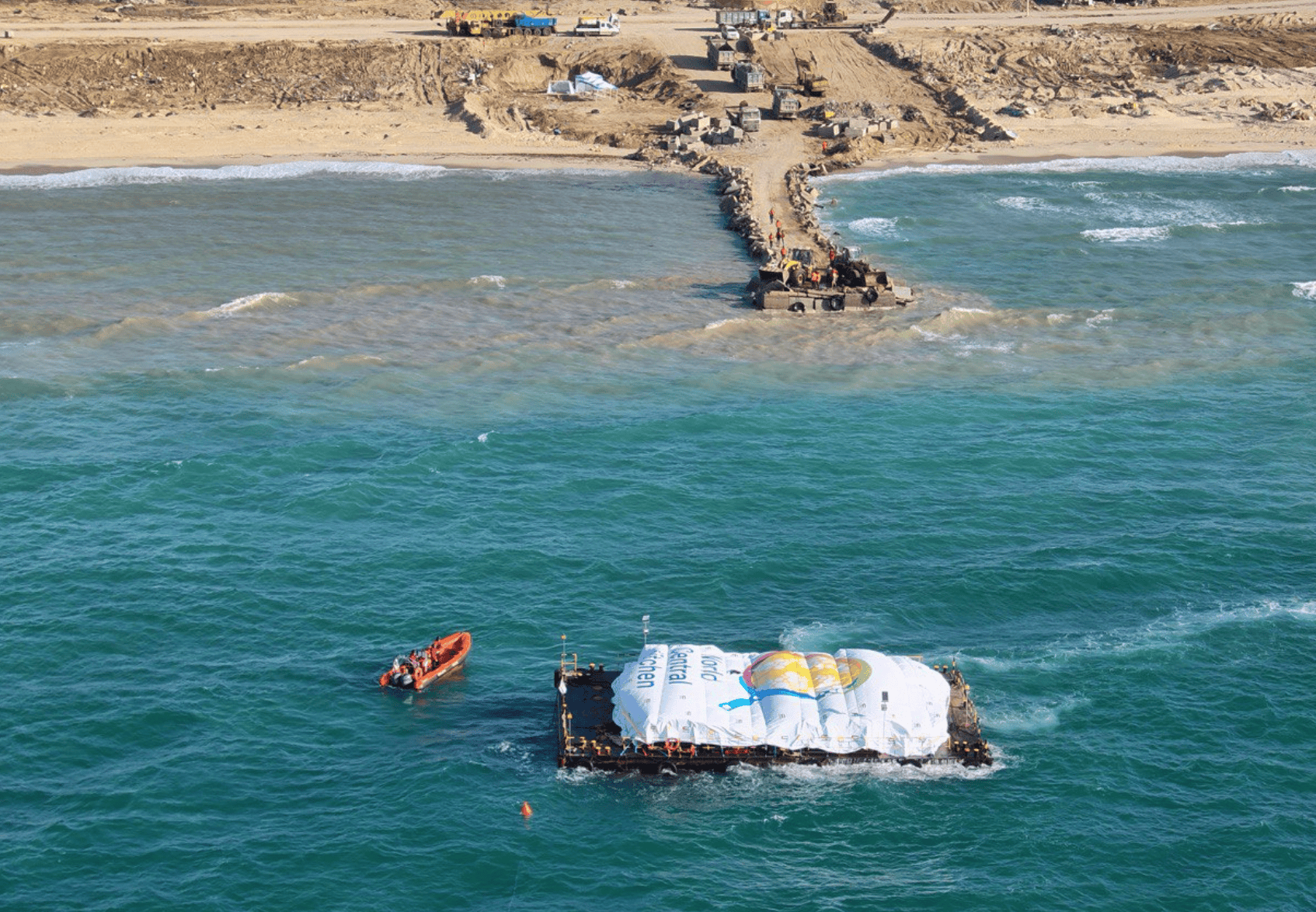
First maritime humanitarian aid delivery to Gaza
The first maritime shipment of aid was offloaded from a barge to trucks in Gaza on March 15, part of a wider effort to bring more humanitarian aid into Gaza in coordination with the Israel Defense Forces.
-
Generation Jihad Ep. 151 — They don’t pass out candy in war, but they do air-drop meals
Bill and Behnam catch up on recent headlines, including the statement made by a U.S. senator pushing for regime change (spoiler: he was not talking about Iran), reports of a high-level meeting between Iranian and Hezbollah officials, the Houthis continuing their maritime attacks, and more.
-
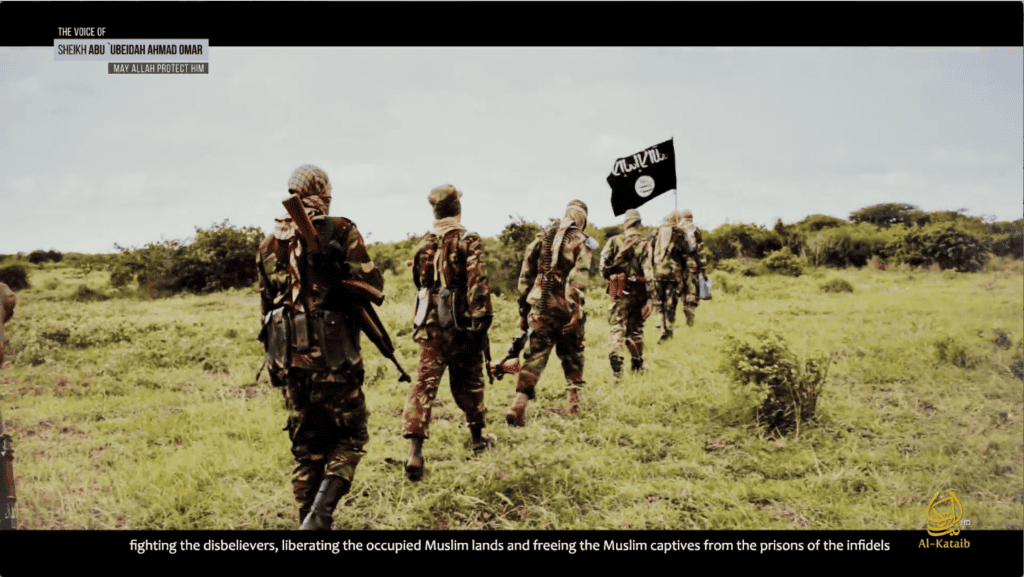
Shabaab retakes territory as the U.S. sanctions one of its money laundering networks
Shabaab continues to undo progress made against it in central Somalia; the United States continues to go after its financials and conducting periodic drone strikes against its forces.
-
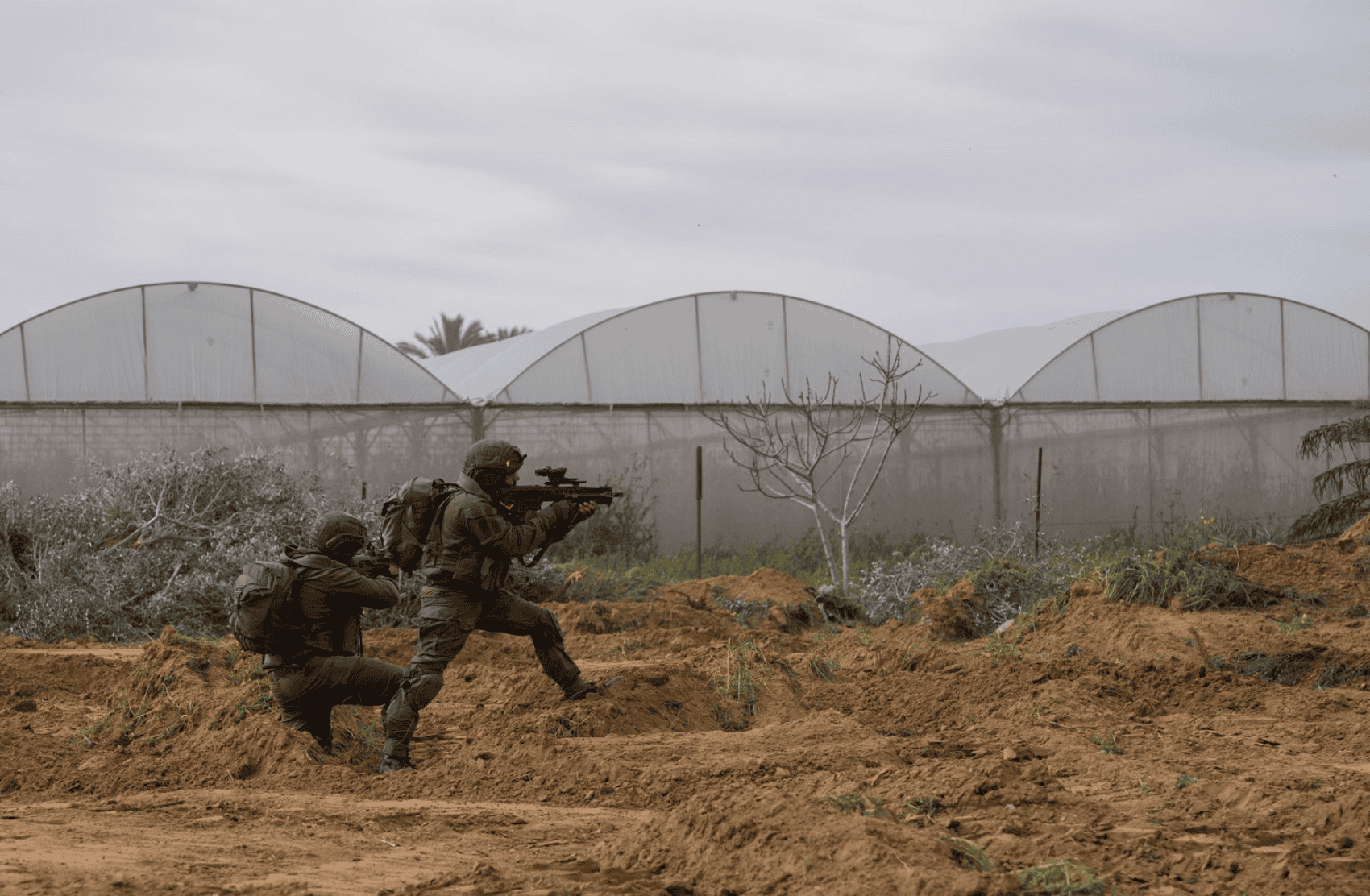
IDF targets Hamas leaders in Gaza
Israel targeted senior Hamas leaders, including Marwan Issa, the deputy of Mohammad Deif, in an airstrike overnight between March 10 and 11. Hamas continues to operate from the area of Nuseirat and other areas in the “central camps” area of Gaza, where the strike took place. Israel is still assessing the results of the strike, the IDF said on March 11.
-
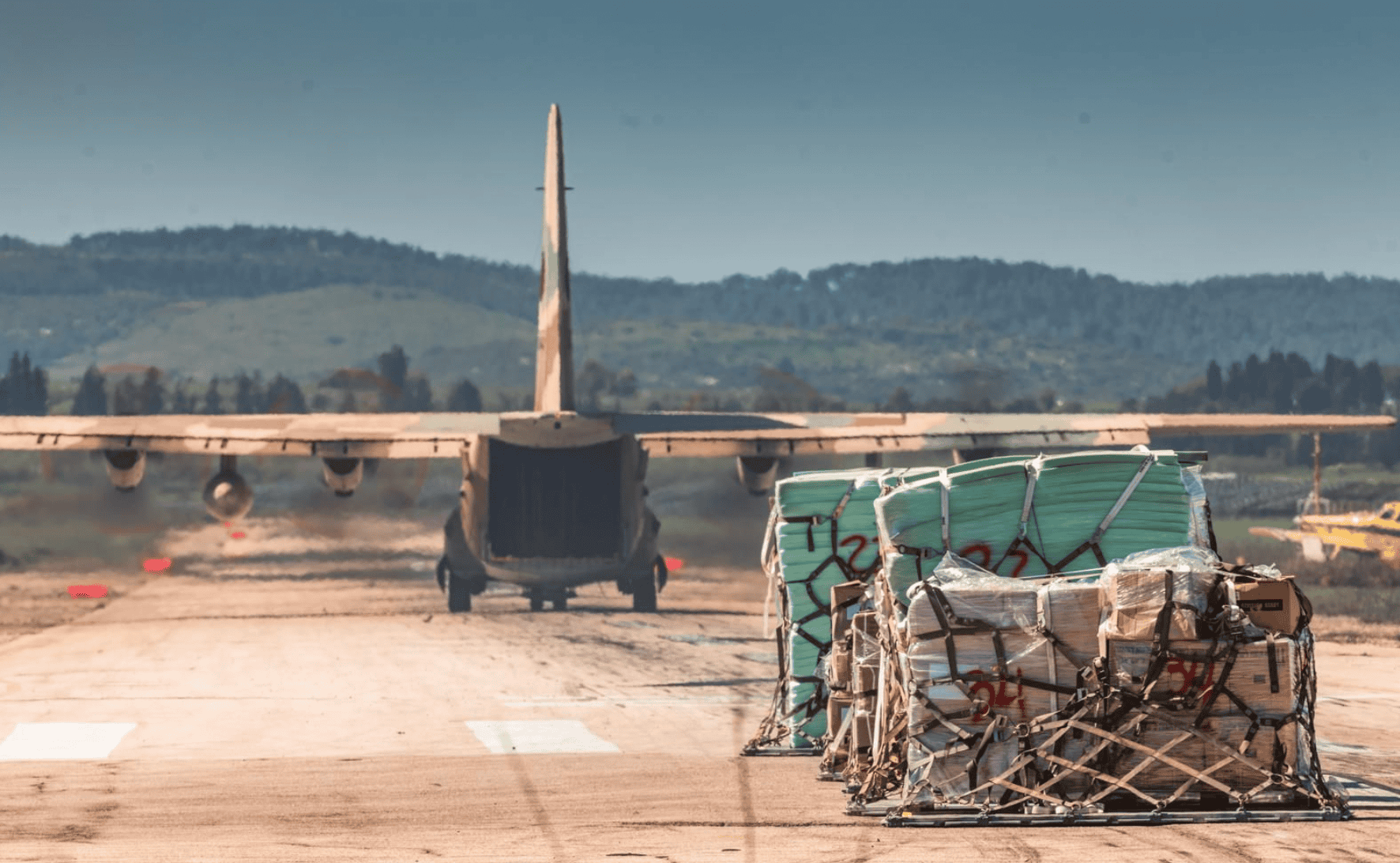
Israel targets Hezbollah drones
In addition to launching drone attacks, Hezbollah carried out dozens of missile attacks on Israel on March 10 and 11. The Israel Defense Forces responded by conducting airstrikes more than 80 miles inside Lebanon. The IDF practiced resupplying troops on the ground using C-130s.
-
Generation Jihad Ep. 150 — Red lines, ceasefires, and humanitarian aid piers
Bill and Joe unpack the undertaking of the pier to be built by the U.S. off the coast of Gaza for the purpose of distributing aid (but without boots on the ground?) including some of their general concerns like, “Who is the aid handed off to, Hamas? Who the hell is going to secure this thing?” They also discuss President Biden’s statement that Israel operating inside Rafah would be “a red line,” how Ramadan has started with no ceasefire in sight, and details surrounding a high-value target that Israel has gone after.
-
Al-Qaeda in the Arabian Peninsula names new emir; U.S. has $6 million bounty on his head
Al Qaeda in the Arabian Peninsula announced the sudden death of its previous emir, Khalid al-Batarfi, and named Sa’ad bin Atef al-Awlaki as his successor. The cause of Batarfi’s death is unknown.

-
Generation Jihad Ep. 149 — Welcome to Port Gaza?
David Daoud joins Bill to discuss President Biden’s announcement that the U.S. military will establish a functional port off the coast of Gaza for the purpose of distributing aid (what could possibly go wrong) as well as the state of Israel’s (increasingly multi-front) war.
-
Israel vows to press on against Hamas as conflict faces new hurdles
Israeli Prime Minister Benjamin Netanyahu vowed that Israel will continue its operations against Hamas in Gaza, including in Rafah near the Egyptian border. The US is also considering plans to create a temporary port in Gaza in order to supply humanitarian aid.
-
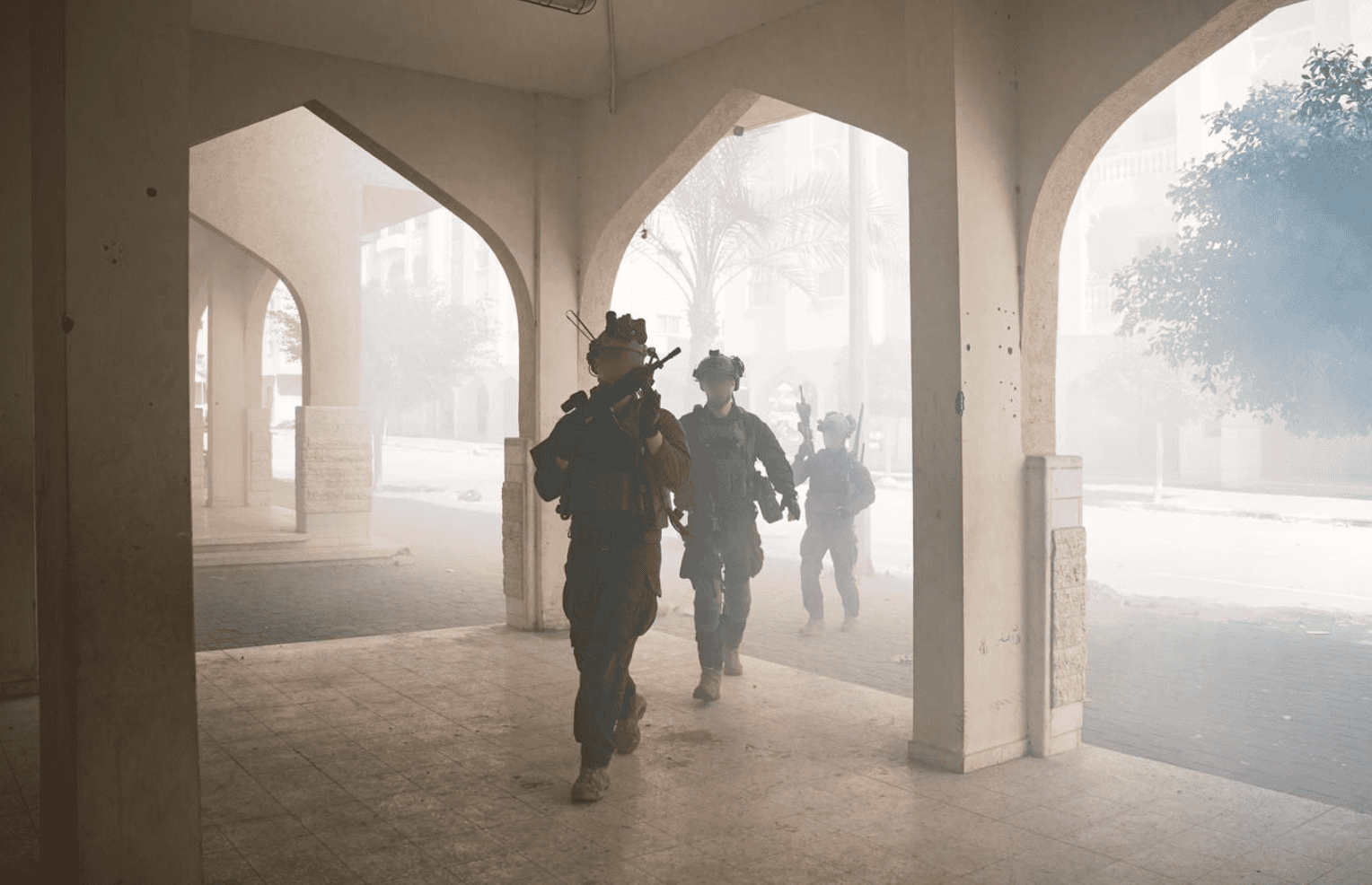
An IDF raid in Gaza spotlights Israel’s new strategy
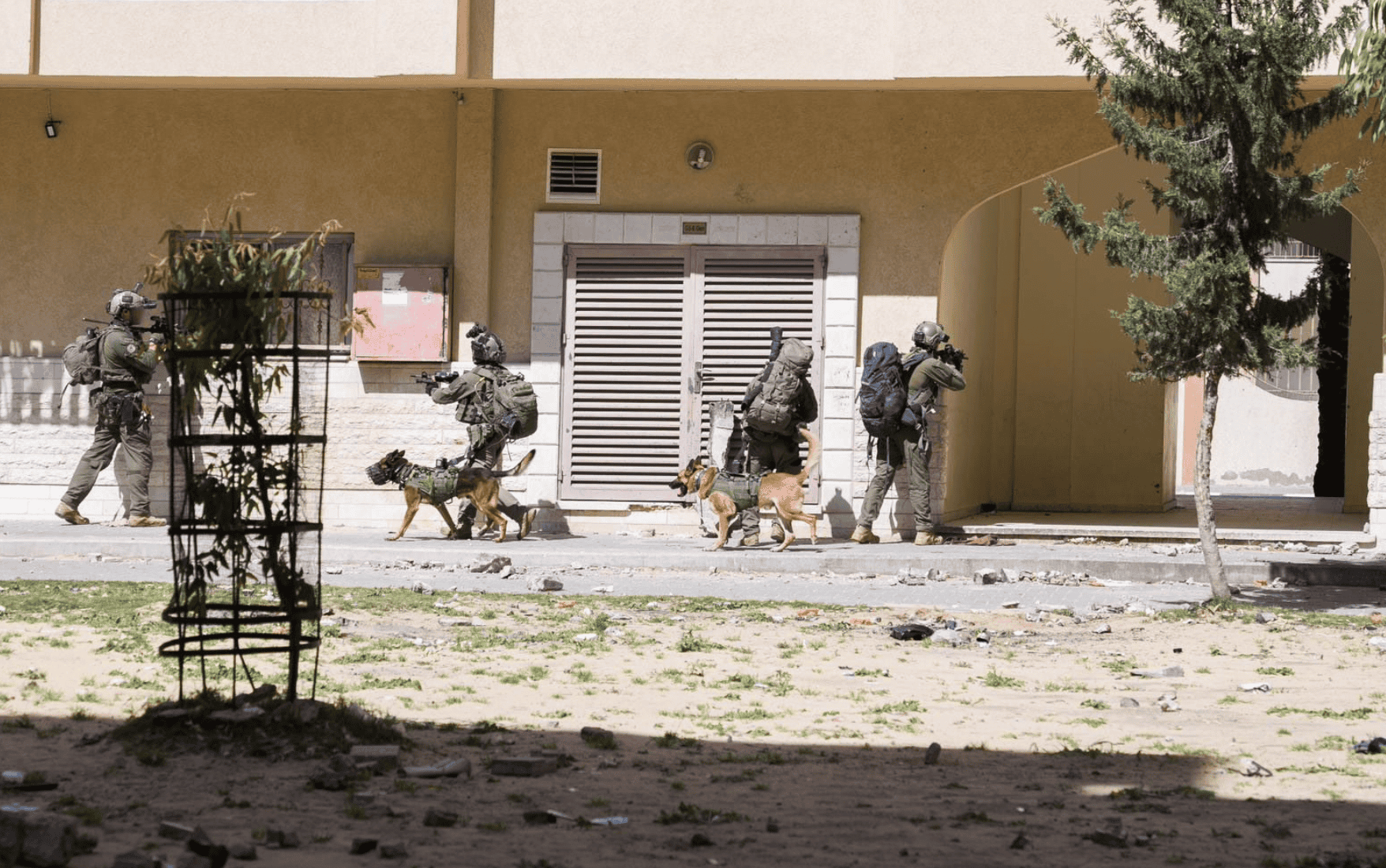
The Israel Defense Forces carried out an operation in the Hamad Towers area near Khan Younis and apprehended 250 terrorists. Weapons and terrorist infrastructure were found in the area. In northern Gaza, the IDF targeted Hamas in Beit Hanoun. These smaller, more precise operations illustrate Israel’s new tactics in Gaza.
-
Generation Jihad Ep. 148 — Ceasefire fallacies
Bill and Joe discuss Hezbollah continuing to turn up the heat at Israel’s northern border with an uptick in cross-border attacks amidst foreign fighters also emerging in Lebanon and while the U.S. increases its pressure on Israel to enter a ceasefire before Ramadan.
-
Hezbollah barrages of rockets target northern Israel
Hezbollah launched more than two dozen rockets at the northern Israeli city of Kiryat Shmona on March 5. The IDF retaliated with strikes on several Hezbollah sites in Lebanon. Israel’s Defense Minister Yoav Gallant met with US envoy Amos Hochstein.

-
Rocket fire by Hamas, Hezbollah targets Israel on two fronts
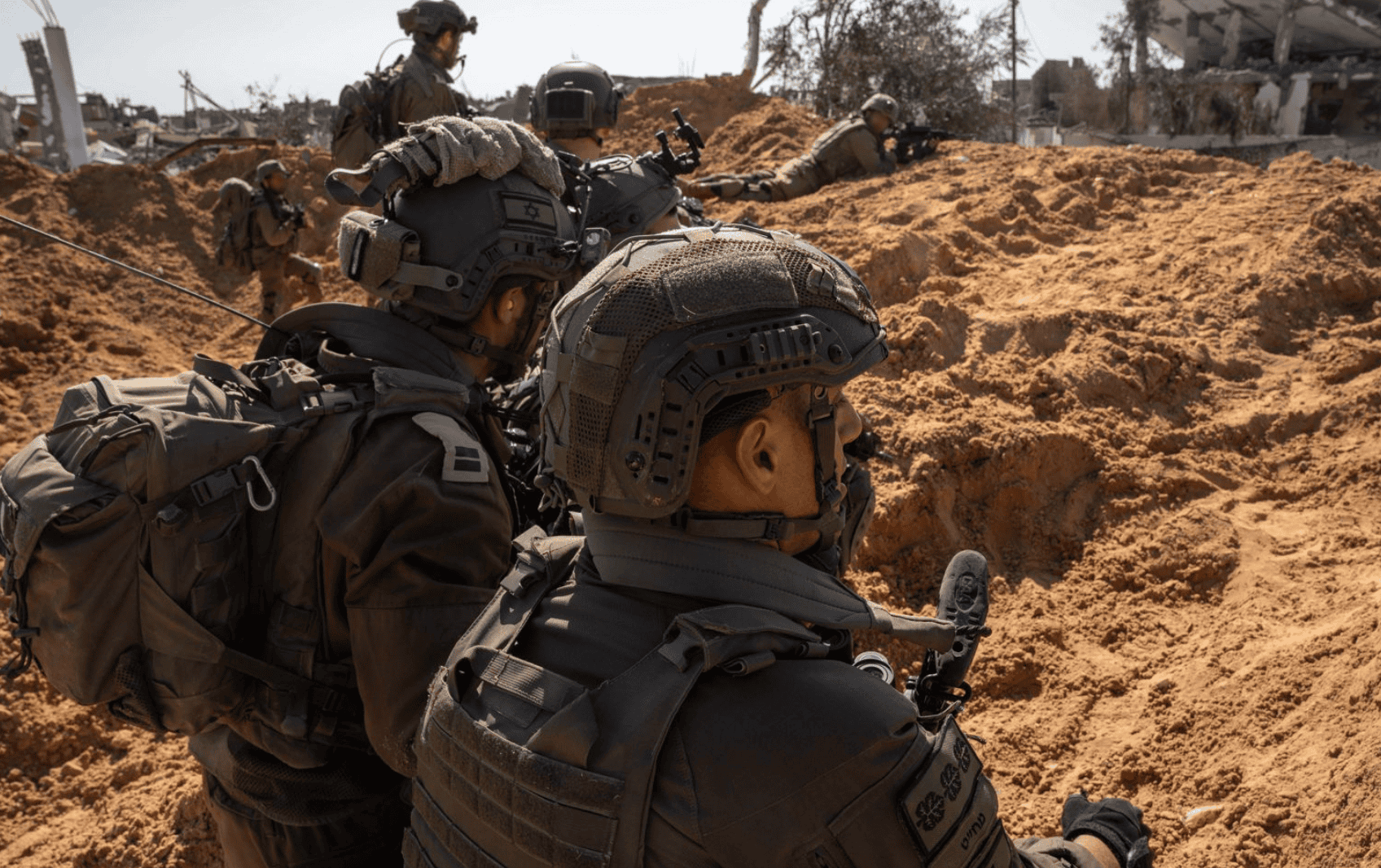
Hezbollah targeted a community in northern Israel, killing one person and wounding nine others. The IDF intercepted a drone launched from Lebanon, and the IDF retaliated for rocket attacks by Hezbollah. Sirens sounded in Sderot, a city on the Gaza border, one day after Israeli school children returned to school in the border community.
-
Foreign fighters are operating in Lebanon against Israel
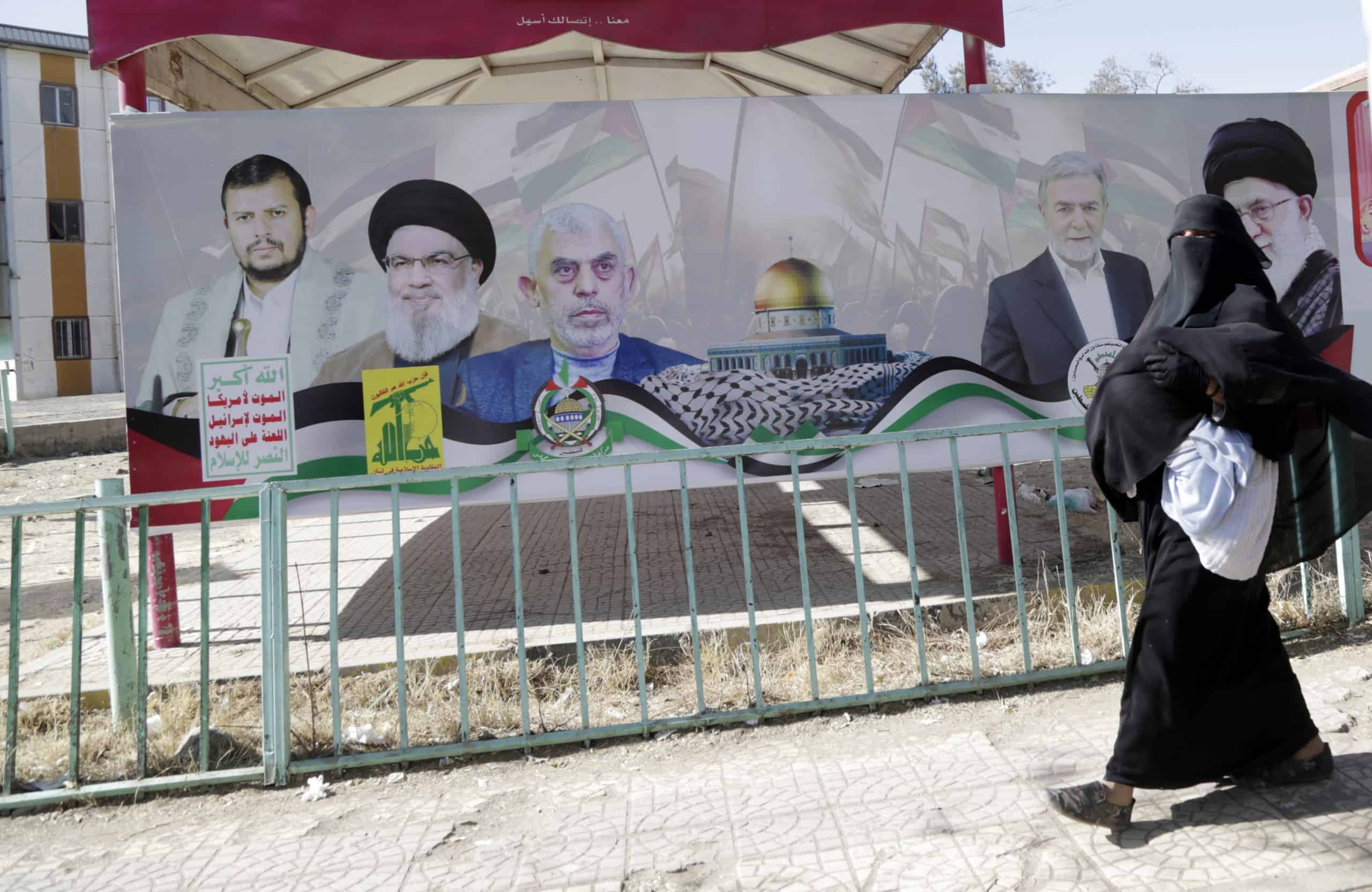
Evidence has emerged demonstrating that foreign fighters are operating in Lebanon against Israel.
-
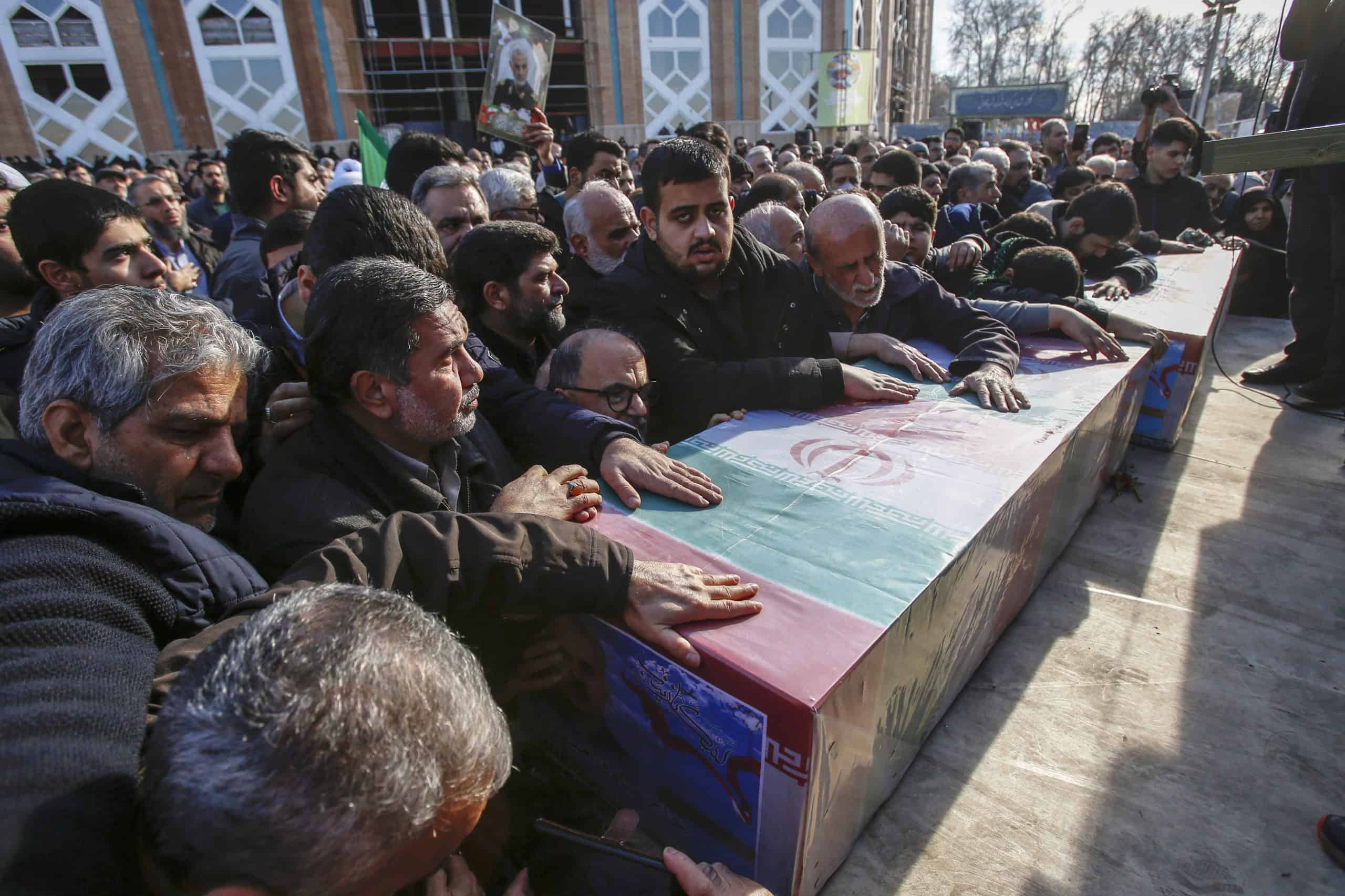
Reported Israeli airstrikes kill IRGC Navy advisor in Syria
Israel continues to attack IRGC advisor in Syria on almost a monthly base.
-
Generation Jihad Ep. 147 — Tehran slowly tightens its noose around the Middle East
Bill, Behnam and Joe discuss a few of this week’s biggest headlines including reports of Israel assassinating an IRGC advisor in Syria, escalation by Hezbollah at Israel’s northern border with Lebanon, and the results of Iran’s parliamentary elections.
-
Airdrops increase in Gaza as new method to deliver aid
Israel is coordinating with Jordan, the UAE, France, Egypt and the US to have humanitarian aid airdropped into Gaza. Jordan has carried out numerous airdrops since the war began, with France and the UAE recently joining Jordan and the US and Canada considering additional participation. Israel has used airdrops to supply its troops in Gaza and drop leaflets that warn civilians of areas to avoid.

-
Israel rotates units as Khan Younis battles continue
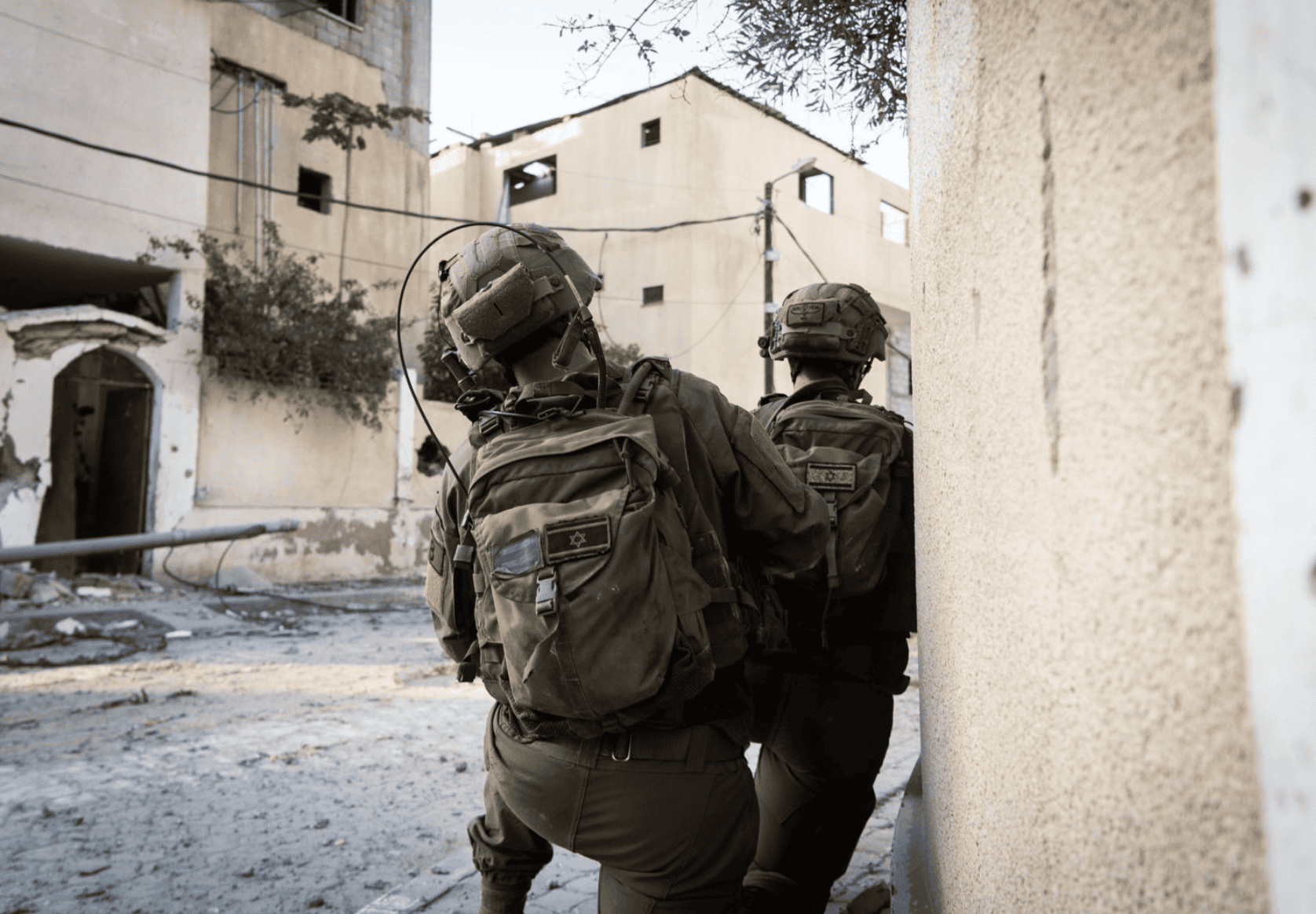
Israeli forces continue to operate in the southern Gaza city of Khan Younis to dismantle terrorist infrastructure and search for terrorists. The IDF redeployed a paratrooper unit and is rotating new forces into the city. Although fighting has become less intense in the last month, terrorist threats continue with the IDF discovering weapons caches and uncovering other threats daily.
-
Generation Jihad Ep. 146 — Update from Israel
Seth Frantzman is back on the show with Bill to provide an update from his perspective on the ground in Israel.
-
Israel faces less battles with Hamas in Gaza as next phase looms
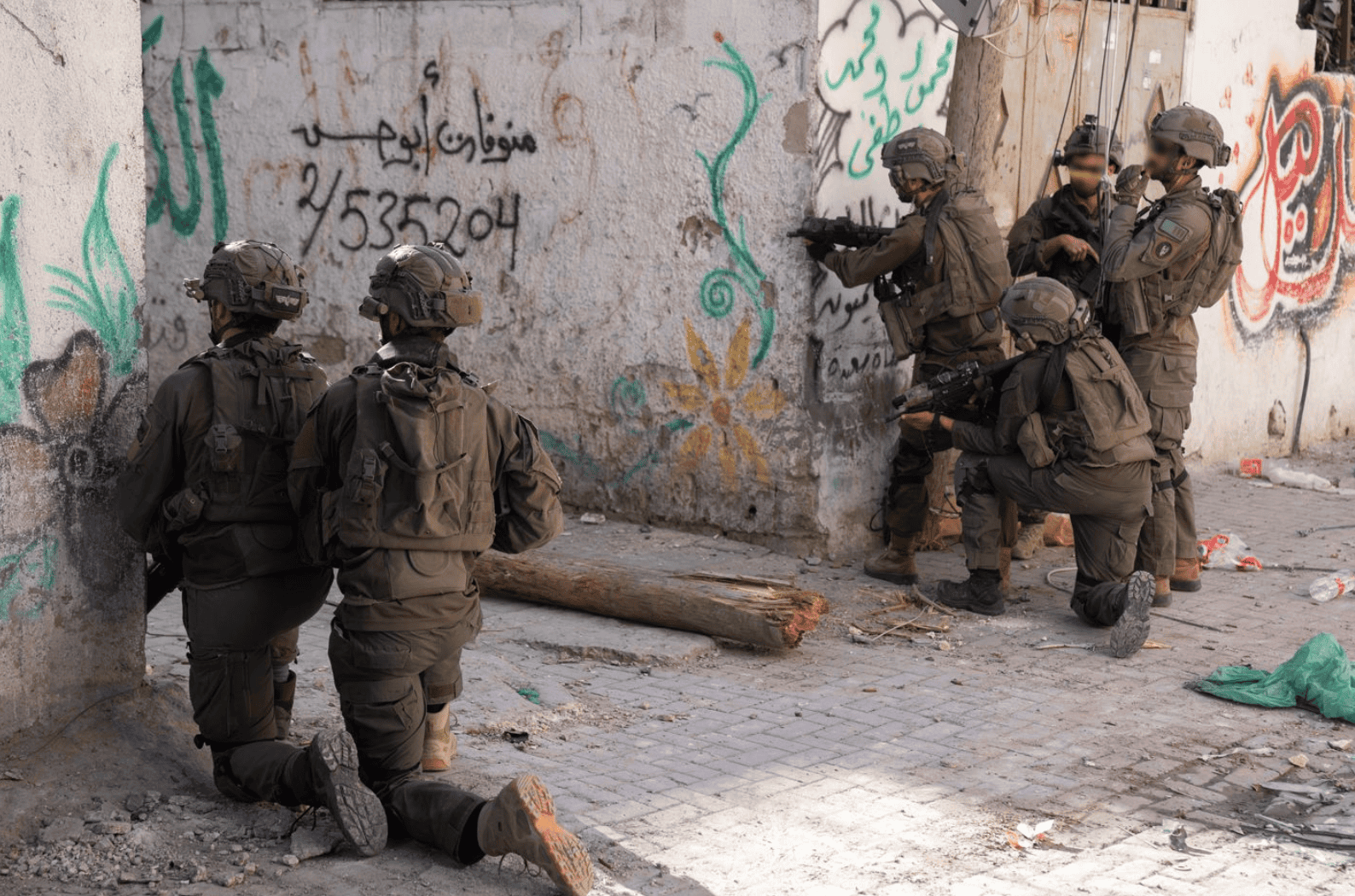
The Israel Defense Forces continue to operate in parts of Gaza. Fighting in recent weeks has become less intense with the IDF searching for Hamas terrorists in neighborhoods such as Khan Younis, Zaytun and central Gaza. With hostage talks ongoing and discussion of an Israeli operation in Rafah looming, the IDF is now operating at some of its lowest intensity in almost five months of war in Gaza.
-
Hezbollah escalates attacks on Israel
Hezbollah fired barrages of rockets at Israel on February 27, targeting a sensitive IDF military site on Mount Meron. One missile did strike the site, and the IDF retaliated. IDF Chief of Staff Lt. Gen. Herzi Halevi visited northern Israel and vowed that the IDF would operate against the ongoing threats.

-
Generation Jihad Ep. 145 — Israel is winning, but it hasn’t won yet.
Bill and Joe discuss the latest updates from Israel’s defensive war in Gaza, including a potentially dwindling supply of ammunition for Hamas and its subsequent cooperation with other Palestinian terror groups; Egypt “fortifying” its border (but only above-ground and only because they want to keep Gazans out); whether Yahya Sinwar is still hiding out in a tunnel somewhere under Khan Younis (“with pneumonia”); the possibility and consequences of a ceasefire during Ramadan; and why Israel is indeed “winning” but will only win if it to continues its ground operation in Gaza, including in Rafah.
-
Breaking down Hezbollah’s rocket strategy: the Short-Range Threat
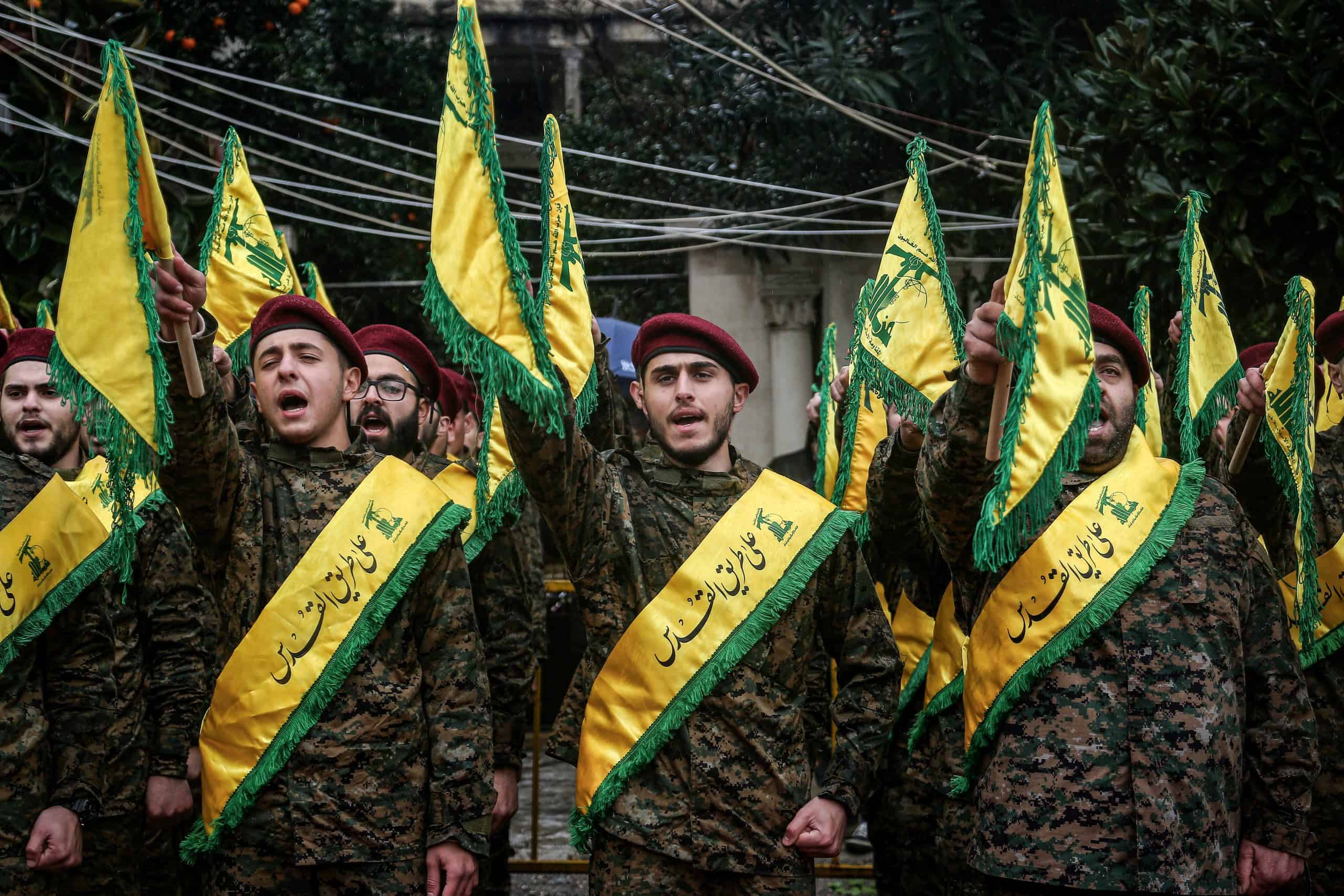
“Hezbollah has spent nearly two decades amassing a massive arsenal of short-range projectiles. Israel’s defensive systems are insufficient to contend with this threat, and the mobility of this portion of Hezbollah’s arsenal will likewise render Israeli standoff firepower ineffective against it — leaving Israel with no option but to launch an overwhelming, massive, and immediate ground invasion”
-
Generation Jihad Ep. 144 — Battlefield innovation by Iran and proxy: “Expect more not less”
Bill and Behnam discuss reports of Iran sending ballistic missiles to Russia and the potential for subsequent U.S. sanctions on Tehran (and why that’d be insufficient); why the head of the IRGC Quds Force allegedly paid a recent visit to Iraq; an update on the Houthi-Gulf of Aden-Bab al Mandeb-Red Sea theater, including a new underwater drone threat and why if we happen to see the Iranians “de-escalate” in one theater it’s because they’re preparing to escalate in another (and not because they’ve been “deterred”).
-
Israeli Navy exercise occurs as Israel looks to threats in the north and Red Sea
Israel’s navy conducted a drill aimed toward “readiness in the northern arena” as threats from Hezbollah continue. The navy practiced countering drone threats and refueling at sea. Israeli aircraft struck Hezbollah terrorist infrastructure in Lebanon and Israel’s Arrow air defense system intercepted a ballistic missile fired by the Houthis in Yemen on February 22.

-
Israel looks to ‘day after’ in Gaza
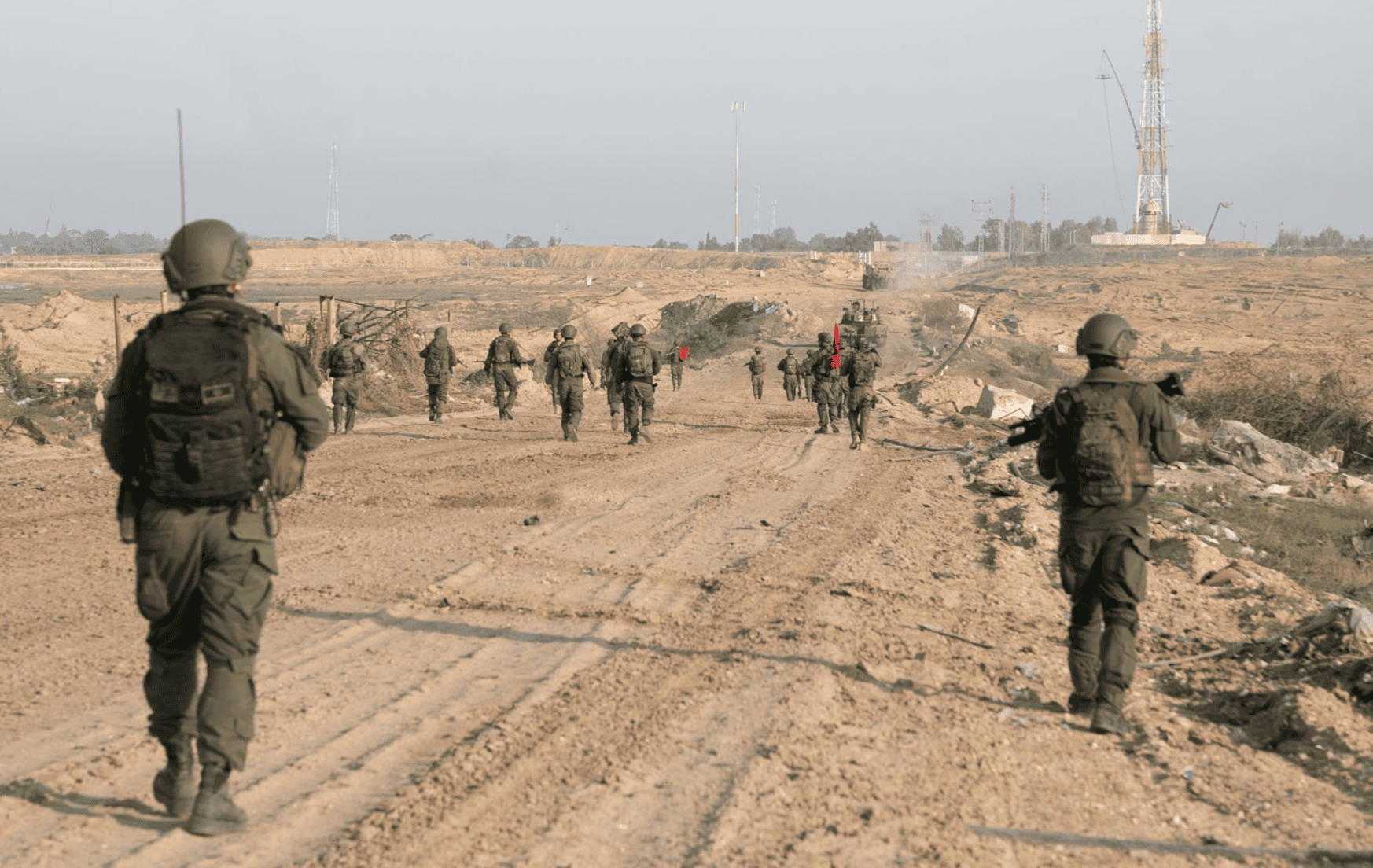
Israeli Prime Minister Benjamin Netanyahu presented a ‘day after’ plan to Israel’s security cabinet which aims to demilitarize Gaza and enable locals to control civil affairs. Meanwhile inside Gaza, Israeli forces have created a security corridor south of Gaza City.
-
Hezbollah increases attacks on northern Israel
Hezbollah carried out multiple rocket, drone and ATGM attacks on Israel between February 19 and 21. New reports revealed Hezbollah concerns about Hamas operations in Gaza as well as insights into Hezbollah’s decision to not launch a larger war in early October.