-
Analysis: Spy surge: Tehran’s espionage strategy against Israel
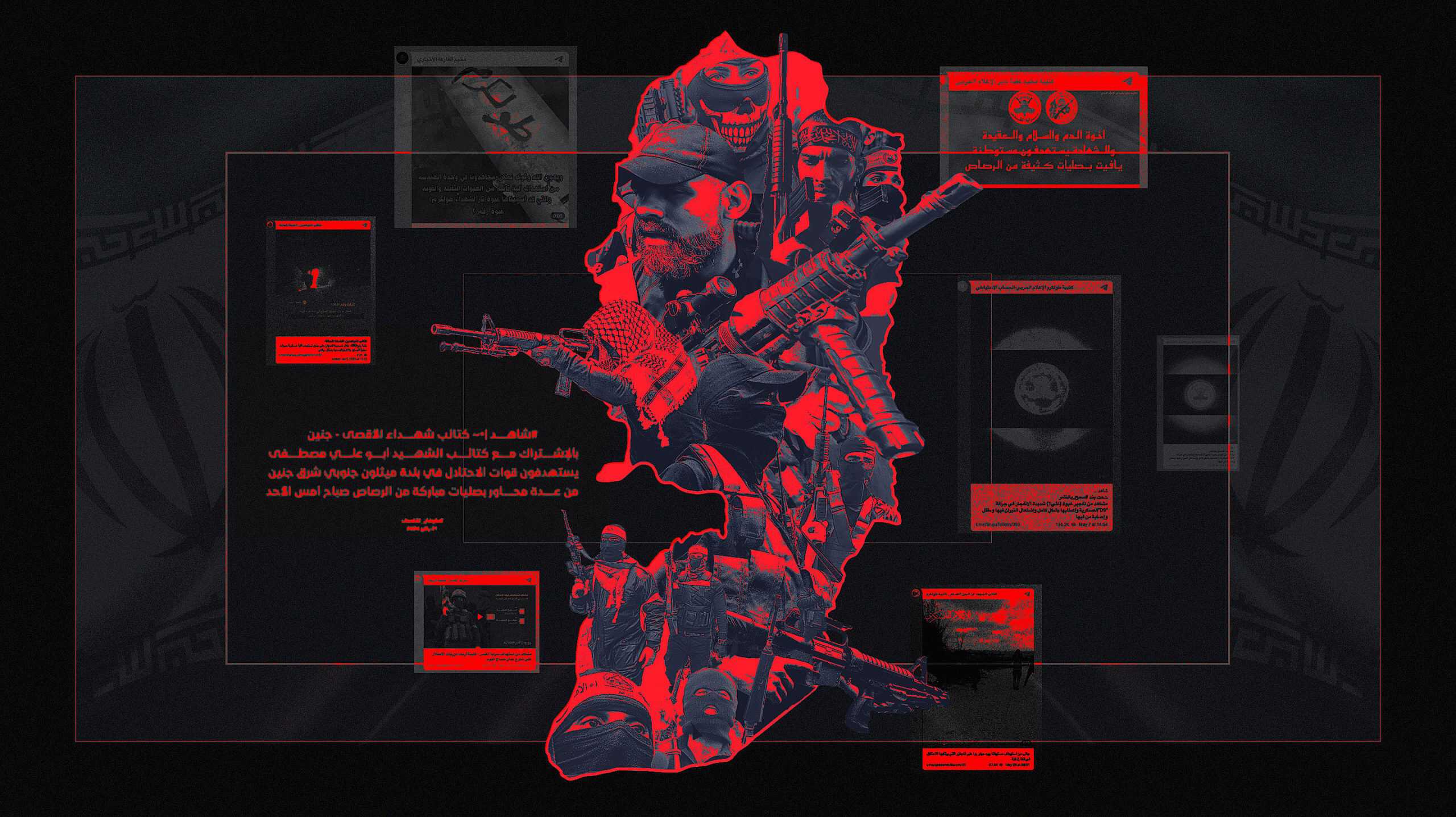
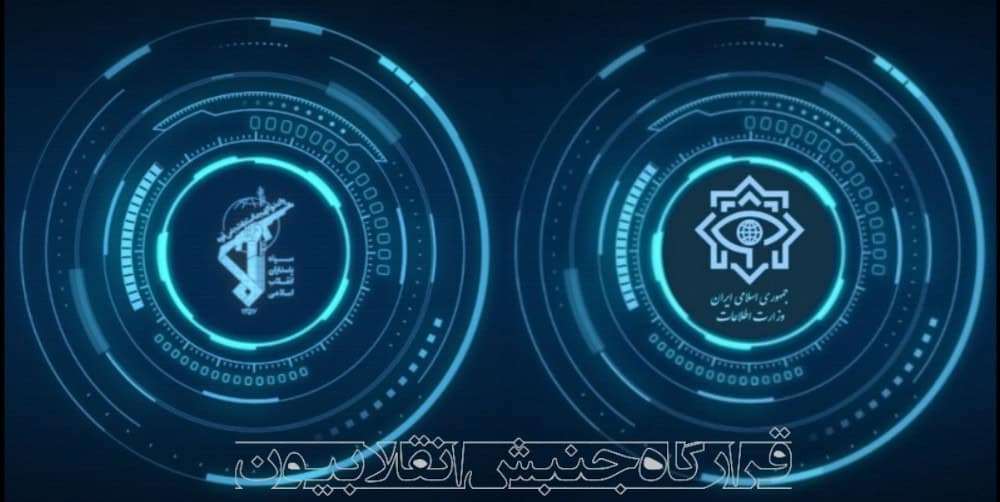
The Islamic Republic has accelerated its intelligence operations in Israel, with at least five spy rings uncovered in October alone. Between October 14 and 31, Israeli authorities arrested some 20 individuals who were operating on behalf of Iran. Led by the Islamic Revolutionary Guard Corps (IRGC) and Iran’s Ministry of Intelligence (MOI), Tehran’s multifaceted espionage strategy in Israel employs cyber warfare and direct human intelligence engagement.
-
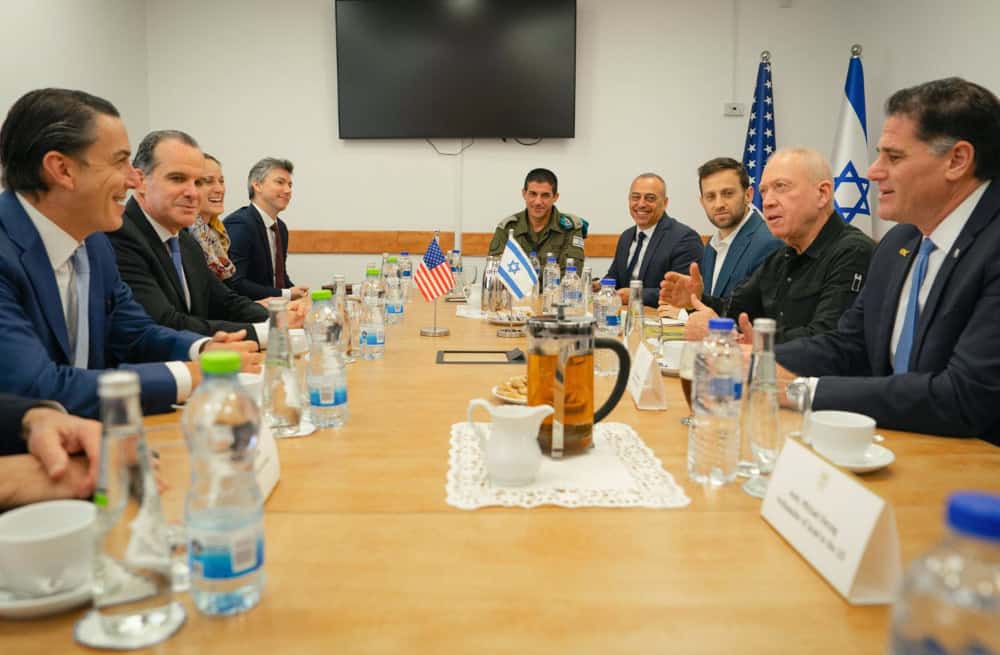
7 Israelis killed by Hezbollah rocket fire as Israel hosts US envoys
Seven Israelis were killed by Hezbollah rocket fire on October 31: five people in an agricultural area near Metula in northern Israel and two others while harvesting olives near Haifa. The IDF carried out airstrikes in Lebanon, targeting Hezbollah’s command and control and weapons storage facilities.
-
Generation Jihad Ep. 227 — Why Siraj Haqqani is not Afghanistan’s “Best Hope for Change” (CC: New York Times)
Last week, the New York Times ran an article(?) called “Is Afghanistan’s Most-Wanted Militant Now Its Best Hope for Change?” (spoiler: no) and with the subtitle: “Sirajuddin Haqqani has tried to remake himself from blood-soaked jihadist to pragmatic Taliban statesman. Western diplomats are shocked — and enticed.” Yes, really.
-
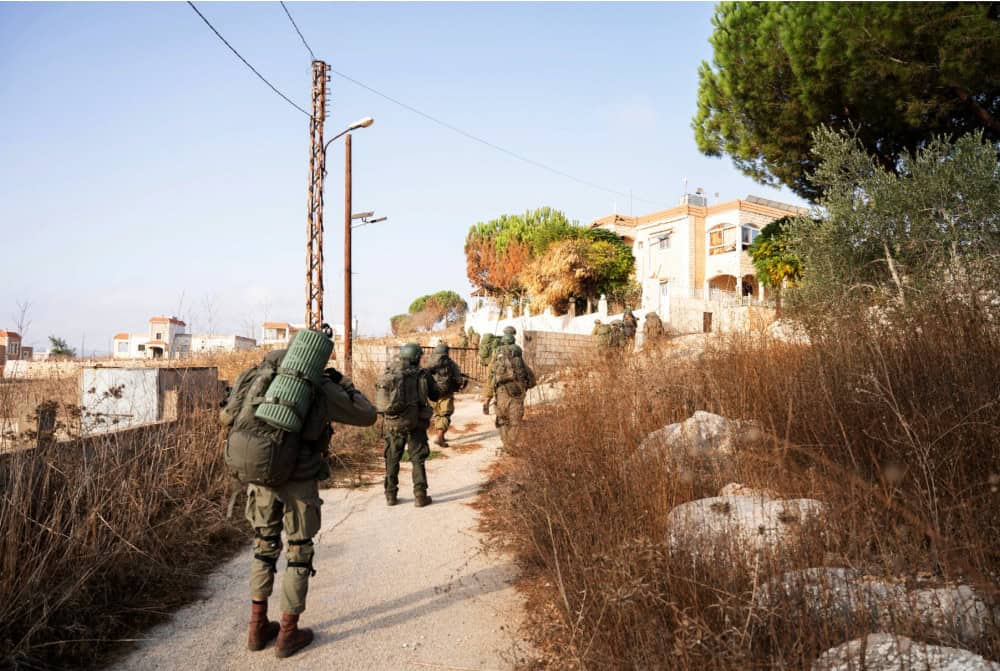
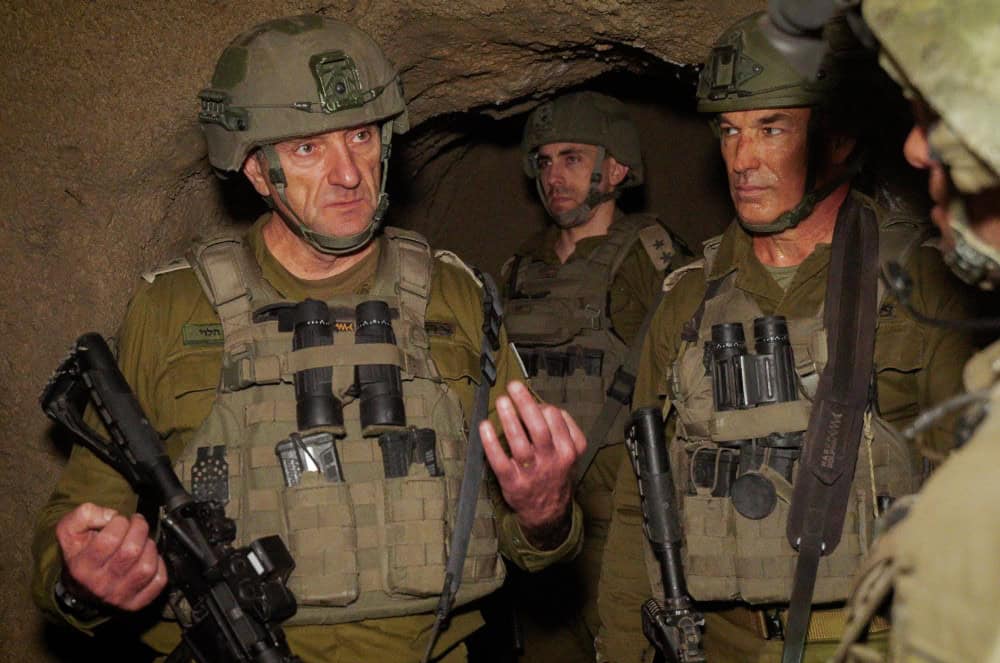
Israeli forces uncover Hezbollah bunkers and tunnels in southern Lebanon
Four Israel Defense Forces (IDF) divisions continued operations in southern Lebanon between October 27 and 29. The IDF found one Hezbollah facility that was 24 feet underground, while another stretched for more than a mile underground and “included food supplies, beds, storage cabinets, electrical power, and an arsenal of weapons.” The IDF also captured several Hezbollah members, including the commander of a local village.
-
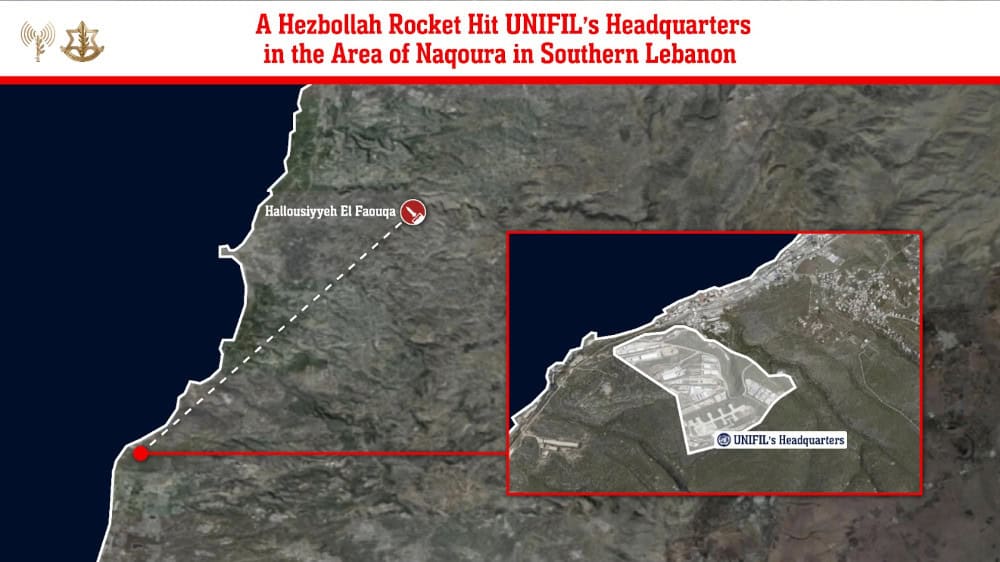
UNIFIL headquarters in Naqoura struck by Hezbollah rocket
Hezbollah rocket fire struck a United Nations Interim Force in Lebanon (UNIFIL) compound in Naqoura, Lebanon, wounding eight Austrian peacekeepers.
-
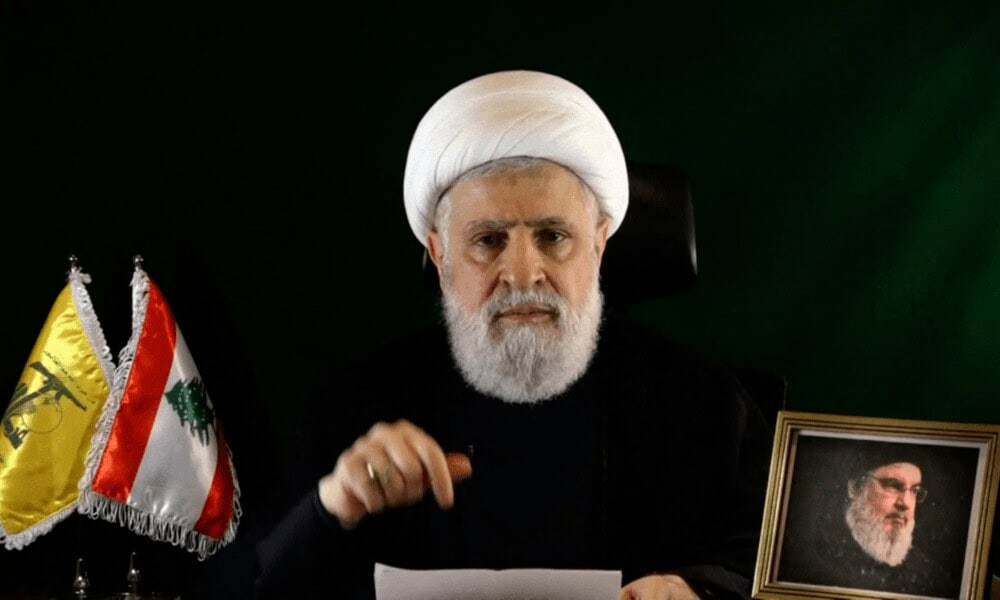
Analysis: Naim Qassem vows Hezbollah will continue fighting
Naim Qassem became Hezbollah’s new secretary-general on October 29. His last speech as the group’s deputy secretary-general, given two weeks earlier, indicates that Nasrallah’s successor intends to continue in his predecessor’s confrontational path.
-
Generation Jihad Ep. 226 — Israel’s retaliatory strikes in Iran
Bill, Joe, and Behnam unpack Israel’s retaliatory strikes on military targets in Iran, including the implications of Israeli strikes; the complexities of the Islamic Republic’s military strategies and challenges of disrupting its proxy networks; the broader geopolitical dynamics blanketing the Middle East — particularly the complexities of any regional military operations amidst ongoing geopolitical tensions between the U.S., Israel, and Iran; and the potential for Iran to accelerate its nuclear ambitions.
-
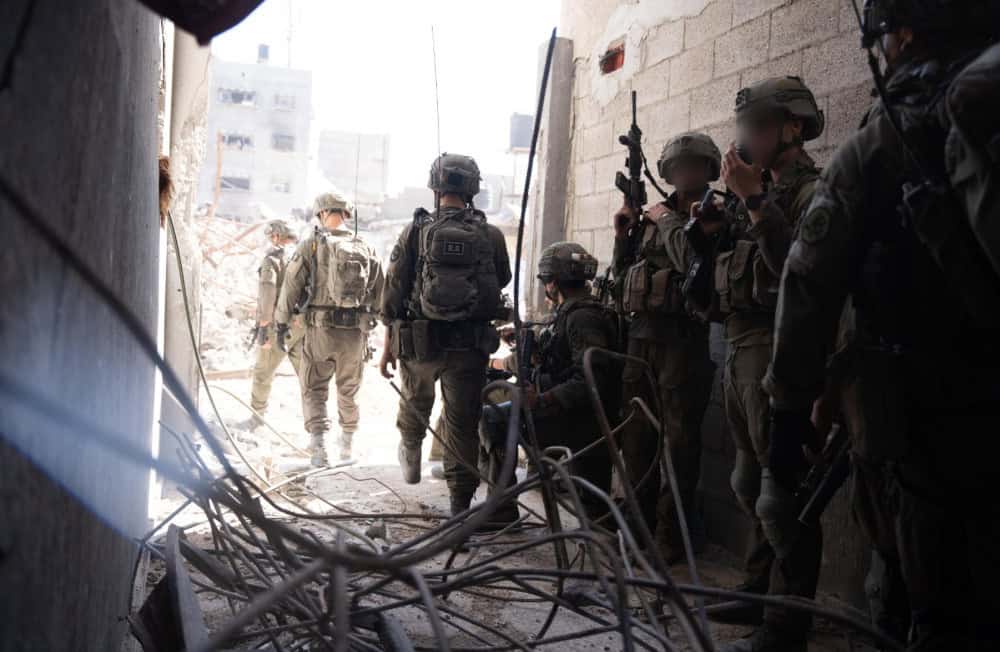
IDF clears hospital of terrorists in northern Gaza
The Israel Defense Forces (IDF) completed an operation in the Kamal Adwan Hospital in northern Gaza’s Jabaliya. During the raid, the Israeli military found weapons and detained 100 suspected terrorists. This is the third time the IDF has operated in Jabaliya to clear it of terrorists, and the second time it has raided the hospital and detained suspected militants.
-
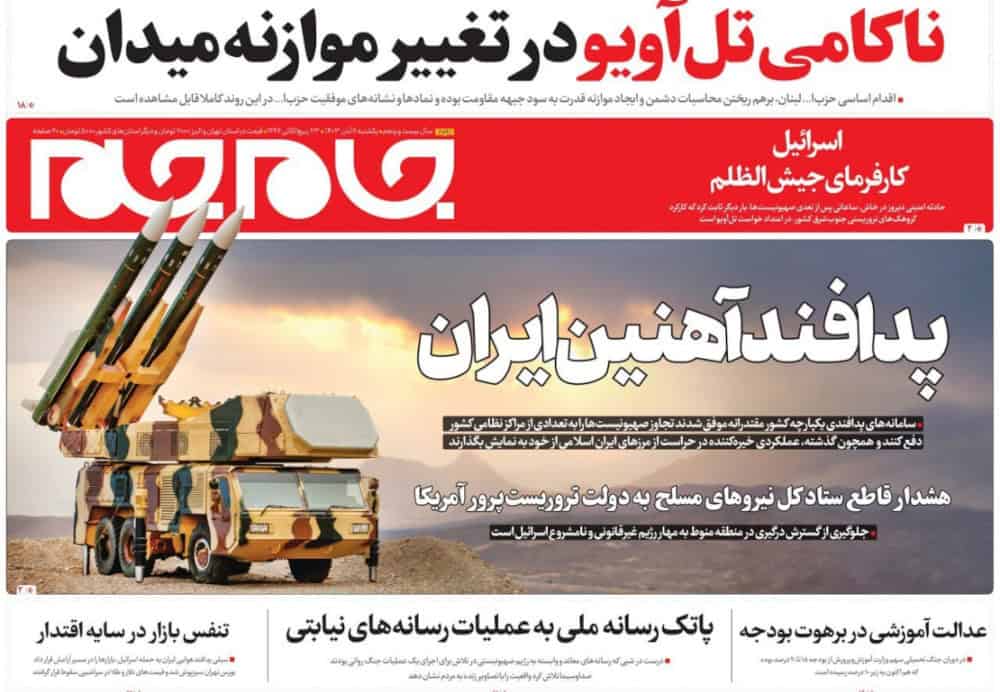
Analysis: Iran reacts to Israel’s direct retaliation
As Iran attempts to save face following Israel’s recent military strike, conflicting narratives about the imperative to respond are coming to the fore.
-
Israel launches retaliatory strikes against Iranian military facilities
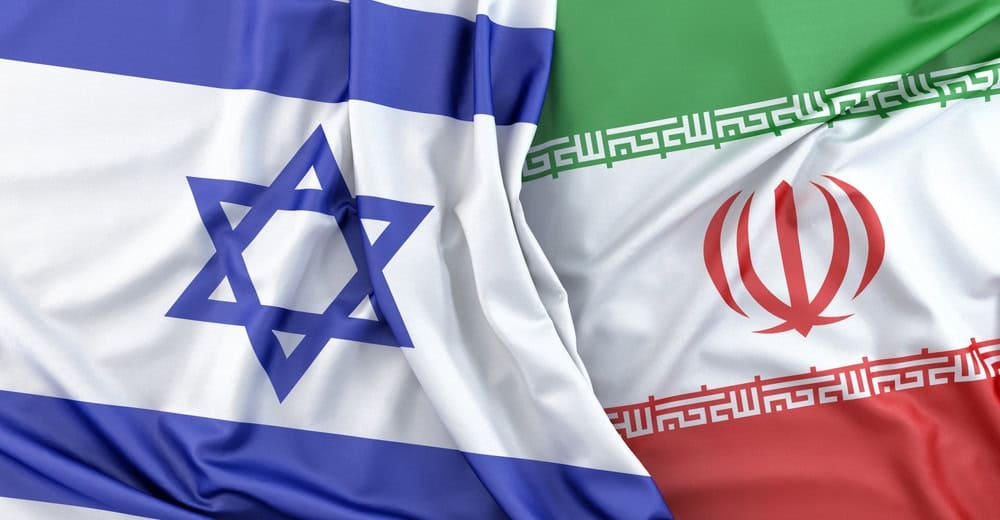
Israeli fighter jets carried out airstrikes against military bases in Iran as a direct response to Iran’s ballistic missile attack on Israel on October 1. Waves of strikes eliminated radar and air defenses, followed by missile and drone bases, including production sites.
-
13 IDF soldiers killed on two fronts
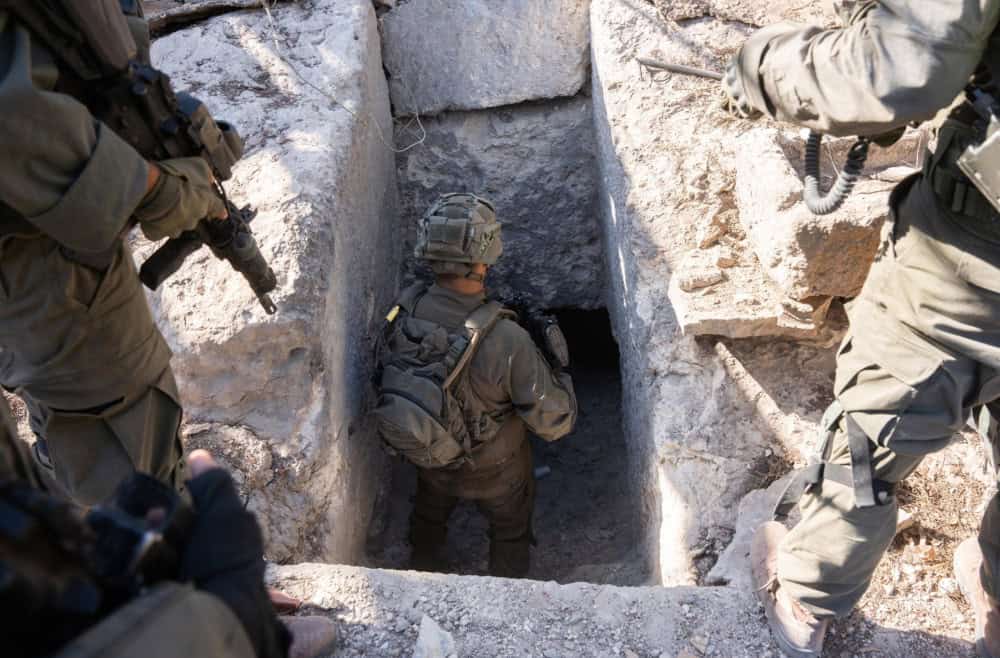
The Israel Defense Forces (IDF) suffered losses in Lebanon and Gaza over two days of fighting. On October 24, the IDF announced the names of five fallen soldiers killed in Lebanon, and the Israeli military announced the names of eight more killed in Lebanon and Gaza on October 25. IDF Chief of Staff Lieutenant General Herzi Halevi visited troops in Jabaliya in northern Gaza, where he praised their determination in recent weeks of fighting Hamas.
-
Hezbollah continues to fire large barrages of rockets at Israel
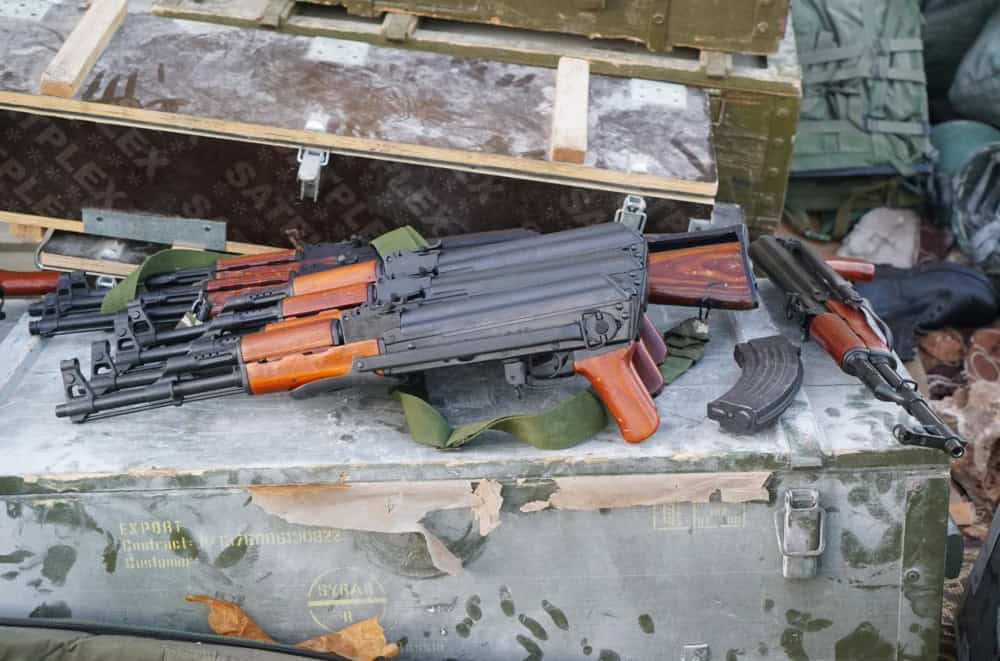
Hezbollah launched a barrage of 50 rockets at northern Israel on October 24, targeting Israeli communities during the Simchat Torah holiday, after launching an estimated 135 projectiles into Israel the day before. On October 22, a total of 140 projectiles were launched. Israelis were injured in rocket attacks on October 23 and October 24. The IDF carried out airstrikes in Tyre and Beirut, and Israeli troops in southern Lebanon uncovered large amounts of Hezbollah weapons, including rifles, RPGs, mortars, and anti-tank missiles.
-
Analysis: Explaining UNSC Resolution 1701 and its relation to Resolution 1559
A specious argument fueled by DC-based Lebanese activists is gaining traction. It alleges that UN Security Council Resolution 1559 (2004) takes a stronger stance against Hezbollah than its successor, Resolution 1701, adopted after the 2006 Israel-Hezbollah War. This entire argument, however, rests on misinterpretations of Resolution 1701’s meaning and intent and demonstrates ignorance of international law.

-
Multi-front drone threats against Israel increase
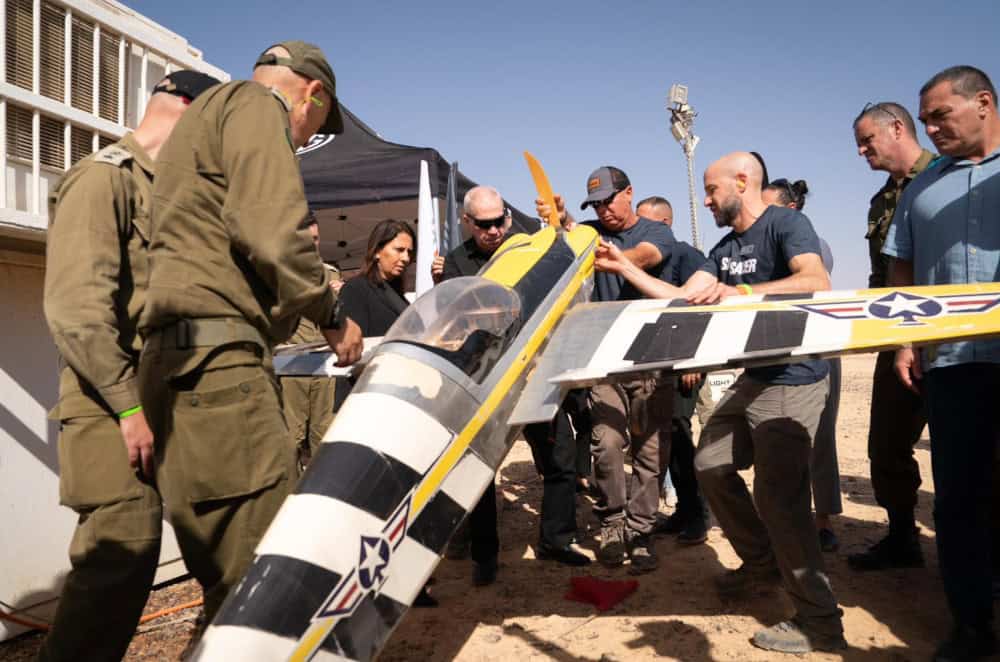
Israel faces a rising drone threat from Iranian-backed proxies. On October 22, Israel confirmed that a drone attack on October 19 had struck a residence of Israeli Prime Minister Benjamin Netanyahu, and Hezbollah took responsibility for the attack. Hezbollah also killed four IDF soldiers and wounded 60 in an attack on an IDF training base on October 13. Israel’s Minister of Defense held a trial for defense companies to showcase technology to counter drone threats on October 14.
-
Israel executes waves of strikes on Hezbollah financial institution
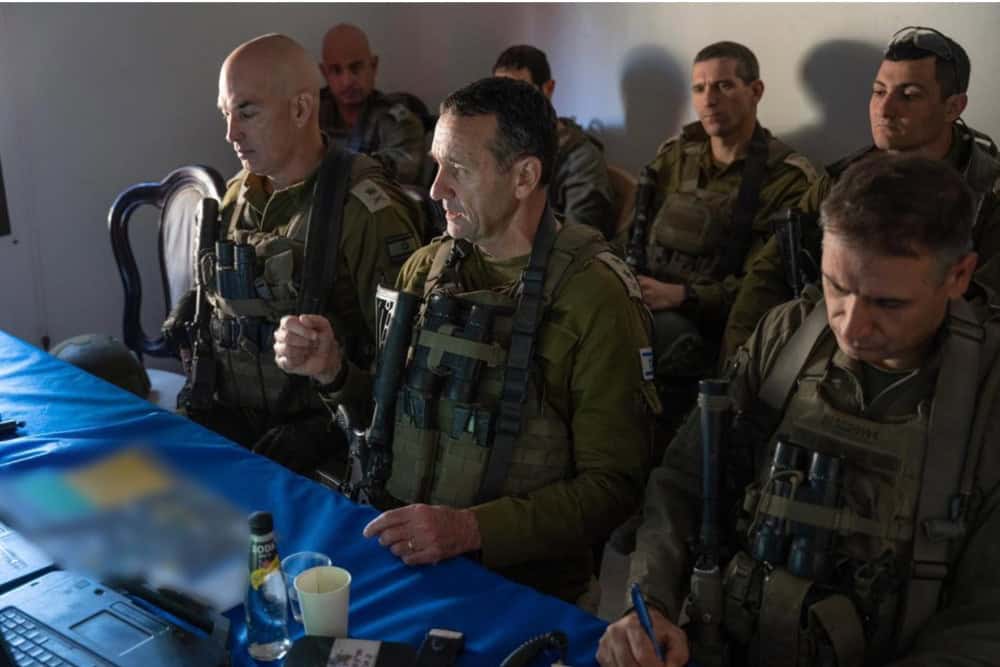
The Israel Defense Forces (IDF) began waves of strikes on a financial organization it states has branches across Lebanon and is used to fund Hezbollah’s terror activities. An Israeli military assessment reports the IDF has hit 3,200 Hezbollah targets and killed seven of the group’s brigade commanders and 21 of its battalion commanders since the operation in Lebanon began almost a month ago.
-
Analysis: Leaks and spy rings merely delay the inevitable Israeli operation
Despite allegedly leaked documents from US agencies and Tehran’s ongoing intelligence operations aimed at disrupting an Israeli attack, Iran is bracing itself for an operation targeting its nuclear facilities. The situation has only intensified after Hezbollah’s botched attempt to assassinate Israeli Prime Minister Benjamin Netanyahu.

-
Generation Jihad Ep. 224 — Sinwar is dead. Hamas is not.
Bill and Joe discuss the death of Hamas leader Yahya Sinwar and its implications for Israeli strategy in the country’s ongoing defensive war in Gaza; for the Islamic Republic of Iran’s ongoing, multi-front war on Israel; and for already-tense U.S.-Israel relations.
-
Generation Jihad Ep. 223 — After Sinwar
Bill and Behnam discuss Israel’s targeted killing of top Hezbollah and Hamas leaders, including this week’s successful assassination of Hamas leader Yahya Sinwar.
-
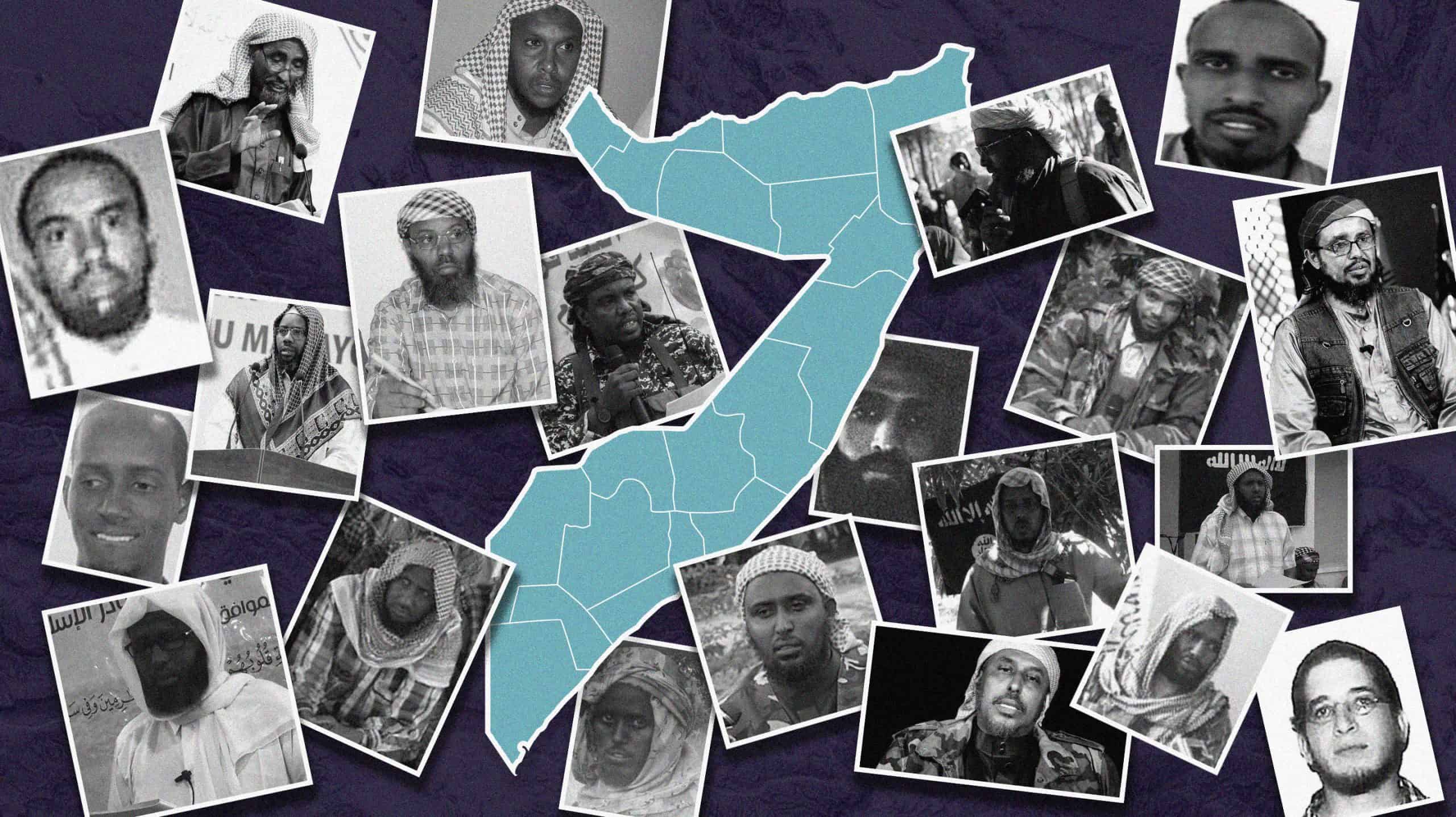
Analysis: Al Qaeda’s da’wah campaign in West Africa
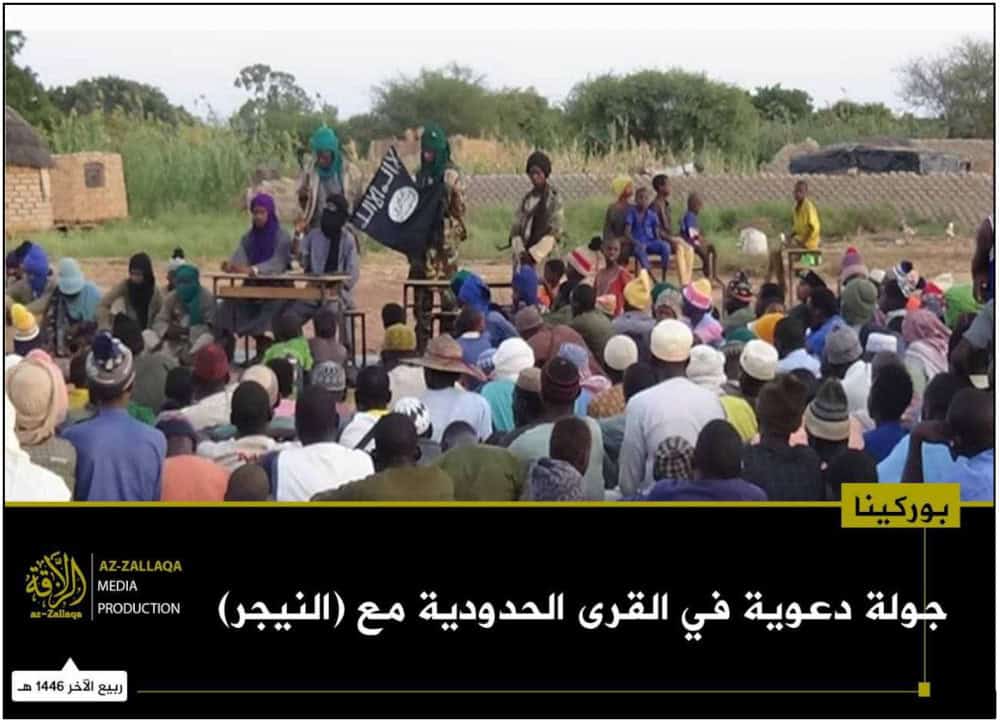
The Group for Support of Islam and Muslims (JNIM), al Qaeda’s branch for West Africa, has publicized its da’wah (proselytizing) activities in local communities in Mali and Burkina Faso. Photos released by the group document its men delivering religious lectures to locals in the southern Mali region of Kayes and Burkina Faso along the border with Niger.
-
IDF releases details on clash that led to Hamas leader’s death
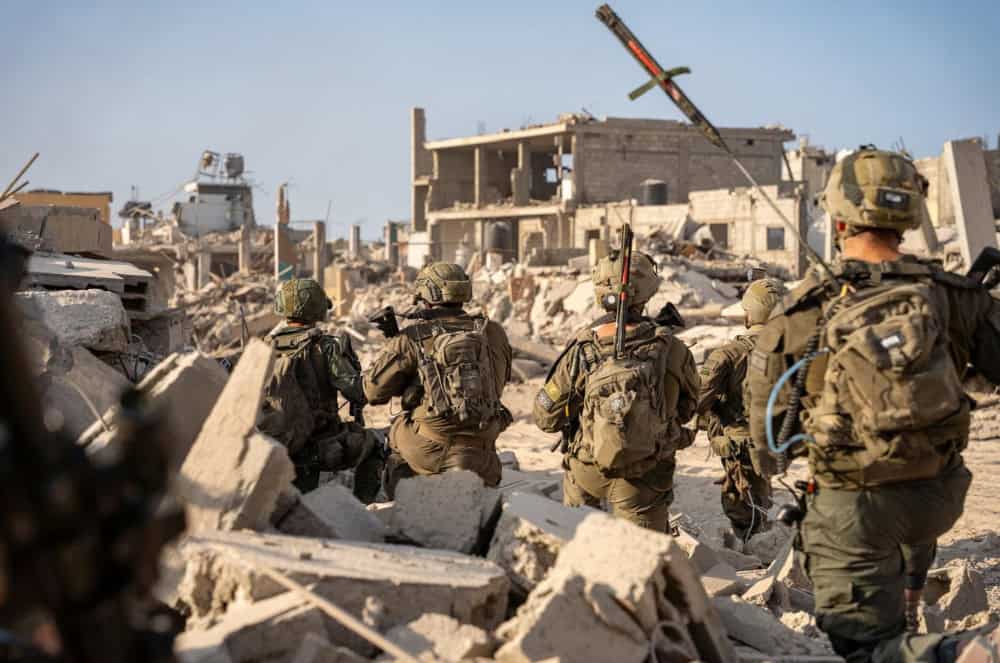
The IDF released new details on how its troops encountered Hamas leader Yahya Sinwar and several other Hamas members in southern Gaza on October 16. Israel’s defense minister called on Hamas to surrender and for Gazans to release the 101 hostages still held in captivity. The IDF continued operations in Jabaliya in northern Gaza.
-
Analysis: The ‘How’ over the ‘What:’ Israel’s dilemma beyond target selection in Iran
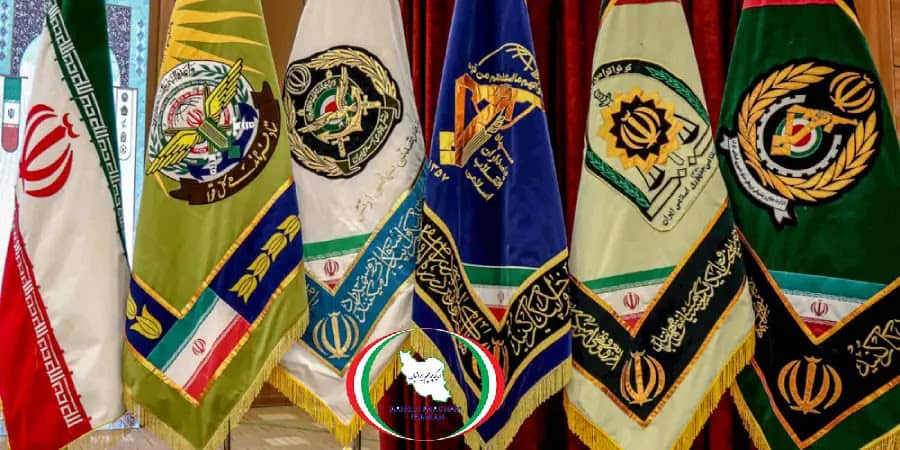
Israel’s war cabinet has reportedly agreed on what Iranian targets to strike, so the question now is what method it will employ to carry out the attacks to effectively deter Tehran without escalating into a full-scale war. In doing so, Israel has two choices: to either publicly humiliate the regime or launch a series of covert attacks, and the latter is less likely to warrant Tehran’s retaliation.
-
Analysis: The lights are still blinking red—Sunni Islamists and Iran are determined to attack the homeland
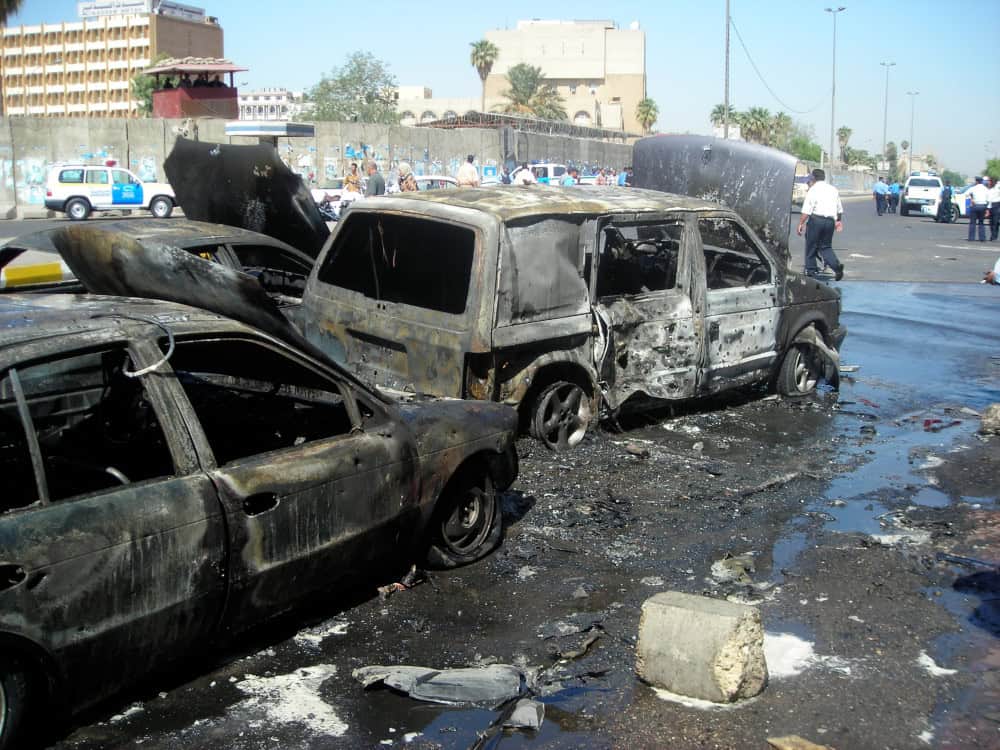
While the United States is focused on the election, the domestic terrorism warning signs are still blinking red. Over the last few months, the Department of Justice has indicted another Islamic State terrorist and uncovered an Iranian assassination plot against former President Donald Trump.
-
Israeli troops kill wanted Hamas leader Yahya Sinwar
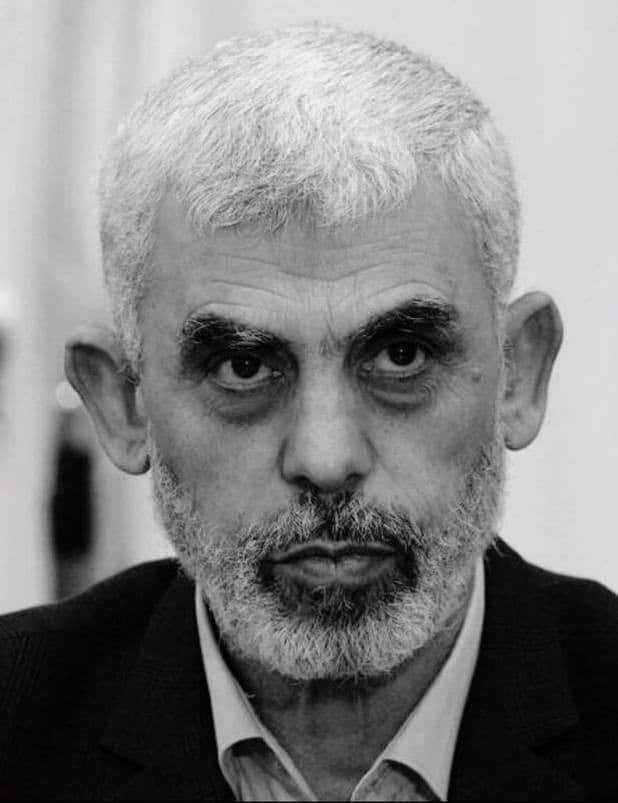
Sinwar was the mastermind behind the October 7, 2023, assault on Israel and was perhaps the most wanted Hamas terrorist by Israel. A veteran of Hamas since the 1980s, Sinwar established the group’s security service and rose to lead Hamas in August 2024 after his predecessor was assassinated in Tehran, Iran.
-
IDF strikes 490 Hezbollah targets in ground and air operations
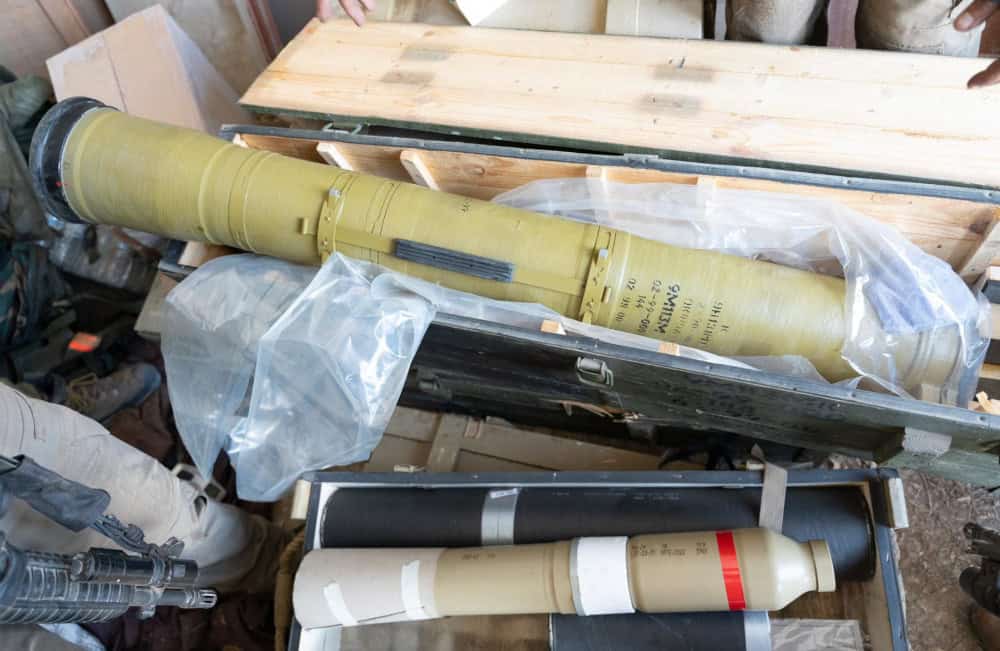
Israeli ground forces and aircraft struck hundreds of Hezbollah targets in southern Lebanon in three days of operations from October 14 to October 17. The Israel Defense Forces (IDF) estimates that 45 Hezbollah members were eliminated on October 17. Israeli ground forces also uncovered tunnels and numerous weapons and captured Hezbollah personnel in recent operations.
-
Generation Jihad Ep. 222 — Jihadist plots against the West
Bill and Will discuss plots to target Western assets both inside and outside of combat zones, from the foiled attack targeting a Taylor Swift concert in Europe to credible threats on President Trump’s life made by the Islamic Republic of Iran.
-
IDF pushes to weaken Hamas in north Gaza
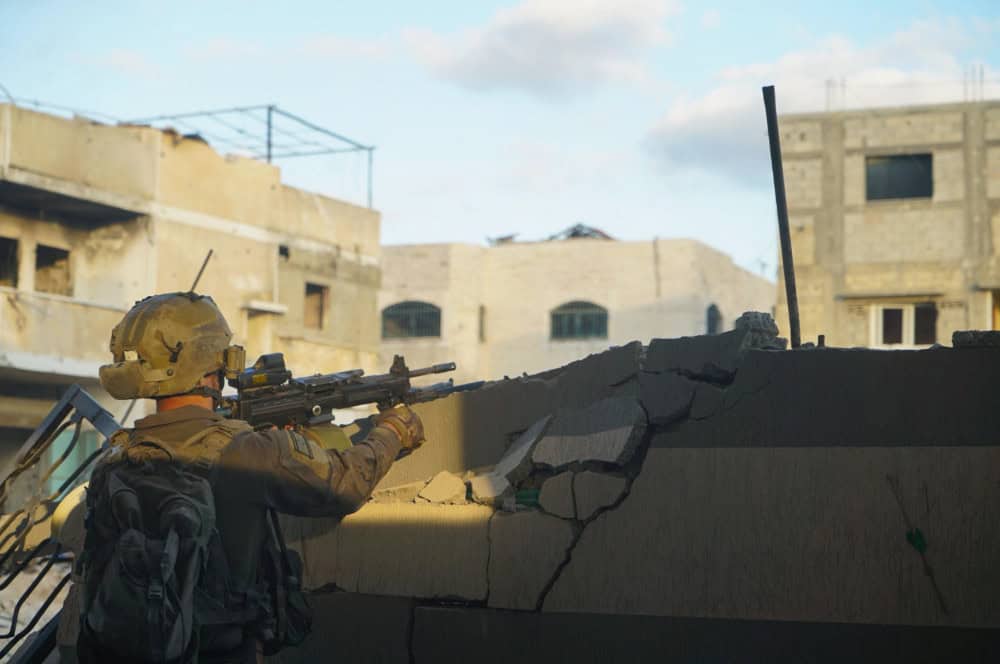
The 162nd Division of the Israel Defense Forces (IDF) has been fighting in Jabaliya in northern Gaza for 10 days and found weapons and explosives during the operation. There have also been clashes with terrorists, and Hamas fighters have been eliminated. The IDF transferred 30 trucks of humanitarian aid into northern Gaza amid concerns about civilians.
-
Analysis: ‘Axis of Resistance’ or ‘Axis of Espionage?’ Iran’s struggles to staff leadership
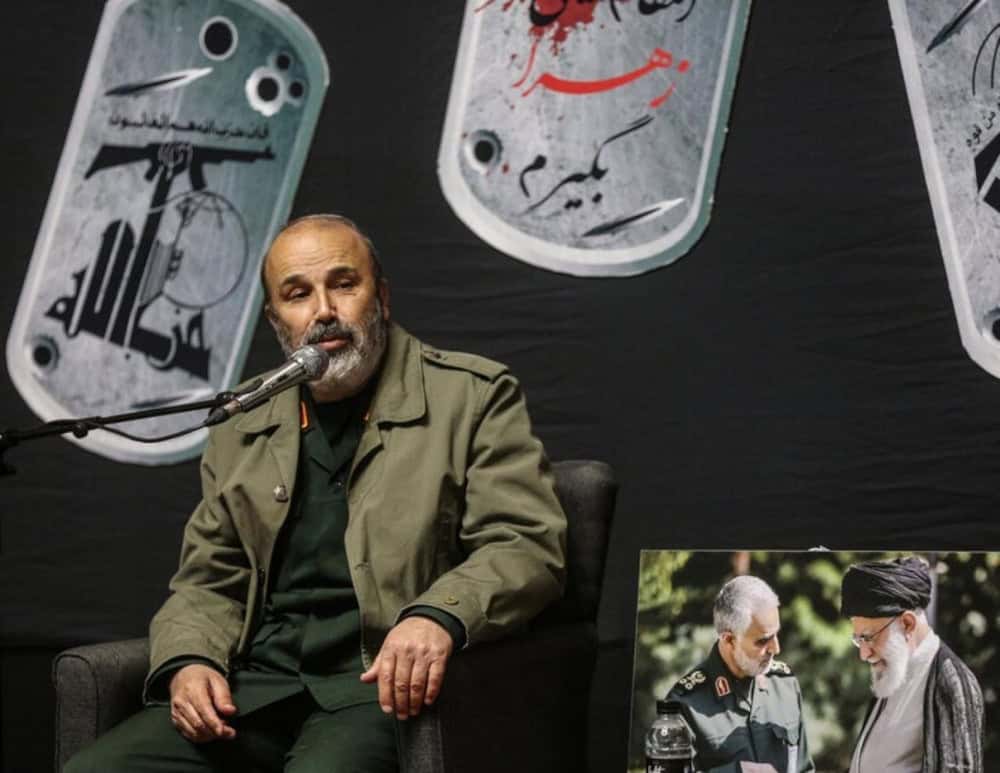
The appointment of Brigadier General Mohammad Reza Fallahzadeh as Hezbollah’s “supervisor” underscores the growing challenges faced by Iran and its proxies amid Israel’s military and intelligence operations. The inability to establish stable leadership within Hezbollah not only reflects Israel’s tactical successes but also reveals deep fractures within the Axis of Resistance. The heightened paranoia among Iranian leaders suggests a precarious future for the Islamic Republic’s efforts to maintain control over its oldest proxy.
-
Analysis: The road to the Third Lebanon War
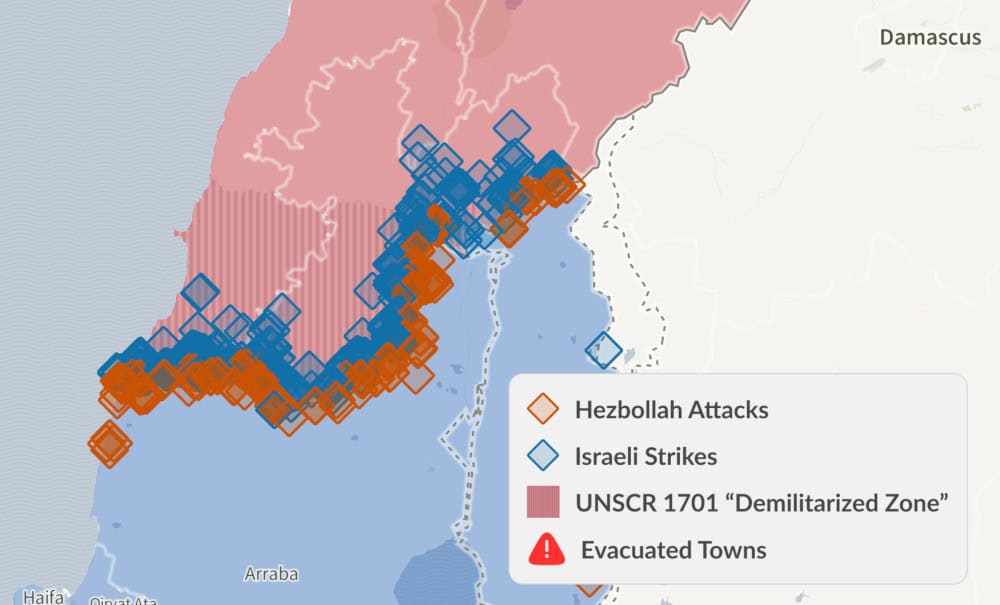
The conflict between Hezbollah and Israel that began on October 8, 2023, has evolved into a protracted war of attrition that neither side initially expected to last this long. Hezbollah’s goal was to support Gaza by diverting the Israelis’ attention and impacting their morale, but the group miscalculated Israel’s resolve, leading to an extended and more intense conflict.
-
Hezbollah drone strikes IDF base as Israeli forces uncover weapons in Lebanon
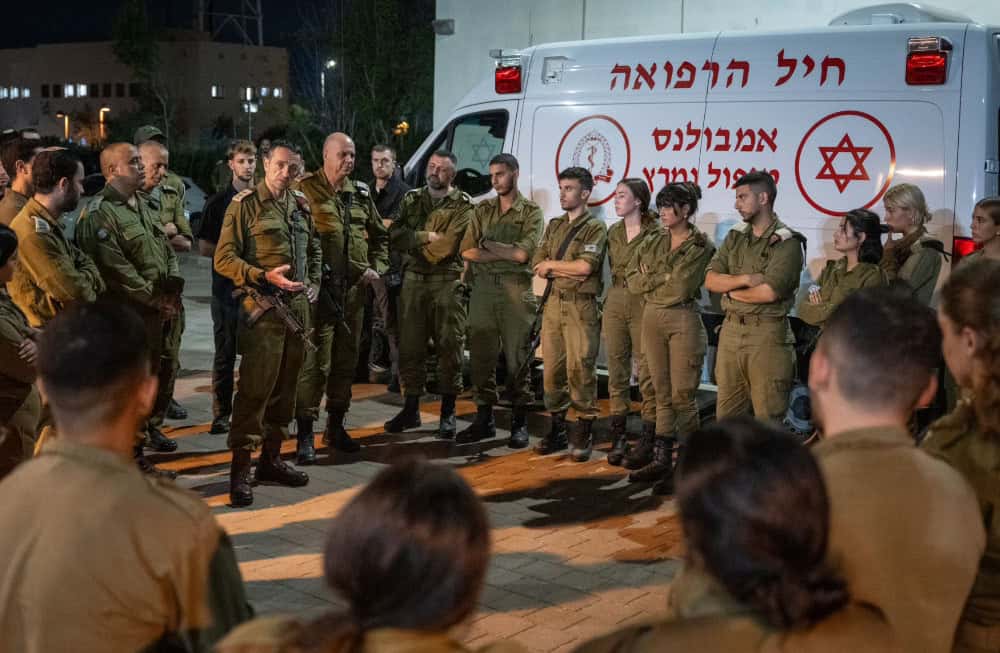
A Hezbollah kamikaze drone struck an IDF training base, killing four soldiers and wounding 60 others. Hezbollah has used more than 200 drones in attacks over the past year. IDF Chief of Staff Lieutenant General Herzi Halevi visited the site of the attack, and Israeli Defense Minister Yoav Gallant said, “We must investigate it, study the details, and implement lessons in a swift and professional manner.” Gallant also spoke with US Secretary of Defense Lloyd Austin and visited northern Israel to oversee operations against Hezbollah.
-
Hezbollah anti-tank and rocket fire strike northern Israel; Halevi visits Lebanon front
IDF Chief of Staff Lieutenant General Herzi Halevi visited Israeli forces operating in southern Lebanon on October 10. He reviewed how the IDF is operating against Hezbollah in Lebanese villages near the border from where Hezbollah has threatened Israel with rockets over the past year. The United Nations Interim Force in Lebanon (UNIFIL) said on October 11 that two of its peacekeepers were wounded in Lebanon. Hezbollah fired 190 projectiles into Israel on October 10.