-
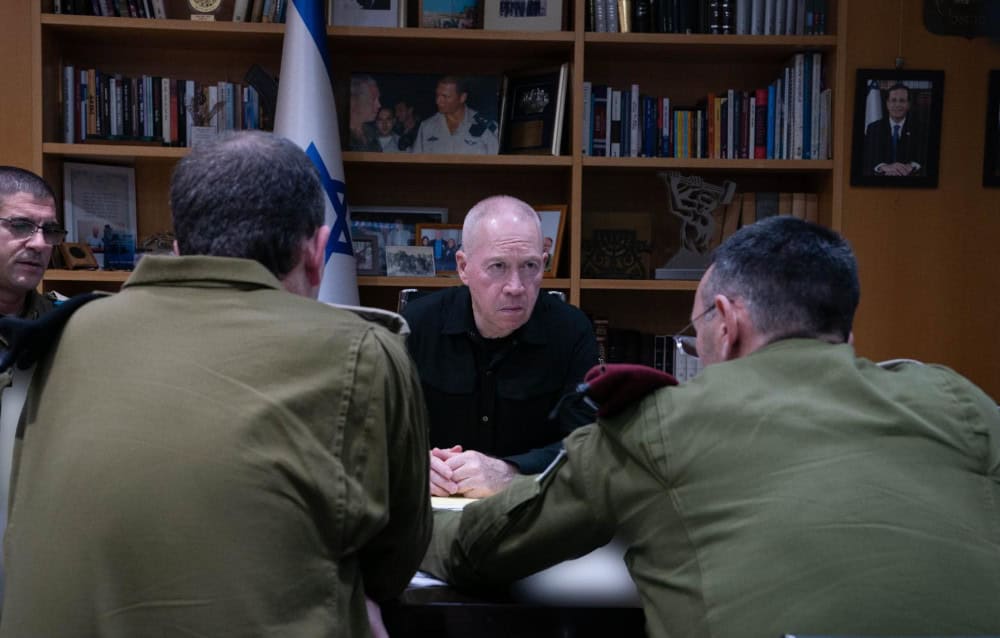
Israel’s defense minister meets IDF armored brigade in northern Israel as wider war looms
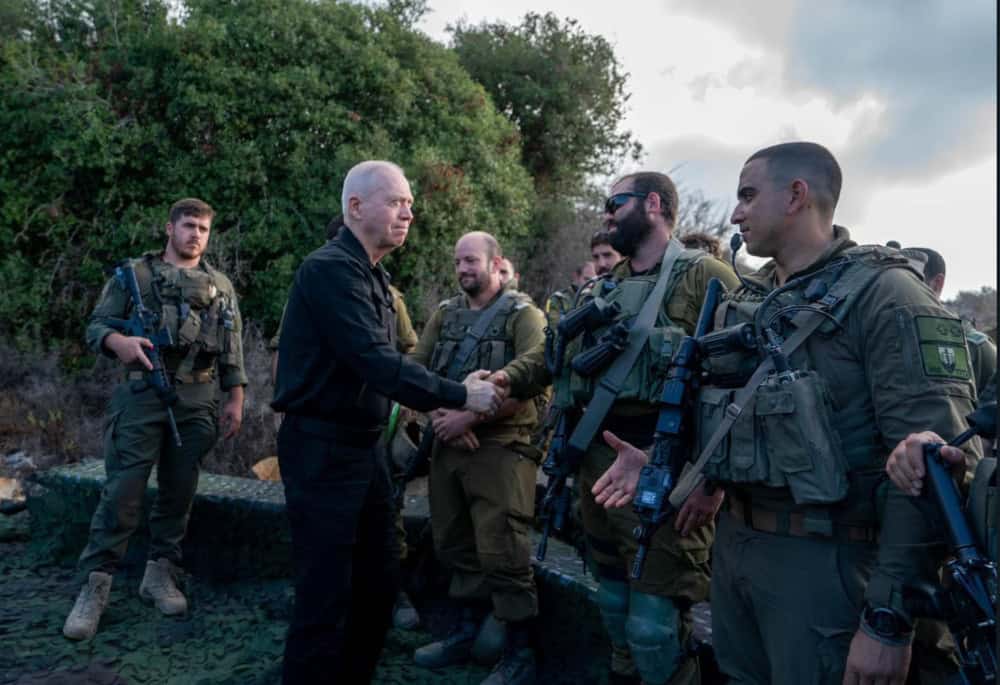
Israeli Defense Minister Yoav Gallant met with IDF troops from the 188th Armored Brigade. Israeli officials, such as Gallant, and senior commanders have been meeting with IDF troops deployed in the north over the past week, hinting that a ground operation could begin against Hezbollah.
-
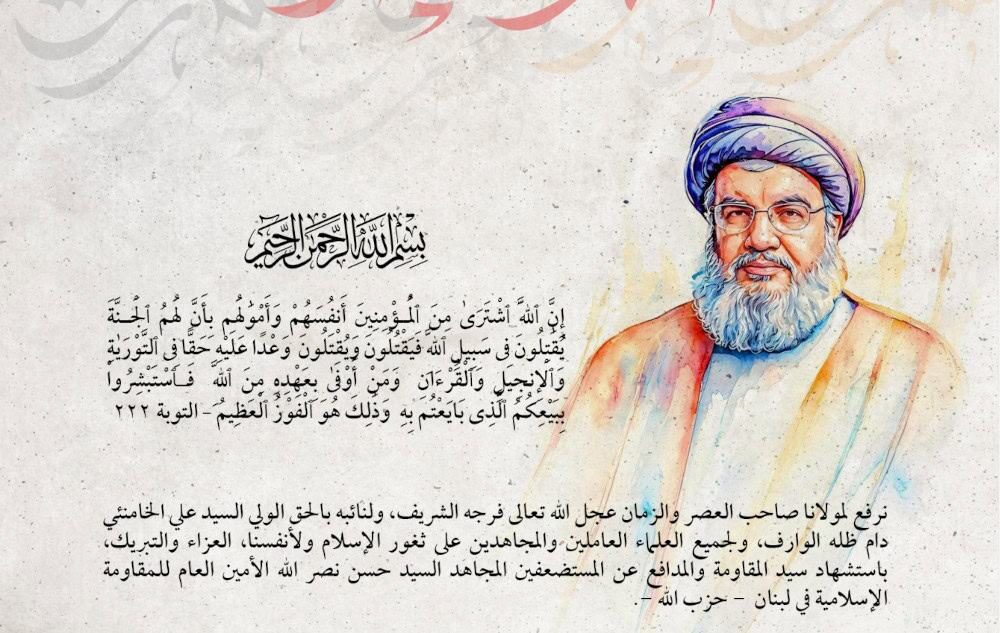
Analysis: Bahraini militias eulogize slain Hezbollah leader
Saraya al-Ashtar and Saraya Wa’ad Allah, two Iranian-backed militias in Bahrain, issued a statement expressing condolences for the death of Hassan Nasrallah in an Israeli airstrike and calling for vengeance.
-
Israel strikes targets on multiple fronts
The IDF carried out airstrikes on the Iranian-backed Houthis in Hudaydah using dozens of aircraft. An Israeli missile ship intercepted a UAV launched at Israel, and Iranian-backed militias in Iraq took credit for the attack. Israeli forces in Gaza uncovered a tunnel. Hezbollah carried out numerous rocket attacks on Israel on September 29, and the IDF continued strikes on the terrorist group. The IDF confirmed that more than 20 Hezbollah members were eliminated in the September 27 strike which killed Hezbollah leader Hassan Nasrallah in Beirut.
-
Generation Jihad Ep. 217 — Today’s global jihadi threat
Bill is joined by friend of the show Edmund Fitton-Brown to discuss Edmund’s recent report for the Combating Terrorism Center at West Point, Commentary: The Global Jihadi Terror Threat in September 2024.
-
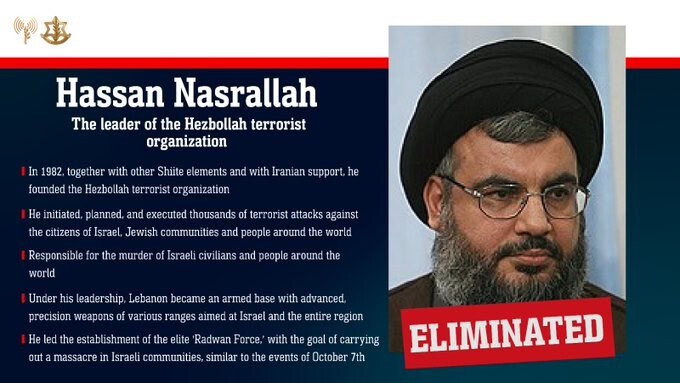
Hezbollah chief Hassan Nasrallah eliminated in Beirut airstrike
The Israeli military and Hezbollah have both acknowledged the death of Hassan Nasrallah following an Israeli airstrike in Beirut on Friday.
-
Generation Jihad Ep. 216 — After decades of f*cking around, did Hassan Nasrallah just find out?
Bill and show regular David Daoud are joined by their FDD colleague Ahmad Sharawi, making his overdue Generation Jihad debut amidst rumors that today’s Israeli strike in Beirut may have killed Hezbollah leader Hassan Nasrallah. They share what they know so far and unpack the known unknowns and the unknown unknowns.
-
Analysis: Erdogan’s private military company looks to raise an Islamist army
Turkish President Recep Tayyip Erdogan aims to play a central role in post-war Gaza. However, the West should closely scrutinize Turkey’s involvement, especially given Erdogan’s reliance on SADAT, Turkey’s premier private military company, and its Islamist ideology and ties to terrorist organizations.
-
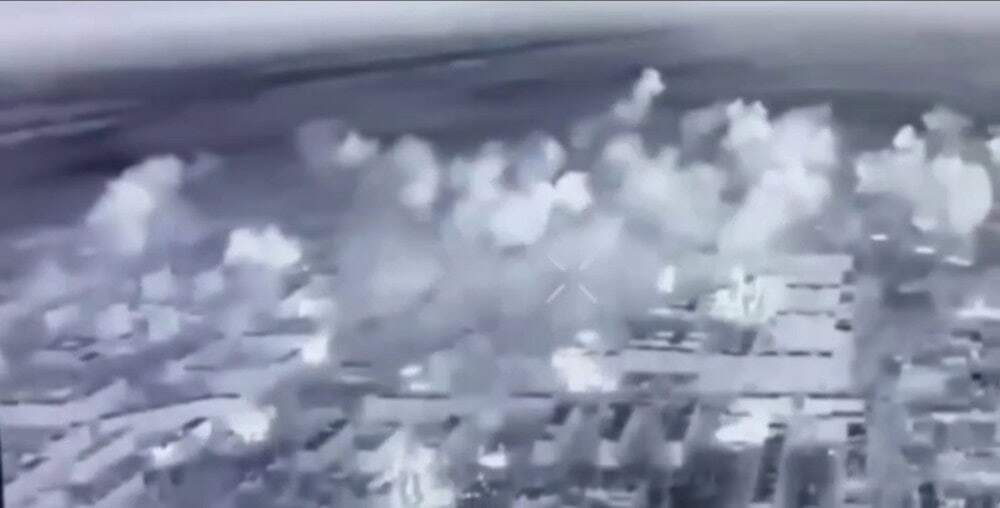
Russia closes in on “fortress” city of Vuhledar
Russia is close to capturing the city of Vuhledar, a defensive stronghold in eastern Ukraine. Vuhledar’s fall will further stretch Kyiv’s forces and aid Russia’s efforts to push Ukraine out of southern Donetsk Oblast.
-
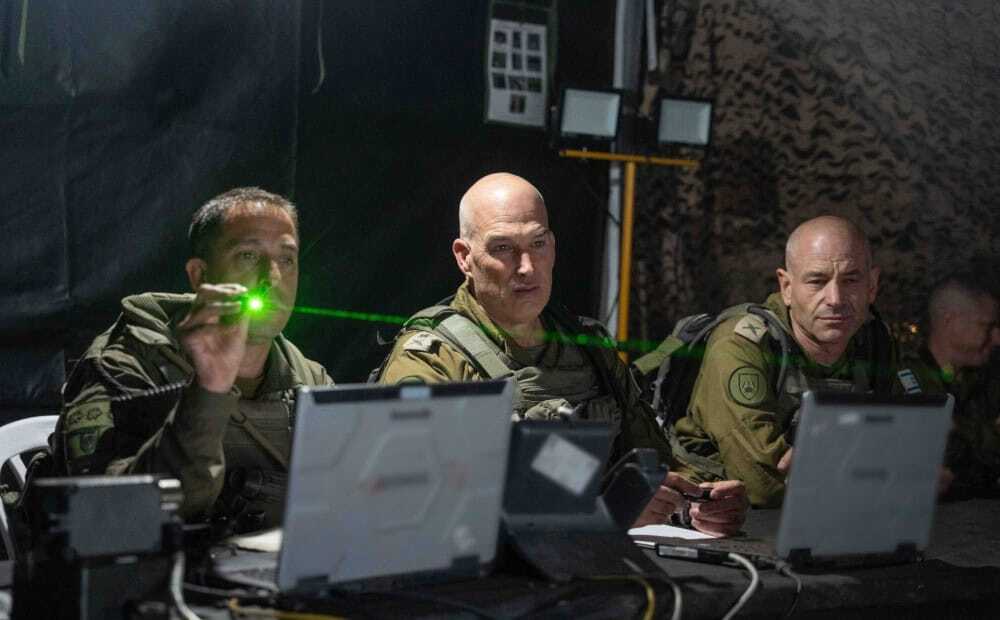
Israel’s Northern Command prepares for possible ground operation
The Israel Defense Forces (IDF) called up two reserve brigades as Operation Northern Arrows entered its third day. The Israeli Air Force continued to conduct strikes against Hezbollah targets in Lebanon. In addition, Major General Ori Gordin, head of the IDF’s Northern Command, spoke to Israel’s 7th Armored Brigade and urged them to be ready for possible ground operations in the north. Hezbollah launched a ballistic missile toward Tel Aviv and struck Safed and other areas in northern Israel.
-
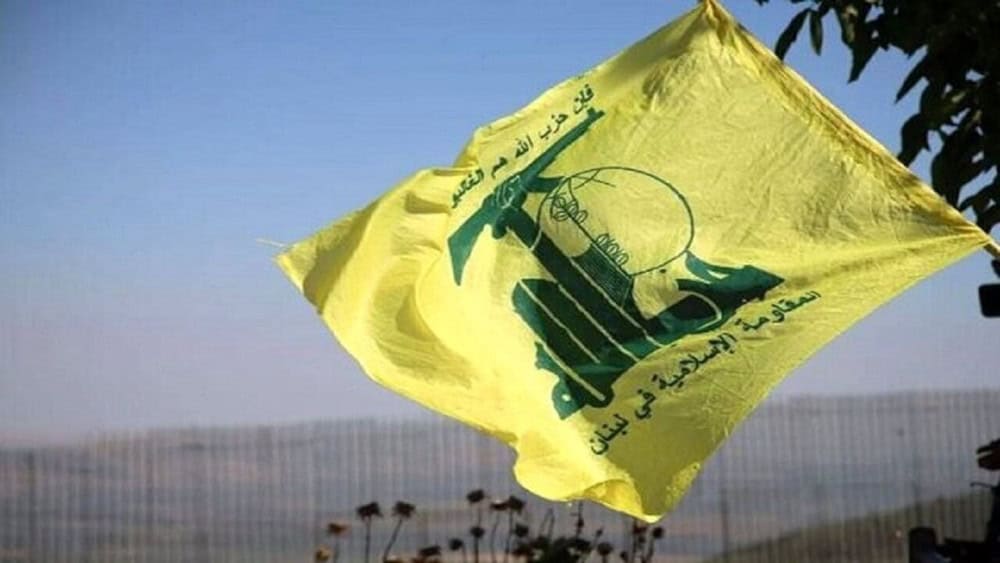
Analysis: Tehran’s damage control tactics amidst Hezbollah’s setbacks
The Iranian regime’s current strategy seems focused on damage control, as it believes maintaining a foundation allows it to eventually regain influence in southern Lebanon. The Islamic Republic aims to create an image of total warfare through a series of calculated proxy attacks. This approach not only projects strength to its supporters but also bets on the possibility that the United States will pressure Israel to stop its strikes against Iranian militias.
-
Israel strikes more than 1,300 Hezbollah targets in Lebanon
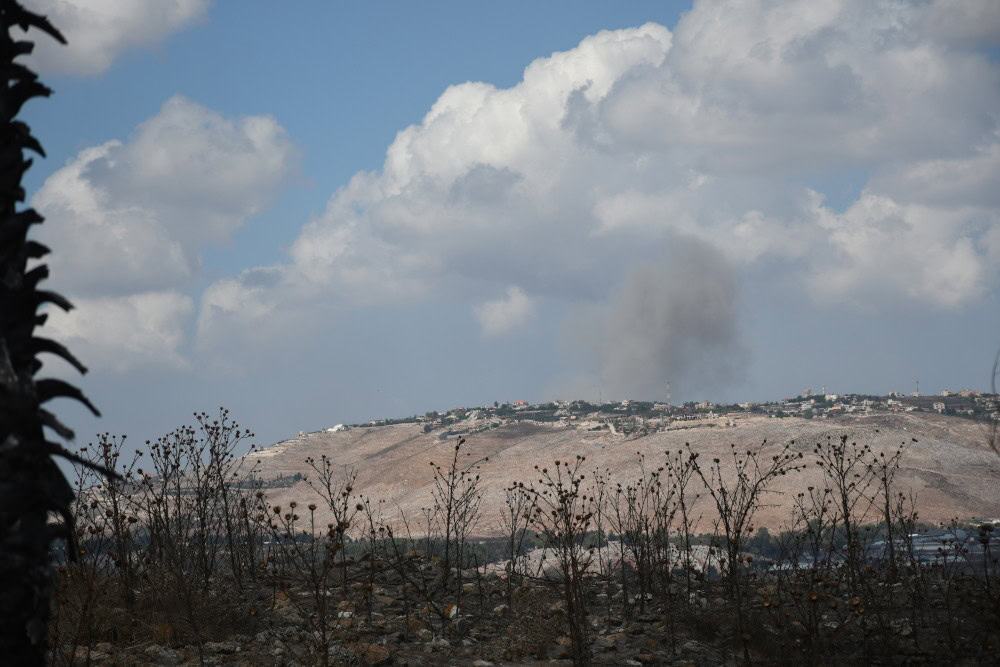
The Israeli Air Force struck 1,300 Hezbollah targets with 1,400 munitions on September 23. The strikes were the largest since Hezbollah began its attacks on Israel in October 2023. Hezbollah launched long-range rockets at Israel, targeting Haifa and areas close to central Israel for the first time in 11 months. Israel’s Defense Minister said “tens of thousands of rockets have been destroyed” in the IDF strikes on Hezbollah, decreasing the Iranian-backed terrorist group’s arsenal.
-
Analysis: The Houthis have challenged the Rules-Based International System and must be defeated
Was the international community culpably naive in failing to give unqualified backing to Yemen’s internationally recognized government (IRG)? And was this largely because of a knee-jerk hostility to the Saudis that is so common in Western progressive circles? If the Houthis genuinely pose a chronic threat to the Rules-Based International System and intend to hold freedom of navigation in the Red Sea hostage to any and every tactical interest they choose to pursue, will it become inevitable to try to revive and empower the Saudi-IRG coalition to suppress them?

-
Generation Jihad Ep. 215 — Hamas in Gaza: A progress report
Bill and Joe are joined by their FDD colleague Dr. Jonathan Schanzer to discuss his recent article for Commentary, “Hamas On The Ropes: A Progress Report.”
-
Israel hits Hezbollah again as top general vows to deliver “blow after blow” against the group
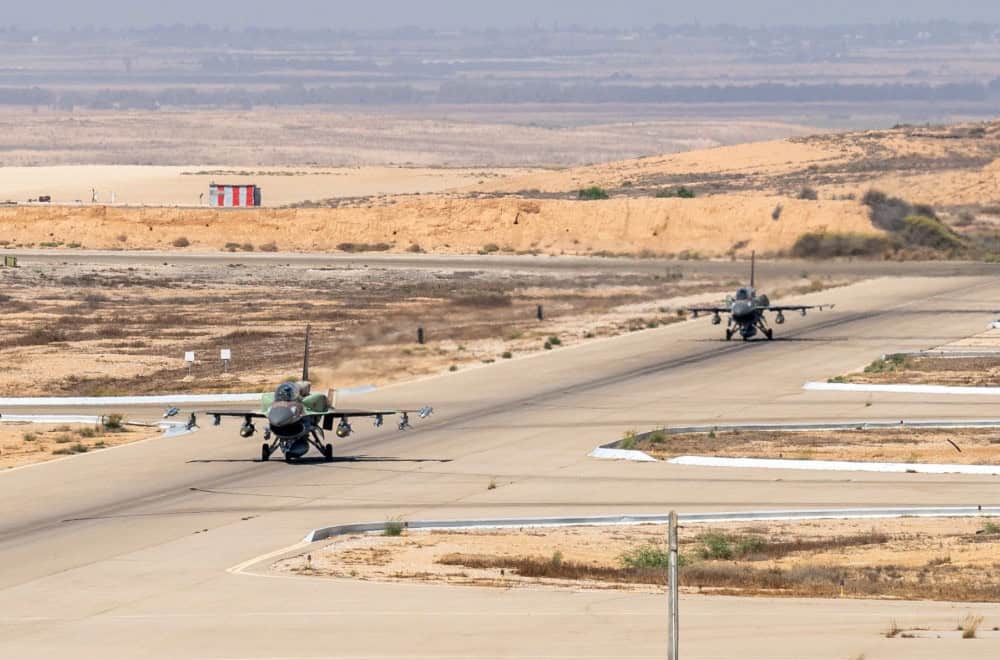
The Israel Defense Forces launched wide-ranging airstrikes on Hezbollah after previously carrying out a strike in Beirut that eliminated 16 of the group’s top commanders. More than 150 Israel Air Force warplanes participated in the attacks, and Hezbollah launched more than 150 rockets, missiles, and drones at Israel during roughly the same period.
-
Analysis: Nasrallah throws down the gauntlet to save face for twin telecommunications attacks
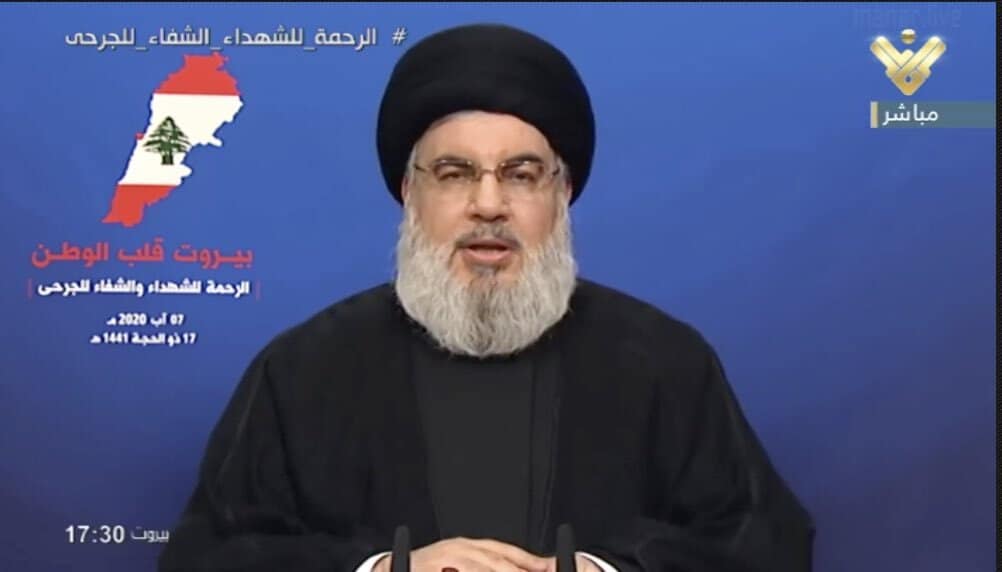
Hezbollah Secretary-General Hassan Nasrallah’s speech on Thursday afternoon was a difficult exercise in damage control after Israel’s attacks on September 17 and 18.
-
Analysis: Israel humbles Hassan Nasrallah and Hezbollah
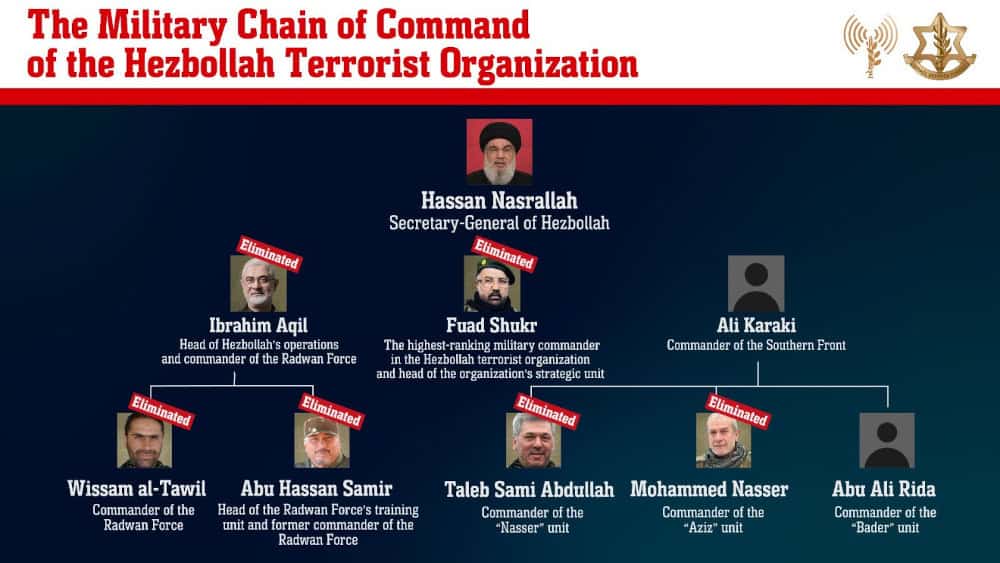
After a week of exploding pagers and radios, Israel carried out a significant and successful strike targeting Hezbollah military leaders in Beirut.
-
Israel prepared for Hezbollah response after Beirut strike
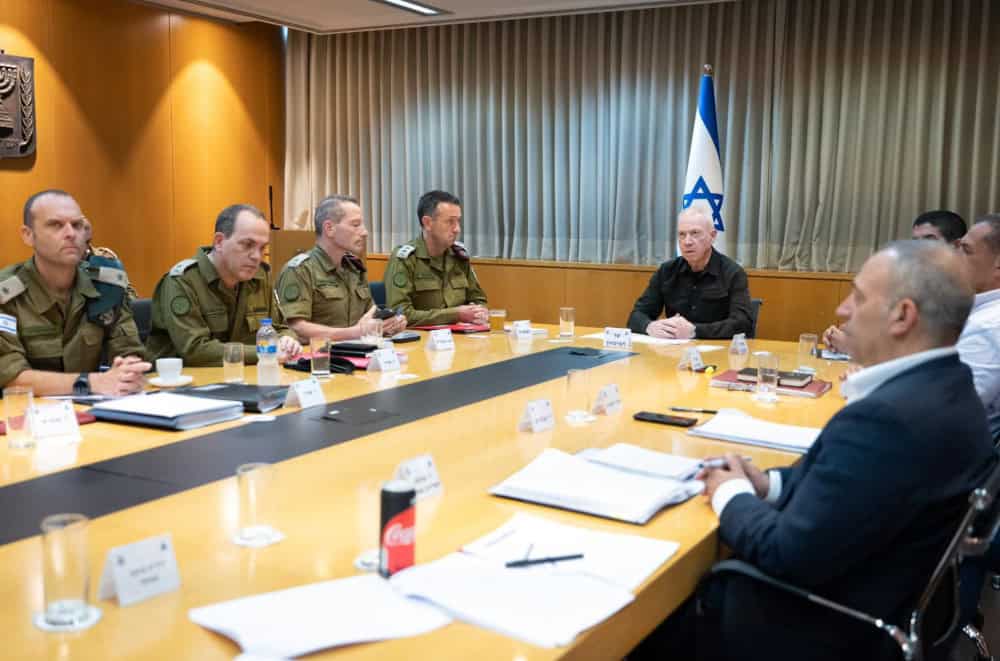
On September 19, the IDF asked residents of several northern towns and the city of Safed to adhere to special restrictions due to possible escalation with Hezbollah in Lebanon. On September 20, the IDF lifted the restrictions, even as Israel carried out an airstrike in Beirut that eliminated a Hezbollah leader and key Hezbollah commanders. The IDF Chief of Staff met with the head of the IDF’s Northern Command and IDF Division commanders, while Israel’s Minister of Defense also held key meetings about Israel’s new initiatives against Hezbollah.
-
Generation Jihad Ep. 213 — Now paging Hassan Nasrallah
Bill is joined by Joe and David to discuss yesterday and today’s explosions of devices belonging to Hezbollah terrorists across Lebanon.
-
IDF prepares for possible Hezbollah escalation after pager op in Lebanon
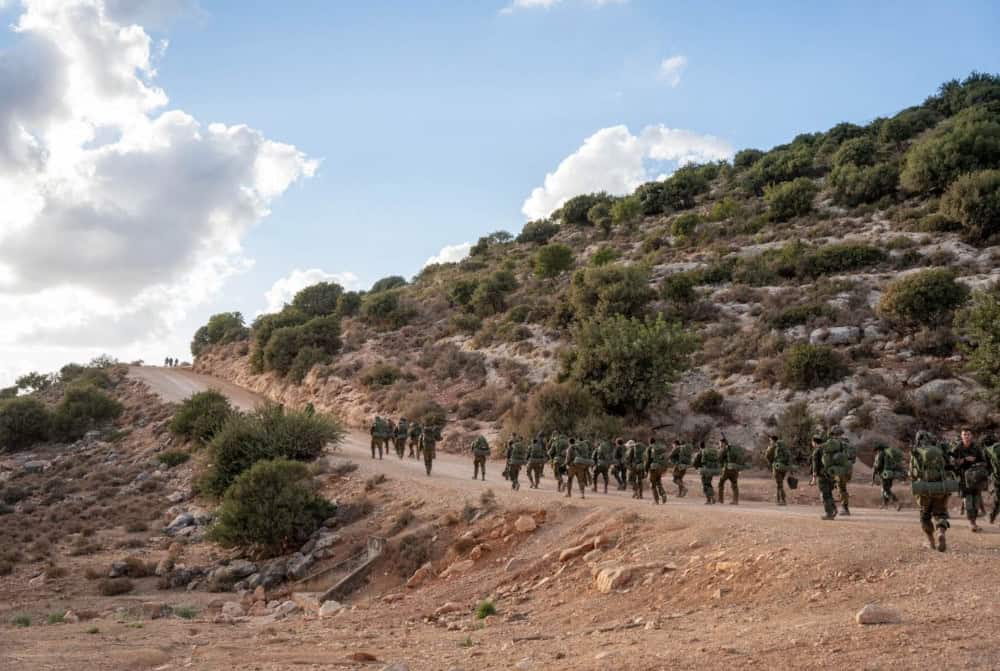
The Israel Defense Forces (IDF) head of Northern Command said the IDF is at “peak readiness” amid escalating tensions with Hezbollah. After thousands of pagers used by Hezbollah exploded on September 17, more devices exploded on September 18. IDF Chief of Staff Lieutenant General Herzi Halevi visited Israel’s Northern Command, and the IDF deployed its elite 98th Division to the north amid tensions.
-
Analysis: Al Qaeda strikes the Malian capital
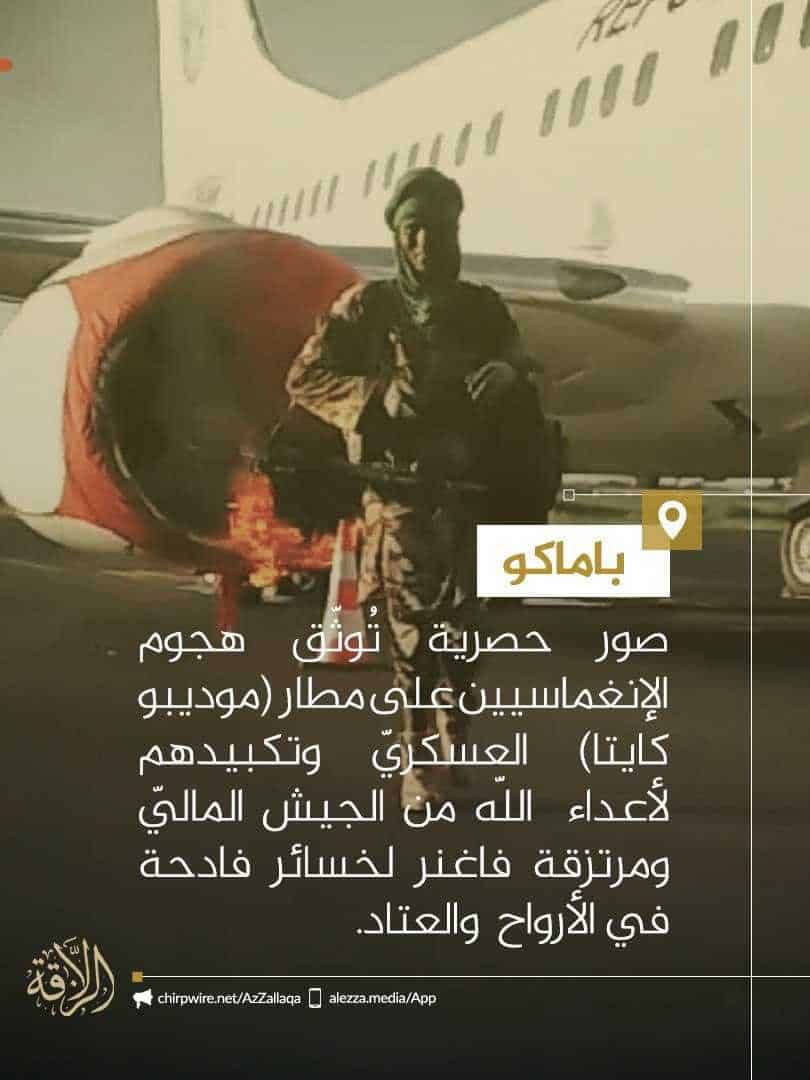
The Group for Support of Islam and Muslims (JNIM), al Qaeda’s West African branch, claimed responsibility for a coordinated assault in Mali’s capital city of Bamako yesterday. The attack comes as JNIM continues to push further south within Mali, threatening the stability of Interim President Assimi Goita’s military regime.
-
Analysis: Large-scale attack targets Hezbollah fighters
Pagers assigned to members of the Lebanese group exploded on September 17, injuring more than 2,500 people and causing an undetermined number of deaths. A significant Israeli assault that has potentially injured thousands of Hezbollah fighters is unlikely to go unanswered.
-
IDF rotates reserve infantry brigade to Gaza’s Netzarim Corridor
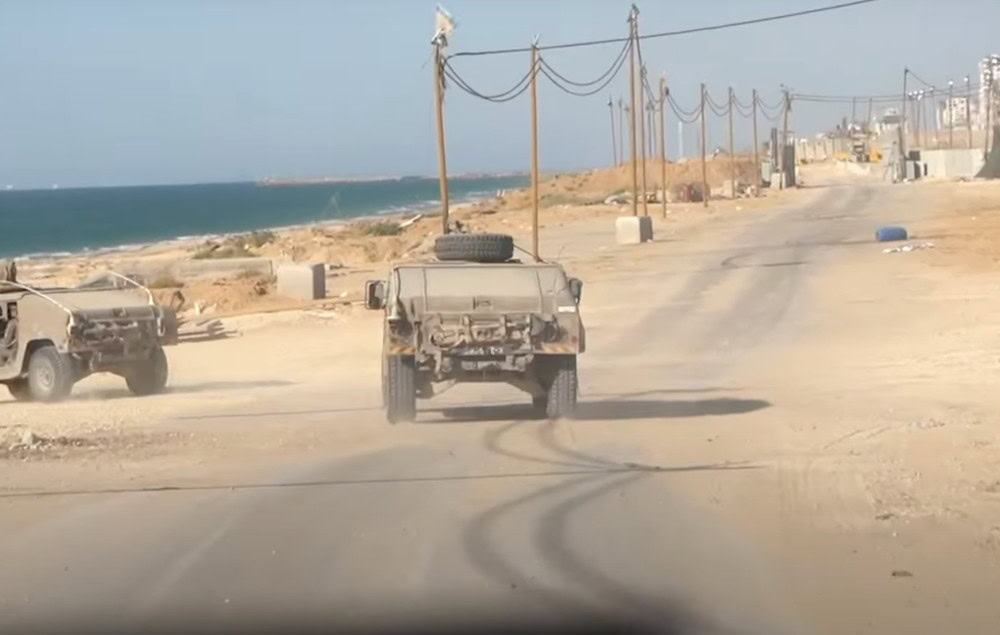
The Israel Defense Forces (IDF) deployed the 5th Brigade to central Gaza’s Netzarim Corridor, according to an IDF statement on September 16. The reserve infantry brigade recently completed training in Israel’s southern Negev Desert, in which it prepared for ground operations on the kind of terrain it will face in central Gaza. Deploying reserve units has become routine as the IDF rotates forces into central Gaza.
-
Generation Jihad Ep. 212 — Weekend at Bernie’s… in Gaza?
Bill and Joe unpack the latest concerning Iran-backed terrorist groups in the West Bank, Israel’s special ground operation in Syria last week, ceasefire negotiations, and whether Hamas is pulling a Taliban and playing Weekend at Bernie’s with its leadership.
-
Israel inches closer to decision on northern operation against Hezbollah
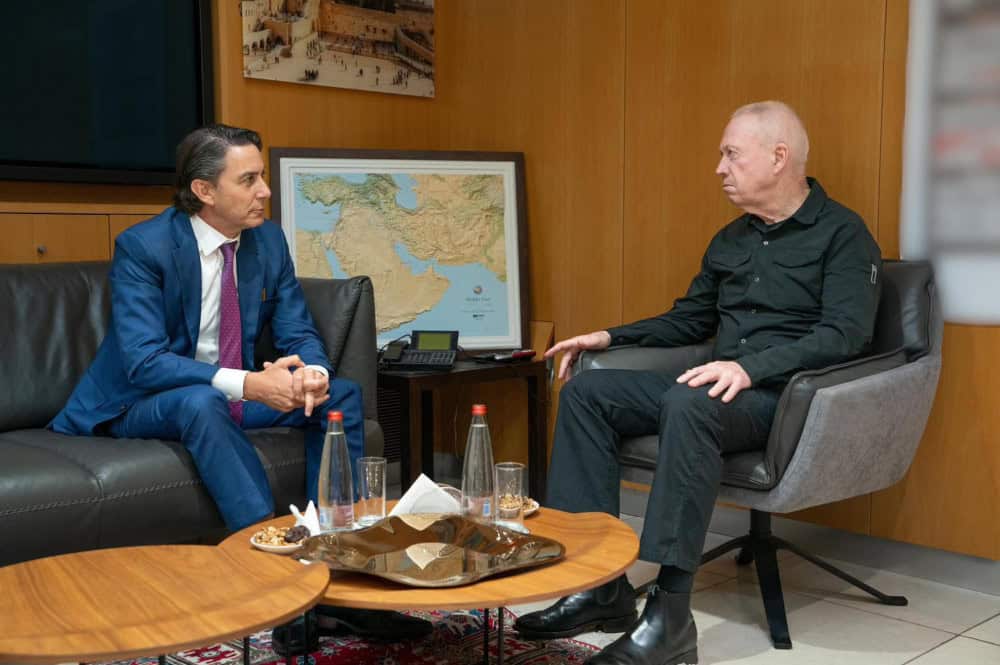
Israeli Prime Minister Benjamin Netanyahu and Minister of Defense Yoav Gallant met with Amos Hochstein, a senior advisor to President Joe Biden. Both indicated that Israel was nearing a decision to act with more military force against Hezbollah after 11 months of attacks that have forced 60,000 Israelis to evacuate from their homes. Hezbollah continued to carry out attacks on September 16, targeting numerous areas in northern Israel.
-
US and Iraqi forces kill Islamic State leaders
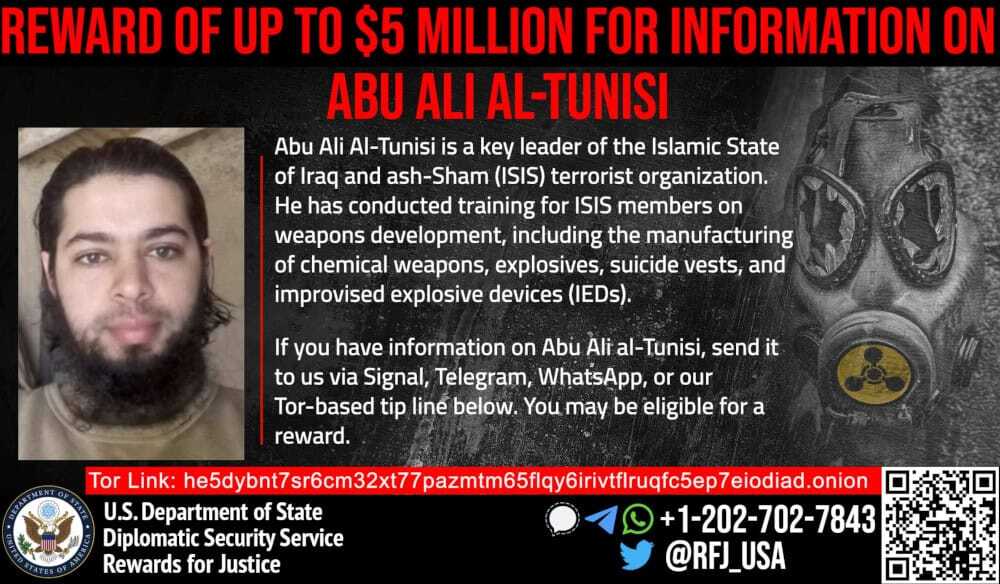
Abu-‘Ali al-Tunisi, one of the killed Islamic State (IS) leaders, had a $5 million bounty on his head. The raid against the IS cell took place one week before the news of the drawdown of US forces from Iraq.
-
Russia retakes some territory in the Kursk region
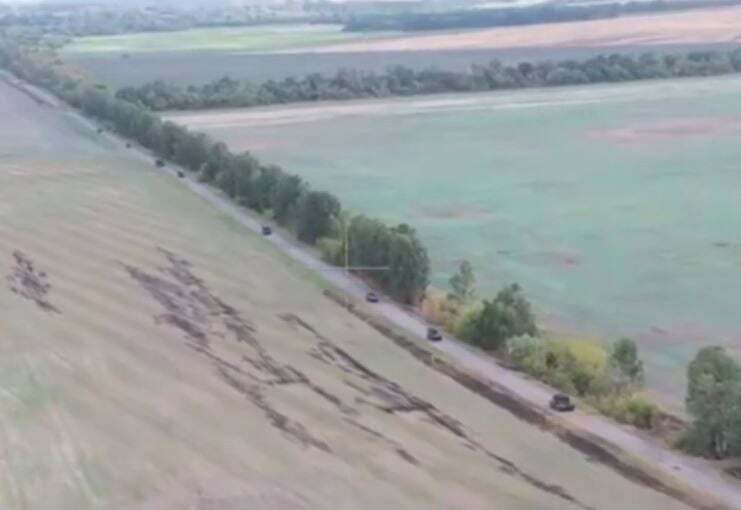
Russian forces are on the attack in the Kursk region. While it is unclear exactly how much progress they have made, Russia appears to have retaken at least some territory.
-
Analysis: Hezbollah’s Vengeance for Shukr was a propaganda exercise from start to Nasrallah’s speech
Hezbollah’s promised retaliation after Israel killed Fuad Shukr on July 31 finally came this Sunday. But the great vengeance promised by Secretary-General Hassan Nasrallah turned out to be a flop. Nasrallah’s subsequent speech after Hezbollah’s attack was a transparent exercise in damage control.
-
IDF’s multi-front challenge: From Rafah to Lebanon
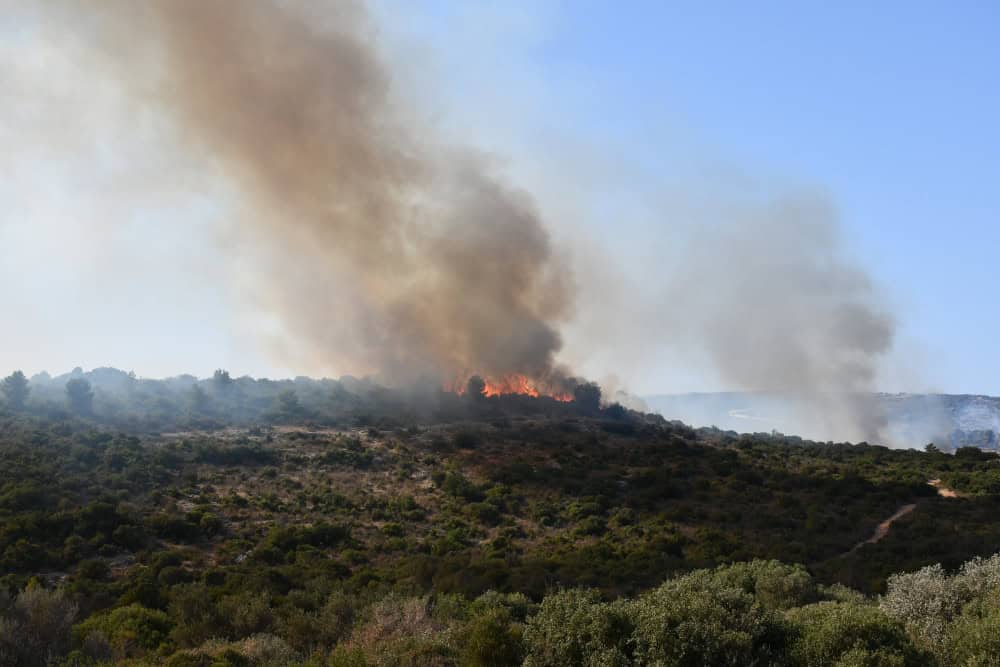
The IDF said it had dismantled the Rafah Brigade of Hamas on September 12, and over four months of fighting, an estimated 2,000 terrorists were killed in Rafah and its environs. Thirteen kilometers of Hamas tunnels, divided into a total of 203 tunnels, were found and destroyed by the IDF. Hezbollah increased its attacks on Israel on September 12 and September 13. Barrages of rockets targeted Safed and Israeli communities near the Mediterranean coastline, sparking fires.
-
Generation Jihad Ep. 210 — 23 years since 9/11
Bill and his Wednesday co-host Will Selber are joined by their friend and colleague Beth Bailey of the Afghanistan Project podcast — she also previously served in the intelligence community — on the twenty-third anniversary of the attacks of September 11, 2001. They reflect on where we were then and how we got to where we are now, twenty-three years later.
-
IDF targets Hezbollah’s Radwan Force commander
Hezbollah launched dozens of rockets at Israel in several barrages on September 10 and 11. The IDF responded with strikes on numerous locations in southern Lebanon, targeting terrorist infrastructure and killing two Hezbollah members, including a commander in the group’s Radwan force. An IDF reservist was wounded by an anti-tank missile.