-
Analysis: Russia moves forces to Kursk while intensifying push toward Pokrovsk
Though Ukraine’s Kursk offensive has achieved tactical success and boosted morale, it has so far failed to divert Russian forces attacking toward Pokrovsk. Instead, Russian gains there have accelerated as Moscow capitalizes on Ukraine’s manpower shortage.

-
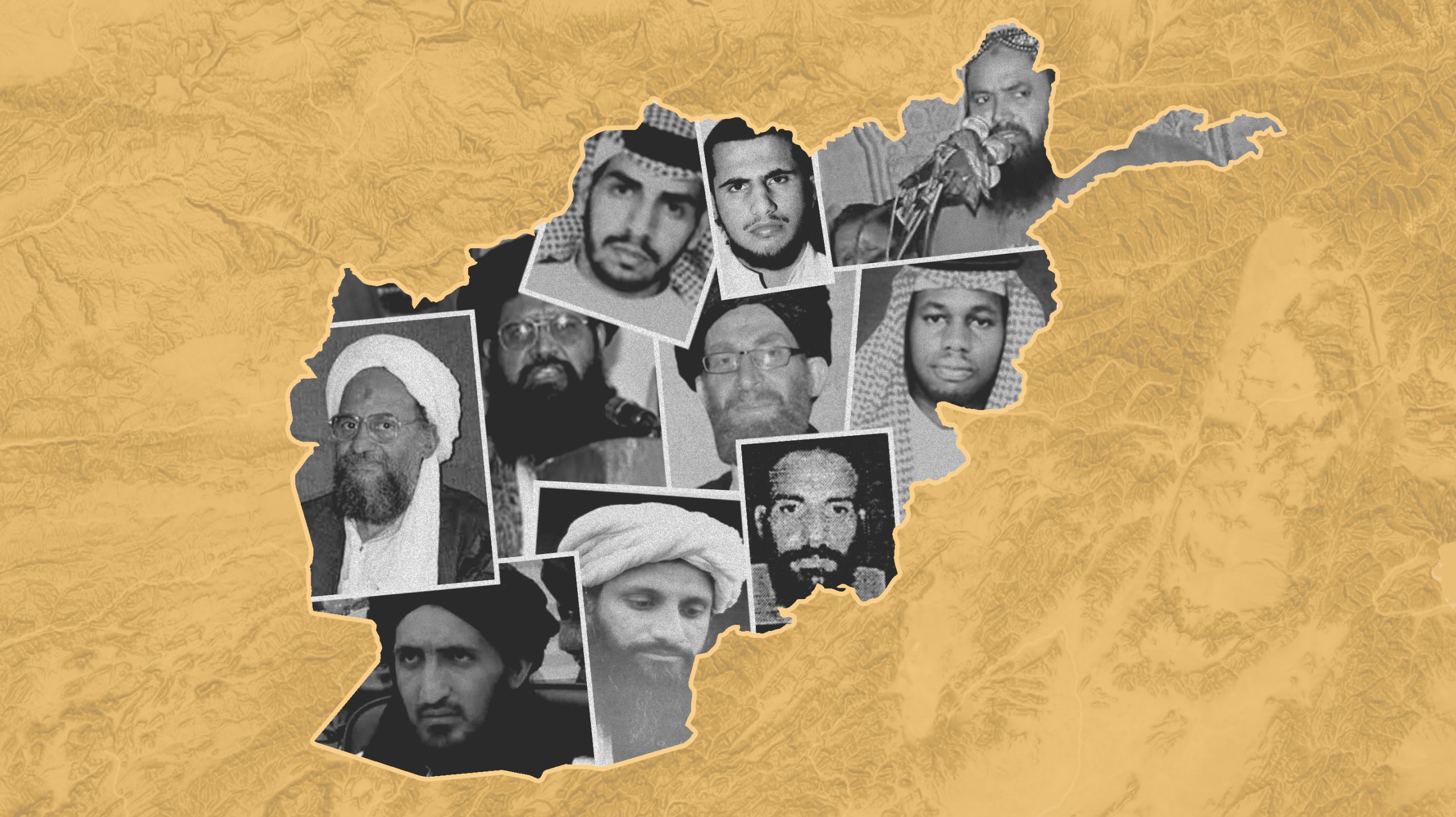
Analysis: When did the US lose Afghanistan?
Three years after the fall of Afghanistan, American politicians, policymakers, generals, and foreign policy “experts” can’t admit we lost the war. If they did, they would have to own their role in that failure.

-
Top Israeli officials focus on northern front, returning Israelis to communities
Israeli Defense Minister Yoav Gallant held a strategic discussion with IDF Chief of Staff Lieutenant General Herzi Halevi on August 29 and discussed the need to return Israeli citizens to their homes in northern Israel. Prime Minister Benjamin Netanyahu traveled to northern Israel on August 28 and said the nation must restore security and return residents to their homes. “This is a national goal of the highest order,” Netanyahu said.

-
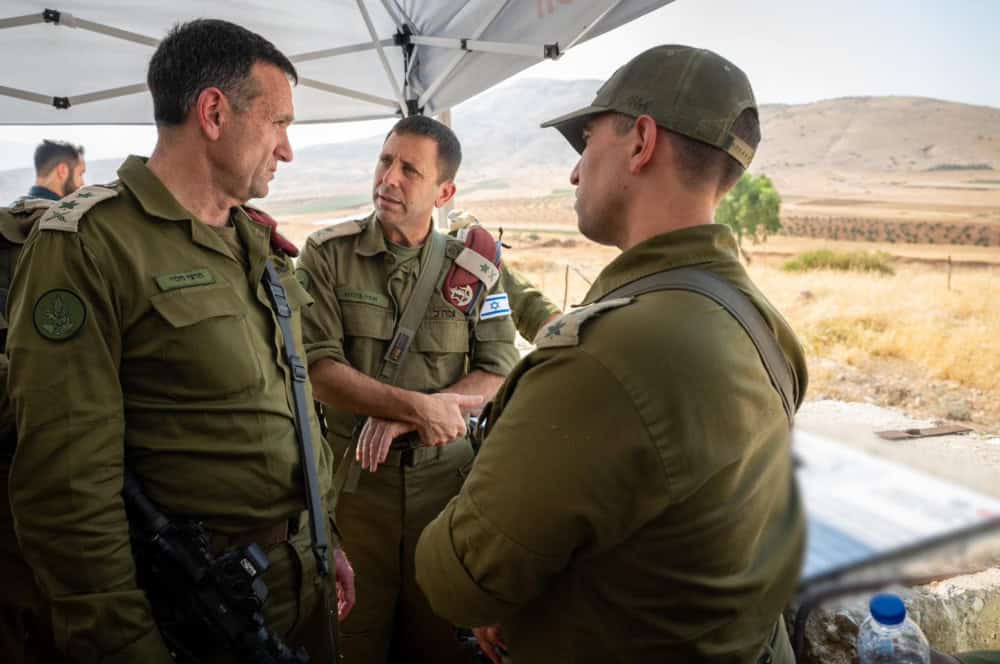
IDF chief of staff visits Jordan Valley amid West Bank terror threats
Israel Defense Forces Chief of Staff Lt. Gen. Herzi Halevi visited the Jordan Valley on August 27, where he met with officers of the Jordan Valley Brigade and spoke with the heads of local communities. His visit comes after several recent terror attacks in the valley and as threats have increased in the northern West Bank.
-
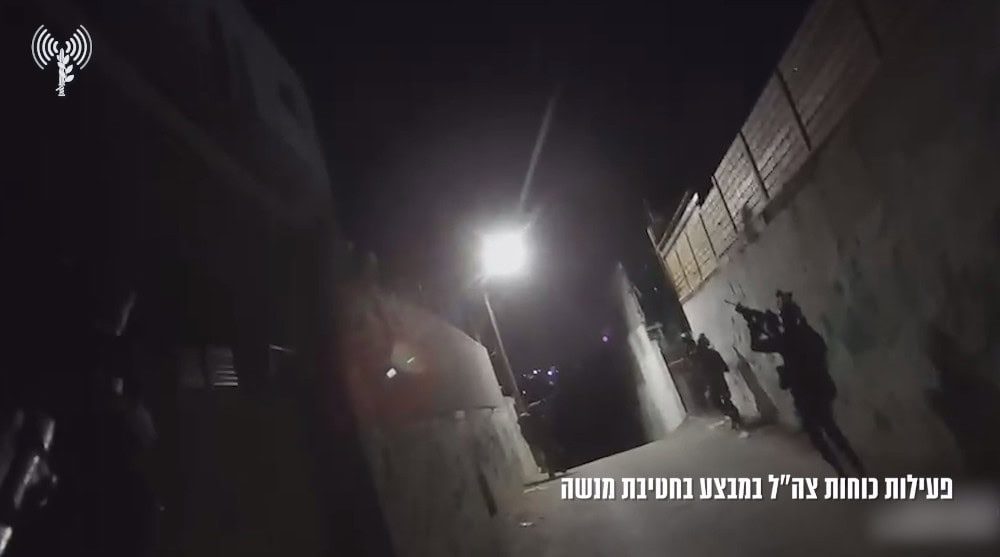
Israeli military launches extensive operation against West Bank terrorist groups
The Israeli military launched an extensive operation in the West Bank on Tuesday aimed at degrading infrastructure established by terrorist groups in the territory.
-
IDF rescues a hostage in Gaza
The Israel Defense Forces rescued Qaid Farhan Alkadi, a hostage held in Gaza since the Hamas attack on October 7, from a tunnel in southern Gaza. Alkadi was flown by helicopter to an Israeli hospital in Beersheba, where he met members of his family and spoke with Israeli Prime Minister Benjamin Netanyahu.

-
IDF pushes into central Gaza as terror threats shift
The IDF expanded operations in the outskirts of Deir al-Balah in central Gaza and said Israeli forces eliminated dozens of terrorists and found weapons and a tunnel. Hamas launched a rocket at central Israel on August 25, and Israel hit the launch site with an airstrike.

-
Generation Jihad Ep. 206 — The Hezbollah-Israel conflagration
Bill and David Daoud unpack the latest details from the current clash between Hezbollah and Israel.

-
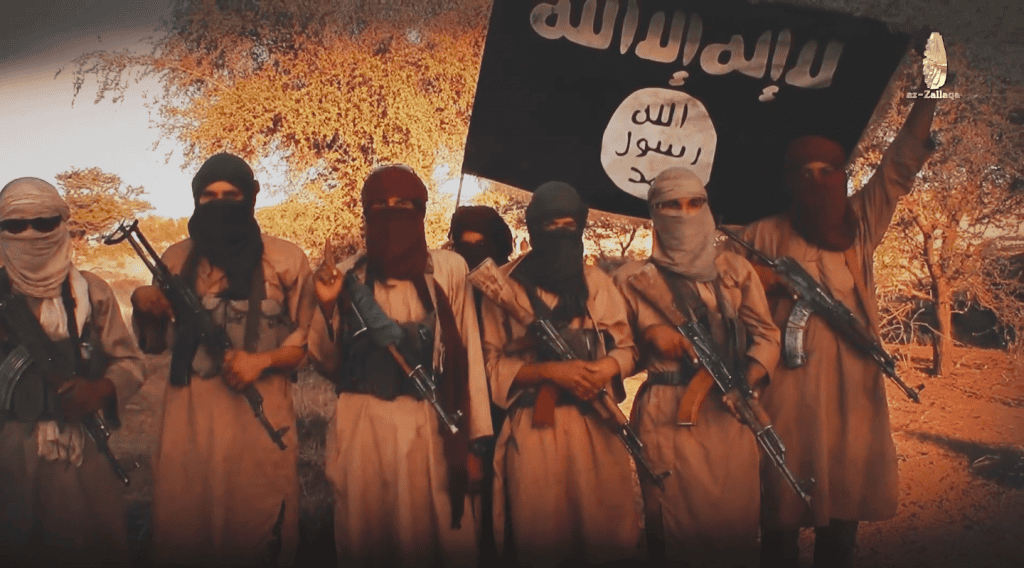
Analysis: Al Qaeda kills hundreds in Burkina Faso attack
On Saturday, the Group for Support of Islam and Muslims (JNIM), Al Qaeda’s branch for West Africa, killed at least 200 people in a massive assault in central Burkina Faso.
-
Analysis: Israel is targeting orchestrators of West Bank terrorism
Israel is waging a campaign of targeted eliminations against members of various terrorist groups who are orchestrating violence in the West Bank.

-
IDF confronts major Hezbollah barrage using preemptive airstrikes
Hezbollah launched a large barrage of rocket attacks on Israel in the early hours of August 25, but the Israel Defense Forces (IDF) acted preemptively to thwart the attack. “Approximately ninety percent of the targets struck were short-range rockets aimed at northern Israel,” the IDF said. Around 100 Israeli warplanes struck 270 targets. Hezbollah claimed it launched more than 300 rockets at Israel.

-
Generation Jihad Ep. 205 — “Things could get a whole lot worse.”
Subbing for Bill and Behnam this week are Joe and David Daoud. They catch up on the latest goings on with Hezbollah and its war of attrition against Israel.
-
Israeli defense minister announces the defeat of Hamas’s Rafah Brigade
On August 21, Israeli Defense Minister Yoav Gallant visited the Philadelphi Corridor in southern Gaza and met with commanders of the 162nd Division, which has been fighting Hamas in Rafah since May. Gallant said the Hamas Rafah Brigade has been defeated. The IDF continued to expand operations in Khan Younis and central Gaza, and one Israeli soldier was killed, the IDF said on August 23.

-
Generation Jihad Ep. 204 — Three years after the fall of Kabul
Bill and Will recently attended a conference organized by the Afghanistan United Front resistance group (and with help from Will). They unpack what was on the docket, including the repercussions of the fall of Afghanistan three years ago and looking ahead to consider Afghanistan’s future.
-
Hezbollah targets the Israeli town of Katzrin in the Golan Heights
Hezbollah launched a rocket attack on the Golan Heights on August 21, firing more than 50 projectiles at the Israeli community of Katzrin and nearby areas. The rockets caused significant damage and one injury in the town of 8,000 residents. In addition, Hezbollah carried out numerous other attacks on northern Israel, part of a recent escalation by the Iranian-backed terrorist group.

-
Analysis: From “harsh punishment” to “tactical retreat”—time isn’t on Tehran’s side
The Islamic Republic has scaled back its rhetoric against Israel by exercising “strategic ambiguity” and “tactical retreat” while claiming that “time is on [Tehran’s] side.” Israel’s ongoing onslaught against Iran-backed groups in Gaza, the West Bank, and Lebanon suggests otherwise.

-
Israeli forces recover the bodies of six hostages in Gaza
On August 20, the Israel Defense Forces (IDF) announced recovering the bodies of six hostages in Khan Younis in southern Gaza. In addition, Israeli forces found a tunnel in Gaza that stretches for more than a mile.

-
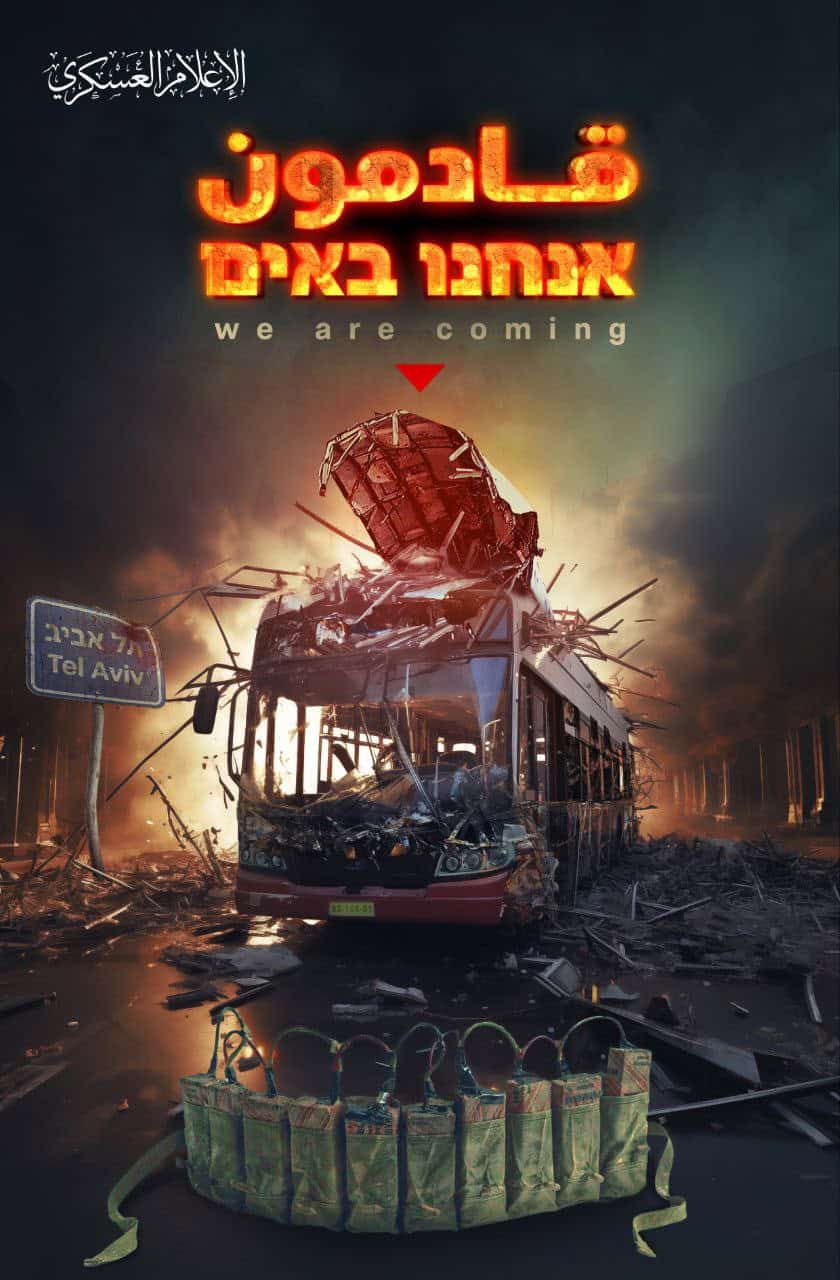
Hamas and Islamic Jihad claim responsibility for botched Tel Aviv bombing
Hamas and Islamic Jihad took credit for a suicide bombing attack in Tel Aviv on Sunday evening. In the aftermath, Palestinian social media became rife with propaganda lauding the bomber and encouraging copycat attacks against Israeli civilians.
-
Ep. 203 — Terrorists suffering from Premature Detonation (PD)
Bill and Joe catch up on the latest headlines related to Israel’s defensive war, including a possible ceasefire, more terror tunnels uncovered and destroyed, the Hezbollah attack that killed an IDF soldier, and the suicide bombing in Tel Aviv.
-
Generation Jihad Ep. 202 — History doesn’t have to repeat itself in Afghanistan
Bill and Will Selber are joined by friend of the show Jerry Dunleavy. Jerry was the senior investigator for the House Foreign Affairs Committee’s investigation of the withdrawal from Afghanistan until he shared his letter of resignation on X earlier this week. Why did Jerry resign? The answer requires revisiting how events leading up to the fall of Kabul and withdrawal from Afghanistan unfolded and played out — and the ever-expanding black hole of accountability.
-
Hezbollah targets northern Israel with rockets and drones in latest escalation
Hezbollah attacked northern Israel with rockets and drones on August 15, including firing around 20 rockets at the Shamir area. The IDF said a majority of the incoming threats were intercepted. Hezbollah described the attack as an increase in its range inside Israel, and the Iranian-backed terrorist group also continued to threaten broader attacks in retaliation for an IDF airstrike in Beirut in July.

-
Israel confronts Hamas in southern Gaza amid regional threats
The Israel Defense Forces (IDF) called on Palestinian civilians to evacuate several neighborhoods in southern Gaza after receiving continued rocket fire and detecting terrorist activity. Hamas attempted to target Tel Aviv with two long-range rockets on August 13. The IDF struck 30 targets in Gaza between August 10 and 11, and the continued fighting in southern Gaza comes amid Iran’s threats to target Israel in a broader attack.

-
Generation Jihad Ep. 201 — New UN report on jihadi threat in Africa, Asia, and the Middle East
Bill is joined by Long War Journal and Generation Jihad regulars Edmund Fitton-Brown and Caleb Weiss to discuss the latest report by the UN’s Analytical Support and Sanctions Monitoring Team on the status of jihadi groups in Africa, Asia, and the Middle East.
-
Generation Jihad Ep. 200
Bill and Joe unpack Iran’s strategy of keeping Israel and partners on their toes in anticipation of some form of retaliation for Israel’s recent assassination of Ismail Haniyeh in Tehran.
-
Analysis: Ukraine’s bold—and risky—gamble in Kursk
Ukraine’s surprise offensive in the Kursk region is a daring gambit likely intended to divert Russian forces and shift the war’s momentum. But it also comes with major risks for Ukraine, which is short on reserves and struggling to hold its lines in Donetsk Oblast.

-
Hamas taps Yahya Sinwar to replace slain leader Ismail Haniyeh
Following the elimination of Ismail Haniyeh in Tehran on July 31, Hamas announced the selection of Yahya Sinwar as the group’s head on August 6.

-
Analysis: Mass arrests and conflicting narratives following the Haniyeh assassination
Iran’s regime arrested dozens of intelligence officers who may have been responsible for the security breach that led to Haniyeh’s assassination. The IRGC’s sole control over the investigation into the incident and the regime’s contradictory reporting further demonstrate various parties are intentionally crafting differing narratives to deflect blame and avoid being seen as incompetent.

-
Generation Jihad Ep. 198 — The state of global jihad with Preston Stewart
Social media influencer Preston Stewart joins Bill and Joe to discuss Preston’s experience both serving in and covering global conflicts and wars from serving in Afghanistan to multiple TikTok bannings as well as his take on Israel’s rapidly expanding war against the Islamic Republic of Iran and its proxies, Russia’s war in Ukraine, and the conflict in Mali.
-
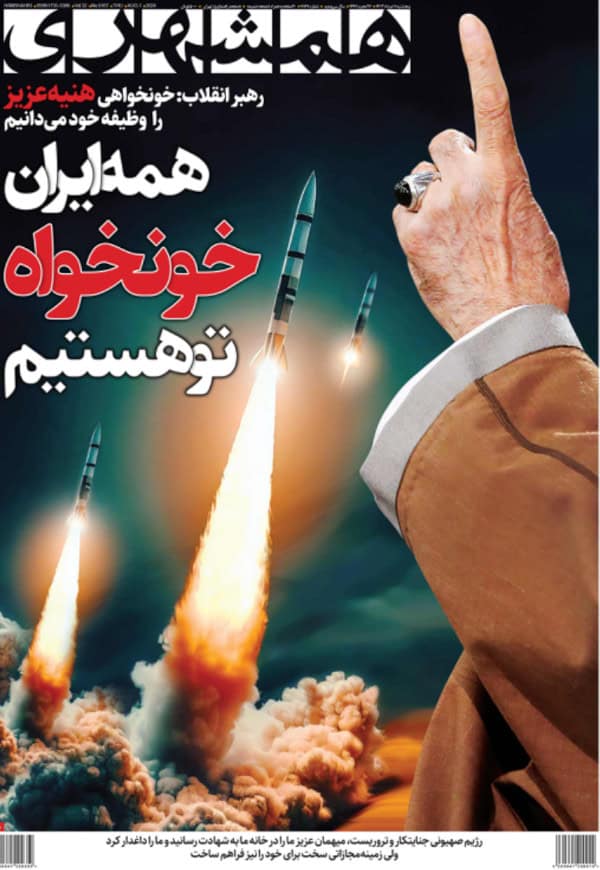
Analysis: The Islamic Republic prepares to avenge Ismail Haniyeh
Despite Israel’s precision strike on a radar facility in Isfahan on April 19 and the recent assassination of Hamas Political Chief Ismail Haniyeh in Tehran, Iran remains undeterred from picking a fight with conventionally superior and even nuclear-armed states. For a regime that has perfected the art of proxy warfare, the Islamic Republic is increasingly seeing the political utility of overt and attributable conflict in the Middle East.
-
Analysis: Hints within Nasrallah’s speech about Hezbollah’s retaliation for Beirut strike
A speech by Hassan Nasrallah, the secretary general of Hezbollah, suggests Hezbollah intends to conduct painful retaliation for Fuad Shukur’s assassination but that the organization is still not interested in escalating to a full-scale conflict with Israel. When it comes, the retaliatory strike will likely aim to remain below the threshold that leads to the outbreak of war.