-
Al Qaeda-linked Lebanese jihadist eulogizes Palestinian figure killed in Syria
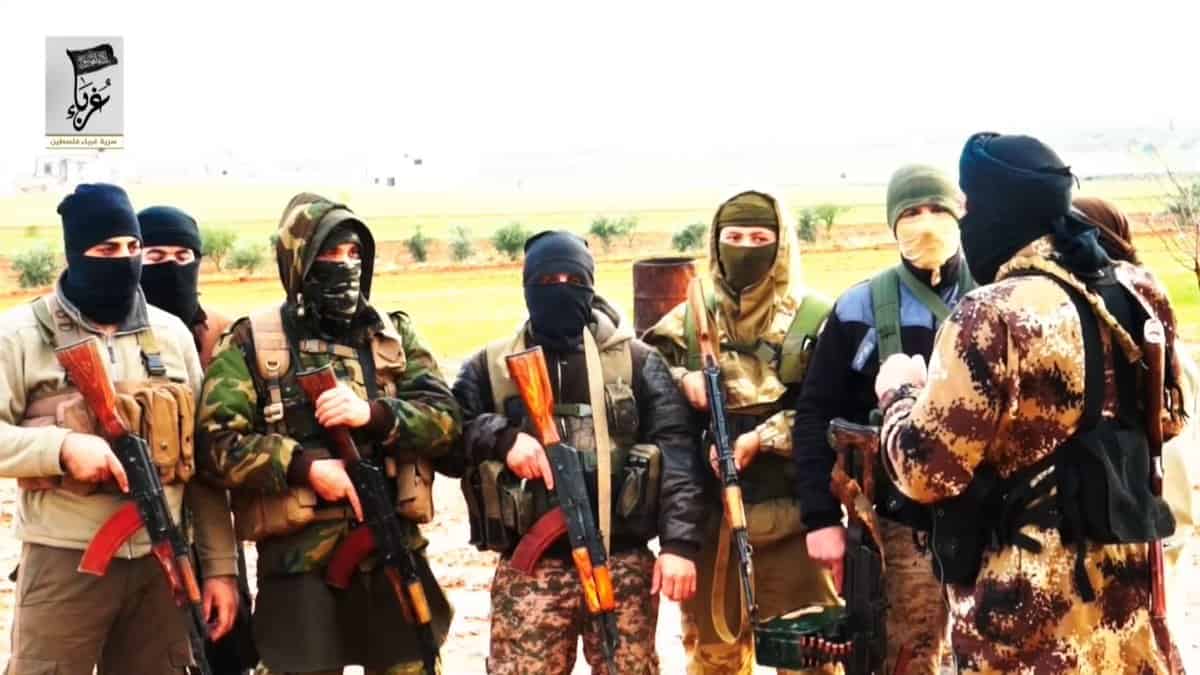
Abu Muhammad al Filistini, the recently killed leader of a Palestinian jihadist faction in Syria, was recently eulogized by a reported senior commander in the al Qaeda-linked Abdullah Azzam Brigades in Lebanon. Filistini, whose real name was Ibrahim Khaza’il, was also reportedly a member of the Abdullah Azzam Brigades.
-
Taliban flaunts apparent control in Kandahar district
The Taliban videotaped a nighttime assault on an Afghan base in the highly contested district of Khakrez in Kandahar province. The base was overran and the Taliban loitered there into daytime without fear of reprisal for Coalition and Afghan air forces.

-
US concentrates Somalian air campaign around Jilib
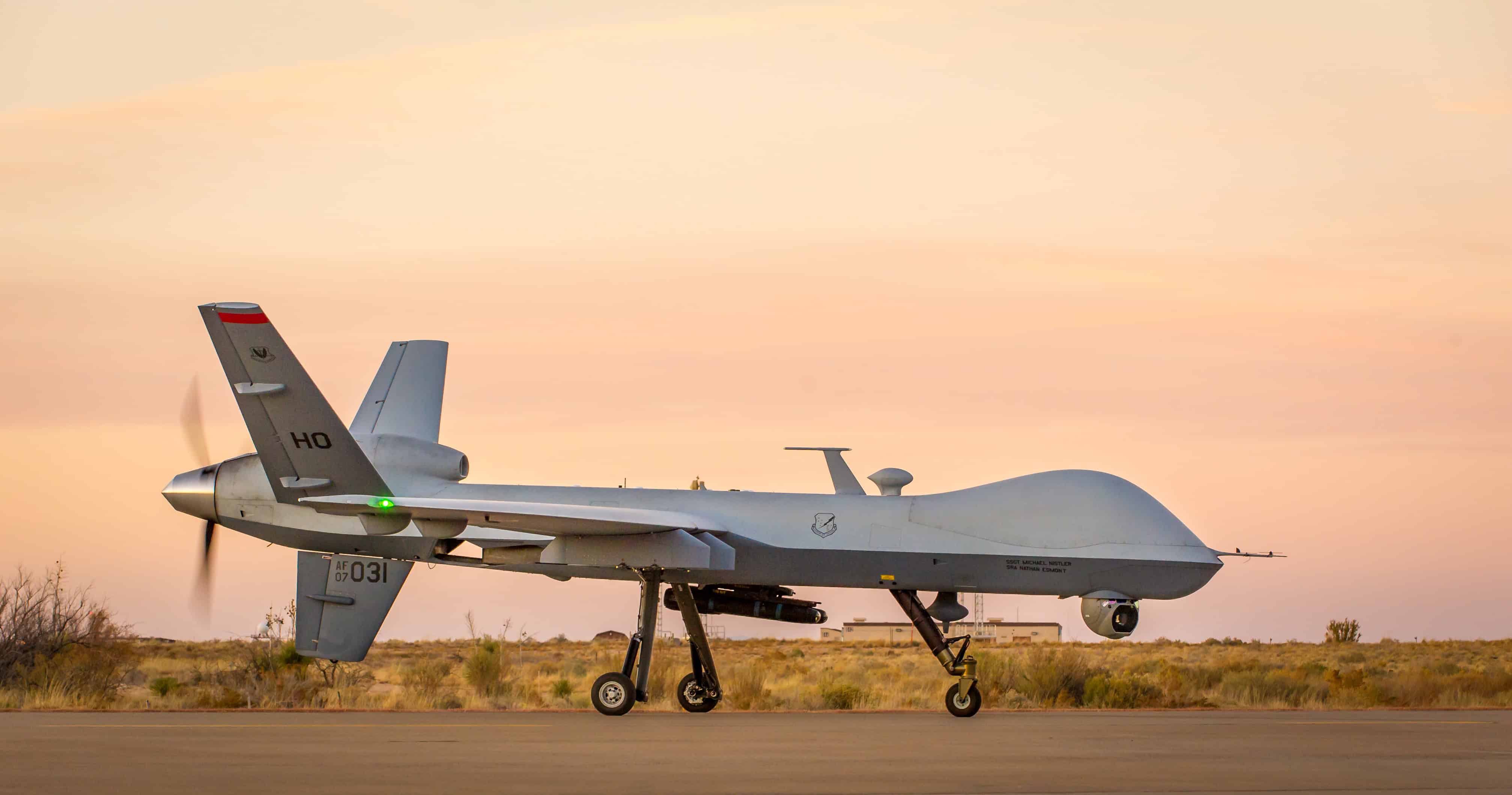
Strikes in 2018 have been concentrated in and around the town of Jilib, whihc has been identified as a Shabaab safe haven.
-
State Department designates 7 ISIS-affiliated groups as terrorist organizations
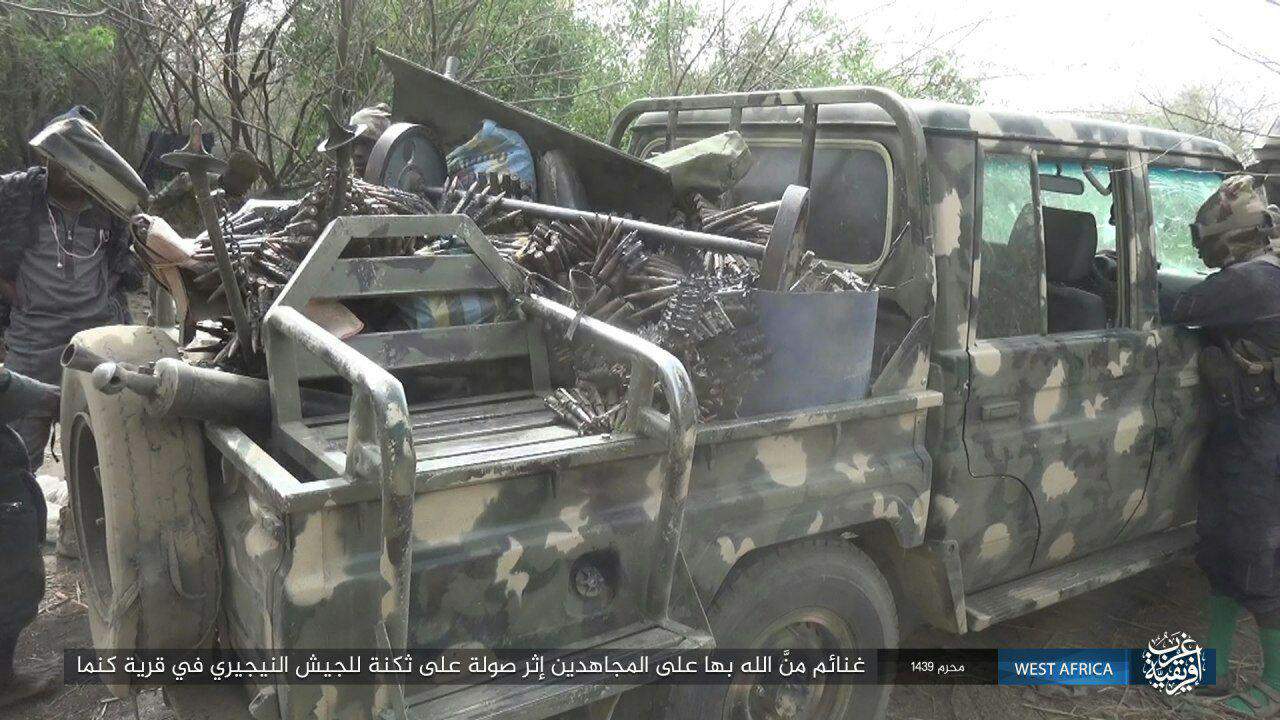
The State Department announced today announced today that seven ISIS-affiliated groups have been designated as terrorist organizations. Underscoring the so-called caliphate’s growth outside of Iraq and Syria, the move targets ISIS affiliates in Bangladesh, Egypt, the Philippines, Somalia, Tunisia and West Africa. Two ISIS leaders in Africa were named as specially designated global terrorists as well.
-
Tuareg militias battle Islamic State-loyal militants in northern Mali
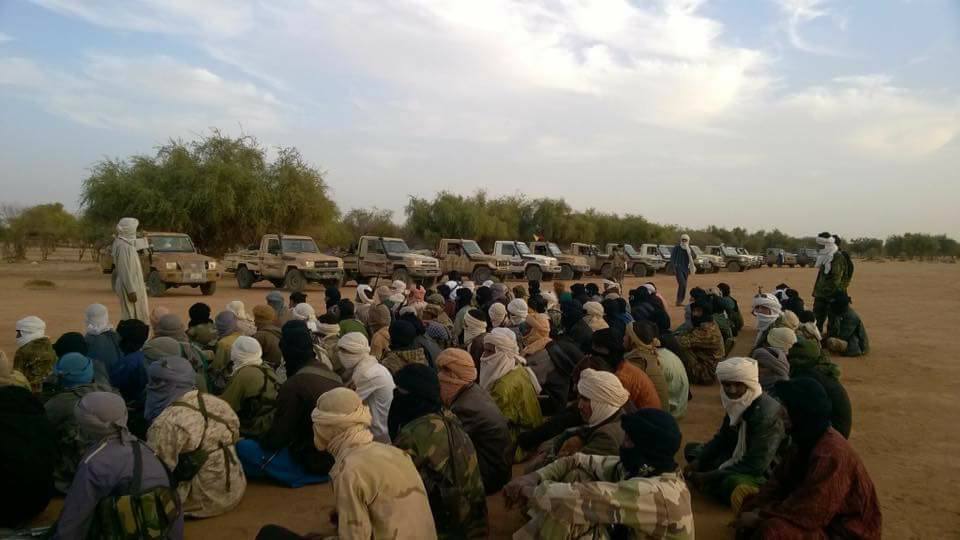
The operations, which occurred alongside French special forces, were to reportedly kill or capture Abu Walid al Sahrawi, the leader of the so-called Islamic State in the Greater Sahara.
-
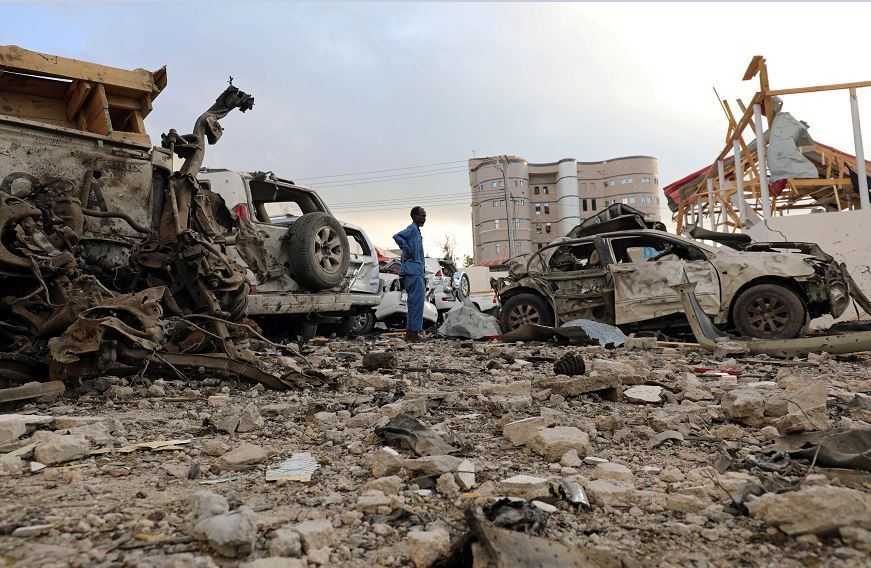
Shabaab claims deadly assault on presidential palace in Mogadishu
The coordinated suicide bombings and subsequent assaults are the first major attack of its kind to hit Mogadishu this year.
-
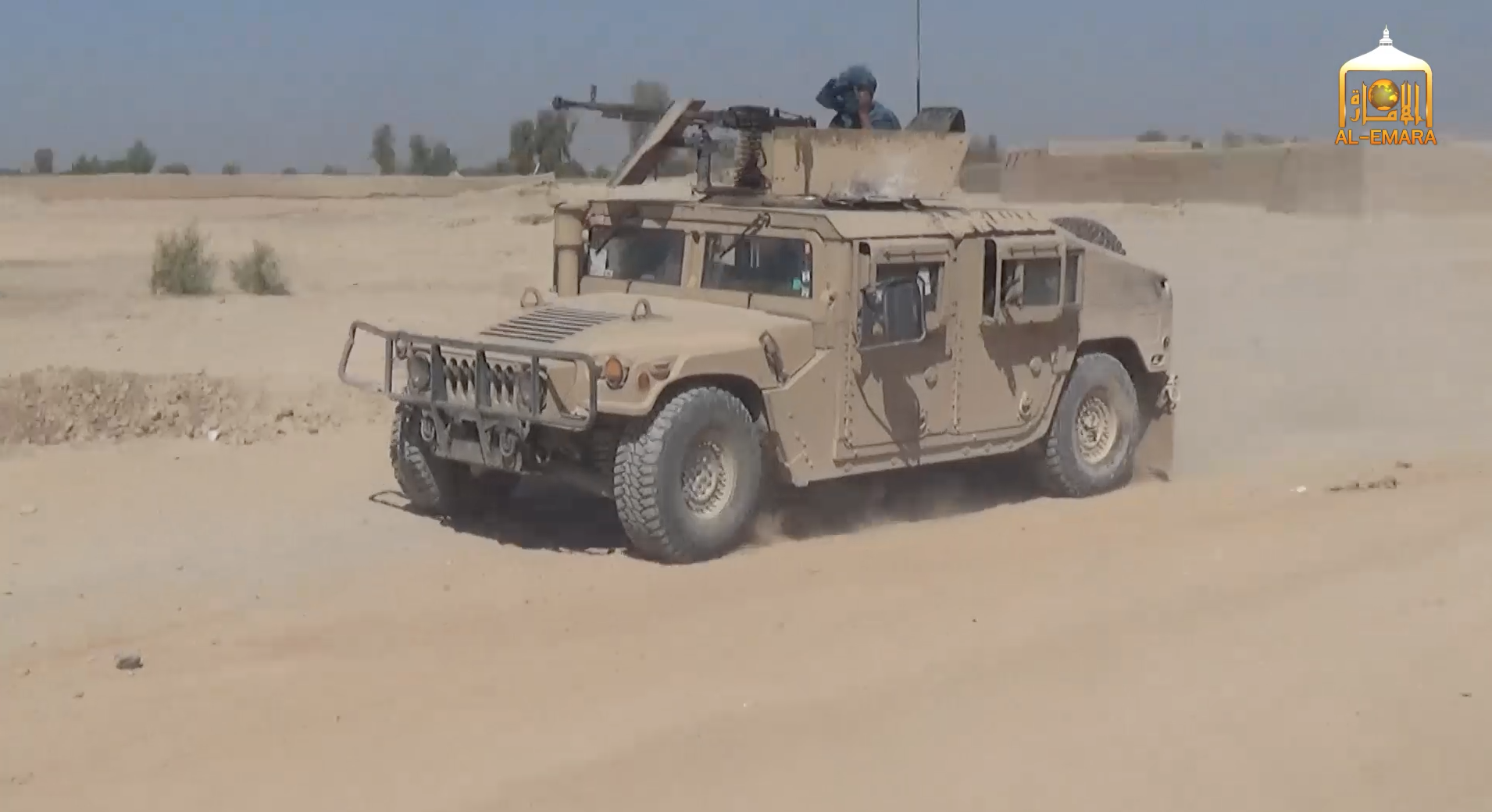
As security in Farah worsens, Taliban stage deadly attack
The Taliban killed more than 20 soldiers during a nighttime raid on an Afghan military base. Security in Farah has deteriorated over the past several years and Afghan officials now say the provincial capital is again threatened by the Taliban.
-
Bahraini militants buried in Iran
The funerals further highlight Iran’s support of Bahraini Shia militias.

-
Bahraini militant group adopts IRGC branding
The new branding further highlights Saraya al Ashtar’s role within the Iranian-led “Axis of Resistance” in the Middle East.

-
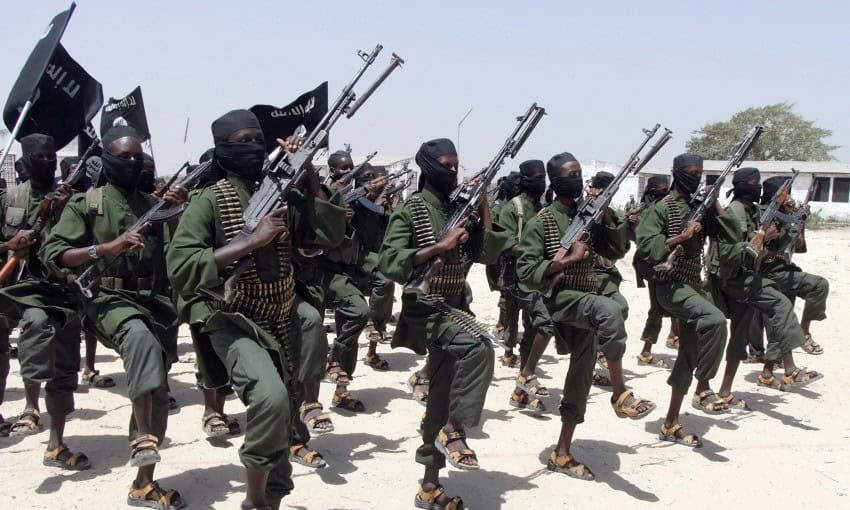
US kills four Shabaab jihadists in Somali airstrike
US forces killed four Shabaab terrorists in a strike in southern Somalia. The strike is the second since Feb. 19.
-
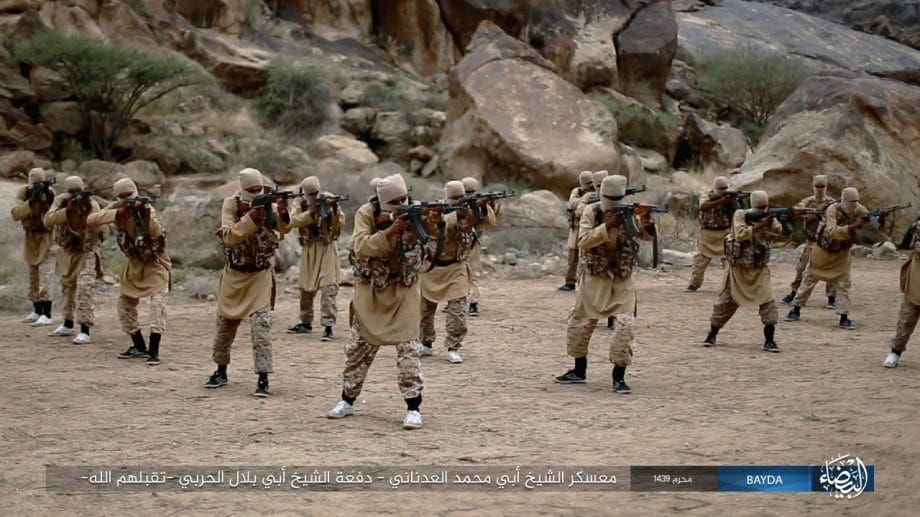
Analysis: ISIS hasn’t been defeated
On January 19, the Pentagon released its new National Defense Strategy, which prioritizes “inter-state strategic competition” from China and Russia over “terrorism.” In many ways, the strategy makes sense. However, the threat from ISIS and al Qaeda has not been eliminated. The jihadists are fighting around the globe, everywhere from West Africa to Southeast Asia.
-
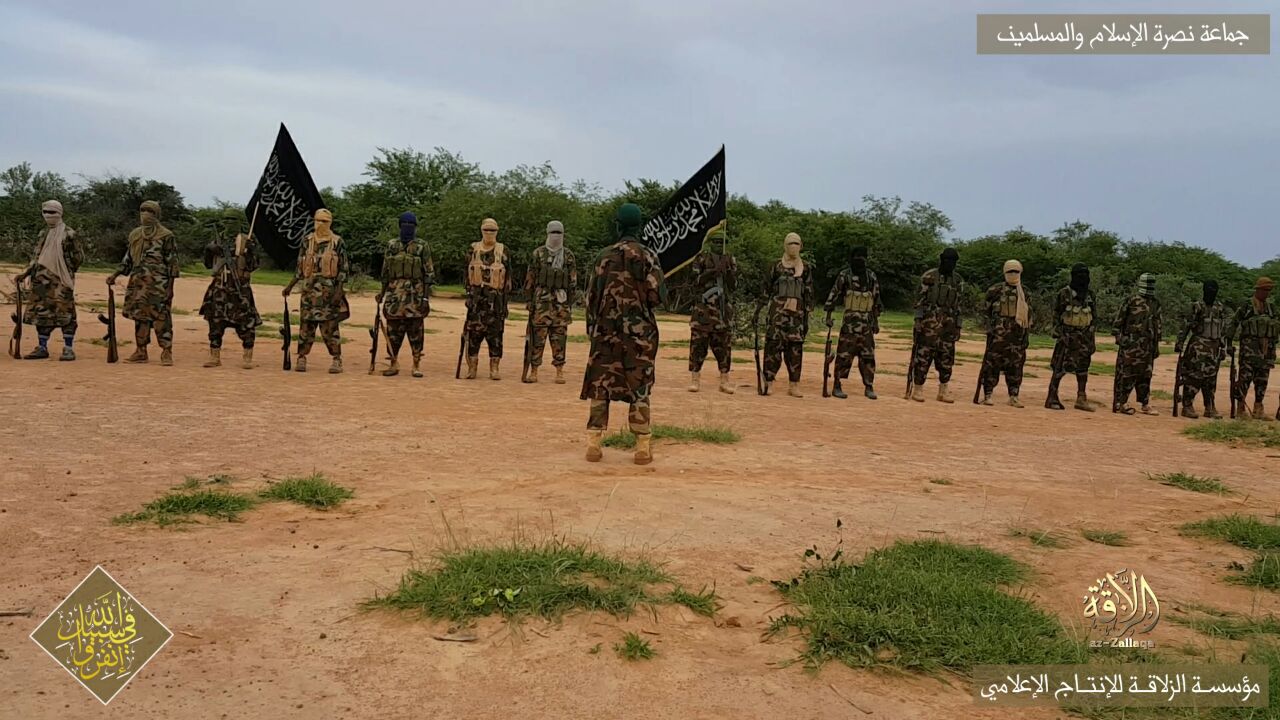
French soldiers killed by IED in northern Mali
The deadly IED blast comes just a week after major French raids on JNIM positions and leaders near the borders with Algeria.
-
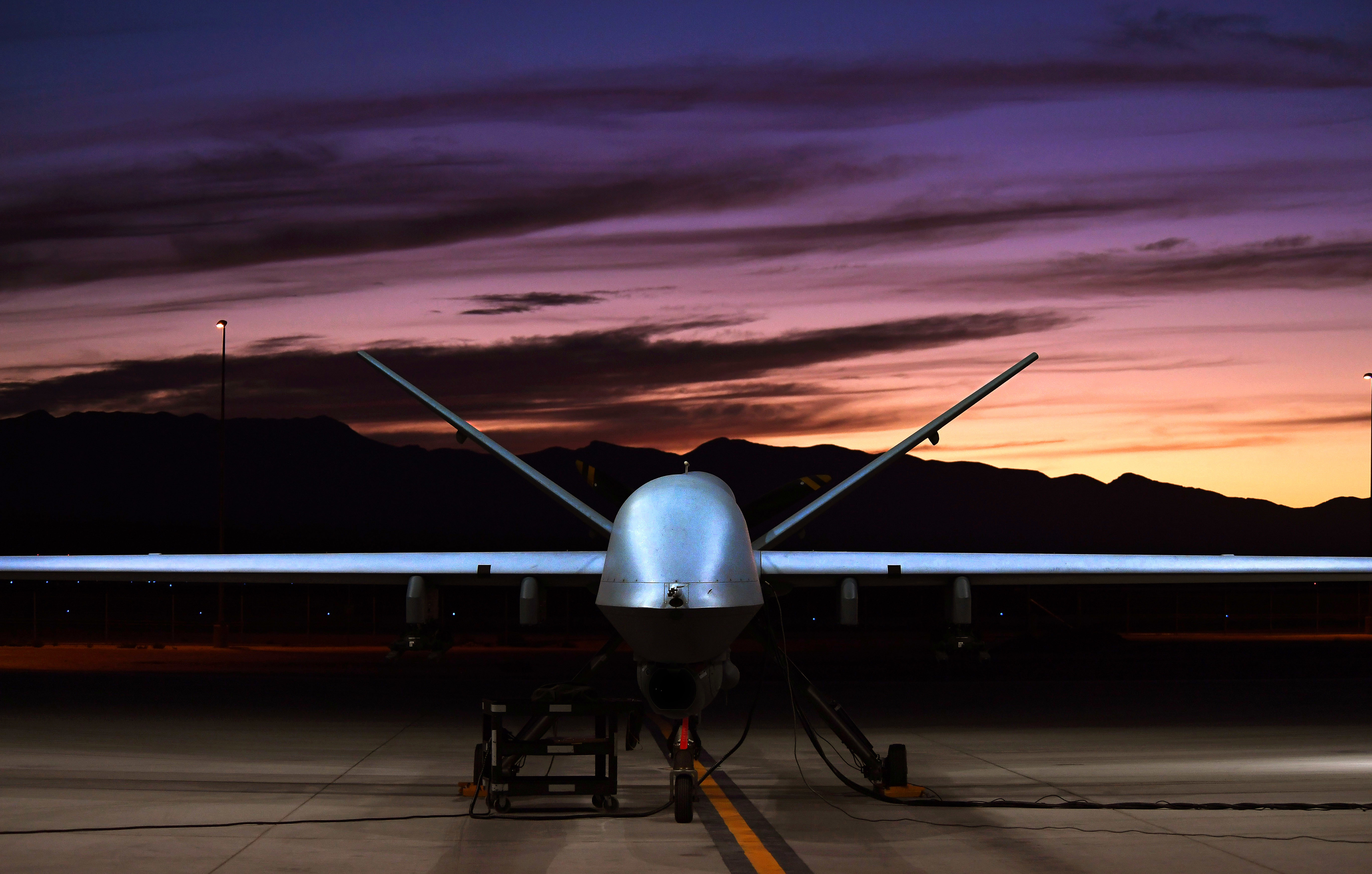
US strike kills three Shabaab fighters in Somalia
US forces have conducted four strikes in Somalia in 2018, all of which targeted Shabaab.
-
Parsing the Iran portions of the 2018 Worldwide Threat Assessment
On select measures of the Iran threat, the 2018 document is remarkably consistent with themes from past assessments. Yet, in this latest assessment, additional attention is paid to the country’s evolving cyber aptitudes and to its turbulent domestic politics.
-
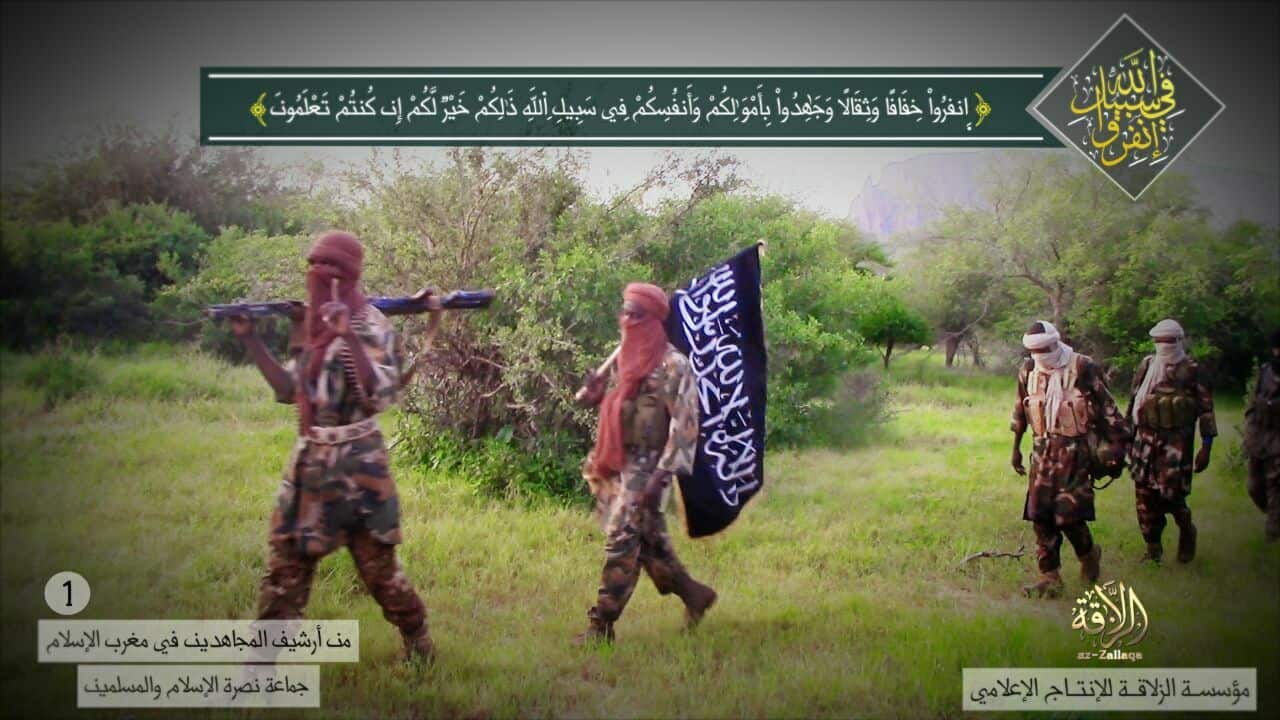
State Department designates Burkinabe jihadist group Ansaroul Islam
The State Department has designated Ansaroul Islam, a Burkinabe jihadist group affiliated with al Qaeda’s network in Mali, as a terrorist organization. FDD’s Long War Journal has tracked the rise of the group since its founding in late 2016.
-
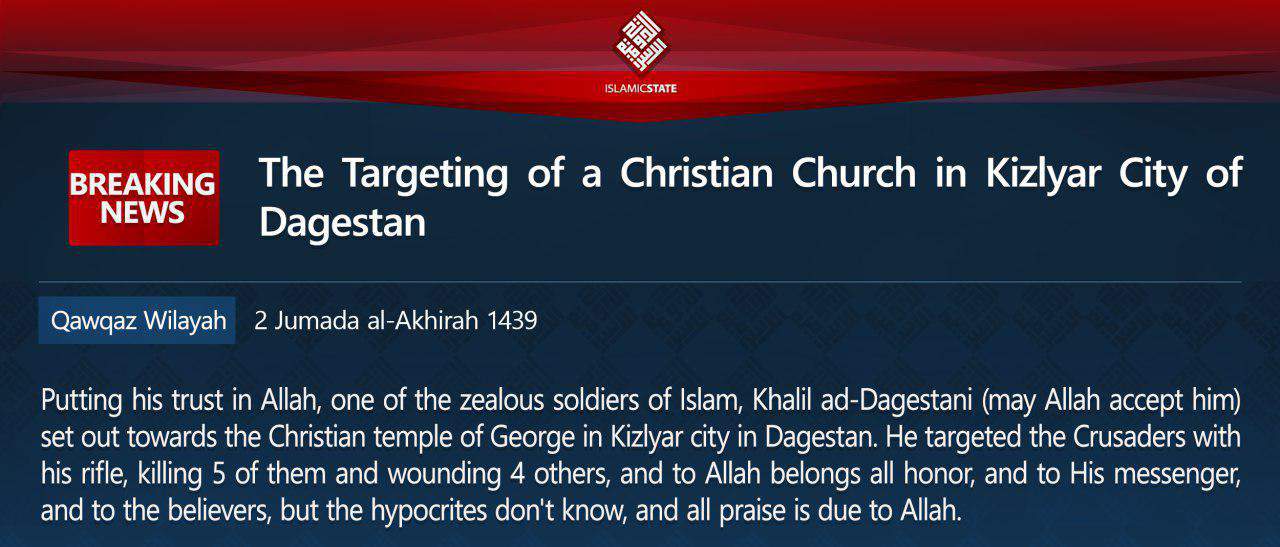
Islamic State claims church shooting in Dagestan
The Islamic State claimed responsibility for a shooting at a church in Kizlyar, a town in Dagestan, earlier today. Russian officials have confirmed that at least five people were killed and four more wounded.
-
Taliban still intent on ruling Afghanistan after ‘peaceful’ message to US
The Taliban has consistently stated over the past decade that it does not seek to share power with the Afghan government, and the only peace possible begins with the US abandoning the country.

-
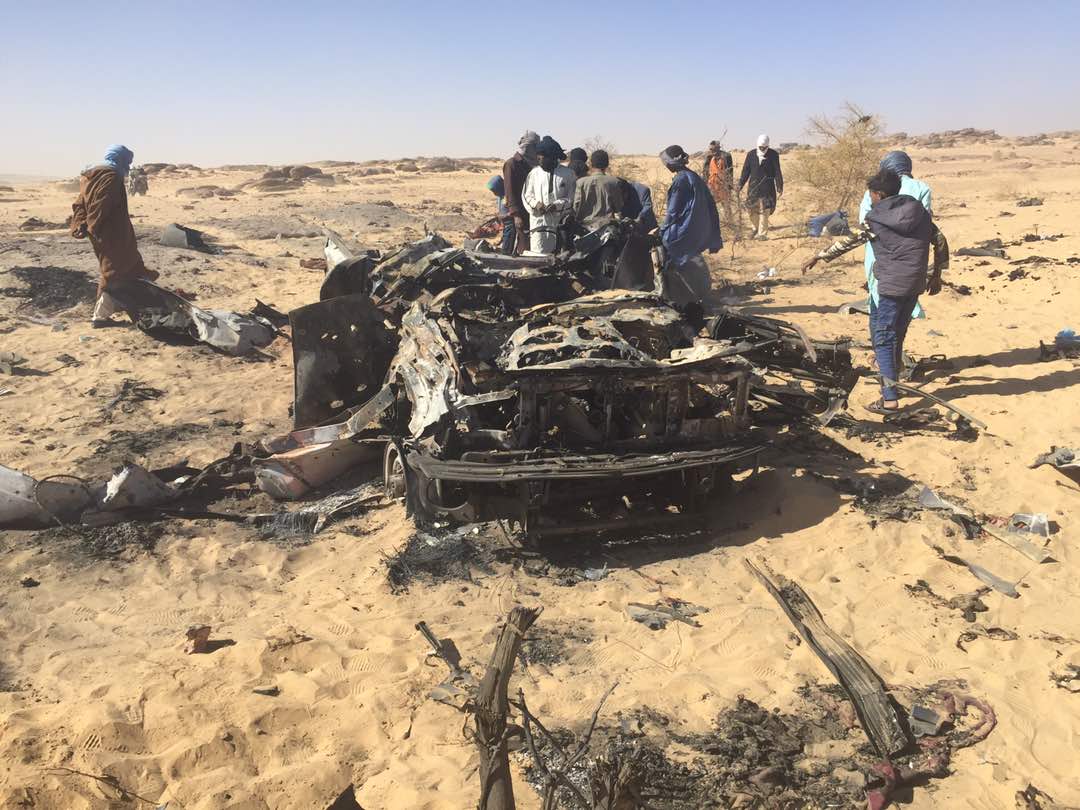
20 jihadists killed or captured in French raids in northern Mali
French forces conducted near simultaneous raids and airstrikes on three jihadist targets belonging to al Qaeda’s Group for Support of Islam and Muslims (JNIM).
-
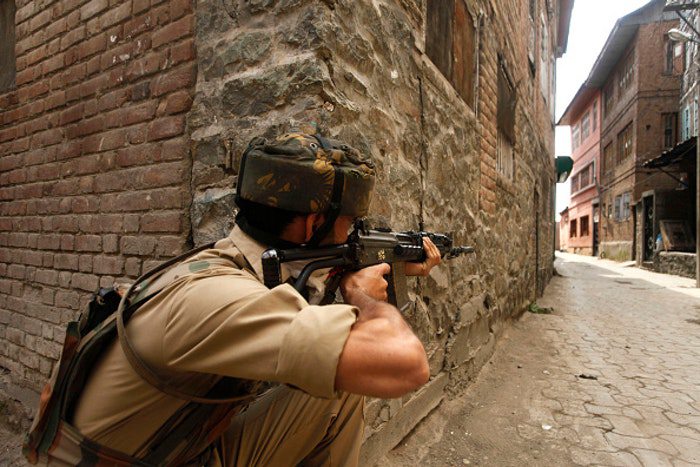
Pakistani terror groups launch multiple attacks in Jammu and Kashmir
Pakistan supported jihadist groups Lashkar-e-Taiba and Jaish-e-Mohammed continue to attack Indian security forces in the state of Jammu and Kashmir.
-
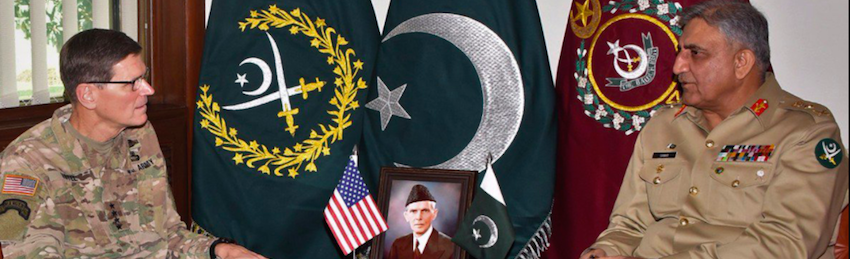
Pakistani General talks tough on terrorism, but remains short on action
General Bajwa and Pakistani officials can pontificate all they like about how their country has eliminated terrorism and no longer permit terrorists to use its soil to attack another country. A look at the facts tells another story, and that is one of Pakistani duplicity.
-
US Inspector General acknowledges Iran-backed militias obtained Abrams tanks
The report also notes that the US State Department has pressed the Iraqi government for the return of the tanks, but this has not happened.

-
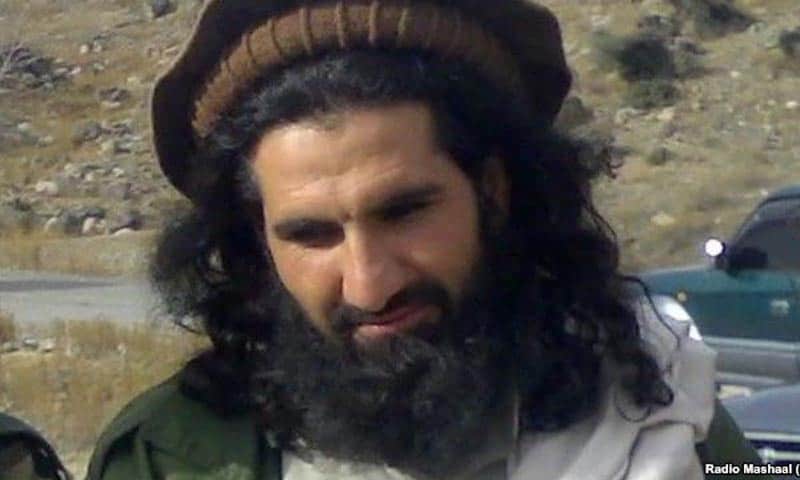
Pakistani Taliban confirms US killed deputy emir in North Waziristan drone strike
Sajna Mehsud was killed in a US drone strike in North Waziristan, not in Afghanistan like some Pakistani officials have claimed. Sajna lead the group’s powerful Mehsud faction, was close to al Qaeda, and was responsible for murdering thousands of Pakistanis.
-
Iran sends drone into Israeli airspace one day before 1979 revolution anniversary
In the early hours of Feb. 10, a day before the 39th anniversary of the Islamic revolution in Iran, an Iranian Unmanned Aerial Vehicle (UAV) entered Israeli airspace from Syria.

-
US terror designations expose 3 international facilitators for Islamic State
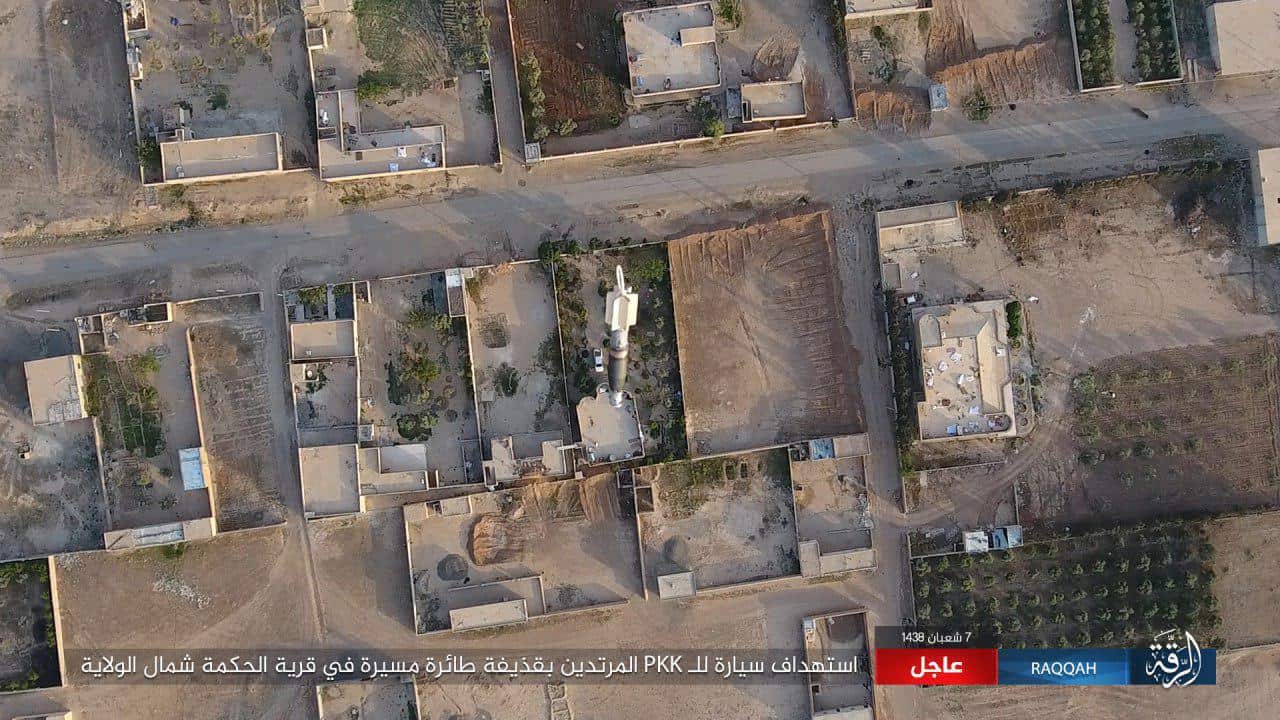
The US Treasury Department has further exposed the Islamic State’s international network by designating three facilitators as terrorists. The men have operated in the Philippines, Somalia, Turkey and elsewhere. One of them operates a business in Turkey that has acquired drone components for the so-called caliphate.
-
Deputy emir of Movement of the Taliban in Pakistan reportedly killed in US drone strike
Sajna Mehsud, the deputy emir of the Movement of the Taliban in Paksitan and the leader of its powerful Mehsud faction, it reported to have been killed along the Afghanistan-Pakistan border. However his death has not been confirmed by the US government or the Taliban.
-
Treasury Department sanctions 3 jihadist facilitators based in Pakistan
The US Treasury Department designated three jihadist facilitators who work for Sheikh Aminullah, a key al Qaeda and Taliban facilitator based in Peshawar, Pakistan. All three have allegedly facilitated Aminullah’s travels to the Gulf, where he has presumably raised funds. Two of the newly-sanctioned jihadists have been tied to operations in Afghanistan.

-
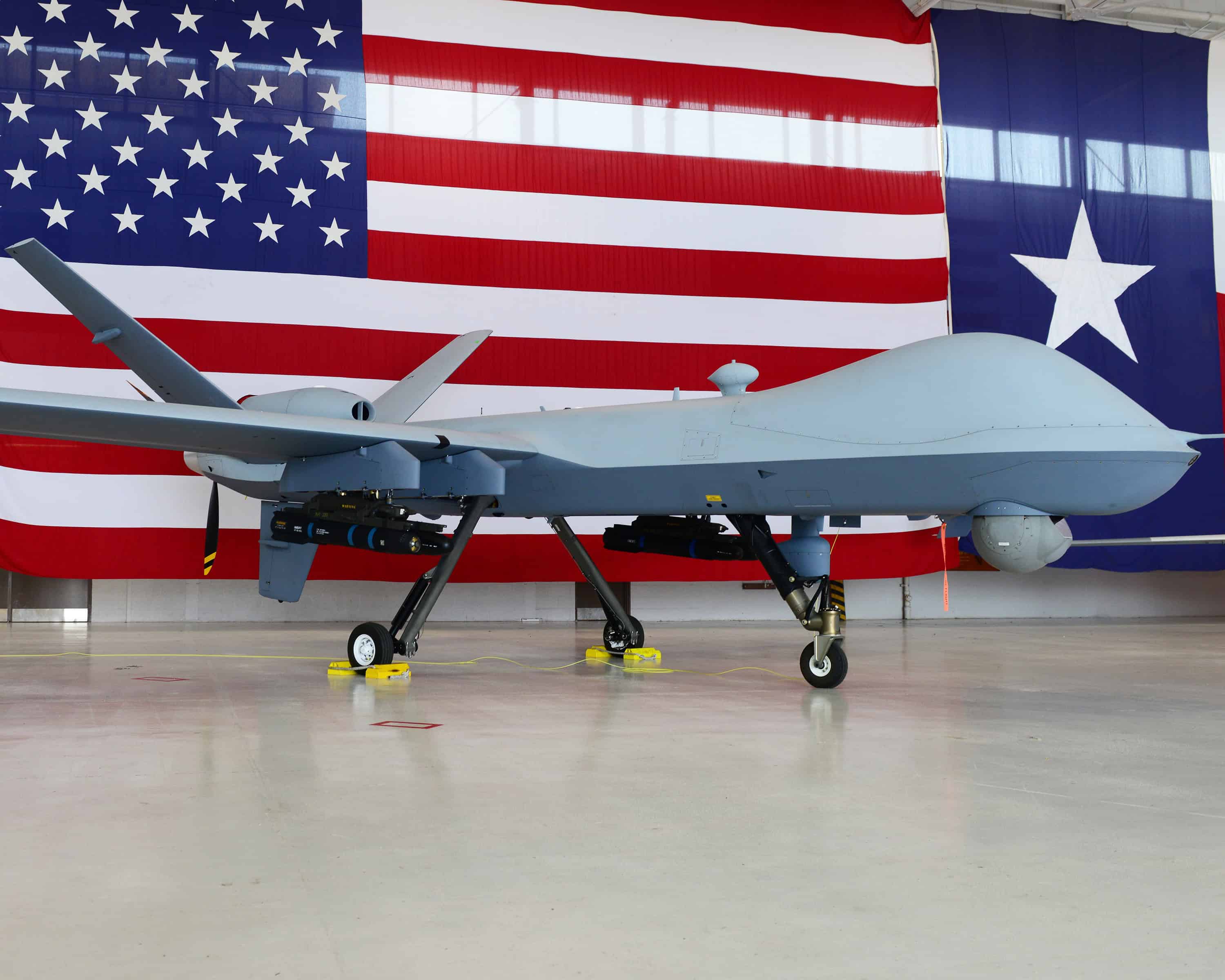
US conducted a record 131 airstrikes in Yemen last year
The United States conducted 131 counterterrorism strikes in Yemen, CENTCOM told FDD’s Long War Journal.
-
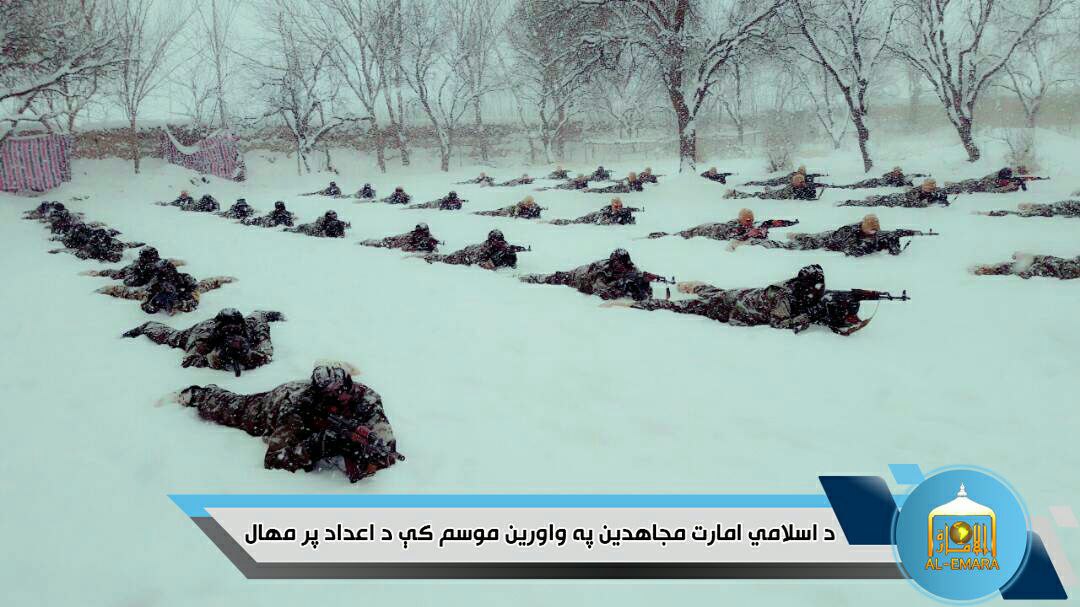
US launches airstrikes on Taliban training camps
The camps were used by the East Turkistan Islamic Movement (ETIM) and other terrorist groups.
-
US conducts 10 counterterrorism strikes in Yemen
US forces conducted a record 120 strikes in Yemen in 2017 and appears to be operating at a similar tempo thus far in 2018.
-
Palestinian jihadist group in Syria issues call to arms to refugee camp in Lebanon
The leader of Saraya Ghuraba Filistin invites Lebanese jihadists, and specifically other Palestinians in the Ain el Helwe refugee camp, to join his group and fight inside Syria.