-
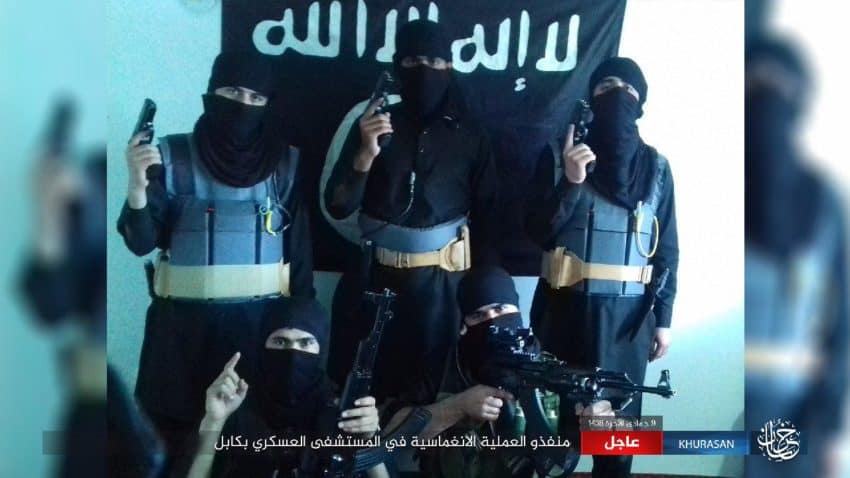
Islamic State suicide team strikes Kabul mosque
The Islamic State’s Khorasan province, like the main branch in Iraq and Syria, has had no qualms about targeting Afghan civilians, particularly Shiites, in mass-casualty suicide attacks in mosques and other locations.
-
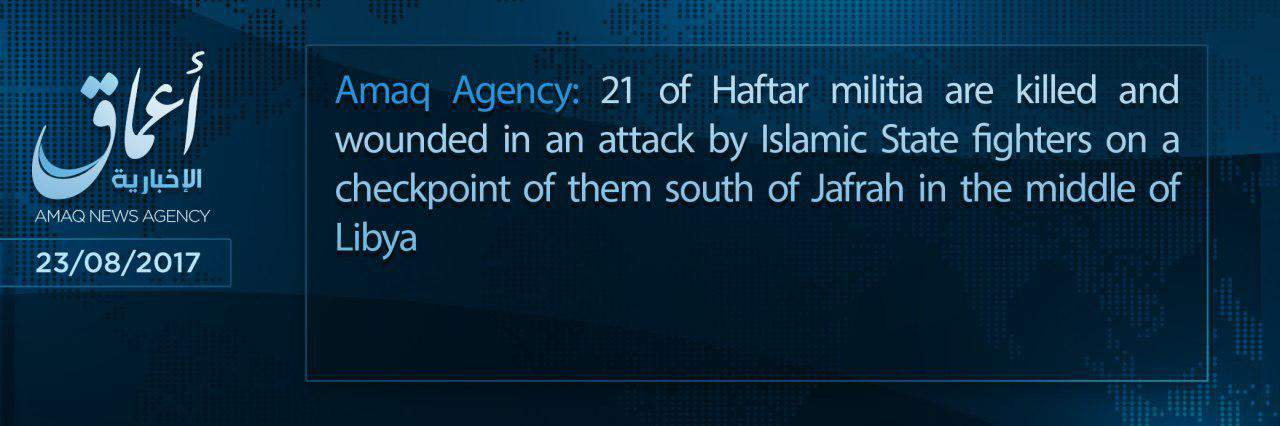
Islamic State fighters overrun checkpoint in Libya, behead captives
Jihadists loyal to the Islamic State overran a checkpoint manned by the Libyan National Army (LNA) yesterday. A spokesman for the LNA confirmed that 11 victims were beheaded.
-
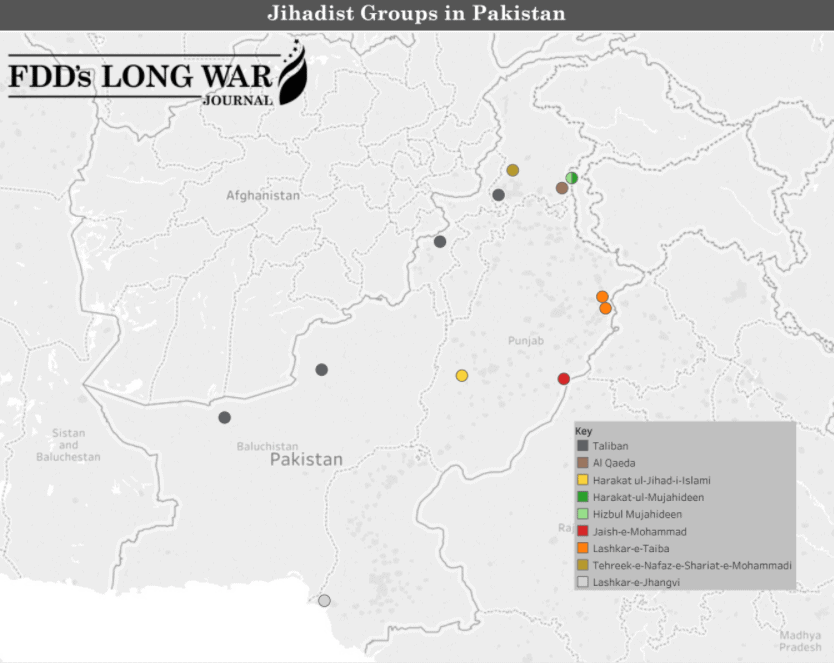
Mapping terrorist groups openly operating inside Pakistan
For decades the country has permitted a number of jihadist groups to openly operate under its aegis. A map highlights the more prominent groups openly operating inside Pakistan.
-
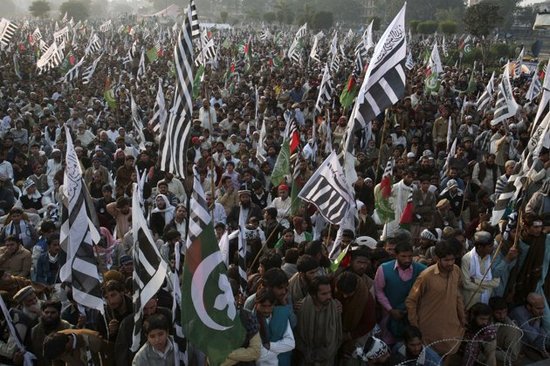
In response to Trump, Pakistan claims no terrorist groups operate on its soil
Pakistan’s denial of harboring terrorist groups that conduct attacks outside of its borders falls flat on its face when looking at Lashkar-e-Taiba, which not only supports al Qaeda and the Taliban, but has executed numerous attacks inside of Pakistan’s neighbor and enemy, India, as well as in Afghanistan.
-
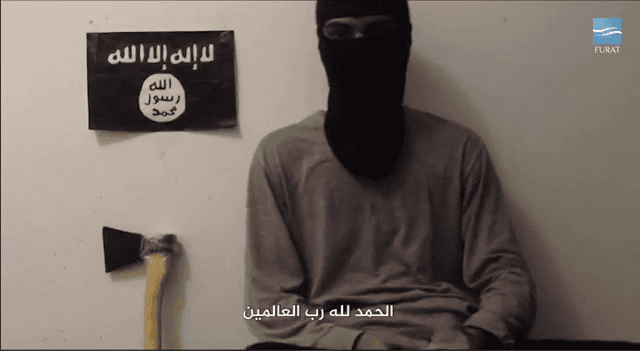
Russian terrorist swore allegiance to Baghdadi before stabbing assault
An Islamic State production featuring the young man responsible for stabbing rampage in the Russian city of Surgat is similar to past videos released by the group. The jihadist swore allegiance to Abu Bakr al Baghdadi before his day of terror. The video also contains a clip of a young Russian child beheading a captive.
-
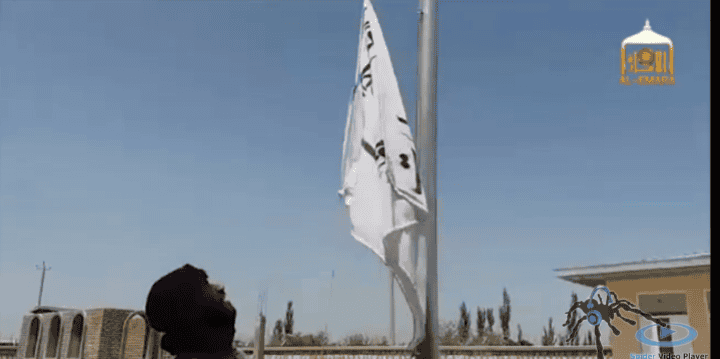
Taliban retakes district in northern Afghanistan
The Taliban continues to demonstrate that it can conduct concurrent operations across the country, while Afghan forces largely remain on the defensive. The district of Khamab in Jawzjan has gone back and forth between Taliban and government control over the past several years.
-
Taliban vows to continue its “Jihad” against US
Taliban spokesman Zahibullah Mujahid denounced Trump’s decision to remain engaged in Afghanistan and said that Taliban fighters will “sustain our Jihad.” Additionally he repeated the canard that the Taliban does not pose a threat to foreign countries.
-
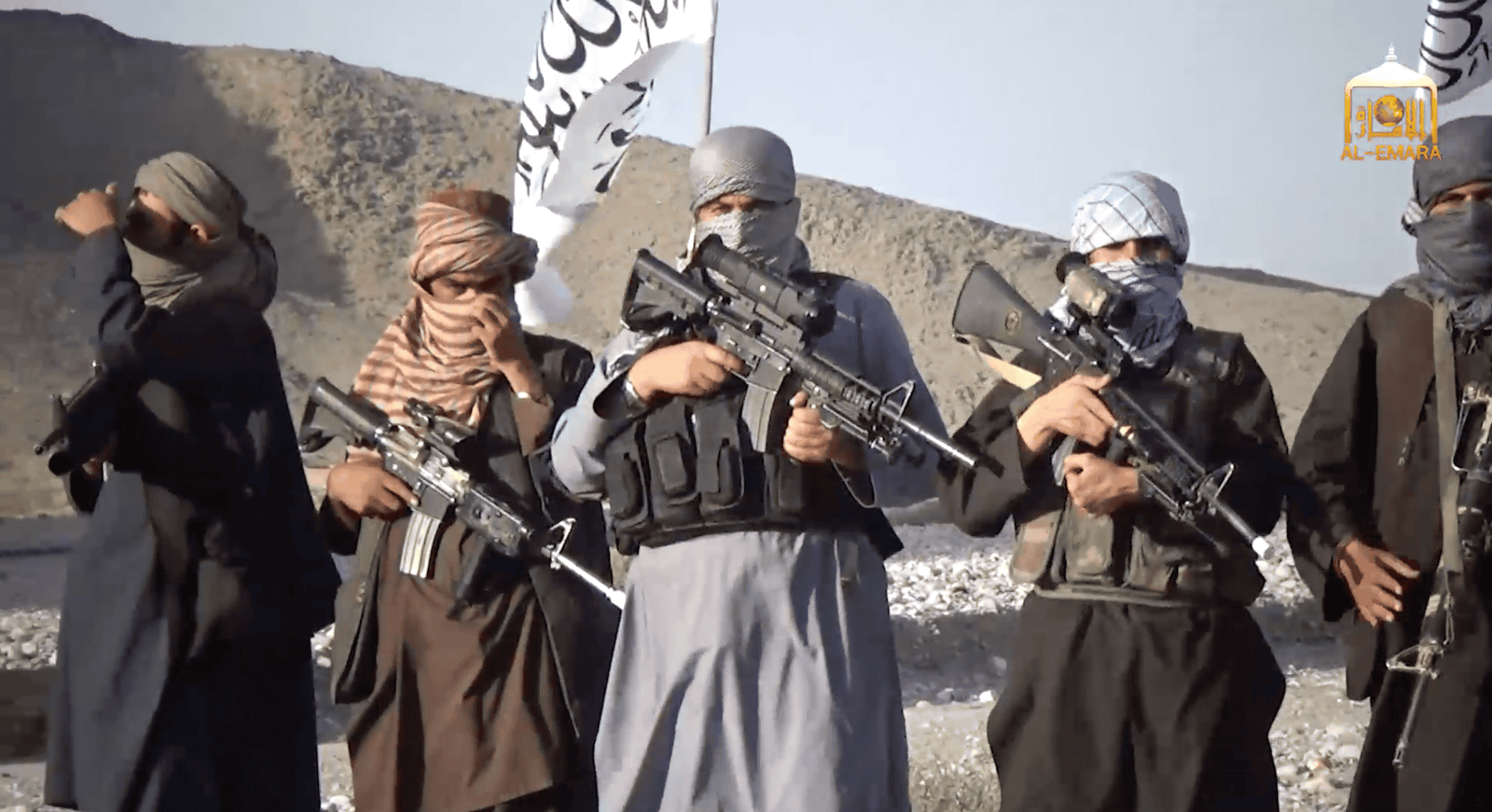
Trump takes hard line on Pakistan for supporting terrorist groups
With words unprecedented for a US president, Trump called out Pakistan for harboring and supporting terrorist groups that target and kill US citizens and said there would be a radical change in policy toward the South Asian nation. Trump indicated the US would work to increase ties with India, Pakistan’s neighbor and greatest enemy, a move sure to both enrage as well as frighten Pakistani elites.
-
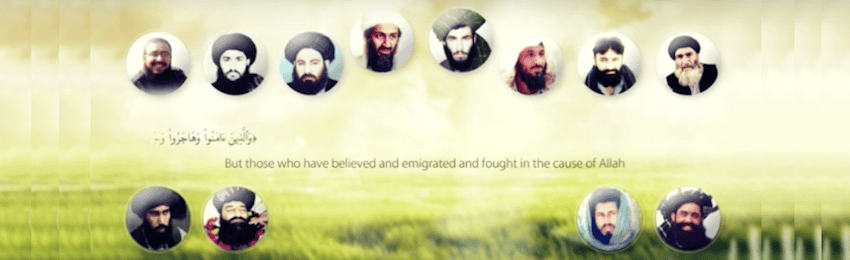
Sending more troops to Afghanistan is a good start
A complete US withdrawal from Afghanistan would have been disastrous. The US government needs to drastically reassess America’s jihadist enemies and avoid the policy pitfalls of the past.
-
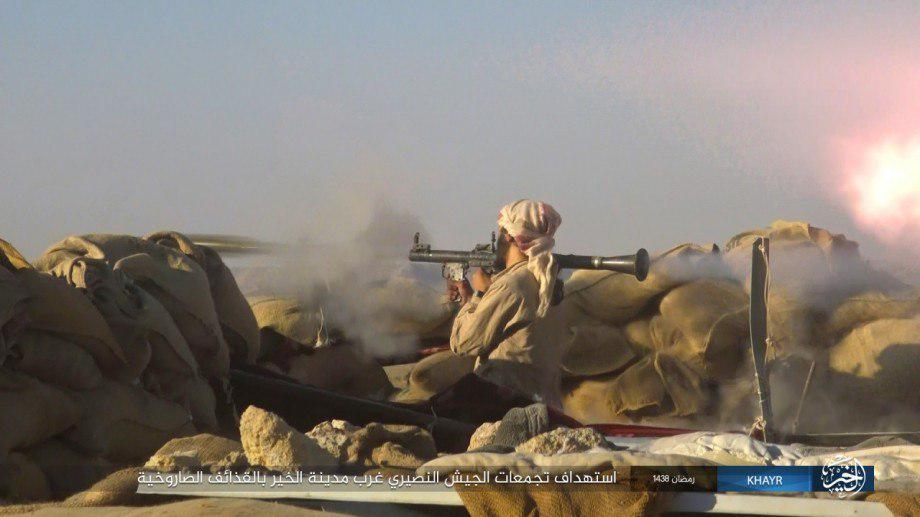
Analysis: The Syrian regime’s offensive towards Deir Ezzor
Bashar al Assad’s forces and allies are advancing on the Islamic State’s stronghold in the eastern Syrian province of Deir Ezzor. The two sides have fought in Deir Ezzor for years and the Assad regime is hoping to turn the tide of battle with the help of Russian airpower.
-
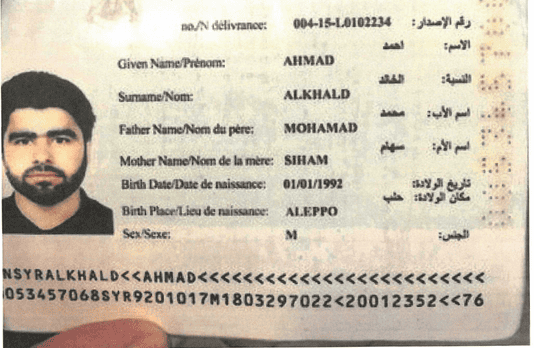
Islamic State explosives expert, security official designated as terrorists
The US State Department announced today that Islamic State leaders Ahmad Alkhald and Abu Yahya al-Iraqi have been named specially designated global terrorists. Alkhald was the “explosives chief” for the “terrorist cell” that carried out Nov. 2015 assault in Paris and the Mar. 2016 Brussels bombings. Al-Iraqi “oversees ISIS security in Iraq and Syria.”
-
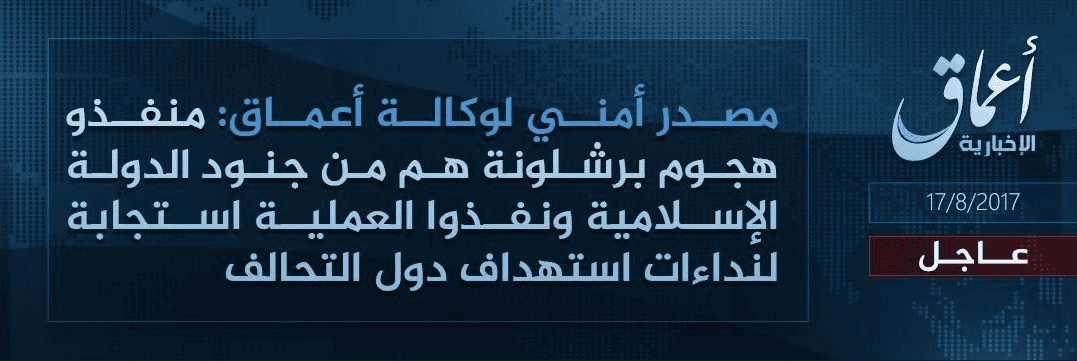
Islamic State claims its ‘soldiers’ responsible for Barcelona attack
The Islamic State’s Amaq News Agency claims that the attack in Barcelona, Spain today was carried out by the group’s “soldiers.” The Islamic State has claimed responsibility for a string of operations in which terrorists drove a van or truck into a crowd.
-
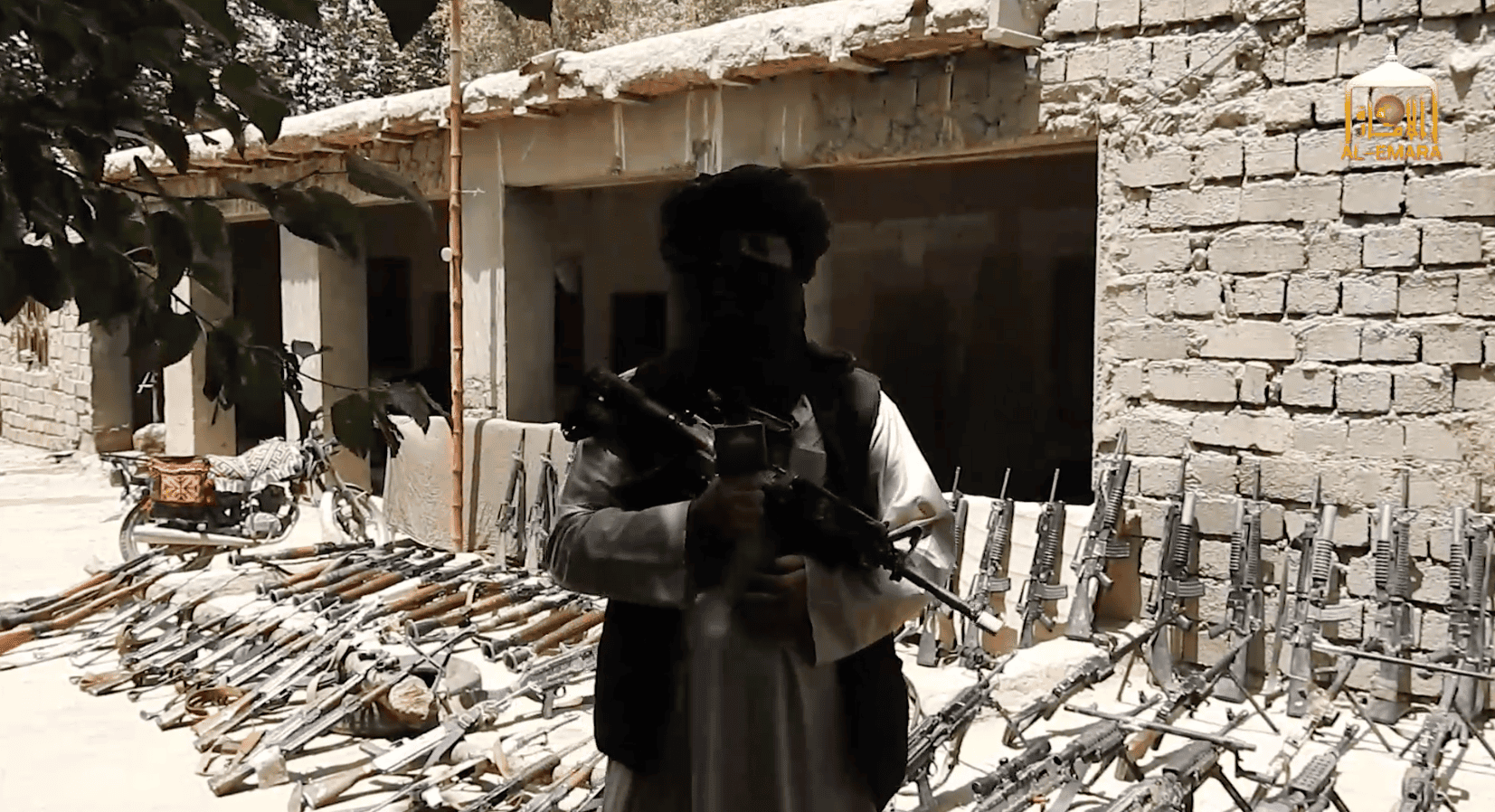
Taliban seizes large quantity of weapons during ‘Recent Conquests in Kandahar’
The Taliban, which continues to make inroads in Kandahar province, released a video flaunting a bounty of weapons, ammunition and military equipment after it overran bases and outposts in Khakrez and Shah Wali Kot.
-
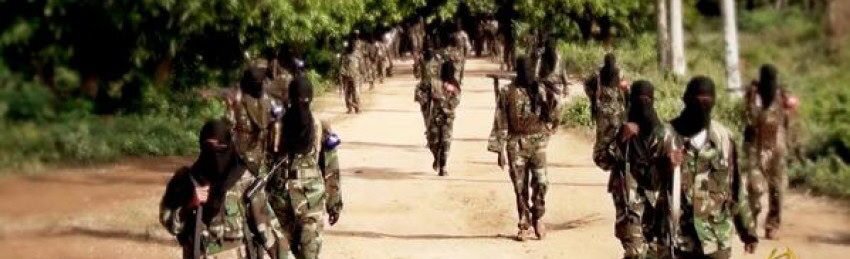
US military hits Shabaab with 3 more airstrikes
US Africa Command (AFRICOM) announced three more strikes on Shabaab, al Qaeda’s branch in Somalia and East Africa, over the past two days. All three took place in Shabaab-held territory.
-
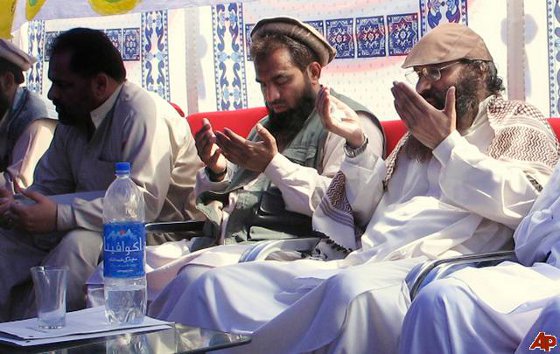
US lists Hizbul Mujahideen as a Foreign Terrorist Organization
The brief designation omitted Hizbul Mujahideen’s support for al Qaeda in the past, as well as its relations with other jihadist groups in Pakistan, Afghanistan, and India, such as Lashkar-e-Taiba. Hizbul Mujahideen’s emir was officially listed as a global terrorist in June 2017.
-
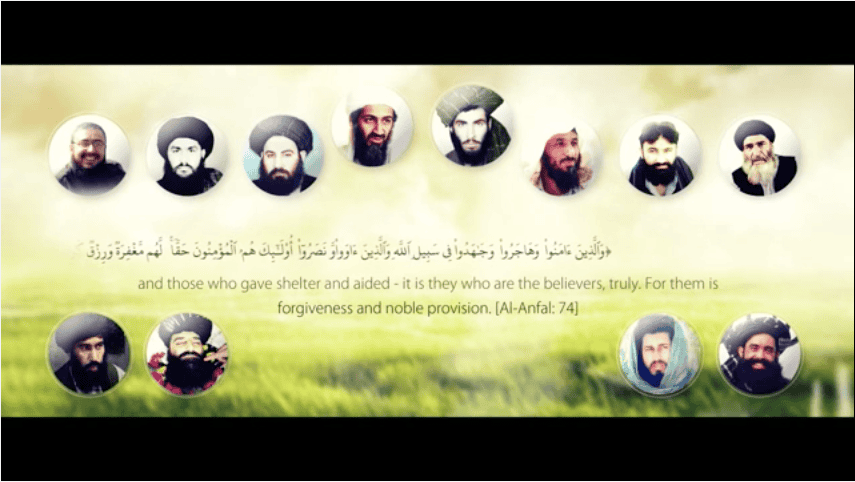
Analysis: Taliban propagandists release ‘open letter’ to President Trump
The Taliban has released an “open letter” to President Trump urging him to “adopt the strategy of a complete withdrawal from Afghanistan instead of a troops increase.” The propaganda letter contains several erroneous or misleading claims. It is also disingenuous with respect to the jihadist threat emanating out of Afghanistan.
-
Jihadists strike across West Africa
Suspected jihadists laid siege to a popular restaurant with Westerners in the capital of Burkina Faso. Two UN bases were also attacked by jihadists in Mali.
-
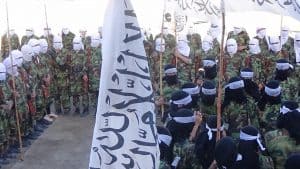
Taliban overruns district in Afghan northwest
The Afghan Taliban has again retaken control of the district of Ghormach in Faryab province. The remote district has changed hands twice in less than two years.
-
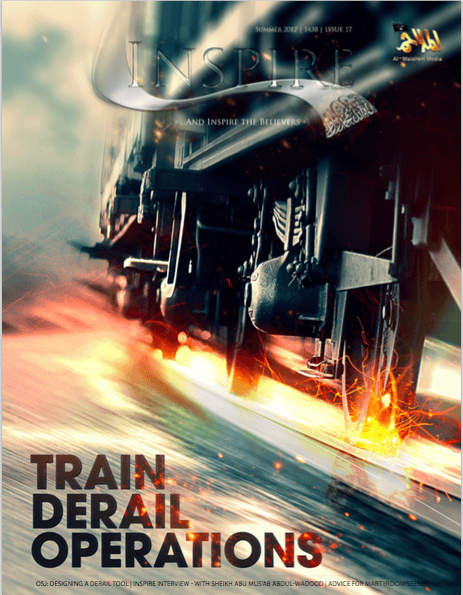
AQAP publishes guide for derailing trains in the US, Europe
The 17th edition of AQAP’s Inspire magazine provides a how-to guide for building a train derailment device. Al Qaeda has plotted against trains in the West in the past.
-
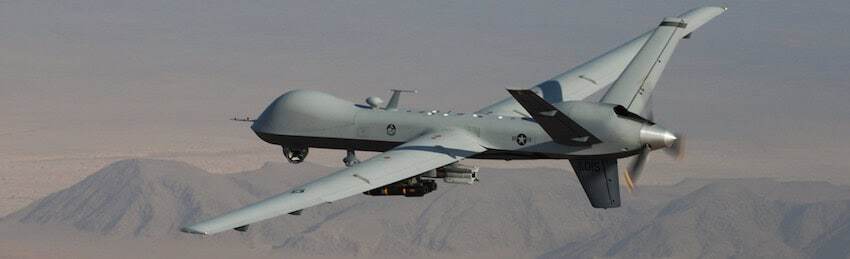
US military kills Islamic State Khorasan province leader in Kunar
The commander, known as Abdul Rahman, was a candidate to take control of Khorasan province after the US killed the previous emir last month.
-
AFRICOM targets Shabaab twice in southern Somalia
US Africa Command launched two “kinetic strikes” against Shabaab, al Qaeda’s branch in Somalia and East Africa, today. The US military has targeted Shabaab three times over the past two weeks.

-
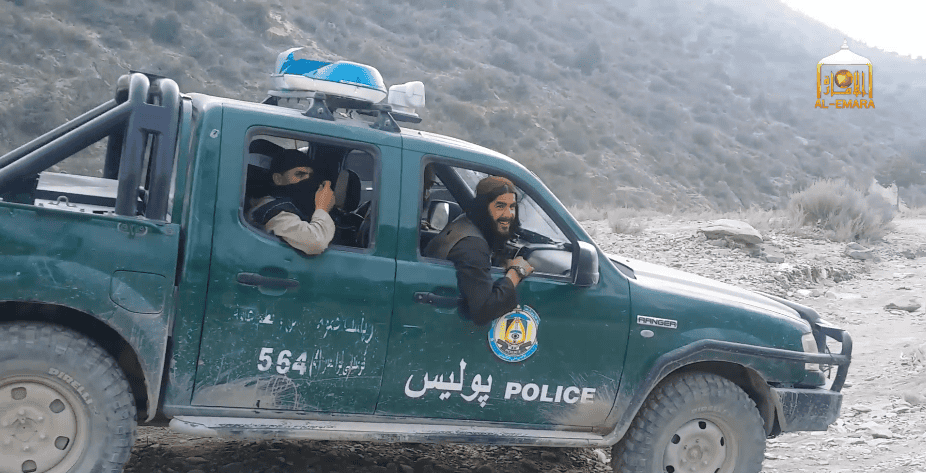
Taliban retakes eastern Afghan district from Afghan forces
Jani Khel in Paktia province has changed hands three times over the past two weeks. The loss of Jani Khel to the Taliban demonstrates the difficulties Afghan forces face in holding onto remote contested districts.
-
US to designate the IRGC, affiliates as terrorists
The milestone marks the first instance the US will designate the military branch of a foreign country for terrorism.
-
Qods Force-linked Taliban commander leads insurgency in central Afghanistan
Mullah Mustafa, a Taliban commander who was targeted by the US military in an airstrike nearly a decade ago and who has links to Iran’s Islamic Revolutionary Guards Corp – Qods Force, remains a key player in the insurgency in central Afghanistan. He was involved in the Taliban takeover of a district in Ghor.
-
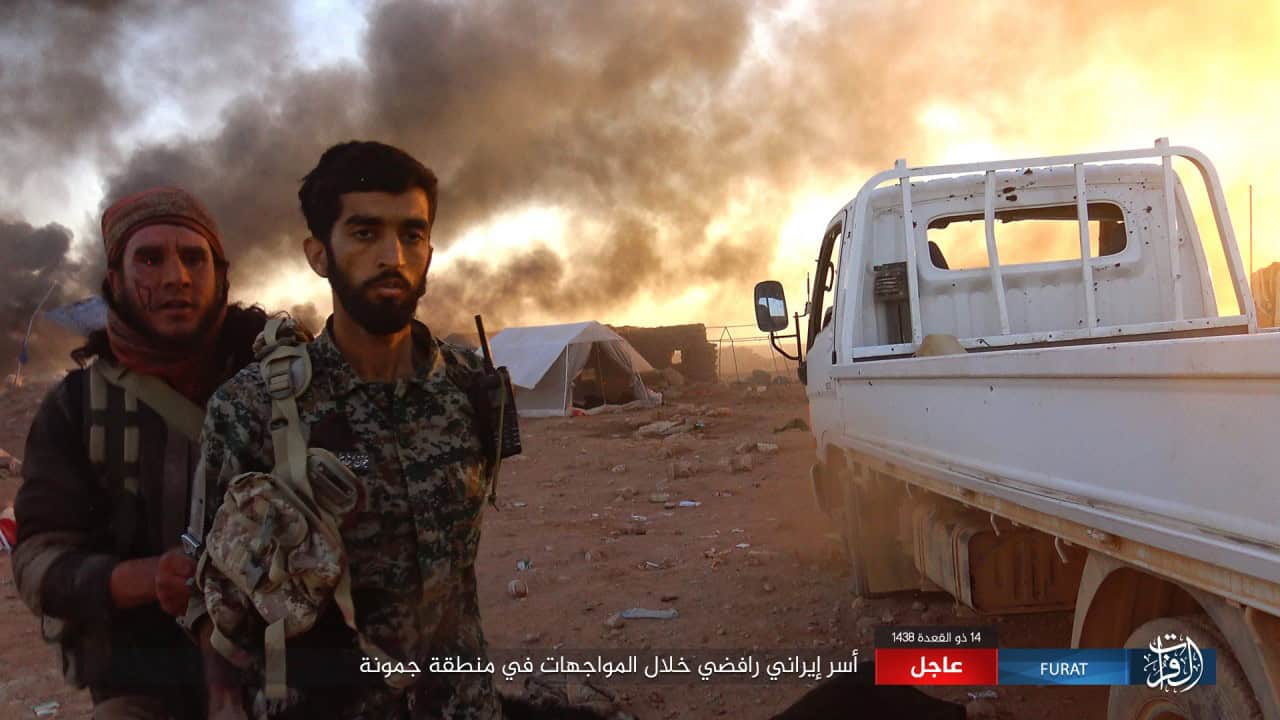
IRGC-controlled militia accuses US of strike to hide Islamic State raid near Syrian border
An Iraqi-Shiite militia controlled by Iran’s Islamic Revolutionary Guard Corps (IRGC) claimed yesterday that its forces came under fire from American artillery shells in the vicinity of Jamouna, Syria. A US Defense spokesman rejected the allegation. The Islamic State posted footage of a raid in that area on the same day that shows the Shiite militia’s flag, strongly suggesting an attempt by the Shiite-jihadist militia to cover up an attack by the Sunni-jihadist group, muddy the waters and shift the blame to the United States.
-
US killed Shabaab commander in recent strike
US Africa Command (AFRICOM) confirmed that its July 30 “kinetic strike” killed Ali Jabal, a Shabaab commander who led forces and conducted attacks in Mogadishu and the Banadir regions in southern Somalia. The targeting of Shabaab leaders has not prevented the group from regaining ground in the south.
-
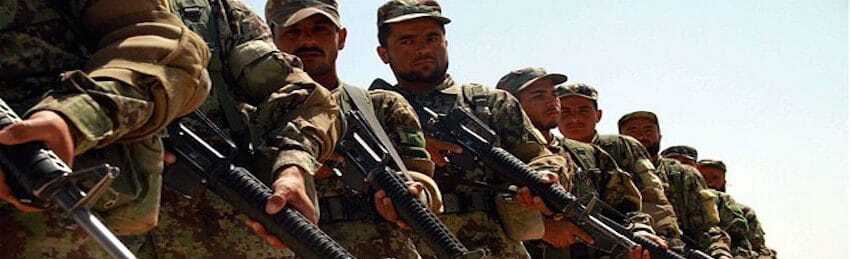
Afghan policeman wounds Romanian soldier in latest insider attack
An Afghan policeman opened fire on Romanian soldiers in Kandahar and wounded one before being killed in return fire. The insider, or “green-on-blue,” attack is the fourth of its kind recorded so far this year.
-
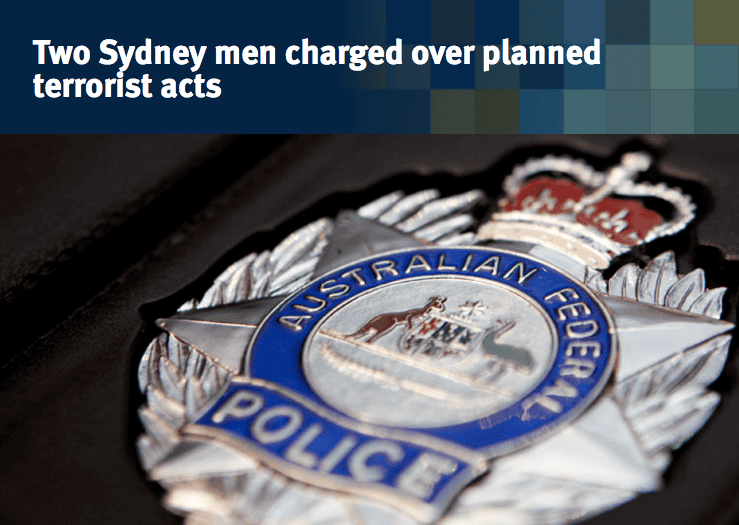
Australia disrupts ‘sophisticated’ plot directed by the Islamic State
Australian authorities say they broke up an especially “sophisticated” Islamic State plot in late July. The so-called caliphate wanted to bring down an airliner using an improvised explosive device (IED). The Islamic State even shipped the IED components to the suspects in Australia. The accused men were also allegedly experimenting with a bomb intended to disperse hydrogen sulfide.
-
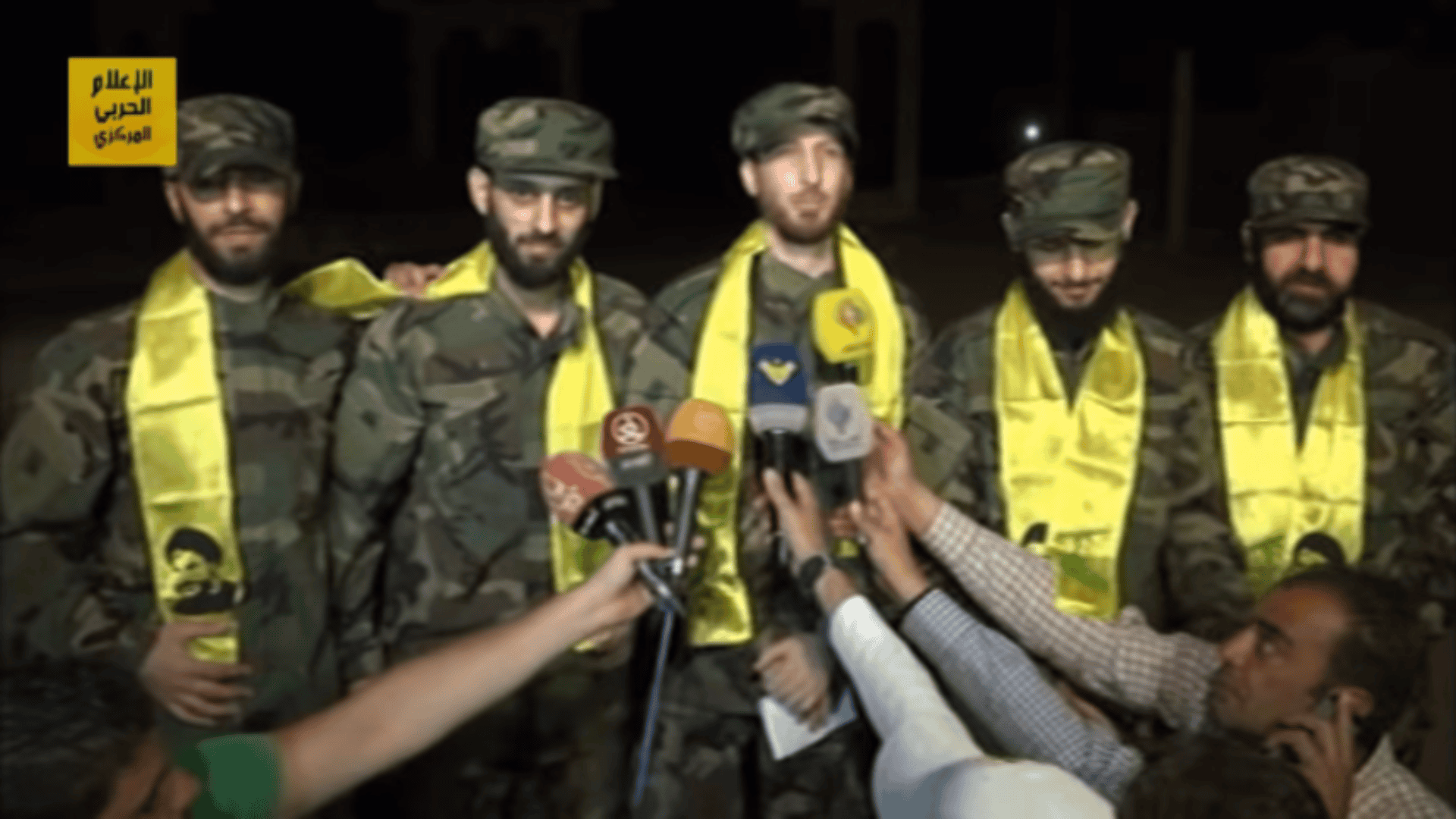
Hezbollah touts prisoners freed from HTS in Syria
The Shiite jihadists were freed as part of a ceasefire deal with Sunni jihadists in the Lebanon-Syria border region.
-
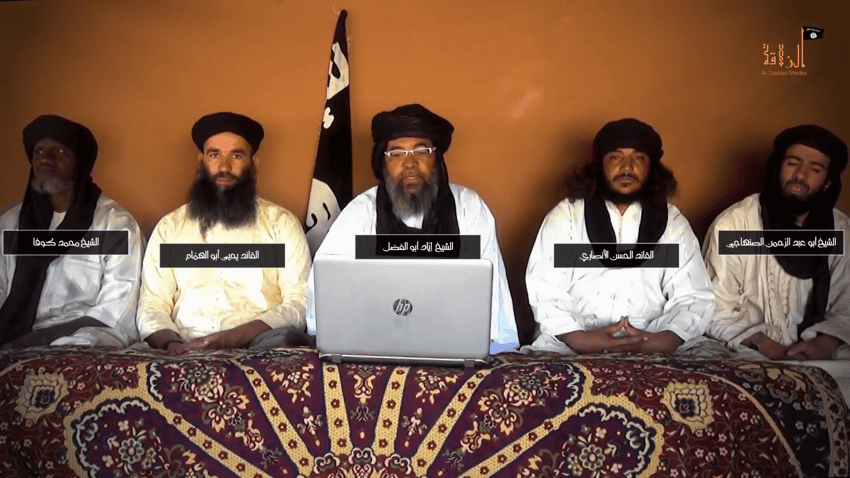
JNIM claims series of attacks on French forces in Mali
The al Qaeda group continues to target French forces in northern Mali, as well as conduct attacks on Malian and UN troops elsewhere in the country.