-
US claims al Qaeda ‘meeting location’ struck in Syria
The US bombed what it says was a suspected al Qaeda “meeting location” in Syria. The airstrikes were immediately controversial, as Syrian activists and others said that the building hit was a mosque. The US has stepped up its air campaign in Syria since the beginning of the year by going after larger facilities suspected of being run by al Qaeda.

-
Al Qaeda-linked jihadist group trains in Syria
Ansar Jihad, a small al Qaeda-linked group comprised of Central Asians and Turkish fighters, has released another video of its training camps in northwestern Syria.

-
Hezbollah is preparing Syria as second battlefield against Israel
Hezbollah intends to wage its next war against Israel from deep within Syria, according to a report on a pro-Hezbollah news site last week.

-
Treasury sanctions Kuwait-based al Qaeda facilitator
The US Treasury Department announced today that Muhammad Hadi al-`Anizi, a Kuwait-based “facilitator and financier” for al Qaeda and its Syrian branch, has been designated as a terrorist. Al Qaeda’s senior leadership appointed Al-`Anizi as al Qaeda’s “representative in Syria” sometime in 2014. His brother was previously designated by Treasury, which has repeatedly targeted al Qaeda’s support network in Kuwait.

-
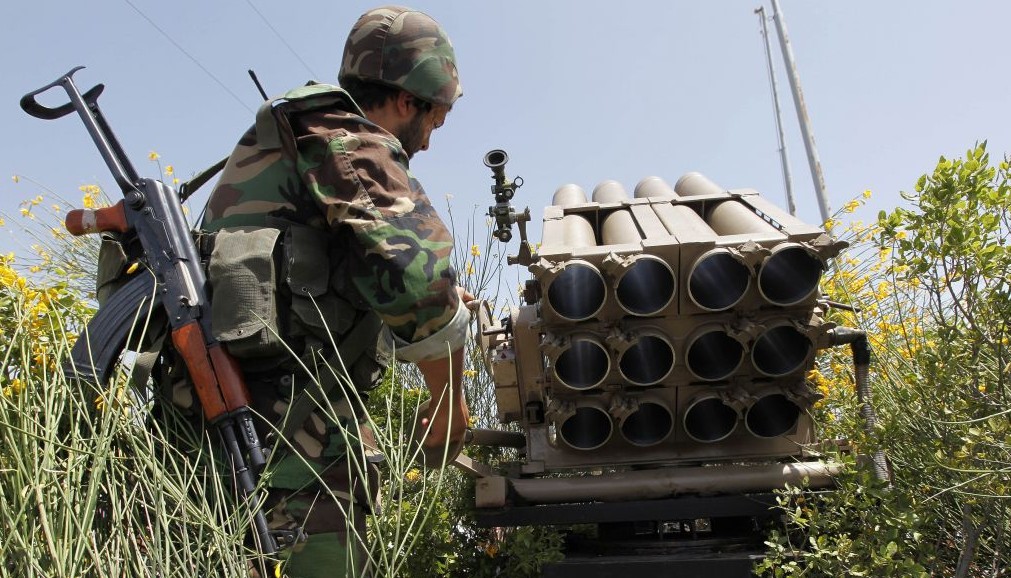
Has Hezbollah developed a domestic arms industry with Iranian support?
A report says the IRGC has built weapons factories for Hezbollah in Lebanon, possibly giving the Shiite organization the ability to build and produce projectiles or missiles capable of reaching any location in Israel.
-
Analysis: Al Qaeda groups reorganize in West Africa
On Mar. 2, a new al Qaeda joint venture in West Africa was announced. The “Group for the Support of Islam and Muslims” is led by Ansar Dine’s Iyad Ag Ghaly and is openly loyal to Ayman al Zawahiri. It brings together four groups that were already part of al Qaeda’s international network.

-
Jihadist group claims responsibility for suicide attacks in Damascus
Hay’at Tahrir al Sham (HTS), al Qaeda’s new front group in Syria, has claimed responsibility for two suicide bombings that targeted Shiites in Damascus yesterday. Al Qaeda generally avoids targeting Shiite civilians, but a number of children and women were reportedly killed. HTS attempts to justify the bombings by arguing that the jihadists targeted “Iranian militias” and Bashar al Assad’s forces.

-
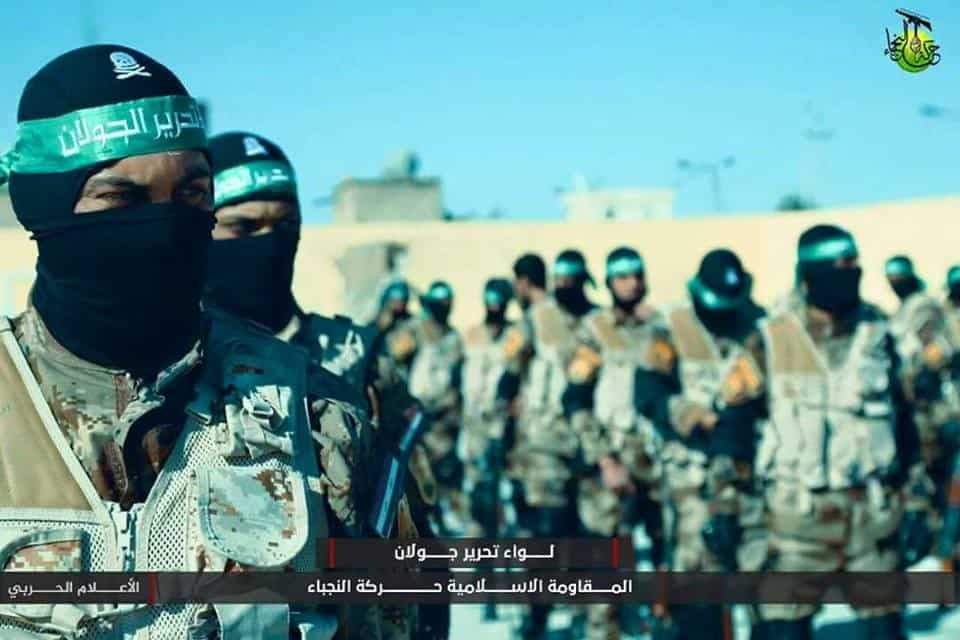
IRGC-controlled Iraqi militia forms ‘Golan Liberation Brigade’
The Iranian-backed Iraqi militia Harakat al Nujaba this week announced the formation of its “Golan Liberation Brigade.” This announcement reflects Tehran’s post-Aleppo priorities in southern Syria: sustain ideological commitment to fighting Israel while planning to pose militarythreat to the the Jewish state from the Golan Heights. The Islamic Republic is also sending signal to Arab states that are in talks with Israel over a military coalition against Tehran’s influence.
-
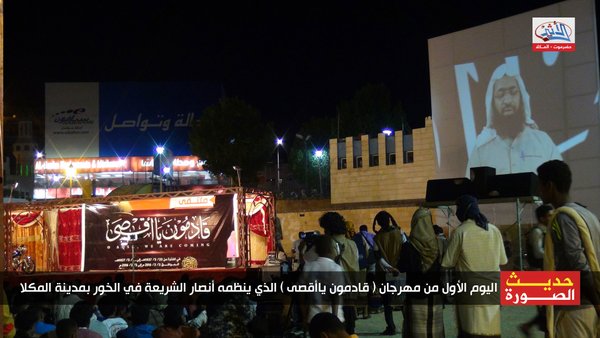
Resolving the Conflict in Yemen: U.S. Interests, Risks, and Policy
On March 9, Thomas Joscelyn testified before the Senate Committee on Foreign Relations. The hearing, “Resolving the Conflict in Yemen: U.S. Interests, Risks, and Policy,” was called to explore the political dynamics of the ongoing war in Yemen, as well as the roles played by foreign actors and al Qaeda.
-
Islamic State suicide team assaults military hospital in Kabul
A team of five Islamic State inghimasi fighters terrorized the Sardar Mohammad Daud Khan Hospital in Kabul yesterday. The hospital is “the largest military medical facility in Afghanistan,” according to the UN. The Islamic State’s so-called Khorasan province has launched other inghimasi attacks in Afghanistan in the past.

-
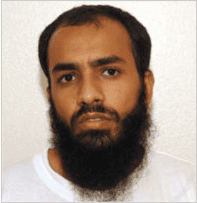
Former Guantanamo detainee killed in US air campaign in Yemen
The Pentagon announced today that a former Guantanamo detainee, Yasir al Silmi, was killed in a bombing on Mar. 2 in Yemen. Joint Task Force Guantanamo identified al Silmi, also known as Muhammad Yasir Ahmed Taher, as a “high” risk and warned that he would “engage in extremist activities upon release.” He was transferred to Yemen on Dec. 19, 2009.
-
Al Qaeda eulogizes Egyptian leader killed in Idlib, Syria
Al Qaeda has released a eulogy for Abu al Khayr al Masri, who was killed in a US airstrike in Idlib, Syria in late February. The eulogy emphasizes his close relationship with Osama bin Laden and his role as al Qaeda’s “representative” in meetings with the Taliban. Once in Syria, Masri was “honored” to oversee “combat operations” in the insurgents’ “management and planning rooms.”

-
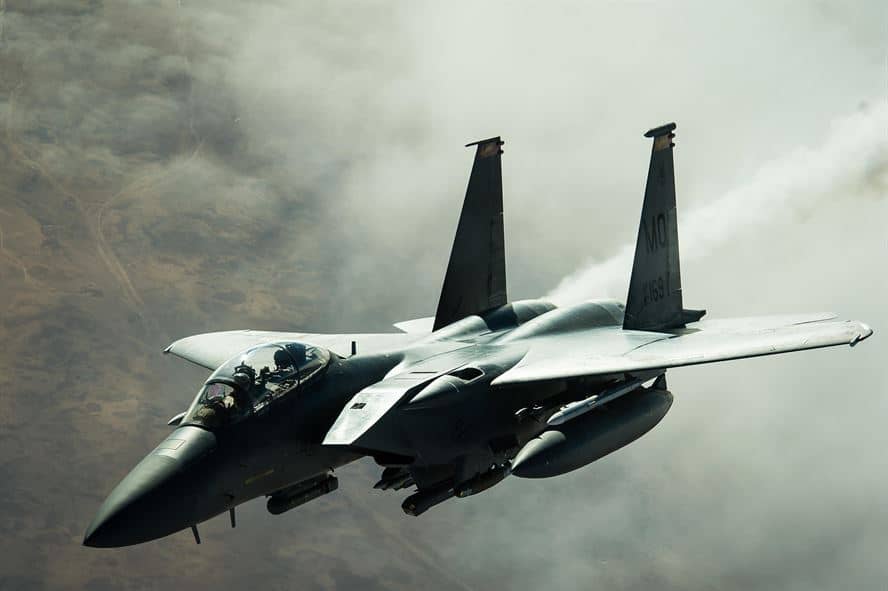
US blitzes AQAP in Yemen with an unprecedented 30 airstrikes
The large number of strikes, more than 30 over the course of two days, indicates the US is changing its tactics in fighting AQAP in Yemen.
-
Zawahiri’s deputy sought to ‘unify’ Syrian rebels
The US killed al Qaeda veteran Abu al Khayr al Masri in a drone strike in Idlib, Syria in late February. Masri was identified as al Qaeda’s “general deputy” in July 2016. He worked to unite Syrian rebel groups under a common banner.
-
Taliban rejects US general’s call for reconciliation
When US leaders plead with the Taliban to make peace, they provide it with all of the fodder it needs to score a propaganda victory.

-
Iranian sniper embedded in Iraqi militia killed near Mosul
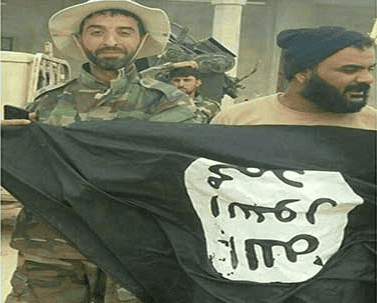
The casket of an Iranian killed in combat in Iraq on February 25 was received in Tehran two days ago. The combatant’s funeral poster shows him wearing the arm patch of the Hezbollah Brigades, an Iraqi Shiite militia close to Iran’s Islamic Revolutionary Guard Corps (IRGC) that has been designated by the US Treasury as a terrorist group.
-
Another northern Afghan district falls to the Taliban
The security situation in Afghanistan continues to deteriorate. The Afghan press has confirmed that the Tala Wa Barfak district in Baghlan province is now under the Taliban’s control.

-
Taliban suicide assault teams strike Afghan security services in Kabul
The Taliban claimed credit for complex suicide assaults in Kabul earlier today. The jihadists hit military, police, and intelligence buildings in the Afghan capital.

-
US military confirms death of Taliban commander, calls for ‘reconciliation’
The commander of US Forces in Afghanistan used Mullah Abdul Salam’s death to encourage the Taliban to reconcile with the Afghan government, but the Taliban has no desire for peace.