
-
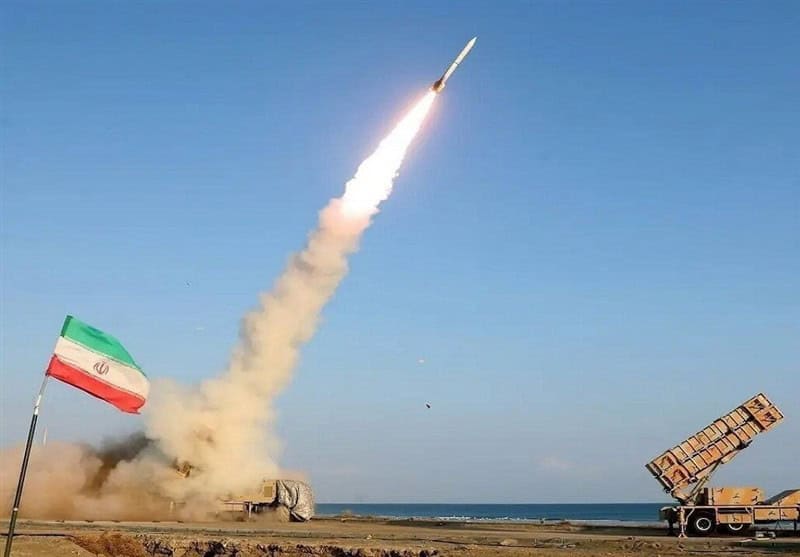
Iranian ballistic missile operations: 2024–2026
Over the past two years, the Islamic Republic has engaged in at least 15 distinct ballistic missile operations from its territory against foreign targets. Despite a pause in these attacks in 2023, the 2024–2026 period resumed a trend of increasing Iranian missile operations in the region between 2017–2022.
-
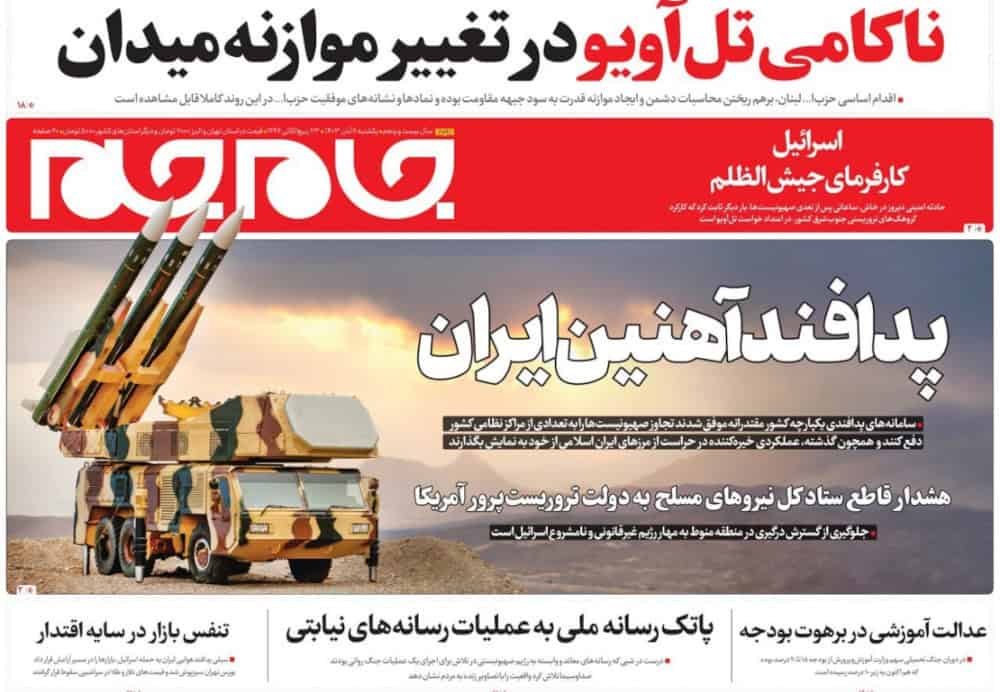
Analysis: Iran reacts to Israel’s direct retaliation
As Iran attempts to save face following Israel’s recent military strike, conflicting narratives about the imperative to respond are coming to the fore.
-
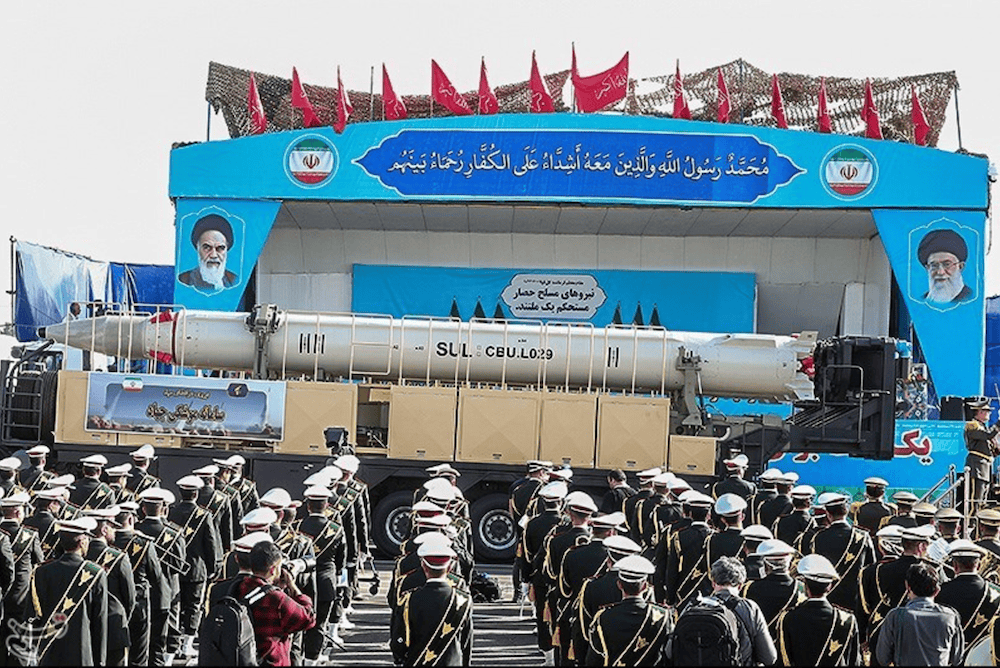
Analysis: Awaiting Israel’s strike, Tehran pushes propaganda to cushion the blow
Iranian politicians, military officials, and media outlets are currently advancing a series of threats, half-truths, and outright lies in the service of softening the political blow that any Israeli strike could land while also raising military costs.
-
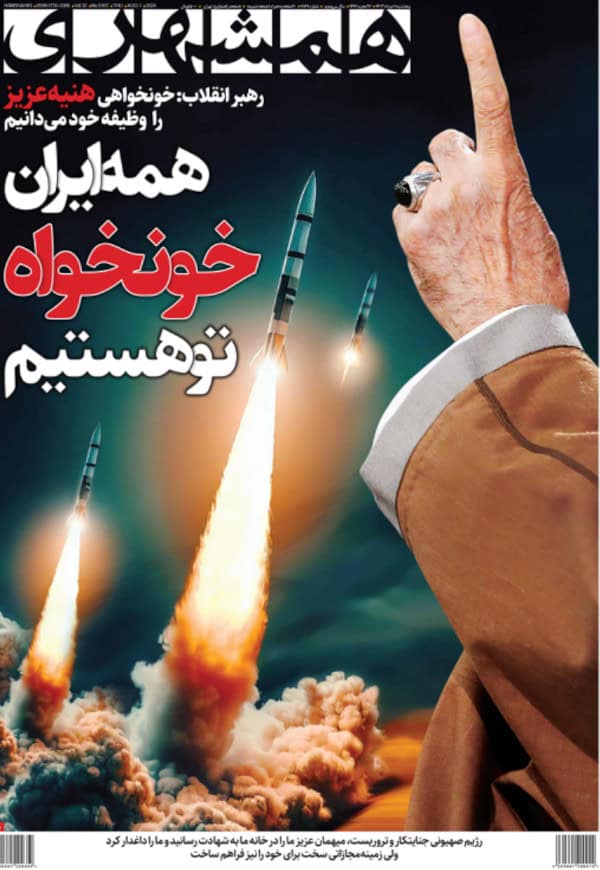
Analysis: The Islamic Republic prepares to avenge Ismail Haniyeh
Despite Israel’s precision strike on a radar facility in Isfahan on April 19 and the recent assassination of Hamas Political Chief Ismail Haniyeh in Tehran, Iran remains undeterred from picking a fight with conventionally superior and even nuclear-armed states. For a regime that has perfected the art of proxy warfare, the Islamic Republic is increasingly…
-
Generation Jihad Ep. 161 — A Jihad for Knowledge
Another co-host takeover (“Freaky Friday edition”): Behnam is joined by his friend, former FDD colleague, and top expert on Iran’s Islamic Revolutionary Guard Corps Ali Alfoneh, now with The Arab Gulf States Institute in Washington. They discuss this week’s historic conflagration between the Islamic Republic of Iran and Israel.
-
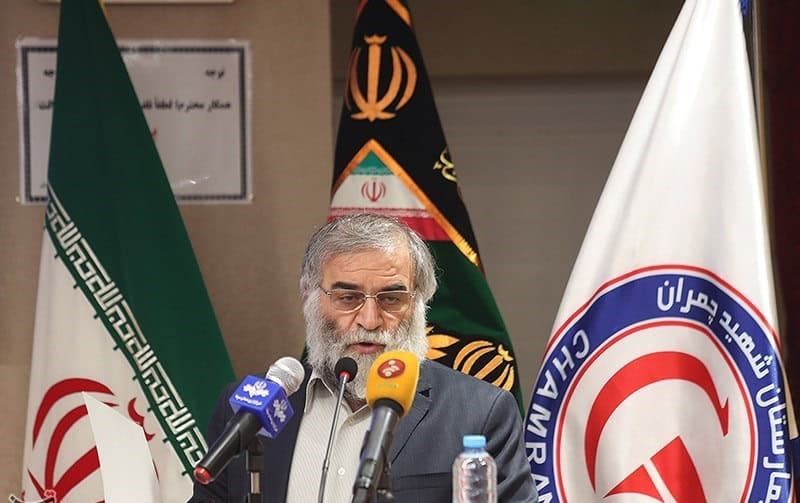
Parsing Iranian Responses to the Killing of Mohsen Fakhrizadeh-Mahabadi
Analyzing the outpouring of commentary after Fakhrizadeh’s death from Iranian politicians, military personnel, and media outlets can help shed light on Tehran’s immediate political concerns, security imperatives, as well as prospects for retaliation and escalation.
-
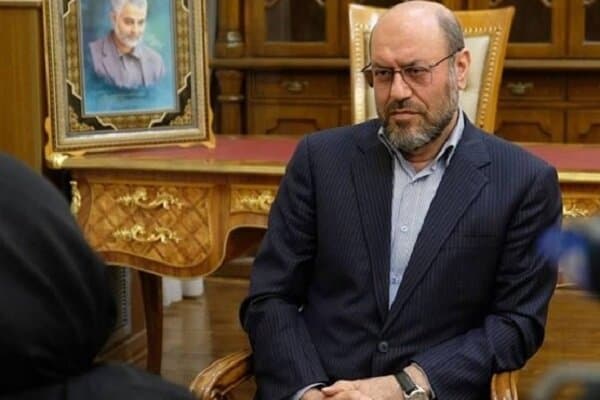
Analysis: The IRGC runs for high office in Tehran
63-year-old IRGC Brigadier General Hossein Dehghan is eying the Iranian presidency. If his candidacy is approved and he is elected in 2021, Dehghan will be the Islamic Republic’s first military president, a development with significant implications for Iranian domestic politics and foreign policy.
-
Collecting and analyzing Shiite militia attacks against the U.S. presence in Iraq
There have been at least 43 attacks using rockets and/or mortars on U.S. positions in Iraq by Iranian-backed Shiite militias. These attacks shed light on Iranian and allied-Shiite militia intentions and strategy.
-
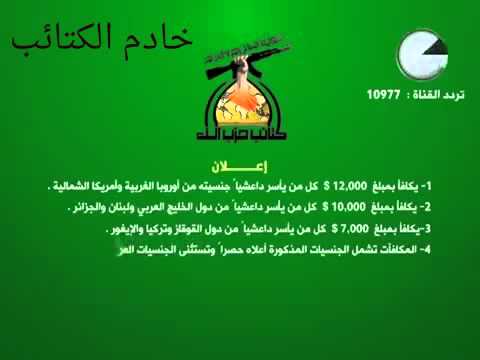
U.S. Sanctions Leader of Pro-Iran Terror Group in Iraq
Another member of Tehran’s “Axis of Resistance” has been sanctioned by Washington. How the U.S. enforces its penalty is set to matter more than its announcement.
-
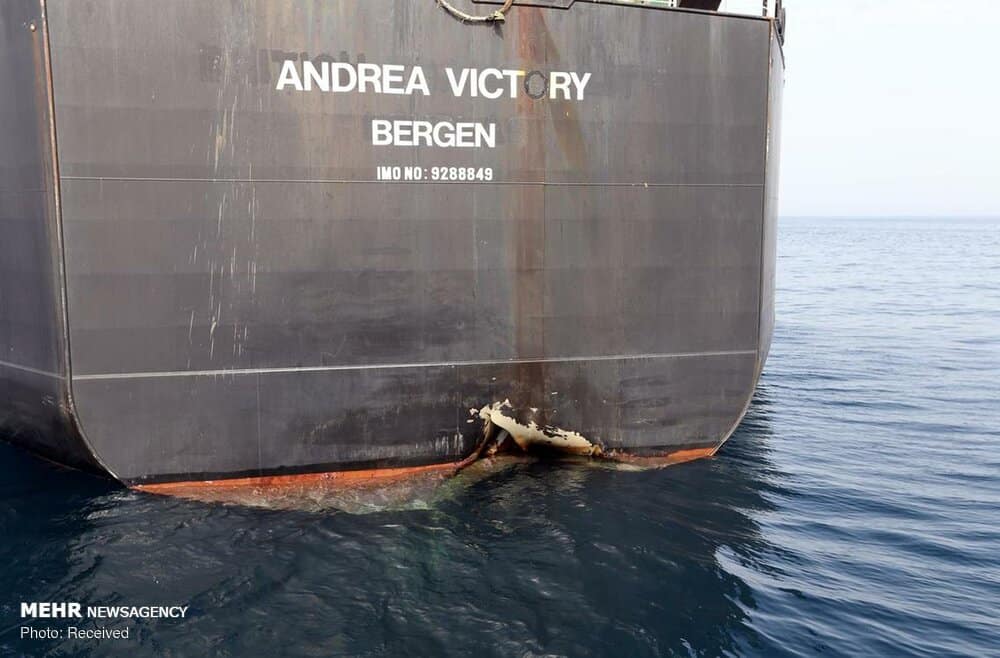
Making sense of Iranian escalation
Should Iran have taken the decision to attack civilian vessels that carry oil, it could represent one way to do damage to global oil shipments without inviting massive retaliation. Such a move would be consistent with Iran’s highly graduated approach to escalation and desire to respond to the Trump administration’s maximum pressure campaign.
-
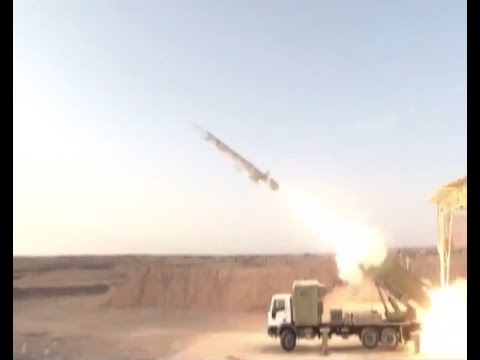
Iran’s “New” Land-Attack Cruise Missile In Context
An overemphasis by the West on seeking to check Tehran’s ballistic missile program has led to inattention to Iran’s cruise missile capabilities and intentions. Over the weekend, Iran unveiled and test-launched a “new” land-attack cruise missile, dubbed the Hoveizah, days in advance of the Islamic Republic’s 40th anniversary.
-
/assets/images/featured-image-default.jpg)
Analysis: Iranian Missile Strikes Against Kurdish Dissidents in Iraq
Iran’s willingness to resort to tactical SRBM launches against regional targets warrants a larger discussion about the country’s missile power and escalation dynamics. It also requires an accurate assessment of what occurred on the ground against Iranian Kurds in Iraq and in the media space on this issue since September 8.
-
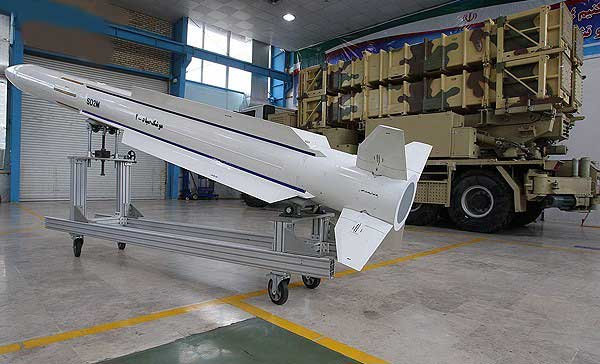
Analysis: An Iranian SAM in the Arabian Peninsula
Last week, the Saudi Arabian embassy in Washington D.C. released a nine-page primer on Iran’s continued support to Yemen’s Houthi rebels. Buried within the same document was photographic evidence of Saudi Arabia’s latest charge against Iran: the provision of the Sayyad-2C surface-to-air missile (SAM) to Houthi rebels.
-
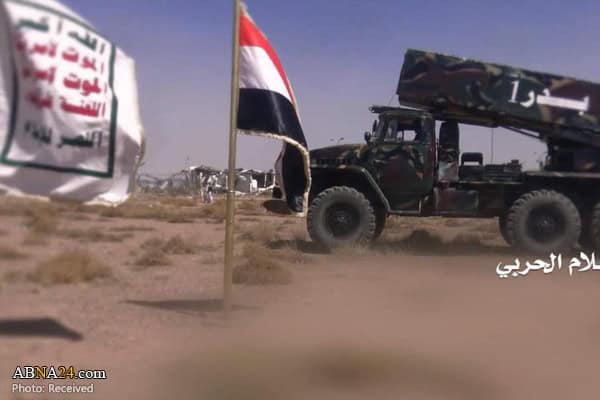
A peek inside Houthi Rebel’s recent missile strikes in Saudi Arabia
Pro-Houthi media outlets like Yemen News Agency (SABA) reported that at least three types of projectiles were fired into the Kingdom. They include the Burkan-2H, the Qaher-2M, and the Badr-1. Both the Burkan and the Qaher have been used multiple times in the Yemeni theater, while the Badr was only unveiled last week.
-
Parsing the Iran portions of the 2018 Worldwide Threat Assessment
On select measures of the Iran threat, the 2018 document is remarkably consistent with themes from past assessments. Yet, in this latest assessment, additional attention is paid to the country’s evolving cyber aptitudes and to its turbulent domestic politics.
-
Analysis: Reported link between Houthi and Iranian ballistic missiles
At the strategic level, if Iran’s provision of ballistic missiles to the Houthi rebels is confirmed, it could be seen as an indicator Tehran’s increased tolerance for risk in a distant conflict theater, one which has sought to weaken Saudi Arabia by any means possible.
-
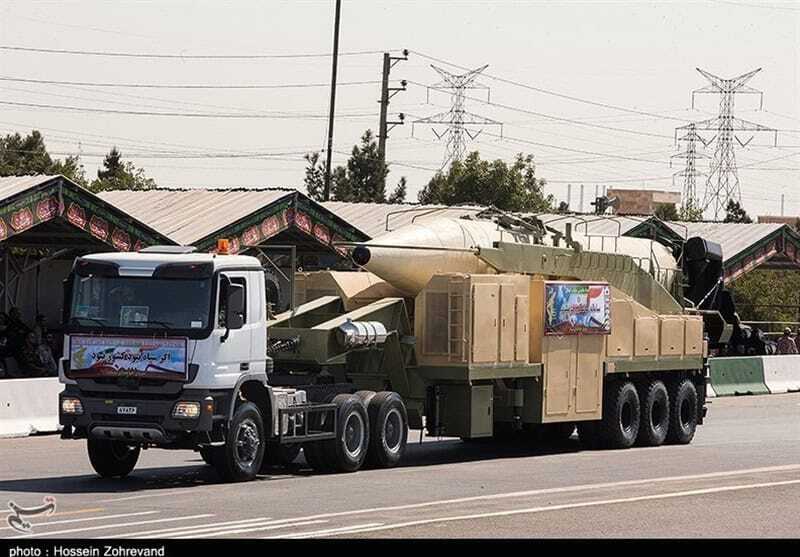
FAQ after allegations of another ballistic missile test by Tehran
Getting the right answers on allegations surrounding an alleged Iranian ballistic missile launch requires asking the right questions. The following eight questions make sense of the English and Persian language news reporting surrounding the Khorramshahr ballistic missile.
-
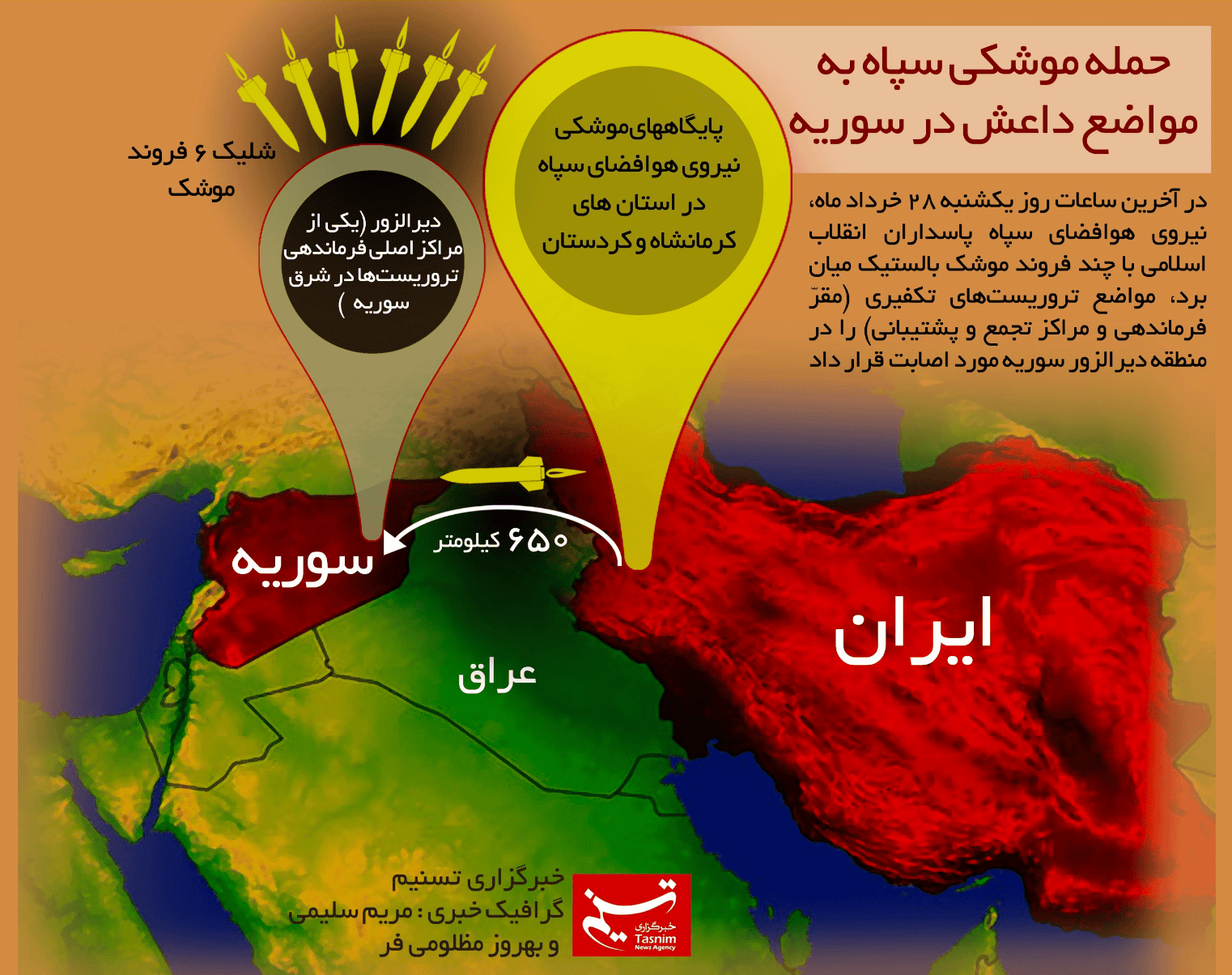
Iranian media reports missile strike in Syria
Iranian press outlets report that the Islamic Revolutionary Guards Corps (IRGC) has fired missiles from Iranian territory at the Syrian governorate of Deir ez-Zor in response to the recent Islamic State terror attacks in Tehran.
-
Reading Iran’s Reaction To US Missile Strikes In Syria
Iran’s political elite have weighed-in on the recent US cruise missile strikes in Syria and used the opportunity to plug their regime’s narrative. While time will tell if Iran will ultimately read the strike as a show of American resolve or indecision, Iranian officials have fallen back on gloating, intimidation, and misinformation tactics that so…
-
Analysis: Reading Tehran’s security establishment on the strike in Sanaa
A deeper look at a recent airstrike in Sanaa by the Saudi-led military coalition, where Iranian security elites display a penchant for narrative, a circumscription of their own support for the war, as well the traditional blaming of the United States. In so doing, light is shed on how these security planners see their regional…
-
Shifting sands in air base drama between Tehran and Moscow
Iranian media has reported that Russian use of the Hamedan air base (also known as the Nojeh air base) in Western Iran has been halted. According to Iranian Foreign Ministry Spokesman Bahram Qassemi, “the presence of Russia in Iran was temporary.” “Russia has neither bases in Iran nor is it deployed [there],” Qassemi said. “It…
-
Analysis: Iranian Reactions to Operation Decisive Storm
As Operation Decisive Storm got underway, Iranian outlets, analysts, and elites all prepared to frame the conflict between the Shiite Houthis in Yemen and the 10-member coalition as part of the larger Saudi-Iranian cold war. Such zero-sum statements indicate that any set-back for the coalition will be a win for Iran.
-
Iranian political and military leaders laud Qods Force general killed in Syria
Political and Military elites of the Islamic Republic weigh-in on the death of Brigadier General Mohammad-Ali Allah-Dadi, the IRGC-QF member killed in Syria by an Israeli helicopter attack.Their commentary indicates a desire to establish deterrence, at least rhetorically, and tout their globalist message pertaining to the Islamic Revolution.
-
Analysis: What the Gaza war means for Iran
As the war in Gaza continues, Iran’s political, military, and religious calculations ascribe similar but not identical values to the ongoing conflict. The ways in which Iranian leaders codify events on the ground vary depending on their interests at home and abroad.
-
Iran’s stance on Iraq: neither new nor improved
As Iraq plummets further into chaos, and the United States incrementally but cautiously steps forward, Iranian officials have been busy forming and casting narratives about the crisis facing their next-door neighbor.
-
Iranian perspectives on the crisis in Iraq
Recent statements by Iranian political and religious leaders suggest that Iran’s keen interest in the current Iraqi crisis could lead it to intervene in some fashion.
-
Iran’s Levantine strategy
Sentiments expressed recently on an online forum about the allegiances of Hezbollah run deeper than Lebanon, offering insight into Iranian strategic thinking about the Levant and the Middle East.
The Team
Meet the Team Behind the Vision
Our dedicated team combines diverse skills and shared passion to bring innovative solutions to life. Together, we collaborate, create, and strive to exceed expectations every day. Learn more about the people driving our mission forward.
Alex Johnson
Project Manager
Oversees project timelines and ensures seamless collaboration among team members to deliver results on schedule.
Alex Johnson
Project Manager
Oversees project timelines and ensures seamless collaboration among team members to deliver results on schedule.
Alex Johnson
Project Manager
Oversees project timelines and ensures seamless collaboration among team members to deliver results on schedule.