US Predators struck for the third day straight in Pakistan’s lawless and Taliban controlled tribal agencies.
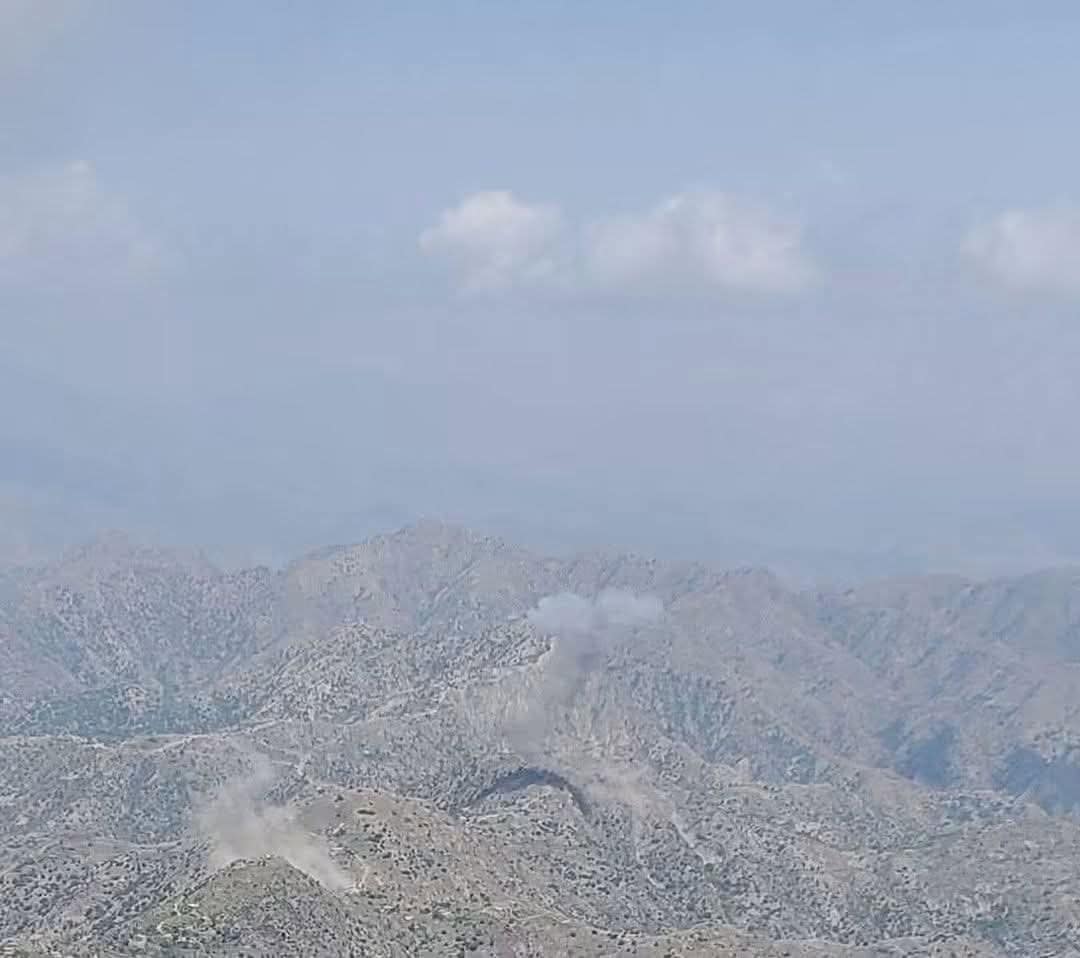
The unmanned Predators or the more deadly Reapers struck a compound in the town of Azam Warsak in South Waziristan. Initial reports indicated the strike aircraft fired three missiles at a compound, killing five, according to AFP. Later reports at The Nation and Xinhua indicated that 16 Taliban members, including a senor commander, were killed.
Mullah Shamsullah, the Taliban commander who was reported killed, served as the spokesman for Mullah Nazir, as well as his second in command.
“He was an important and the strongest Taliban leader in Wana and literally ruled on behalf of al Qaeda leader Mullah Nazir in the area,” according to Xinhua. While Nazir is not an al Qaeda leader, he is closely allied to the terror group and provides aid and shelter to its top leaders and fighters.
Azam Warsak, which is directly on the border with Afghanistan, is under the control of Nazir, the leader of the Taliban in the Waziri tribal areas in South Waziristan. Pakistan’s military and intelligence services consider Nazir and his followers “good Taliban” as they do not openly seek the overthrow of the Pakistani state.
However, Nazir openly supports Mullah Omar and Osama bin Laden, and wages jihad in Afghanistan; more senior al Qaeda leaders have been killed in Nazir’s tribal areas during the US air campaign than in those of any other Taliban leader in Pakistan. Nazir also shelters the Mehsuds from the Movement of the Taliban in Pakistan, in violation of the peace agreement with the Pakistani government.
The US has killed several senior al Qaeda leaders in Nazir’s territories. One of the most senior al Qaeda leaders killed was Midhat Mursi al Sayyid Umar, who is better known as Abu Khabab al Masri. Abu Khabab was killed along with four members of his staff in a July 28, 2008 Predator strike.
Abu Khabab served as the chief of al Qaeda’s weapons of mass destruction program, known as Project al Zabadi. He is best known for running a training camp at Derunta in Afghanistan, where he conducted experiments on animals to determine the effectiveness of chemical weapons. Khabab was also a master bomb-marker, and passed his skills onto his associates.
The Predator strikes, by the numbers
The pace of the strikes this month is unprecedented since the US began the air campaign in Pakistan in 2004. Today’s strike is the second in two days, and the 16th this month.
The US has carried out 70 attacks inside Pakistan this year. The US exceeded last year’s strike total of 53 with a strike in Kurram late last month. In 2008, the US carried out 36 strikes inside Pakistan. [For up-to-date charts on the US air campaign in Pakistan, see LWJ Special Report, Charting the data for US airstrikes in Pakistan, 2004 – 2010.]
All but seven of this year’s 70 strikes have taken place in North Waziristan. Of the seven strikes that have occurred outside of North Waziristan, five took place in South Waziristan, one occurred in Khyber, and one took place in Kurram. Today’s strike was the first in South Waziristan since July 25.
The US campaign in northwestern Pakistan has targeted top al Qaeda leaders, al Qaeda’s external operations network, and Taliban leaders and fighters who threaten both the Afghan and Pakistani states.