
-

Israel reportedly eliminates nuclear scientist, expands messaging campaign (June 20 updates)
Israel expanded its campaign against Iran with strikes on Islamic Revolutionary Guard Corps (IRGC) sites, missile infrastructure, and nuclear-linked facilities, reportedly killing a nuclear scientist in Tehran. The Israel Defense Forces (IDF) framed the attacks as targeting the Iranian regime’s repression and appealing to public discontent. Talks between Iran and EU officials on June 20…
-

Israel targets nuclear sites, Iran appoints new officials (June 19 updates)
Israel has expanded its military campaign against Iran with targeted strikes on nuclear facilities, missile infrastructure, and security institutions. Leadership changes within Iran’s Islamic Revolutionary Guard Corps (IRGC) point to a tightening of internal control, while cyberattacks have disrupted Iran’s banking system and fueled public anxiety. Tehran’s threats toward US regional bases continue as Washington…
-

Israel strikes Tehran police HQ, hacks live broadcast (June 18 updates)
Israel struck key Iranian military sites across Tehran, Karaj, and Kermanshah, destroyed air defenses, and hacked state TV, urging protests. Iran responded with internet shutdowns and claims of foiling Israeli plots. Supreme Leader Ali Khamenei’s recent emergency video reflects rising tensions after Trump’s demands for Iran’s surrender.
-

Israel targets IRGC general and disrupts Iranian banks (June 17 updates)
As new operations unfold, Tehran appears cornered—its highest military leadership decimated, banking networks disrupted, and supreme leader underground. With Western powers weighing escalation, the coming days could determine whether this conflict ends in negotiation or spreads further across the region.
-

Israel widens air campaign, hits Iran’s critical infrastructure, propaganda hubs (June 15–16 updates)
As Israel expands its precision strikes across Iran, the US has publicly denied involvement in Israel’s campaign while quietly ramping up military deployments. With Iran’s missile stockpile dwindling and its top regime officials either dead or in hiding, Israel’s campaign is now targeting critical infrastructure and propaganda hubs. Meanwhile, Tehran has intensified a domestic crackdown,…
-

Iran announces more casualties, intensifies internal crackdown amid Israeli strikes
As Israel deepens its military campaign inside Iran, striking energy and defense infrastructure, Tehran has confirmed new casualties among high-level officials and cracked down on online dissent. The regime has threatened escalation across the region, while Israel has signaled solidarity with the Iranian people and claimed air superiority over Tehran.
-

Israel targets Iran’s nuclear sites and senior military figures
Israel launched a sweeping campaign targeting Iran’s nuclear sites, missile infrastructure, and senior military leaders, with strikes reported at Natanz, Fordow, and across Tehran. Mossad-led covert operations neutralized key assets and personnel, while Iran vowed retaliation and also blamed the US for the assault.
-

Iran’s armed forces escalate threats as Khamenei rejects latest US proposal
Amid deadlocked nuclear talks, Iran’s military leadership issued new threats on June 4, vowing to confront the US and Israel with force. Supreme Leader Ali Khamenei and senior officials rejected Washington’s latest proposal as unacceptable, while Tehran repositioned air defenses around nuclear sites and warned of retaliation if Israel strikes unilaterally.
-

Iran named by Finland as foreign intelligence threat
Finland officially named Iran as a state actively conducting espionage operations within its borders, a designation previously reserved only for Russia and China. The regime in Tehran has accelerated terror plots and intelligence operations across the US, Europe, and Israel.
-

Analysis: Iran braces for potential conflict as 5th round of US negotiations ends inconclusively
Amid a stalled fifth round of negotiations in Rome, Iran has grown increasingly pessimistic about the prospects of reaching a deal with the United States. Tehran has responded to reported Israeli strike preparations with warnings of retaliation and appeals to the United Nations. Clashes with Israel in 2024 have left Iran militarily exposed, prompting Tehran…
-

Iran displays missiles and drones at Baghdad military expo
An Iranian delegation led by the regime’s Ministry of Defense and Armed Forces Logistics attended the 13th International Defense Exhibition (IQDEX) in Baghdad on April 20, showcasing Iran’s latest drones, missiles, and anti-air defense systems. The attendance reflects a pattern of Iran positioning itself as a regional arms exporter and military patron.
-
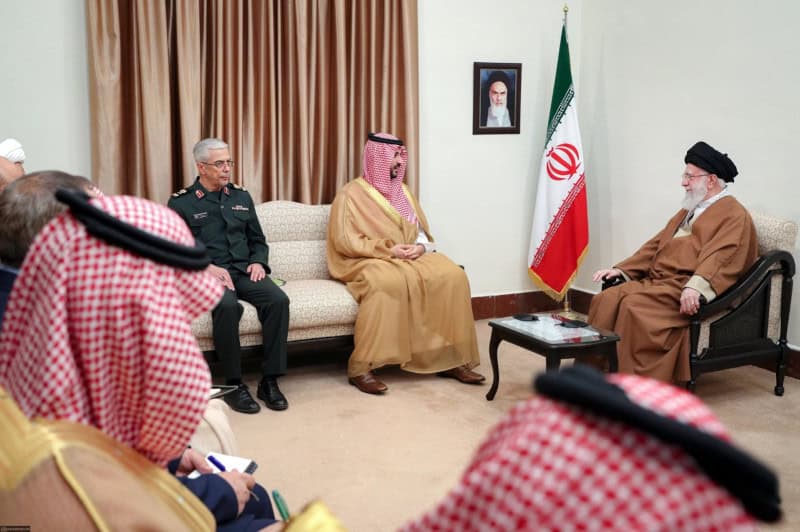
Analysis: A decade of Saudi-Iranian relations: from rivalry to re-engagement
From 2015 to 2025, Tehran-Riyadh ties shifted from confrontation to cautious engagement. Prince Khalid bin Salman’s visit to Tehran marks a historic step in de-escalation amid rising regional tensions. Riyadh appears intent on avoiding entanglement in a broader conflict between Iran and the West.
-
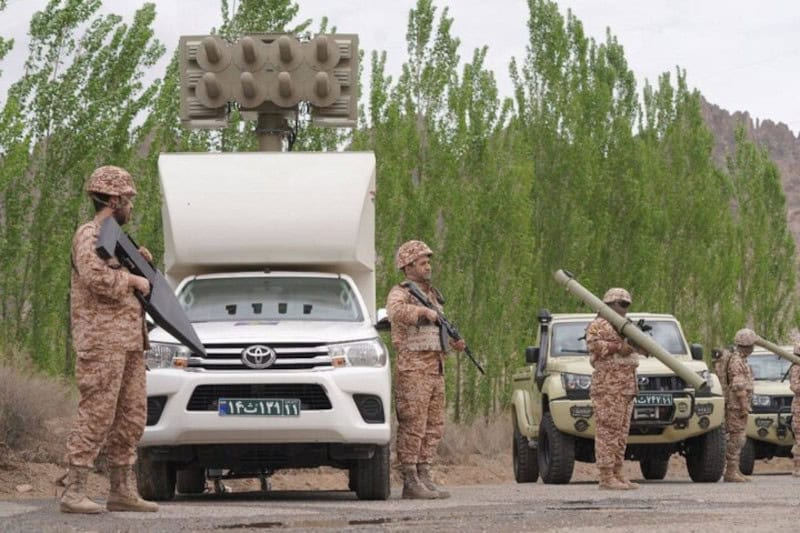
Iranian and Armenian militaries drill as Azerbaijan hosts Israel-Turkey talks
Iranian and Armenian special forces conduct their first joint military exercise near the two countries’ shared border, while Azerbaijan mediated talks between Israel and Turkey over Syria.
-
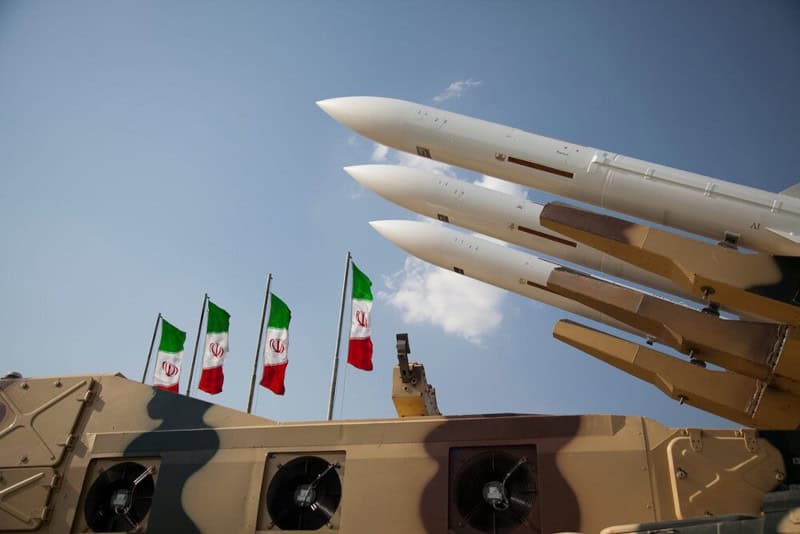
Iran braces for possible US attack amid proxy setbacks
Amid mounting proxy losses and a major US military buildup across the Middle East, Iran has placed its armed forces on high alert and warned neighboring states against facilitating a potential American strike. Tehran is suffering setbacks in Iraq and Yemen while ramping up deterrence through inflammatory propaganda.
-
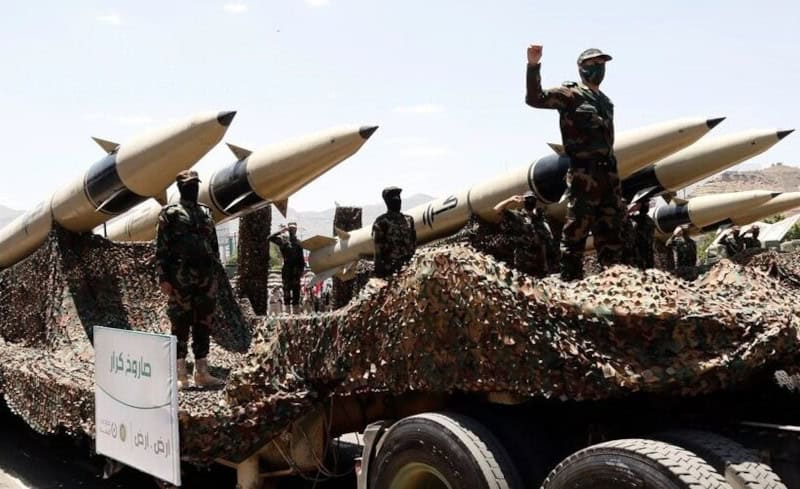
Iranian personnel leave Yemen as US strikes intensify
Iran has reportedly ordered its military personnel to leave Yemen amidst the growing US bombing campaign. The move reflects a broader pattern of the Islamic Republic recalibrating its regional strategy in response to the Trump administration’s moves to curtail Tehran’s influence in the Middle East and threats to potentially strike Iran’s nuclear sites.
-
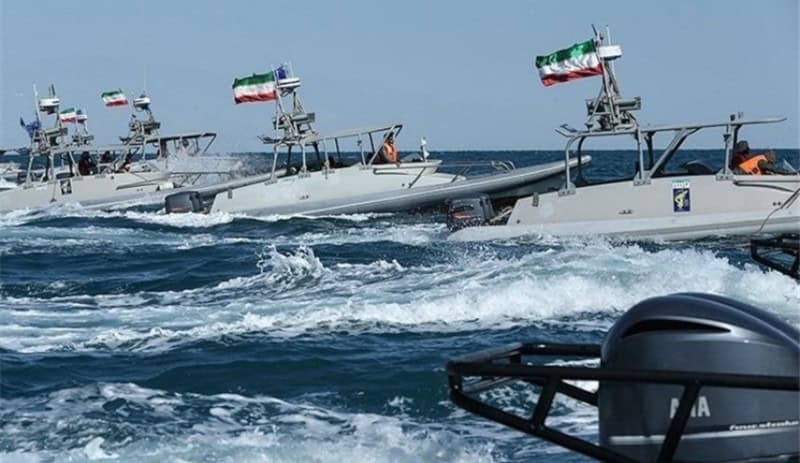
Iran strengthens its military in the Persian Gulf
Amid rising tensions with the US, the Islamic Revolutionary Guard Corps has increased its military presence in the Persian Gulf. Over recent months, Iran has intensified exercises on islands located along a vital maritime corridor for global energy transit. Over one-fifth of the world’s oil passes through the Persian Gulf, making it a key geopolitical…
-
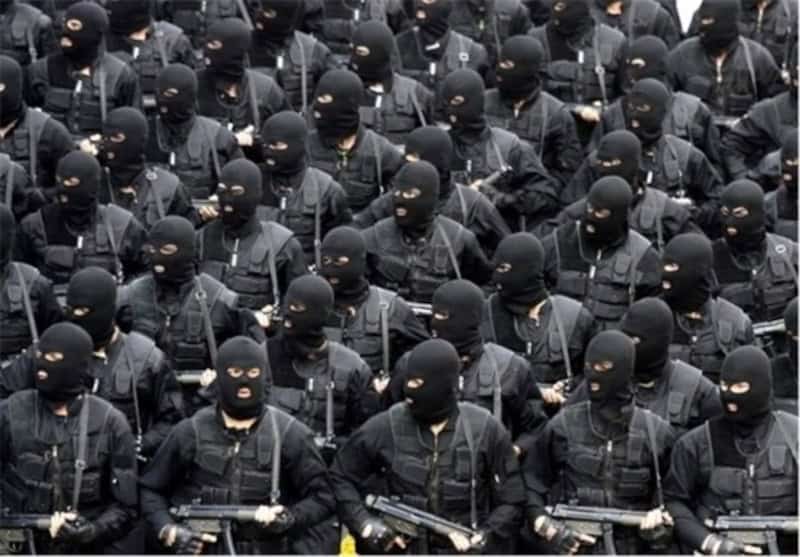
Iran’s ties to Western organized crime networks
Tehran’s ambitions extend beyond backing Shia and Sunni Islamist groups in the Middle East. On March 13, the US Treasury Department sanctioned Sweden’s Foxtrot gang for its ties to the Iranian regime, underscoring Tehran’s longstanding practice of cultivating criminal networks across Europe and the Americas to assassinate dissidents and target American, European, and Israeli interests.
-
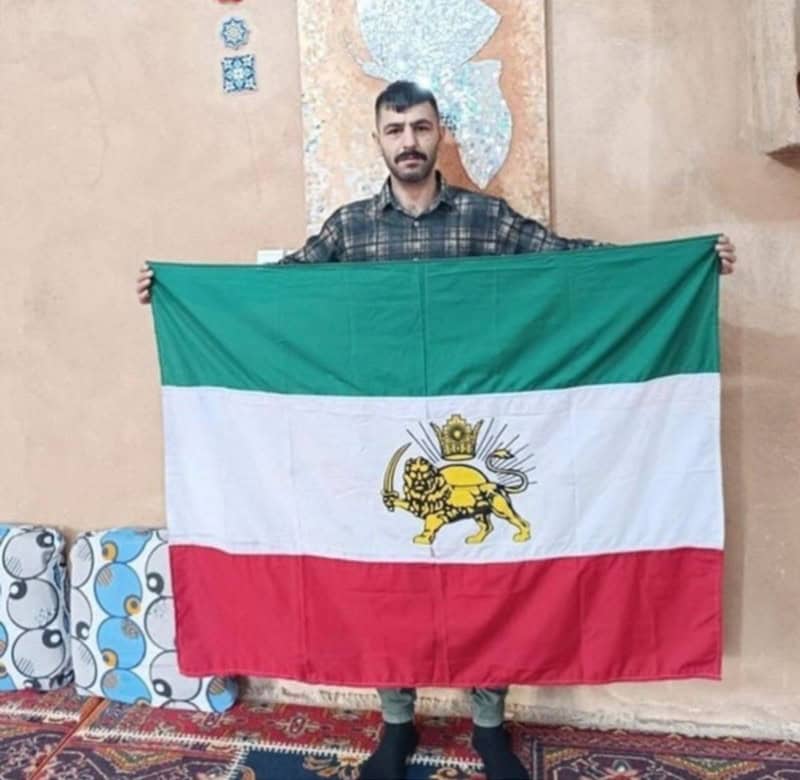
Iran cracks down on armed nationalist group
In a rare escalation, a group of armed men with nationalistic aspirations clashed with regime security forces in the southwestern city of Izeh. Livestreamed footage captures the final moments of four surrounded men, one of whom takes his own life rather than face arrest.
-
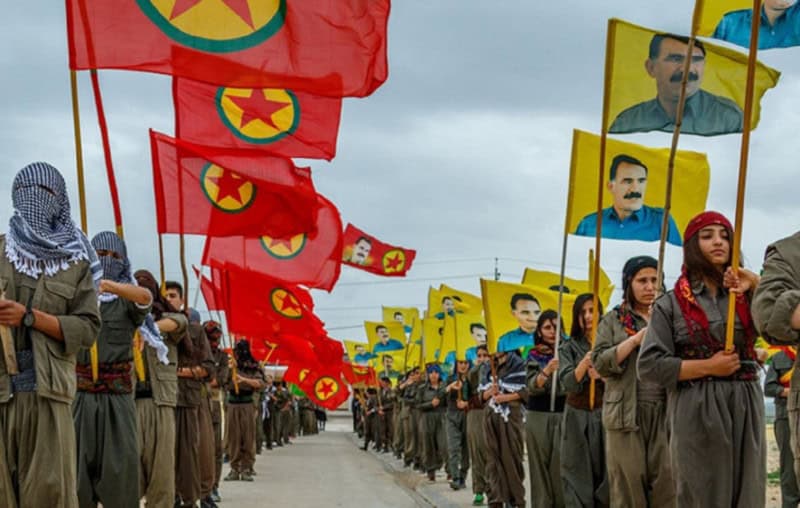
Analysis: Iran’s loss is Turkey’s gain
Tehran’s recent setbacks have paved the way for Ankara’s ascent. The Ankara-backed Azerbaijan’s triumph over Tehran-backed Armenia, Turkish-supported militias outmaneuvering Iran’s influence in Syria, and now, the unraveling of the Iran-backed PKK further tilts the balance in Turkey’s favor.
-

Analysis: Is Iran poising itself for escalation with Israel?
Recent statements by Islamic Republic officials indicate Tehran’s staunch commitment to rebuilding Hezbollah’s capabilities and achieving “final victory.” These threats may signal a renewed escalation in the region after Israel’s crippling blow to Iran’s missile arsenal and the collapse of the Islamic Republic’s Syrian ally.
-
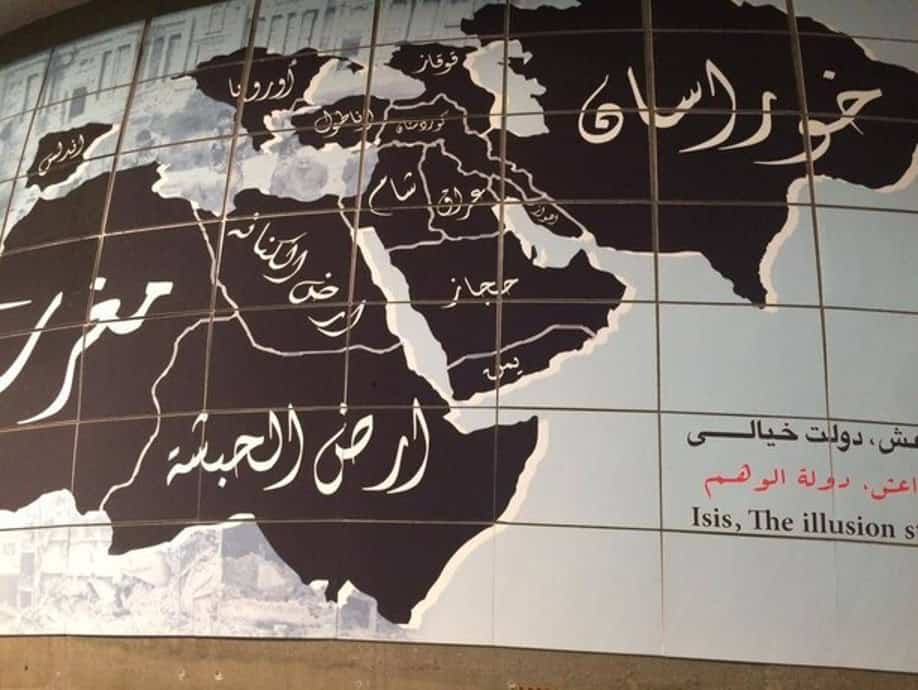
Analysis: From Afghanistan to America: the rising reach of the Islamic State Khorasan Province
Four years after the US withdrawal from Afghanistan, the threat posed by the Islamic State Khorasan Province (ISKP) has expanded beyond the region, now endangering both America and Europe. With the group actively recruiting and transferring fighters across borders, regional actors such as the Taliban, Iran, Tajikistan, and Pakistan have proven unable to curb its…
-
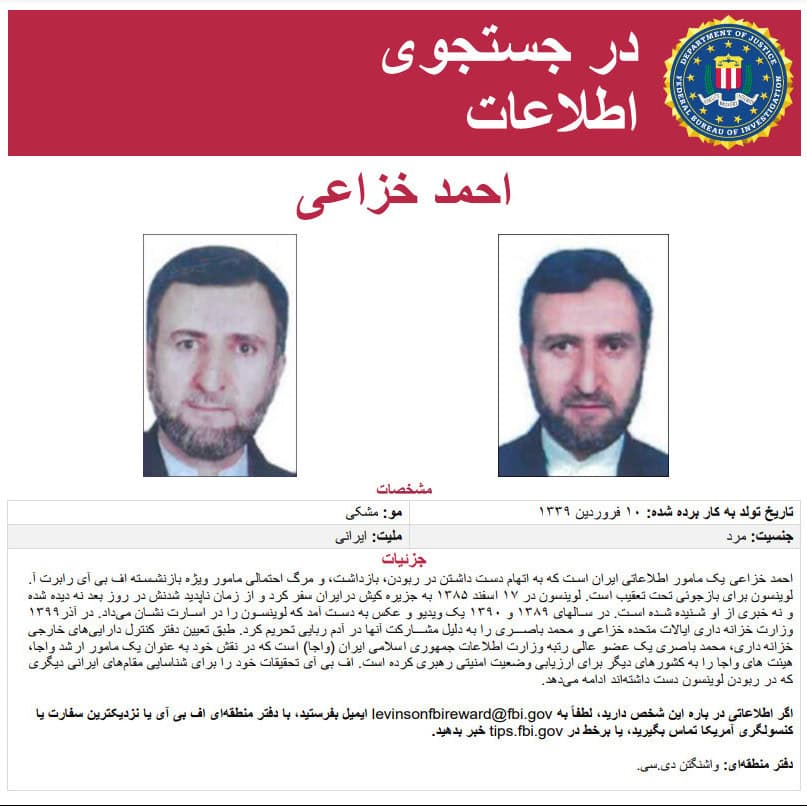
Analysis: Unpacking Iran’s counterintelligence apparatus
Iran’s intelligence network is not a monolithic entity but a web of competing and cooperating factions that execute the regime’s global ambitions. Iran’s Islamic Revolutionary Guard Corps (IRGC), Quds Force, and Ministry of Intelligence each play distinct yet overlapping roles in conducting assassinations, abductions, and sabotage operations worldwide. While institutional rivalries persist, their shared objective—suppressing…
-
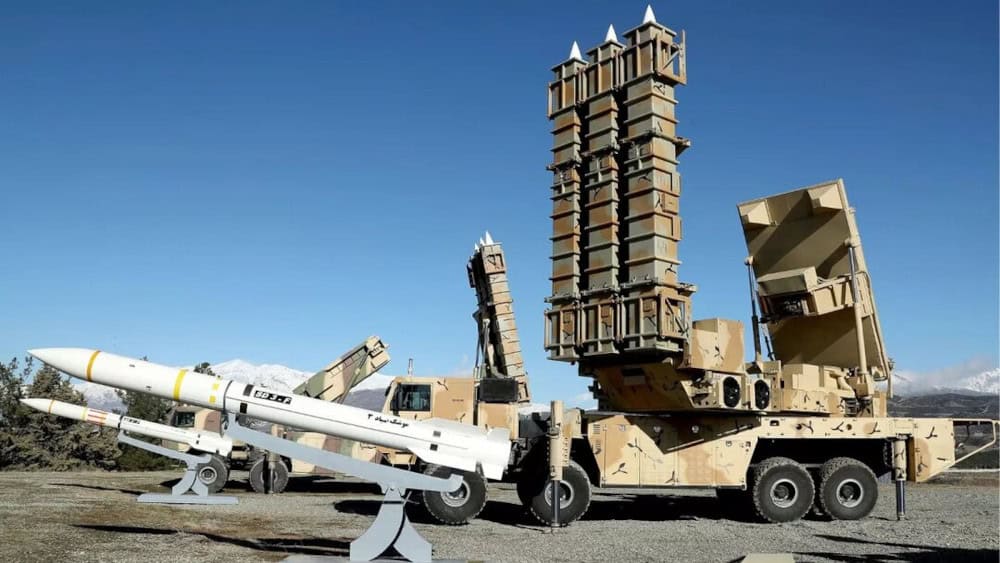
Analysis: Tehran’s triad: propaganda, proxies, and preparedness
The Tehran regime faces significant challenges, including the diminished influence of its regional proxies and the potential for an Israeli strike on its nuclear facilities. In response, the Islamic Republic has devised a three-pronged strategy: bolstering morale through propaganda, conducting extensive military drills as a deterrent, and amplifying support for its remaining proxies.
-
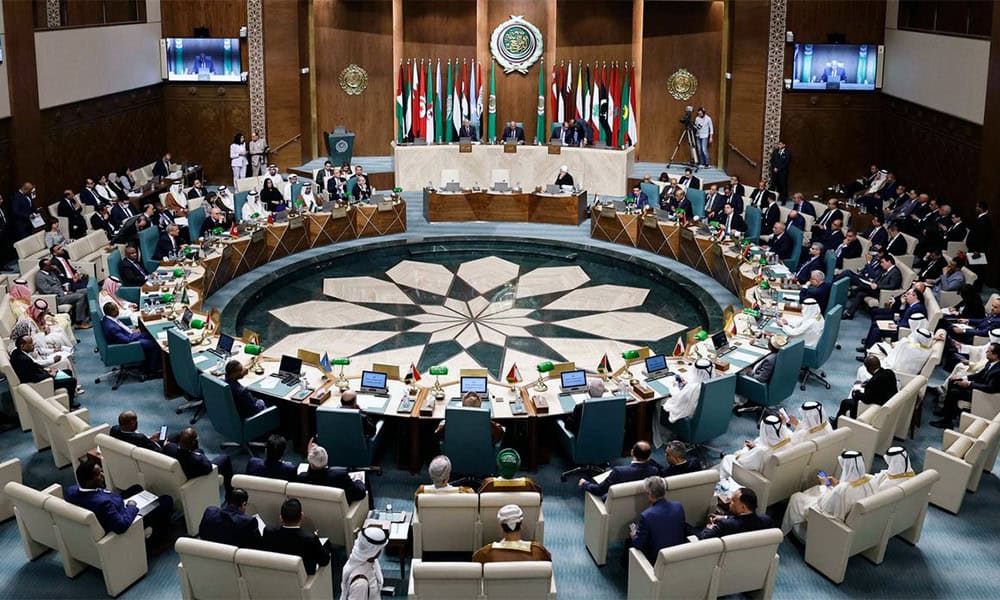
Analysis: Iran’s waning influence in the Arab world
A recent declaration by the League of Arab States chastising Iran for “inciting strife among the Syrian people” and the weakened positions of or hedging by Tehran’s regional proxies signal Iran’s diminishing influence.
-
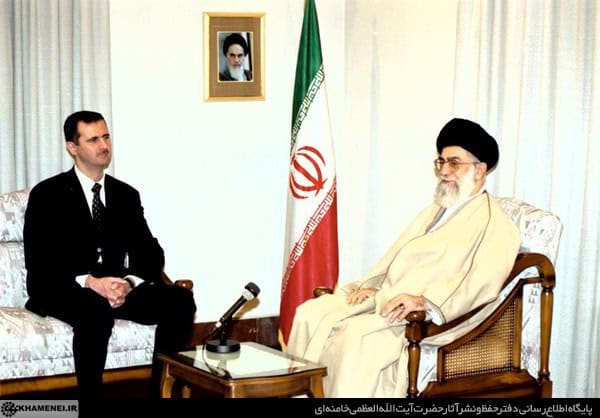
Analysis: Iran never gave up on Assad; it simply failed to protect him
The sudden collapse of the Islamic Republic’s closest state-actor ally stunned the world as Syrian rebels captured Damascus in just 11 days after launching a new wave of insurgency. To deflect this humiliating defeat, Iranian officials have claimed that the Tehran-Damascus alliance had been weakening and that Iran no longer aimed to preserve the Assad…
-

Analysis: Tehran on the back foot: Proxy struggles and Assad’s dilemma
Just a year ago, the Islamic Republic was on the offensive as it used its proxies to launch coordinated attacks on Israel from six fronts to demonstrate the extent of its regional influence. Now, the momentum has shifted. Israeli operations have severely weakened Hamas and Hezbollah, Syrian rebels backed by Turkey wage a relentless war…
-
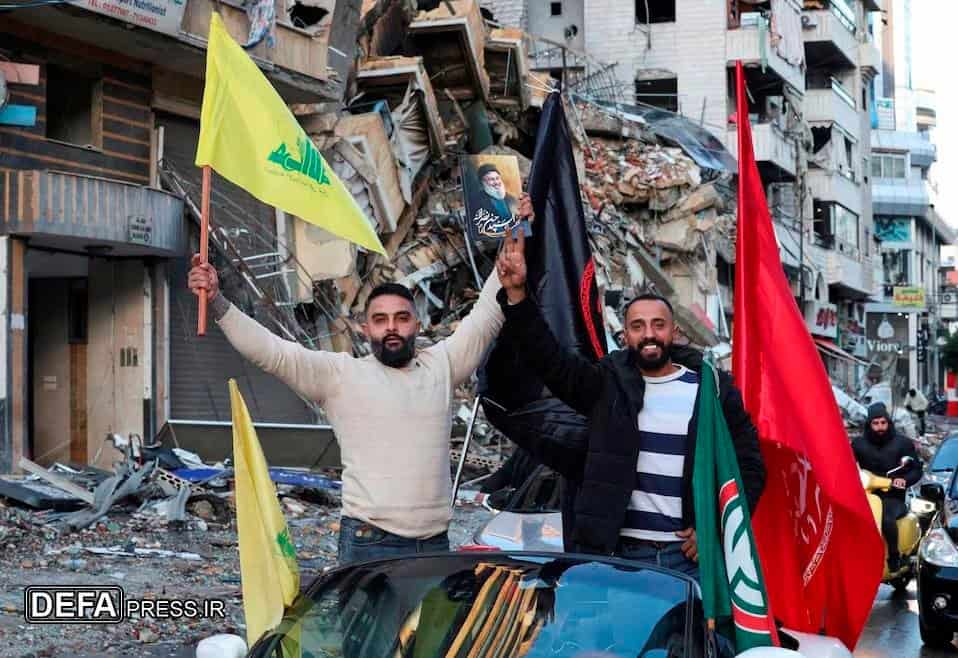
Analysis: Iran hails ceasefire as an opportunity to rebuild Hezbollah
With Israel and Hamas having reached a ceasefire agreement, the rhetoric coming from Tehran is far from de-escalatory. Military and civilian officials within the Islamic Republic continue to underscore their commitment to rebuilding Hezbollah’s capabilities and have reiterated threats of launching a third phase of the “True Promise” operation against Israel.
-
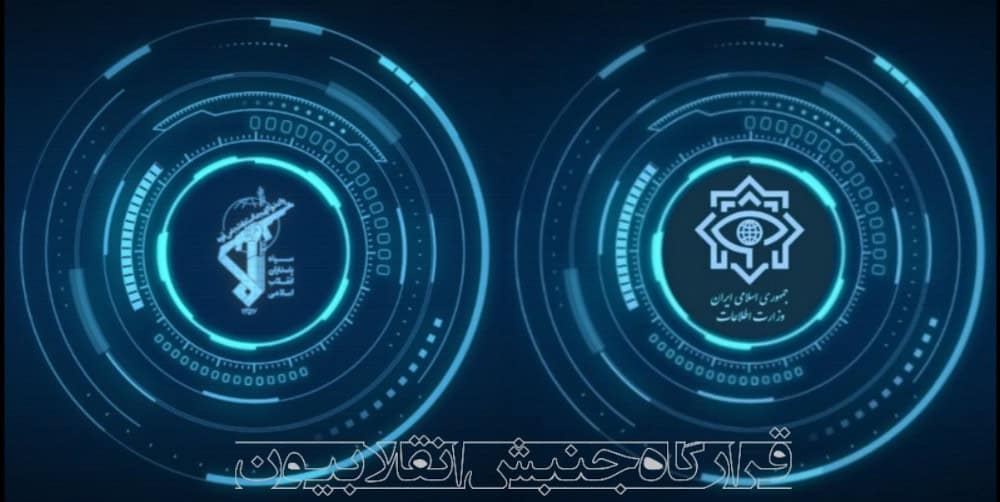
Analysis: Spy surge: Tehran’s espionage strategy against Israel
The Islamic Republic has accelerated its intelligence operations in Israel, with at least five spy rings uncovered in October alone. Between October 14 and 31, Israeli authorities arrested some 20 individuals who were operating on behalf of Iran. Led by the Islamic Revolutionary Guard Corps (IRGC) and Iran’s Ministry of Intelligence (MOI), Tehran’s multifaceted espionage…
-
Analysis: Leaks and spy rings merely delay the inevitable Israeli operation
Despite allegedly leaked documents from US agencies and Tehran’s ongoing intelligence operations aimed at disrupting an Israeli attack, Iran is bracing itself for an operation targeting its nuclear facilities. The situation has only intensified after Hezbollah’s botched attempt to assassinate Israeli Prime Minister Benjamin Netanyahu.
-
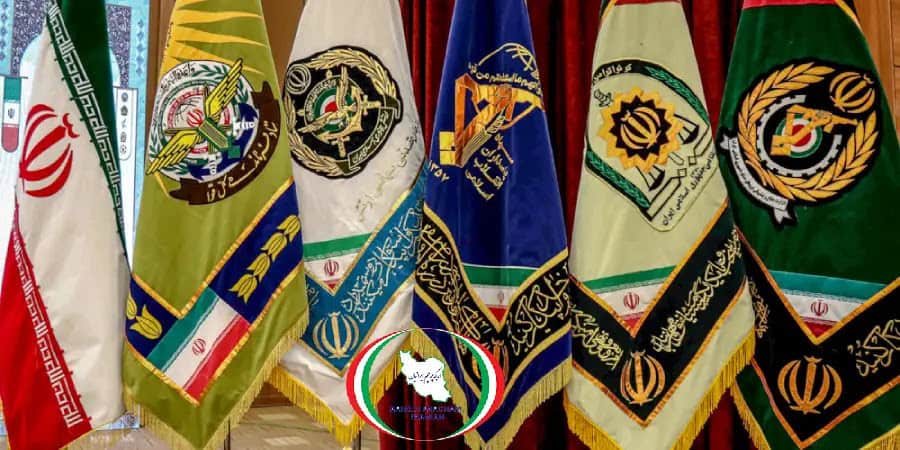
Analysis: The ‘How’ over the ‘What:’ Israel’s dilemma beyond target selection in Iran
Israel’s war cabinet has reportedly agreed on what Iranian targets to strike, so the question now is what method it will employ to carry out the attacks to effectively deter Tehran without escalating into a full-scale war. In doing so, Israel has two choices: to either publicly humiliate the regime or launch a series of…
The Team
Meet the Team Behind the Vision
Our dedicated team combines diverse skills and shared passion to bring innovative solutions to life. Together, we collaborate, create, and strive to exceed expectations every day. Learn more about the people driving our mission forward.
Alex Johnson
Project Manager
Oversees project timelines and ensures seamless collaboration among team members to deliver results on schedule.
Alex Johnson
Project Manager
Oversees project timelines and ensures seamless collaboration among team members to deliver results on schedule.
Alex Johnson
Project Manager
Oversees project timelines and ensures seamless collaboration among team members to deliver results on schedule.