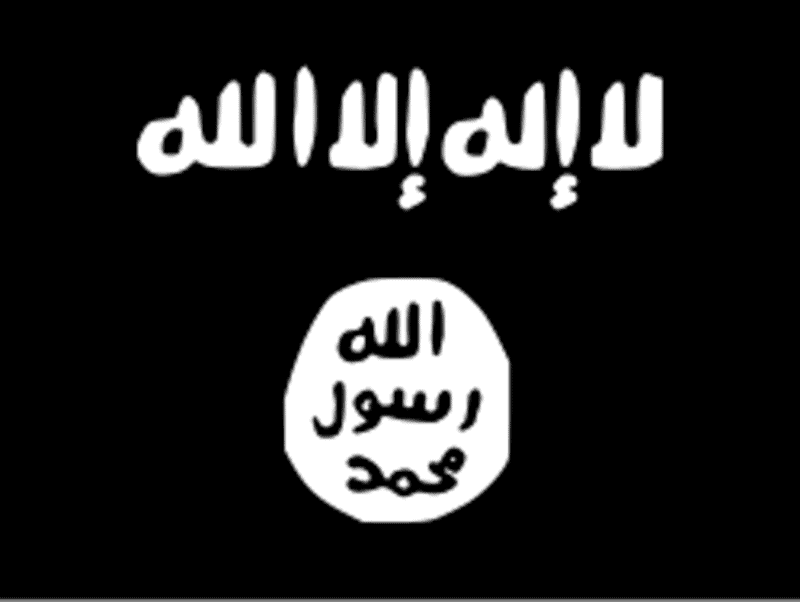
The US military killed an Al Qaeda leader who was involved in the December 13, 2025, attack that killed two US soldiers and a civilian contractor in Syria. US Central Command (CENTCOM) maintains that the Islamic State (IS) was involved in that attack. However, Al Qaeda and the Islamic State are enemies, and more than a month later, the Islamic State has not claimed credit for the killings.
CENTCOM identified the “leader affiliated with Al-Qaeda” as Bilal Hasan al Jasim and said he was killed in an airstrike in Syria on January 16. According to CENTCOM, Jasim “had direct ties to an ISIS [Islamic State] terrorist responsible for an ambush which killed two U.S. service members and an American interpreter on Dec. 13, 2025.” CENTCOM described Jasim as “an experienced terrorist leader who plotted attacks.”
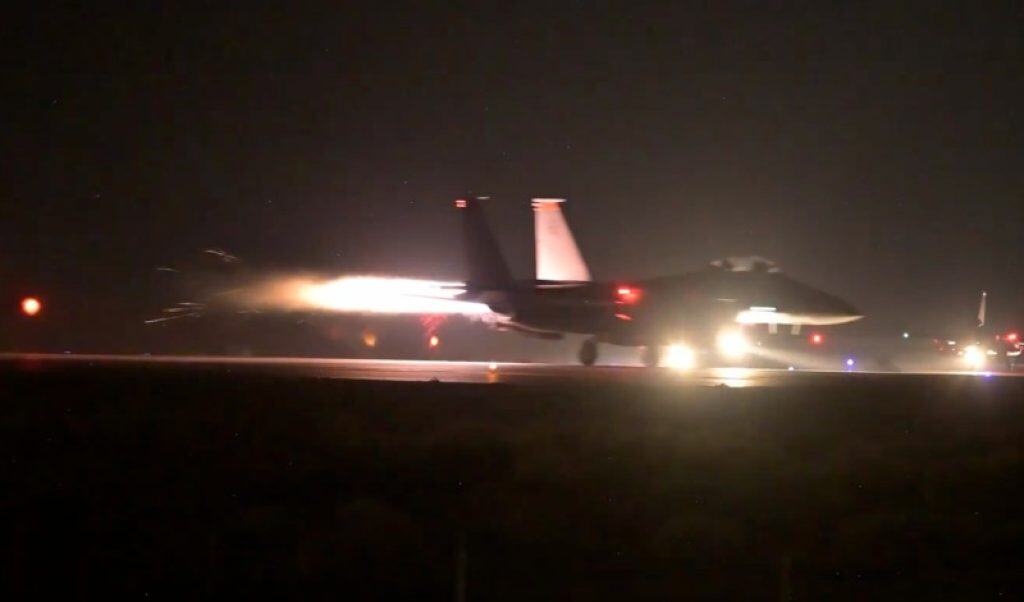
Jasim’s death is the first time CENTCOM has linked the December 13 terrorist attack that killed the three Americans with Al Qaeda at all. Previously, based on claims from the Syrian government, the US military solely tied the attack to the Islamic State. In response to the killings, CENTCOM carried out two waves of airstrikes, one on December 19 and another on January 10, against a wide range of Islamic State targets. “[M]ore than 100 ISIS infrastructure and weapons site targets with over 200 precision munitions” were struck, according to CENTCOM.
More than a month after the attack on US personnel, the Islamic State has not taken credit for the operation. Historically, the jihadist group is quick to claim attacks that kill or injure Americans.
The US military has not provided direct evidence linking the Islamic State to the December attack. The Syrian government, which has direct ties to Al Qaeda, has also linked the attack, carried out by a member of Syria’s security forces, to the Islamic State. Immediately afterward, Syria’s Interior Ministry said the attacker was under investigation for jihadist ties before he struck. Nevertheless, he was allowed to be near US personnel.
The Syrian security services are dominated by foreign and domestic jihadists, many of whom are loyal to or allied with Al Qaeda and are hostile to the US, or have served in Hayat Tahrir al Sham, Al Qaeda’s former branch in Syria. Some Syrian government leaders are members of Al Qaeda.
Syria’s president, Ahmad al Sharaa, was the head of Al Qaeda’s Hayat Tahrir al Sham and reported directly to former Al Qaeda emir Ayman al Zawahiri before Sharaa distanced himself from Al Qaeda in 2017. Yet Sharaa, who was known as Abu Mohammad al Jolani while he was a US-listed Specially Designated Global Terrorist, never renounced his bayat, or oath of allegiance, to Zawahiri or Al Qaeda.