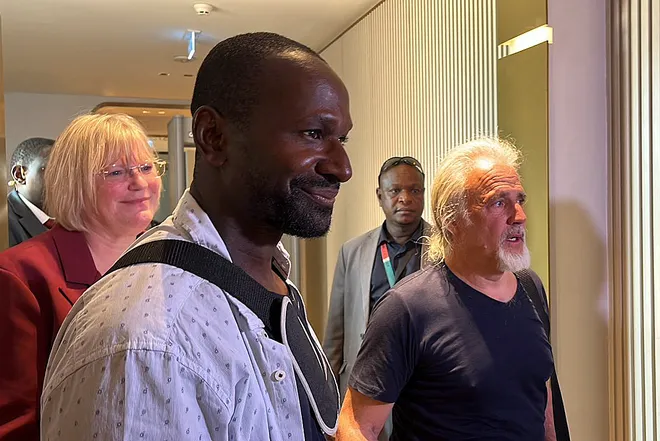
Kevin Rideout, who was abducted by gunmen from his home in Niger’s capital of Niamey last October and held by the Islamic State, was freed this week in Libya. The exact nature of his release remains murky, but Rideout has thanked Libyan officials for their efforts.

The US is losing leverage in Somalia as frustration with Mogadishu threatens critical African Union support and risks strengthening Al Shabaab’s hold. In Mali, renewed US airstrikes against JNIM raise a parallel concern—whether air power alone, without a ground strategy or political reform, can contain the group’s advance. Bill Roggio and Caleb Weiss examine these dynamics across the Sahel and the assess the murky state of Al Qaeda.

While attention remains fixed elsewhere, jihadist groups are expanding across Africa. Bill Roggio and Caleb Weiss revisit the growing threats in Mali, Nigeria, and Somalia—and why the continent remains one of the most consequential battlegrounds in the war against Al Qaeda and the Islamic State.

Across Mali, jihadis are seizing territory, encircling the capital, and pushing a fragile regime toward collapse. Backed by a sprawling network and in an effort years in the making, Al Qaeda’s Sahel affiliate has launched its most ambitious offensive yet—one that could redraw the map of West Africa. Bill Roggio and Caleb Weiss unpack what’s going on.

Al Qaeda’s Group for Support of Islam and Muslims (JNIM) and its allies in the Azawad Liberation Front (FLA) conducted a massive, widespread offensive in Mali, from Bamako to Kidal, on Saturday. Several cities fell under the complete or partial control of the militant alliance, while others, including Mali’s capital, remain under intense pressure.

The Islamic State has officially claimed last week’s assault on Niger’s Diori Hamani International Airport in the capital of Niamey, which also hosts the military Air Base 101. Niger claims the assault was repelled, with Russia’s Africa Corps mercenary group also taking credit for the defense.

Turkey has steadily increased its foothold in the central Sahel by providing arms, security assistance, and more to regional juntas. Similarly, The Group for Support of Islam and Muslims (JNIM), Al Qaeda’s branch for the Sahel and West Africa, is on its own upward trajectory, standing as one of the region’s most dominant violent actors. The jihadist group’s external messaging suggests it perceives Turkey to be an obstacle as it seeks to expand its territorial control and influence.

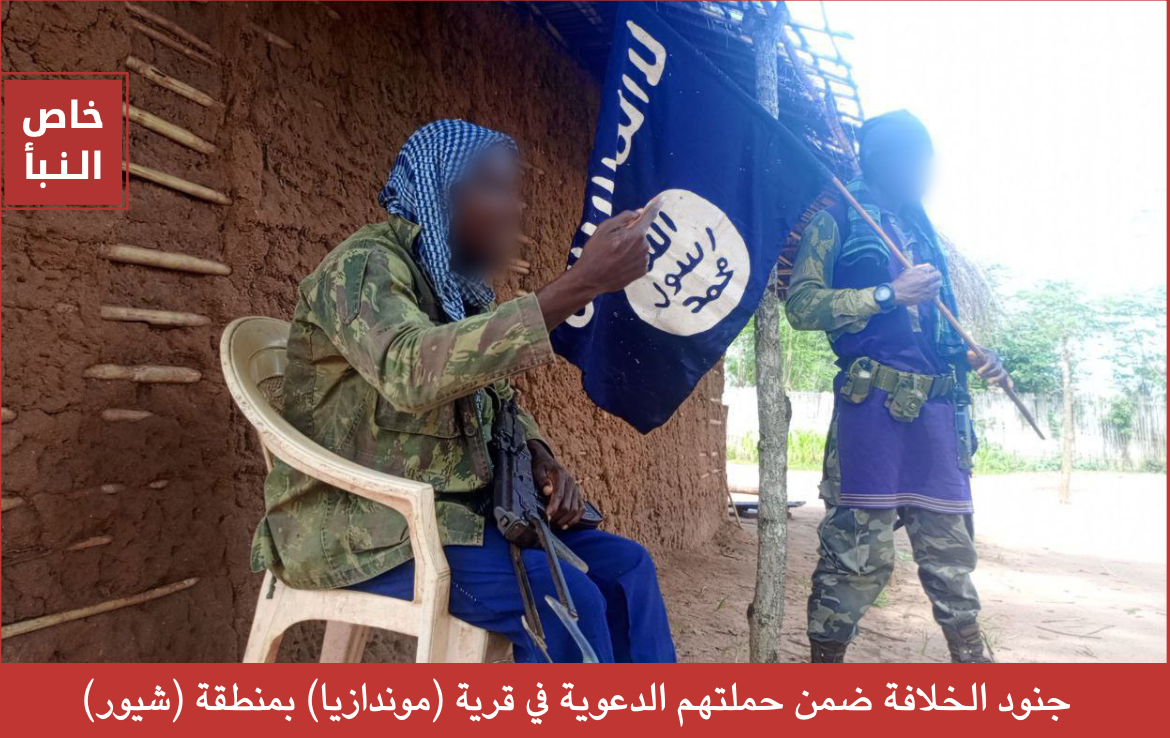
The Group for Support of Islam and Muslims (JNIM), al Qaeda’s branch for West Africa, has publicized its da’wah (proselytizing) activities in local communities in Mali and Burkina Faso. Photos released by the group document its men delivering religious lectures to locals in the southern Mali region of Kayes and Burkina Faso along the border with Niger.

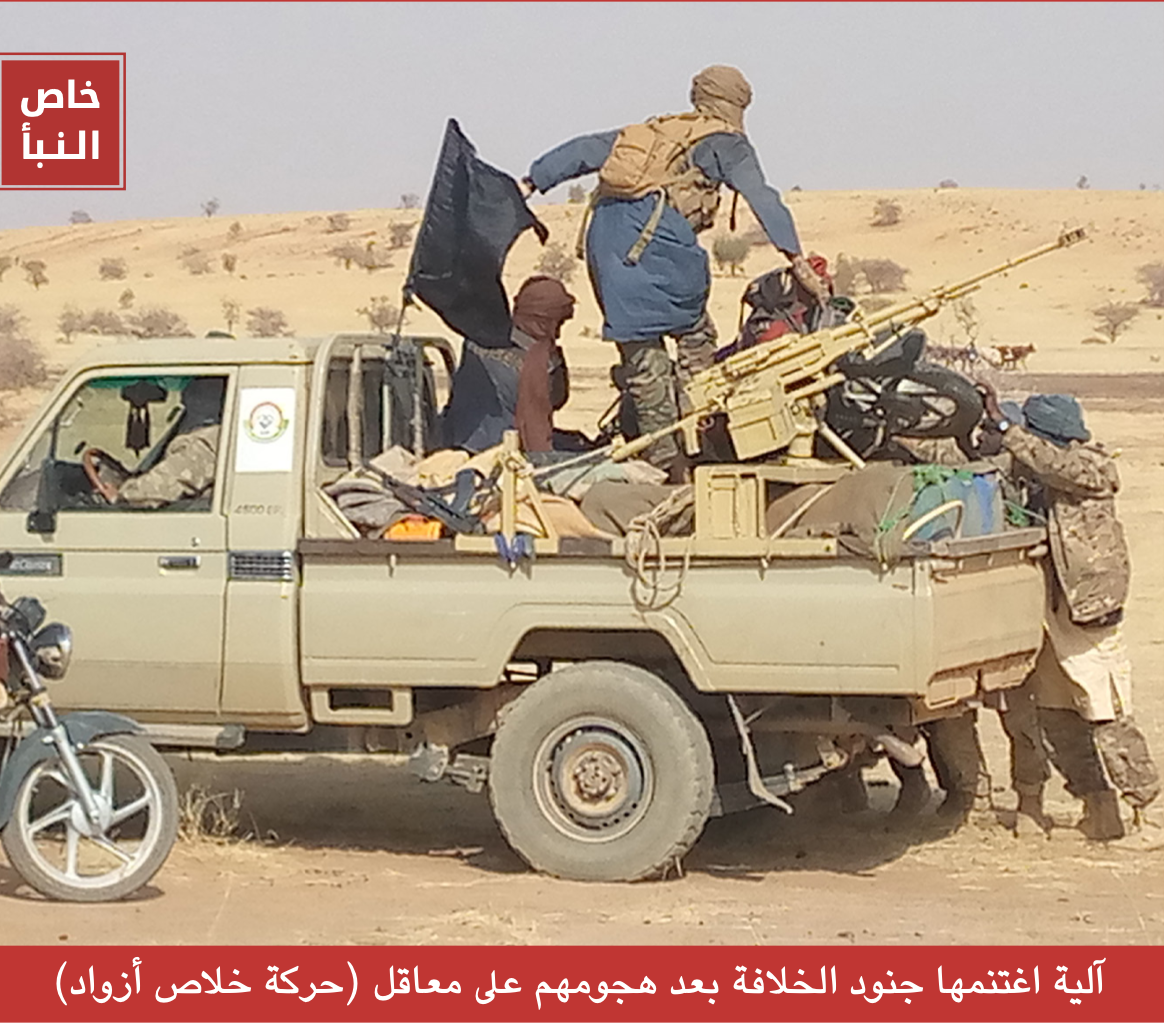
Over the weekend, fierce fighting between Tuareg rebels and the Malian military, backed by mercenaries from Russia’s Wagner Group, was reported in the extreme north of Mali. The Russian mercenaries suffered dozens of casualties—the group’s largest loss to date inside Africa.

Both al-Qaeda in the Islamic Maghreb and the Group for Support of Islam and Muslims, al-Qaeda’s branches in North and West Africa, respectively, have openly praised Hamas for its mass killings of Jews in recent days.

Jeff Woodke, who spent over six years captive in the Sahel, and Olivier Dubois, who spent almost two years as a hostage, were finally freed from the clutches of al-Qaeda’s men in the Sahel. The United States has denied paying a ransom.

Host Bill Roggio is joined again by (semi-official?) co-host Caleb Weiss to discuss Jihadi control in Africa. In the last several years, Jihadists have moved toward central and southern Mali and are now threatening Bamako, the capital of Mali. In Burkina Faso, Jihadis control around 40% of the country. Bill and Caleb walk through past and present Jihadi attacks, offenses, and operations.

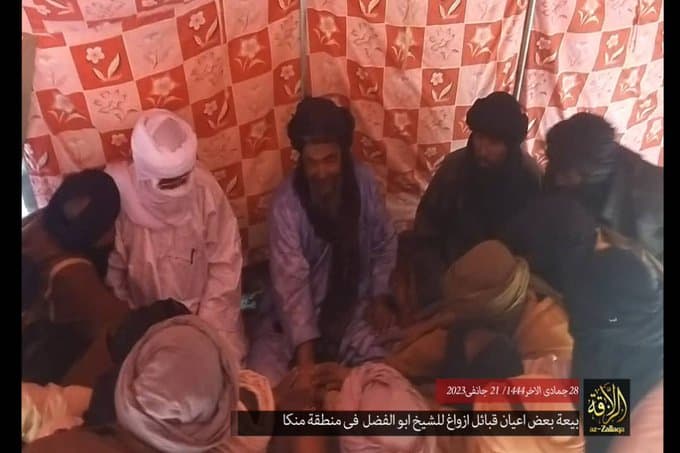
Several communities in Mali’s northern Menaka Region have turned to al Qaeda’s men in the face of extreme pressure and violence from the Islamic State’s local wing.

Over the last two weeks, al Qaeda’s West African branch has made a more concerted effort to advance closer to the Malian capital of Bamako.

At least three Italians, one Polish citizen, and one American have been kidnapped in the Sahel over the last two months. At least five other Westerners remain in captivity in the region – all of which are held by jihadist groups.

Host Bill Roggio is joined by two Long War Journal regulars, Caleb Weiss and Andrew Tobin, to give listeners an update on what’s happening on the ground in Africa from the Sahel — including that more than 400 Malians have been slaughtered in under one month — to “elections” and Shabaab attacks in Somalia.

Around 400 civilians, mainly from a small ethnic group in northern Mali’s rural border areas near Niger, have been killed by the Islamic State since March 8.

Host Bill Roggio is joined by Caleb Weiss — a senior analyst at the Bridgeway Foundation and long-time contributor to FDD’s Long War Journal — for an update on the latest surrounding various jihadist groups across the African continent.

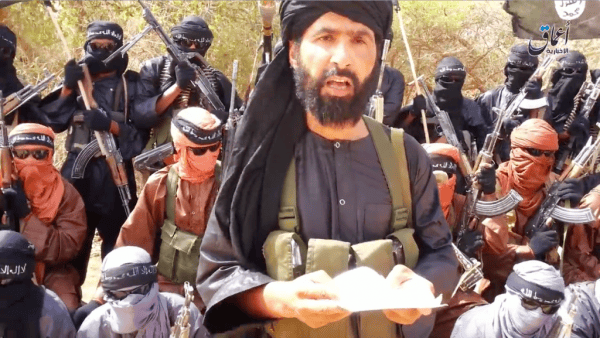
Coming roughly a month after France reported it had killed Abu Walid al Sahrawi, the Islamic State’s leader in the Sahel, the Islamic State itself has finally subtly confirmed the reports. The jihadist group has not publicly named a successor.

Al Qaeda in the Arabian Peninsula has sent a message of support to its fellow al Qaeda branch for recently killing five French soldiers.

France has claimed it killed Bah Ag Moussa, an important JNIM commander, in a recent military raid in northern Mali. JNIM has not yet commented on the news.

In an interview with the Islamic State’s Al-Naba newsletter, Abu Walid al-Sahrawi, the leader of the Islamic State in the Greater Sahara, attempts to paint al Qaeda’s efforts in the region as rife with internal squabbles and disunity.