
-
The Taliban vs Pakistan: Can they both lose?
Five years after the US withdrawal from Afghanistan, the Taliban is stronger than ever, Al Qaeda continues to operate under its protection, and Pakistan is learning the hard way that supporting jihadists comes with a price. Bill Roggio is joined by Will Selber to assess the state of the Taliban’s Islamic Emirate, the fractured Afghan resistance, and the continued presence of Al Qaeda and the Islamic State’s Khorasan Province.
-

FBI arrests alleged Islamic State supporter accused of plotting Mall of America attack
Sheikhdoon Abdullahi Mohamud, 18, an American citizen of Somali descent, allegedly intended to attack an arts festival at the Mall of America in Bloomington, MN, in late October. Mohamud’s arrest marks the seventh Islamic State-linked terrorism case or incident in the United States this year.
-
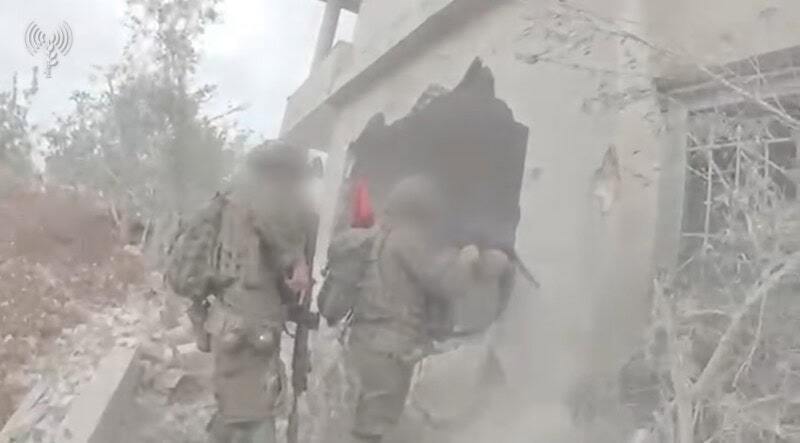
IDF shifts southern Lebanon forces toward ‘forward-defense’ posture as troops prepare for winter
The Israeli military is shifting toward a deeper “forward defense” posture in southern Lebanon, rotating formations and preparing positions for winter while continuing to clear Hezbollah infrastructure. The evolving deployment comes as Hezbollah maintains that Israeli forces’ continued presence in Lebanon justifies continued “resistance.”
-
US flag trampling, militia disarmament dispute mark Iraq’s post-US withdrawal era
Iraq is grappling with controversy over the role of Iran-backed militias following the departure of US forces, including an incident in which Popular Mobilization Forces members were photographed driving over an American flag. Prime Minister Ali al Zaidi is pushing to bring militia weapons under state control by June 2027, with several factions reportedly agreeing…
-
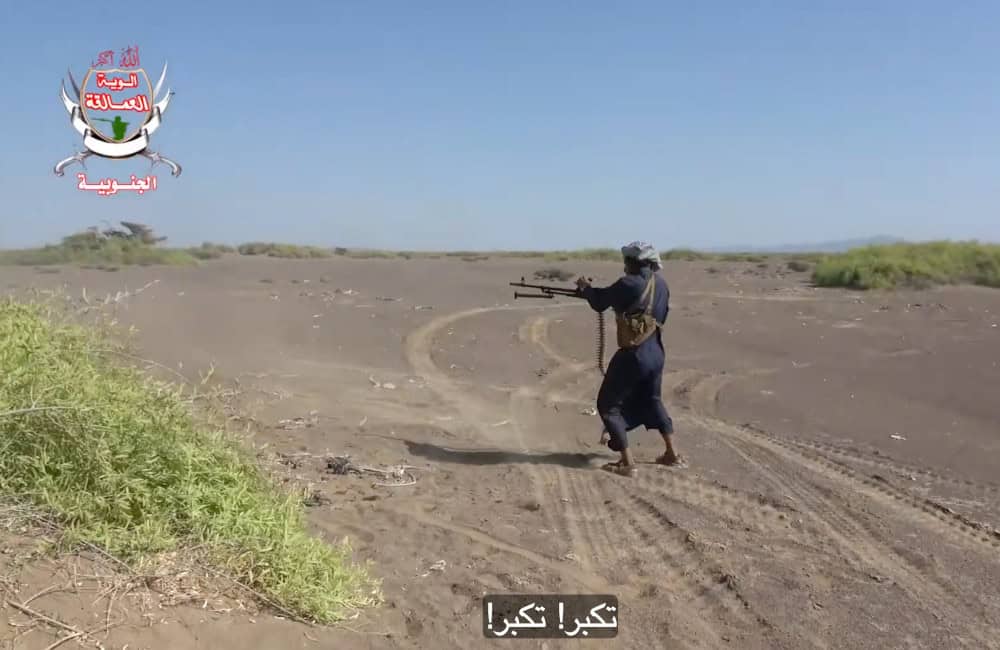
Yemeni government forces launch Saudi-backed counteroffensive against Houthis
The Yemeni government announced a counteroffensive against the Houthis, with Saudi support, to retake territory the group seized in September, stating that removing the Houthis from the Yemeni capital of Sanaa is a goal. Forces aligned with Yemen’s internationally recognized government retook territory along the Bab al Mandeb Strait on October 5.
-
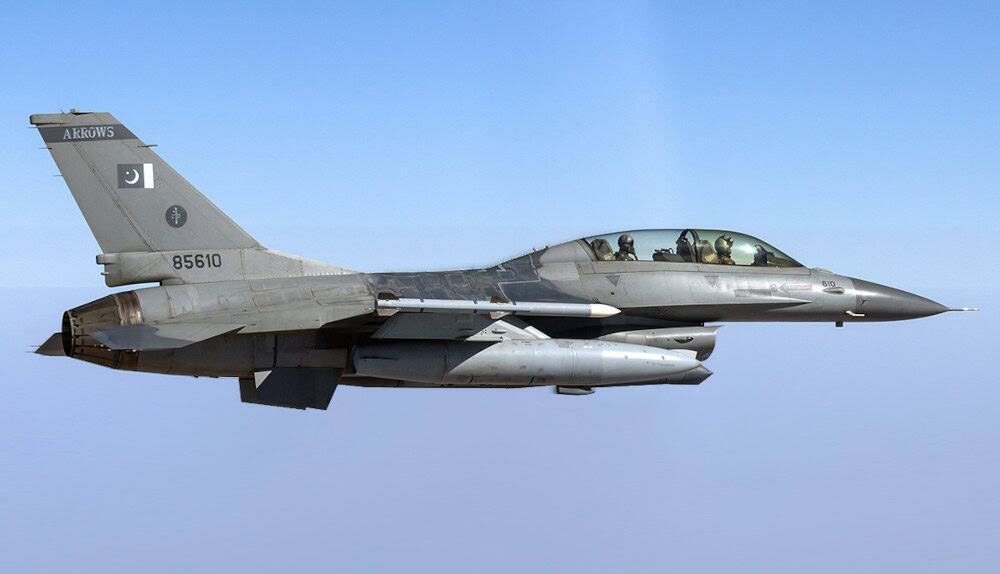
Pakistan launches new strikes as conflict with Taliban persist into third week
Pakistan claims its latest airstrikes in Afghanistan last week killed 22 terrorists, while the UN reports 10 civilians killed, most of them children. The Taliban accused Islamabad of sending anti-Taliban fighters into Afghanistan.
-
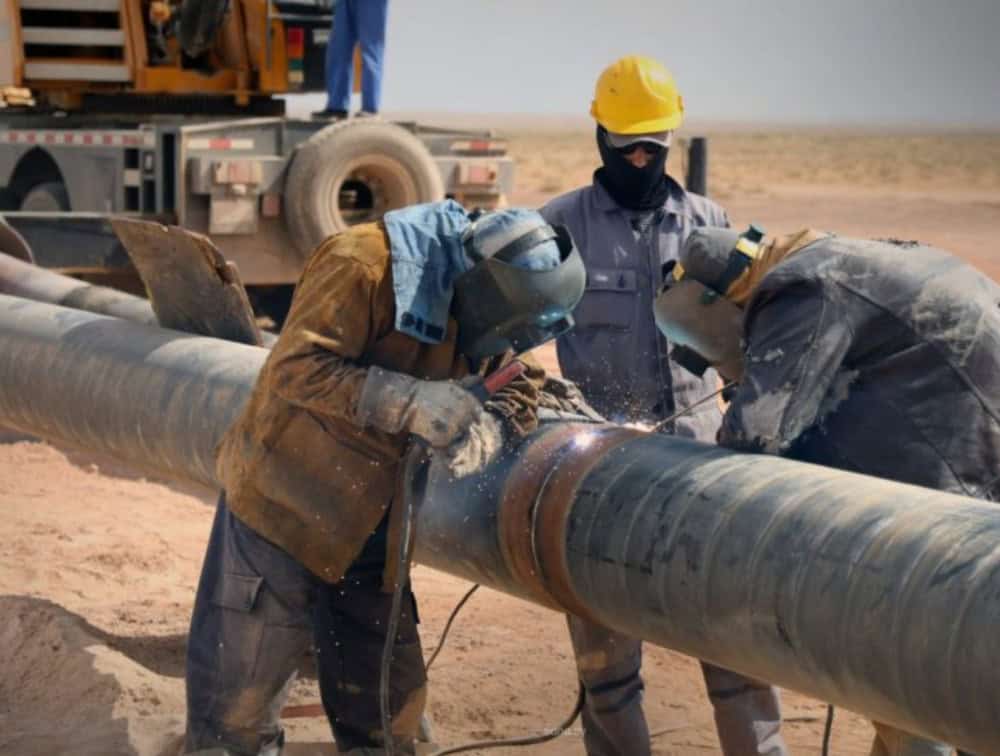
Syria faces infrastructure sabotage, Islamic State activity amid utility shortages
Syria has restored a sabotaged gas pipeline near Deir Ezzor and is repairing another line near Damascus as authorities confront threats to the country’s energy infrastructure. The repairs come amid wider challenges, including Islamic State activity and electricity, water, and fuel shortages, even as Syria expands energy trade with Iraq and works to restore regional…
-
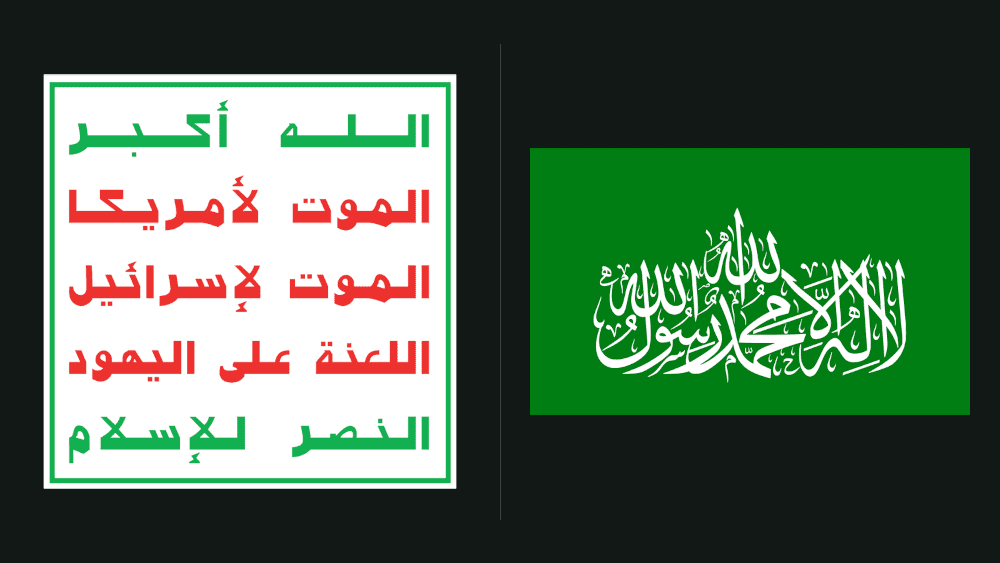
US charges engineer with supporting Houthis, Louisiana brothers and Florida man with financing Hamas
In September, federal prosecutors brought three cases involving alleged support for Middle East terrorist groups: one against a DOE engineer accused of assisting the Houthis and two others accusing Louisiana brothers and a Florida beauty-store owner of financing Hamas.
-
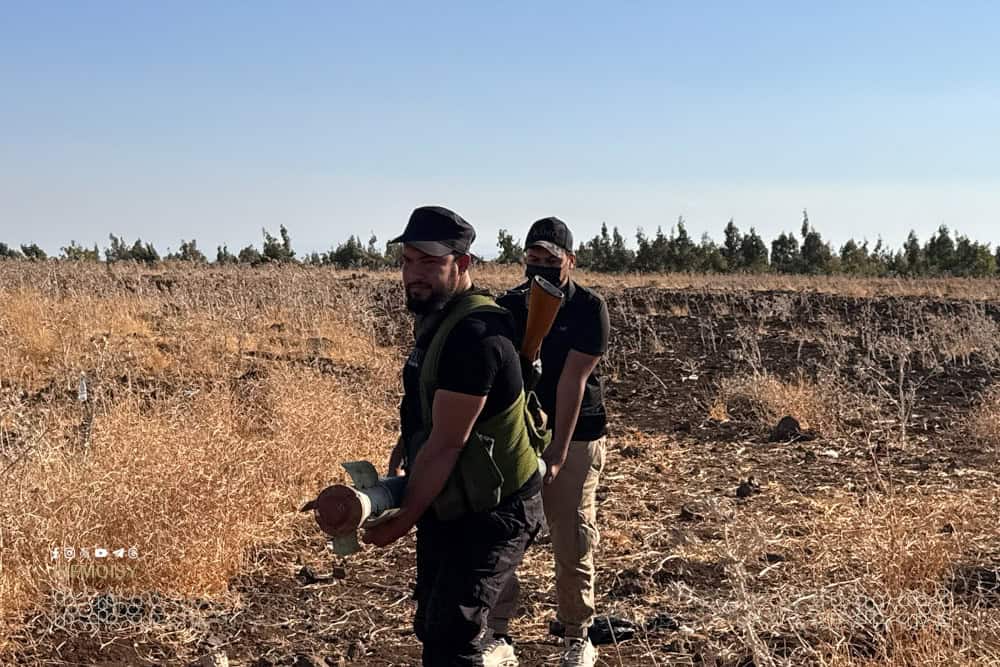
Syria says it thwarted Hezbollah plot; Israel likely target
On September 29, Syria’s Internal Security Forces (ISF) announced that the agency, in coordination with the General Intelligence Directorate, had “thwarted a sabotage plot in the Yarmouk Basin in Daraa” and arrested a three-member cell affiliated with Hezbollah.
-
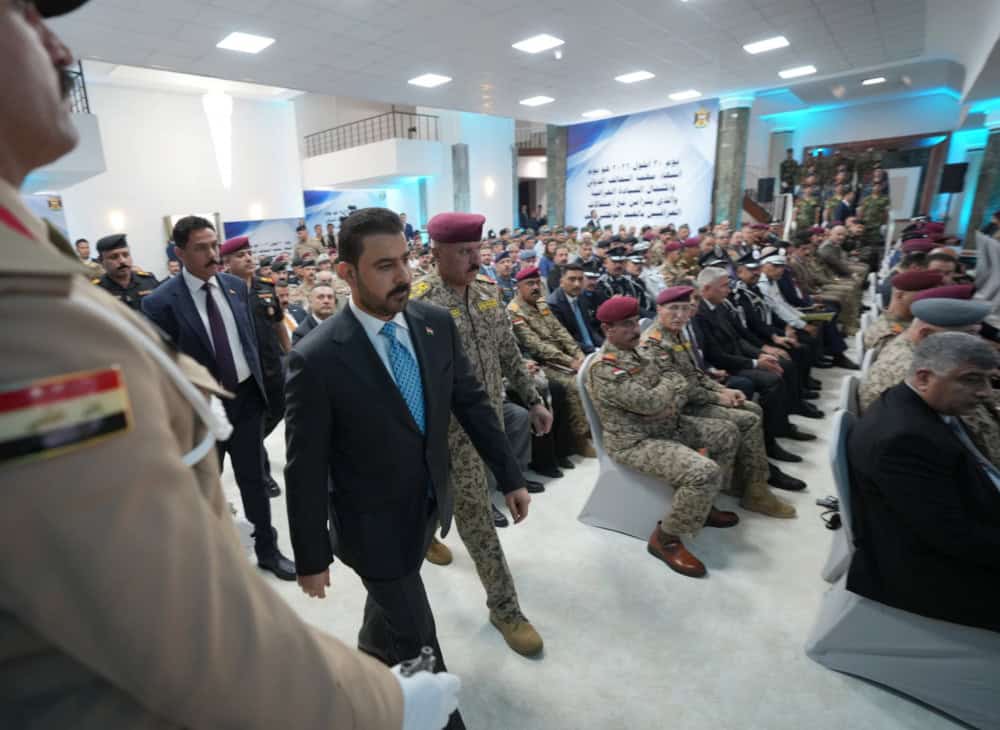
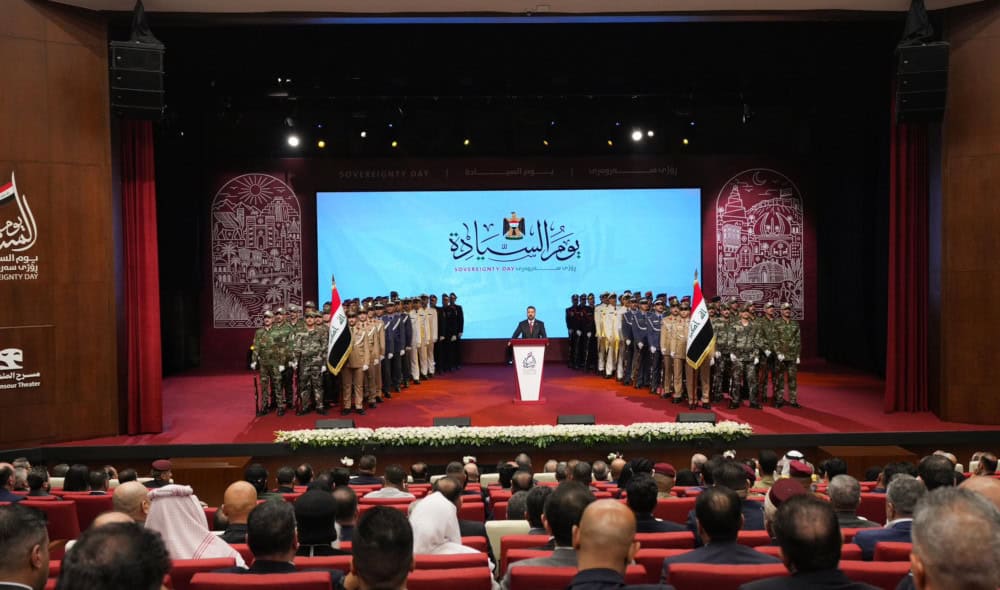
US forces complete departure from Iraq as anti-Islamic State mission in Iraq ends
US and other anti-Islamic State coalition forces completed their withdrawal from Iraq on September 30, ending Operation Inherent Resolve as Baghdad marked what it called a restoration of Iraqi sovereignty. The departure comes amid concerns about Iran-backed militias, air-defense gaps in the Kurdistan Region, and the future of US-Iraq security cooperation.
-
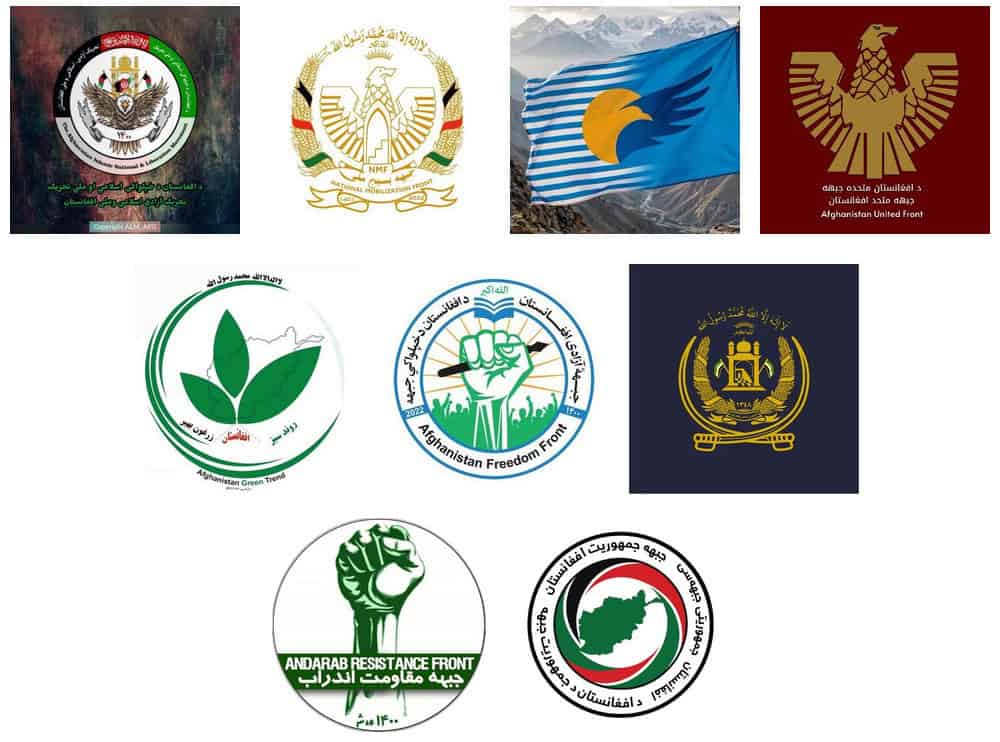
Anti-Taliban resistance claims attacks across Afghanistan in September
Anti-Taliban resistance groups claimed to have conducted 37 targeted operations across Afghanistan in September, including assassinations, assaults in Taliban strongholds in the south, and fighting over outposts in the northeast.



All Articles
-
The Message
“People are dead because of what this son of a bitch said. How could he be credible now?” – Pentagon spokesman Lawrence DiRita on the unnamed source who reported Qur’ans were desecrated in Camp X-Ray The Newsweek report of Qur’ans being flushed down the toilet in Guantanamo Bay to “torture” al Qaeda inmates was based on uncorroborated information obtained from an unnamed source. Newsweek issued an explanation and tepid apology for reporting this story. At least 15 people have died in violent demonstrations in Afghanistan, and much ill will against the United States has accumulated. Newsweek’s shoddy reporting harkens us…

-
Wounded Z?
Rumors that al Qaeda in Iraq Commander Abu Musab al-Zarqawi has been wounded in combat during the battles in Qaim have taken on a new life. Early last week an Iraqi officer reported Zarqawi was seriously wounded, if not dead already. The Times Online has details of the purported visit by Zarqawi to a hospital in Ramadi (note that Iraqi blogger Hammorabi reported on this hospital visit on Thursday): According to the doctor, Zarqawi was escorted into Ramadi general hospital by smartly dressed men. “He was bleeding heavily and his escorts were well dressed with a look about them that…

-
Mission Completed?
The US military has released a statement that Operation Matador is over: “Marines, sailors and soldiers from Regimental Combat Team-2, 2nd Marine Division successfully completed Operation Matador today, concluding a seven-day operation securing objectives in and around the Euphrates River cities of Karabilah, Ramana and Ubaydi, near the Syrian border,” a statement said. The curious portion of this statement is that there is no mention of operations in the city of Qaim, even though heavy fighting has occurred there. It is unlikely the fighting is over. Matador has moved from the offensive stage of the operation (positioning and maneuvering the…
-
Fight Amongst Yourselves
US Marines have encircled the town of Ubaydi and are beginning to root out the insurgents. In the town of Qaim, an interesting development has emerged. The insurgents are preparing for an American assualt on the city by creating checkpoints and fighting positions. It was reported earlier that the leaders of Qaim requested American intervention, and now it seems that insurgent factions cannot tolerate each other, and have turned their weapons on one another: Rival groups of insurgents also are fighting among themselves in the nearby town of Qaim, trading mortar, rocket and machine gun fire almost nightly, Pool said.…
-
Fire at Will
The hunt for al Qaeda continues in Pakistan. Less than two weeks after the capture of senior al Qaeda operative Abu Farraj al-Libbi, yet another operative has been taken down in Pakistan (hat tip to Justin C.): Haitham al-Yemeni, a native of Yemen known for his bomb-making skills, had been tracked for some time in the hope that he would help lead the United States to al Qaeda leader Osama bin Laden, intelligence officials said. But with the recent capture in northwest Pakistan of Abu Faraj al-Libbi, thought to be al Qaeda’s No. 3 man, officials worried al-Yemeni would soon…
-
Intensity
The media reports from Matador have been confused at best during the course of the operation. Initial reports indicated combat occurred only north of the Euphrates River, while later accounts indicated the push occurred both north and south of the river, driving east to west. At no point was this anomaly explained and there were no serious attempts by the media outlets to explain the overall nature and scale of the operation. Several accounts, such as this one from ABC News, contradict themselves by reporting the “U.S. Assault Intensifies at Syria Border” (the title of the article) while claiming the…
-
Org Chart
Note: The Organizational Chart for al Qaeda in Iraq is now avaliable for viewing, click here to see the PDF. The document is also available for download via The Counterterrorism Blog. Evan Kohlmann of Global Terror Alert and The Counterterrorism Blog has allowed me to preview a graphic of the organizational structure of al Qaeda in Iraq. This fascinating document details the leadership of al Qaeda in Iraq and shows the command structure and related military wings. The chart also illustrates the status of al Qaeda’s lieutenants – killed, captured or wanted. As it stands, of the 42 known high…
-
Zarqawi: All’s Well in Qaim and Elsewhere
Al Qaeda’s Commander in Iraq weighs in the events of the past several days, including the operations in Western Iraq, the arrest of his lieutenant and the reports of the influx of foreign fighters into Iraq. Evan Kohlmann provides translations for the communiqu
-
Pushing Westward, Winning Hearts and Minds
“We are glad the Americans are here.” The Marines’ drive westward in Operation Matador appears to be almost complete. Solomon Moore, a reporter for the Los Angeles Times, describes the tragic death of Marines from Lima Company of the 3rd Battalion, 25th Regiment (3/25) whose amphibious vehicle was struck by either a landmine or IED. Several Marines perished in the ensuing fire. Elements of the 3/25 Marines are engaged in the town of Abu Hardan, a town south of the Euphrates River and directly east of Qaim on the Syrian border. These units started from the west near Ubaydi, and…

-
Another Ratline
Operation Matador has yielded little new information in the past 24 hours (Chester provides a roundup of some available news). The Washington Post rehashes the fierce fight in between Marines and terrorists in Ubaydi. This story has repeatedly made the rounds, and with a title of “Demise of a Hard-Fighting Squad” and a byline of “Marines Who Survived Ambush Are Killed, Wounded in Blast” one wonders if the purpose is to project defeat or weakness. Zarqawi has reportedly released a new statement calling the assault on al Qaeda strongholds in Western Iraq “good news” but a full translation is not…

-
Grist for the Mill
Captain’s Quarters links to an Adkronos International article stating Zarqawi may have been seriously wounded or perhaps killed during Operation Matador. The source is an Iraqi Colonel: The Jordanian militant Abu Musab al-Zarqawi is “serious injured, possibly dead” according to Colonel Fouad Hani Hassan, commander of the fifth division of the Iraqi armed forces, cited by ‘Elaph’, a popular website in the Arab world. Al-Zarqawi, considered al Qaeda’s leader in Iraq, is believed to have been injured in the major offensive US-led forces have been carrying out in the western Anbar province over the last few days. I agree with…
-
Foreign Elements
The Marines are methodically pushing westward, conducting detailed searches in the towns along the Euphrates. The Marines are driving the insurgents and terrorists towards the blocking force of the Marines in the 2nd Battalion, 2nd Regiment in Qaim and the platoon(s) providing over watch along the ridge overlooking Rabit. Col. Bob Chase reports the local population is proving helpful; “We are getting a lot of information from the locals in the area and a very positive reception. They are giving up locations of where these people are hiding out, and each one drives another operation.” The Washington Post details the…
-
The Matador’s Sword
Click this link to see the map of the area of operations. This map highlights (in pink) the towns where fighting was reported and was shamelessly copied from Belmont Club. Operation Matador is being carried out by three companies of Marines with an attached armored company, making it an armored battalion (Chester has more on the Marine units). This battalion will be supported by Air Force, Army and Marine aviation units consisting of Cobra and Apache helicopters, C-130 Spectre gunships, fighter-bombers such as F-18s and F-16s, and a host of unmanned aerial vehicles such as the new ScanEagle man-portable drones.…
-
Bringing It On
The Coalition effort to interdict, deny and destroy the insurgent’s capabilities in the Western regions of Iraq bordering Syria is dubbed Operation Matador. Colonel Bob Chase, the chief of operations for the Second Marine Division, reports that insurgents are standing their ground and fighting, and all the better: “When we get there, they are deciding to fight, and as such they are dying As marines we’d rather engage them that way than through an I.E.D The enemy honestly felt that they had a sense of security up there It had been a safe haven, and a lot of folks up…
-
Further Breaks
The Coalition’s tempo of operations is increasing just as the insurgency steps up their violent attacks on Iraqi security services and civilians. In a series of raids over the weekend, over 109 terrorists were killed or captured, and several large weapons caches have been uncovered. Nabil Badriyah Al Nasiri, the leader of the terrorist group Al-Muqaferin, which has links to al Qaeda, has turned himself in after many of his associates were captured in Bayji. The New York Times states that the bulk of the materials and men used in the insurgency are being funneled from outside the country; “Insurgents…
-
The Breaks
The US military believes the picture of Abu Musab al-Zarwaqi’s al Qaeda in Iraq network is improving, and they are working to dismantle it. While Task Force 626 has the specific mandate to hunt Zarqawi and his key lieutenants, the bulk of US forces are hunting his mules. Zarwaqi’s command apparatus has suffered from these efforts: While U.S. Special Forces try to learn more about al-Zarqawi, most U.S. troops in Iraq focus instead on the insurgents believed to report to him and mastermind operations carried out in his name. Nevertheless, with each capture or trove of insurgent information uncovered, U.S.…

-
Spring Cleaning in Pakistan
We are continuing to see the benefits from the arrest of Abu Farraj al-Libbi, al Qaeda’s commander of operations. Austin Bay states his capture has created a “cascading effect” – a landslide of information created by exploiting the intelligence obtained from al-Libbi. His personal notebook has been obtained and is being torn apart by US intelligence: U.S. officials are working feverishly to decipher numbers and apparent codes in a notebook retrieved from suspected al Qaeda leader Abu Farraj al-Libbi, ABC News has learned… Sources said officials believe al-Libbi’s seized notebook contains “hot” contact information. They said officials are hopeful the…
-
Yesterday’s Men
The arrest of Abu Farraj al-Libbi has already produced results. Well over two dozen al Qaeda operatives have been arrested based on the intelligence gathered from interrogations. Thirteen other al Qaeda members, including 10 Uzbuk, Chechan and Afghan nationals, have been arrested in the Bajaur Agency, but it is claimed these arrests are not related to al-Libbi’s capture. The Pakistani security forces have put a dent in several al Qaeda cells, and all is not as quiet as claimed in Pakistan’s western tribal areas. The status of al-Libbi’s detention is uncertain at this time as the Pakistanis have not decided…
-
Number Three?
Al Qaeda’s latest military commander, Abu Farraj al-Libbi has been captured in the lawless regions of Pakistan’s North West Frontier Province. al-Libbi was al Qaeda’s third in command, after Osama bin Laden and Ayman al-Zawahiri, and was the prot
-
al Qaeda’s Mess in Mesopotamia
A recently intercepted letter believed to be addressed to Abu Musab al-Zarqawi provides valuable insight into the mindset of the middle ranks of al Qaeda in Iraq and their perception of the organization’s leadership, effectiveness and the morale of the jihadis. Evan Kohlmann of Global Terror Alert and the Counterterrorism Blog provides a complete translation of the text, some of which is excerpted below. He notes that the letter was written by “Abu Asim al-Yemeni al-Qusaymi, a purported representative of Al-Qaida’s Committee in Iraq.” The fact that al-Qusaymi is a representative of the Committee is important as he will have…
