
-

The Taliban vs Pakistan: Can they both lose?
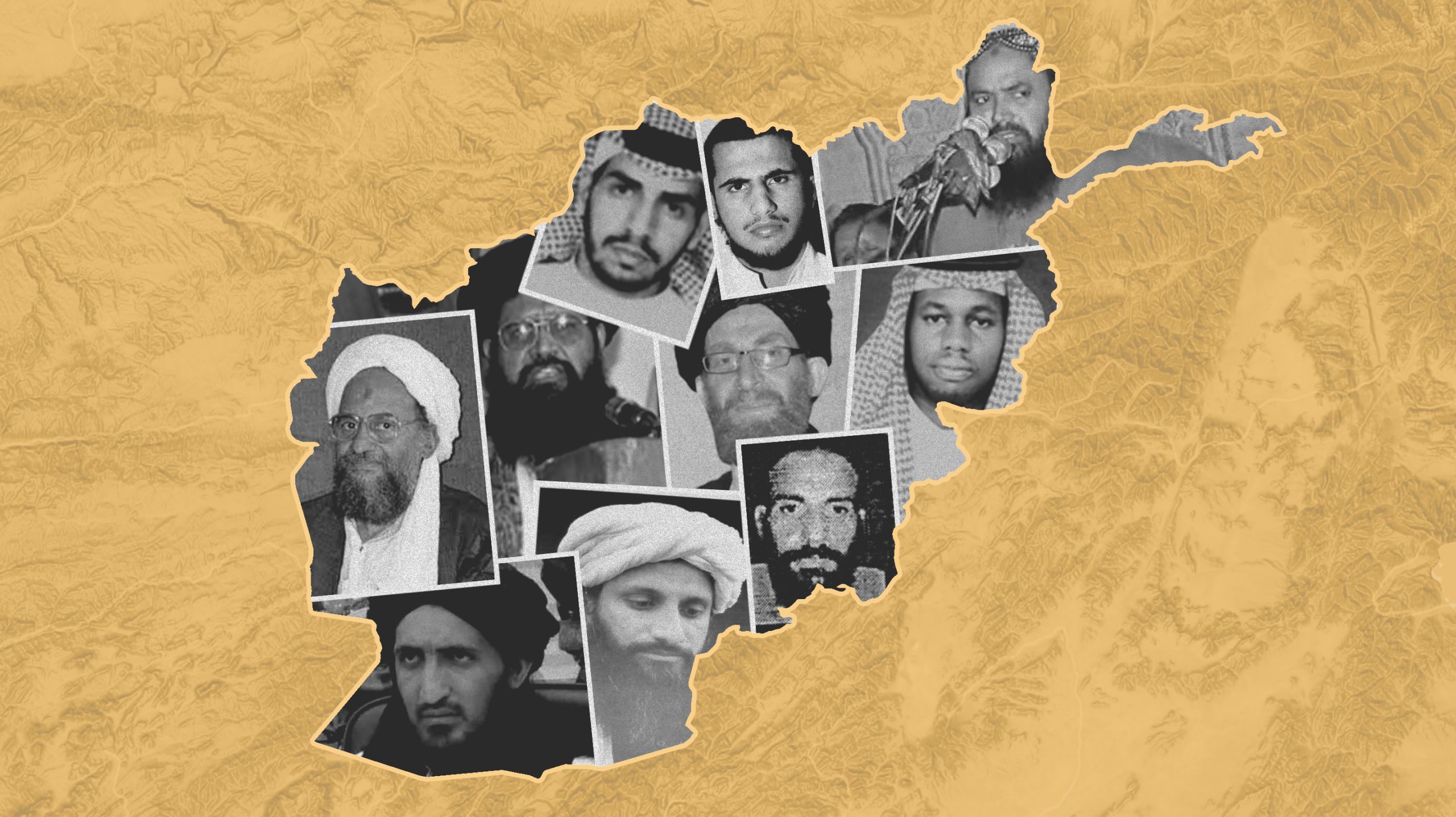
Five years after the US withdrawal from Afghanistan, the Taliban is stronger than ever, Al Qaeda continues to operate under its protection, and Pakistan is learning the hard way that supporting jihadists comes with a price. Bill Roggio is joined by Will Selber to assess the state of the Taliban’s Islamic Emirate, the fractured Afghan resistance, and the continued presence of Al Qaeda and the Islamic State’s Khorasan Province.
-

FBI arrests alleged Islamic State supporter accused of plotting Mall of America attack
Sheikhdoon Abdullahi Mohamud, 18, an American citizen of Somali descent, allegedly intended to attack an arts festival at the Mall of America in Bloomington, MN, in late October. Mohamud’s arrest marks the seventh Islamic State-linked terrorism case or incident in the United States this year.
-
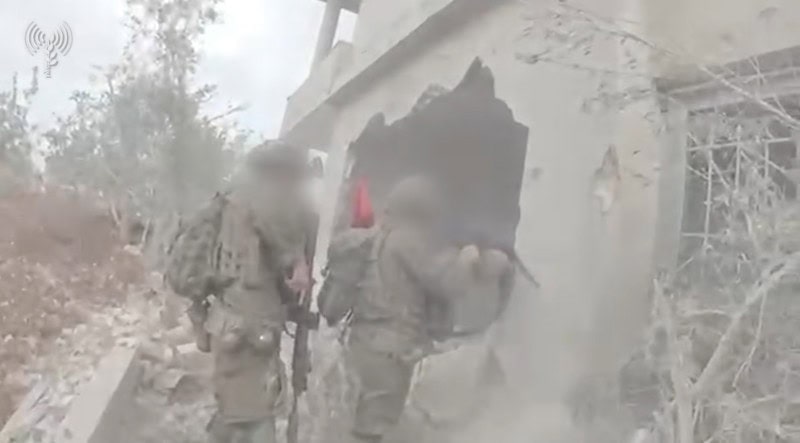
IDF shifts southern Lebanon forces toward ‘forward-defense’ posture as troops prepare for winter
The Israeli military is shifting toward a deeper “forward defense” posture in southern Lebanon, rotating formations and preparing positions for winter while continuing to clear Hezbollah infrastructure. The evolving deployment comes as Hezbollah maintains that Israeli forces’ continued presence in Lebanon justifies continued “resistance.”
-
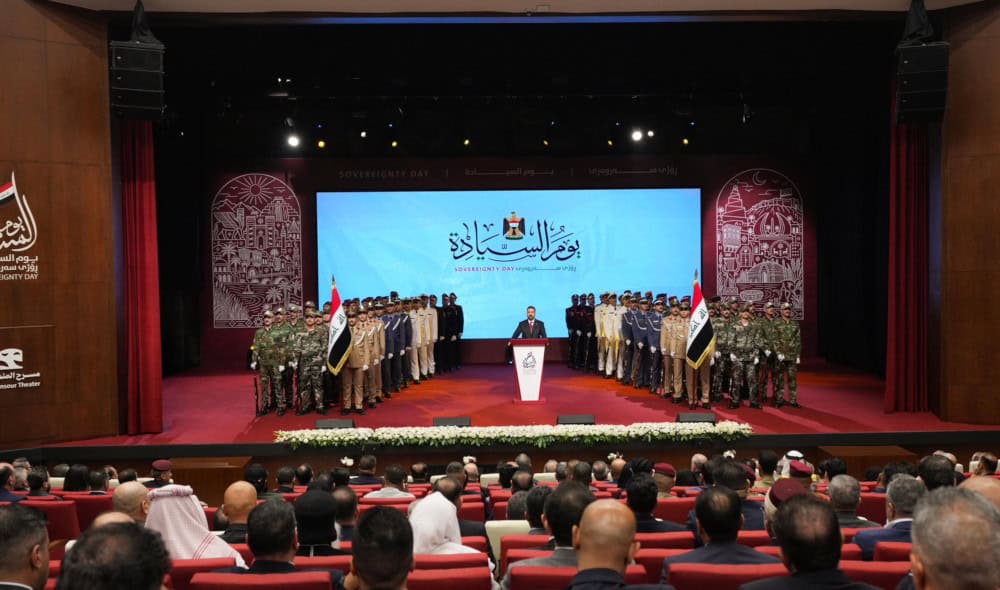
US flag trampling, militia disarmament dispute mark Iraq’s post-US withdrawal era
Iraq is grappling with controversy over the role of Iran-backed militias following the departure of US forces, including an incident in which Popular Mobilization Forces members were photographed driving over an American flag. Prime Minister Ali al Zaidi is pushing to bring militia weapons under state control by June 2027, with several factions reportedly agreeing…
-
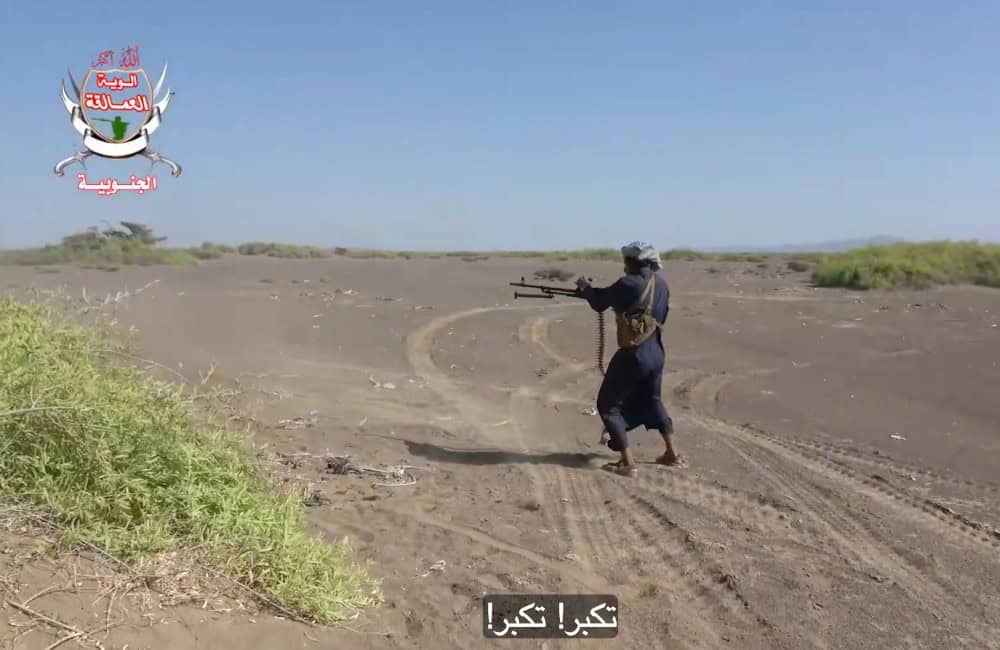
Yemeni government forces launch Saudi-backed counteroffensive against Houthis
The Yemeni government announced a counteroffensive against the Houthis, with Saudi support, to retake territory the group seized in September, stating that removing the Houthis from the Yemeni capital of Sanaa is a goal. Forces aligned with Yemen’s internationally recognized government retook territory along the Bab al Mandeb Strait on October 5.
-
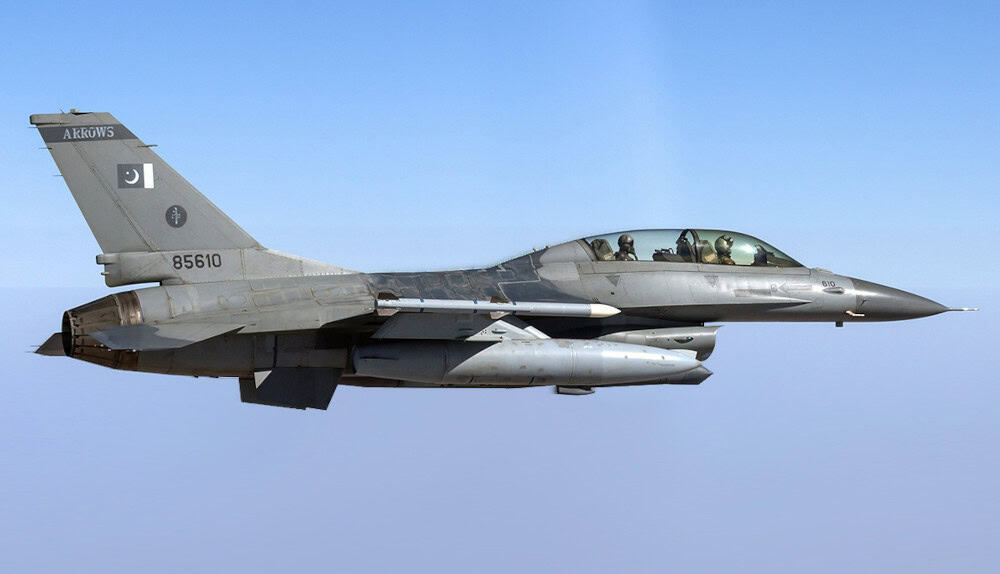
Pakistan launches new strikes as conflict with Taliban persist into third week
Pakistan claims its latest airstrikes in Afghanistan last week killed 22 terrorists, while the UN reports 10 civilians killed, most of them children. The Taliban accused Islamabad of sending anti-Taliban fighters into Afghanistan.
-
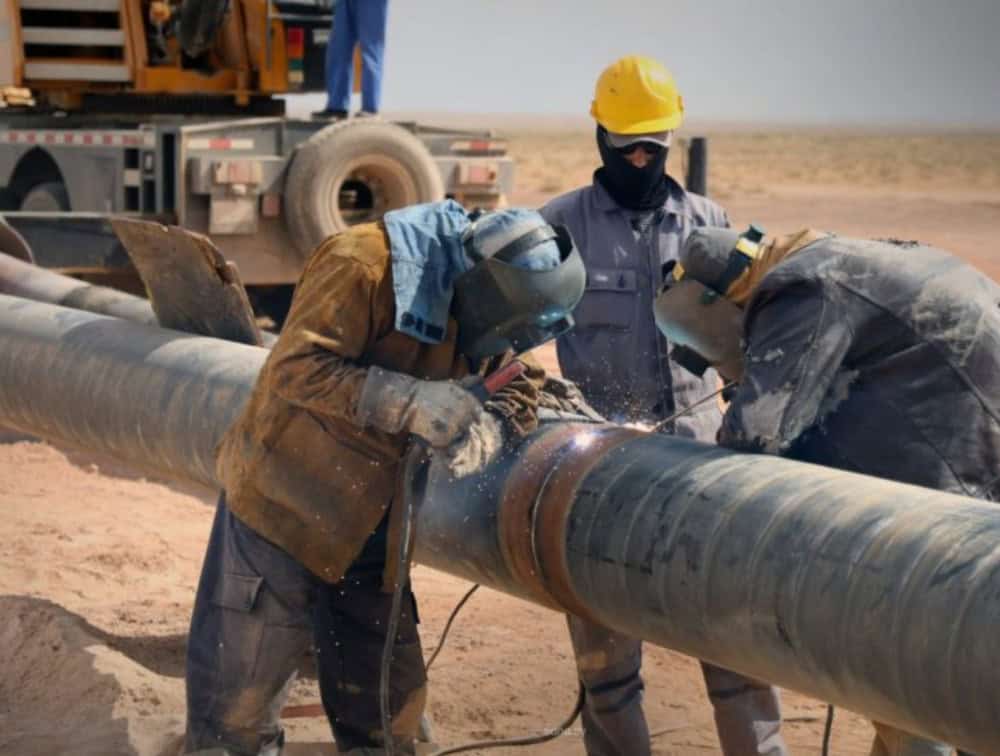
Syria faces infrastructure sabotage, Islamic State activity amid utility shortages
Syria has restored a sabotaged gas pipeline near Deir Ezzor and is repairing another line near Damascus as authorities confront threats to the country’s energy infrastructure. The repairs come amid wider challenges, including Islamic State activity and electricity, water, and fuel shortages, even as Syria expands energy trade with Iraq and works to restore regional…
-
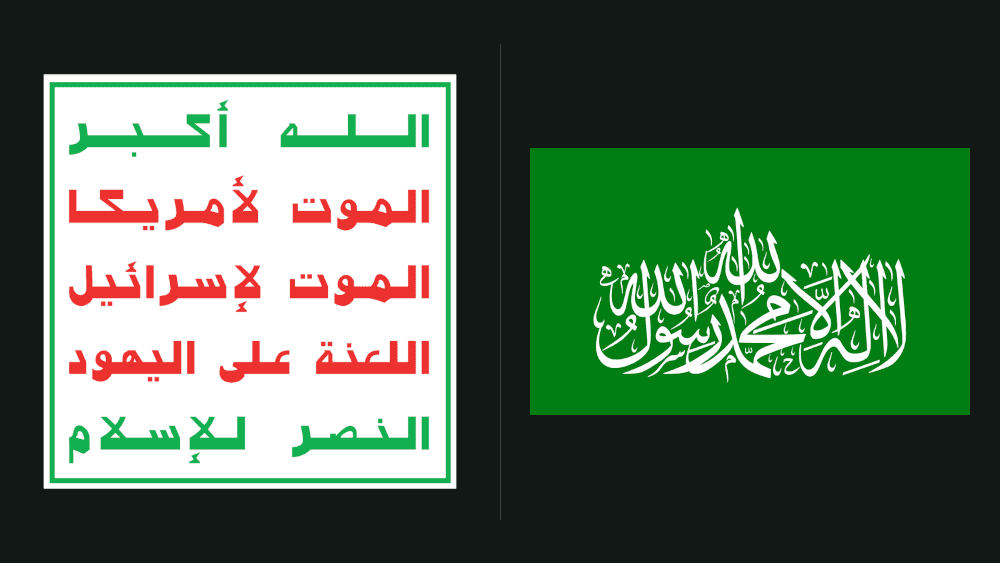
US charges engineer with supporting Houthis, Louisiana brothers and Florida man with financing Hamas
In September, federal prosecutors brought three cases involving alleged support for Middle East terrorist groups: one against a DOE engineer accused of assisting the Houthis and two others accusing Louisiana brothers and a Florida beauty-store owner of financing Hamas.
-
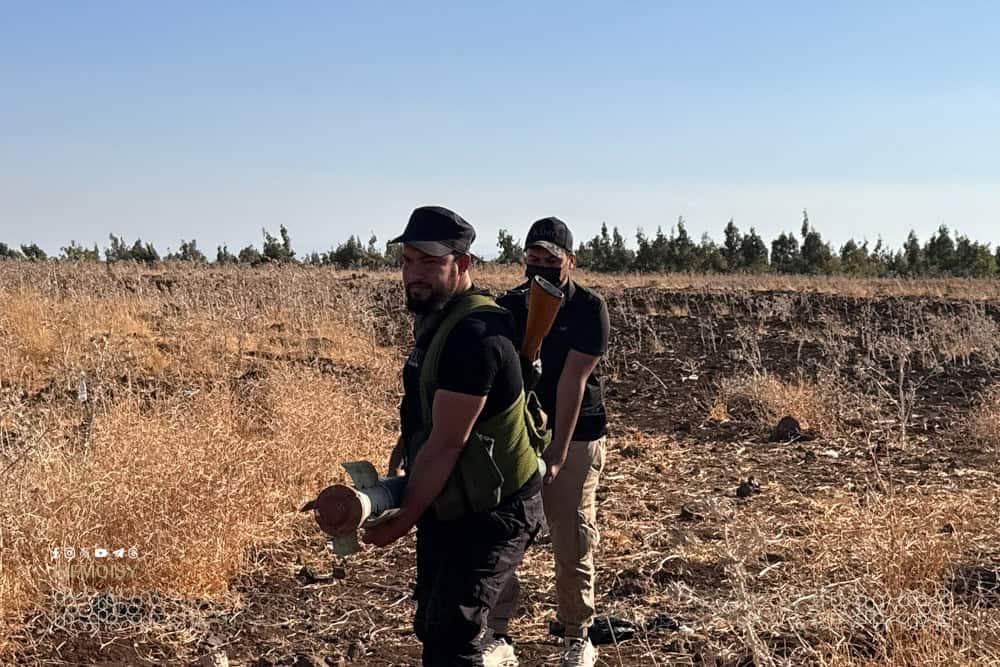
Syria says it thwarted Hezbollah plot; Israel likely target
On September 29, Syria’s Internal Security Forces (ISF) announced that the agency, in coordination with the General Intelligence Directorate, had “thwarted a sabotage plot in the Yarmouk Basin in Daraa” and arrested a three-member cell affiliated with Hezbollah.
-
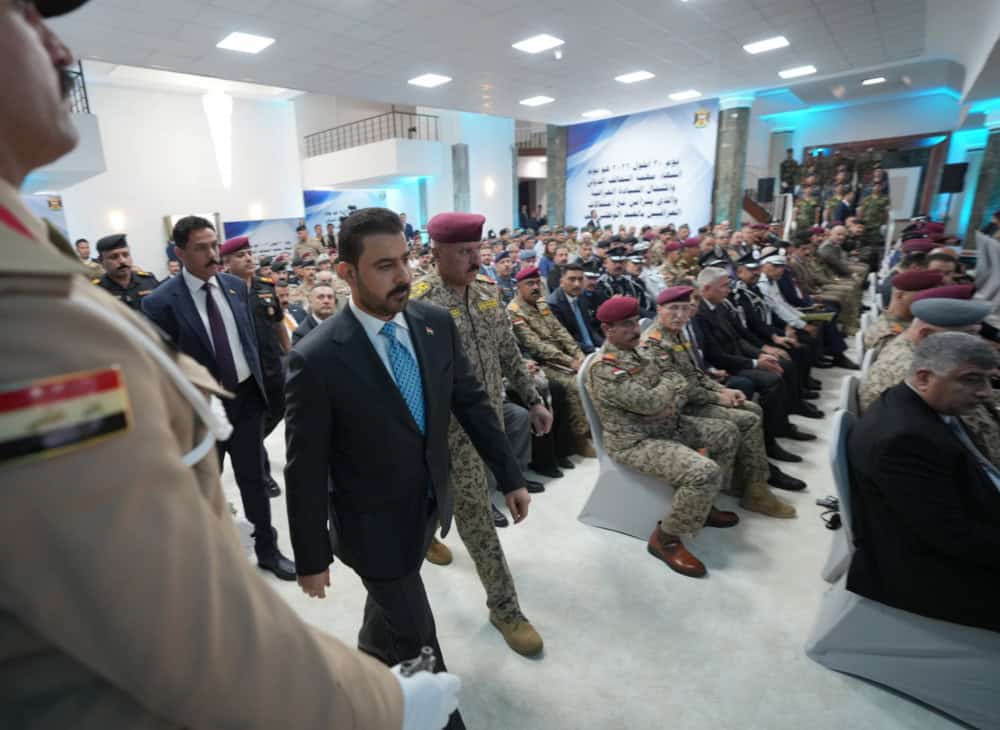
US forces complete departure from Iraq as anti-Islamic State mission in Iraq ends
US and other anti-Islamic State coalition forces completed their withdrawal from Iraq on September 30, ending Operation Inherent Resolve as Baghdad marked what it called a restoration of Iraqi sovereignty. The departure comes amid concerns about Iran-backed militias, air-defense gaps in the Kurdistan Region, and the future of US-Iraq security cooperation.
-
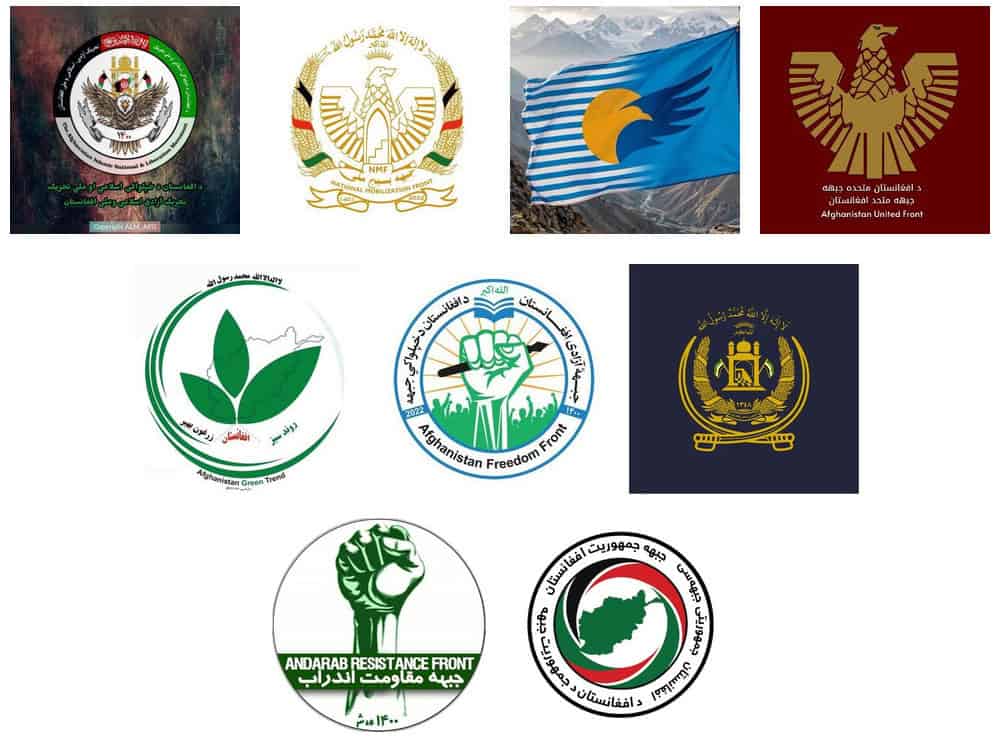
Anti-Taliban resistance claims attacks across Afghanistan in September
Anti-Taliban resistance groups claimed to have conducted 37 targeted operations across Afghanistan in September, including assassinations, assaults in Taliban strongholds in the south, and fighting over outposts in the northeast.
All Articles
-
Ratlines in Iraq vs the Ho Chi Minh Trail
This weekend, John Burns of the New York Times again makes the hackneyed “Iraq is Vietnam” analogy (see Shadow of Vietnam Falls Over Iraq River Raids for a prior example by Mr. Burns). Iraq veteran Chester from The Adventures of Chester takes Mr. Burns to task for his inaccurate comparison, and notes the main reasons why the Euphrates ratline is not comparable to the Ho Chi Minh Trail used by the North Vietnamese to supply the Viet Cong. He responds that: * The geography is wholly incomparable * The terrain in Iraq is much more favorable to air and ground…

-
Operation Thunder Rolling Along
Almost one week has passed since Operation Thunder (also referred to as Operation Lightning) was executed on the heels of New Market in Haditha and Matador on the Syrian Border. The purpose of Thunder is to secure Baghdad, then expand operations and the presence of Iraqi Security Forces into the Sunni Triangle. Evidence surfaces that Thunder is freeing up forces in other areas of Iraq to pursue the offensive, and perhaps expanding operations outside Baghdad. South of Baghdad in the Triangle of Death, a region delineated by the towns of Yusufiyah, Latifiyah and Mahmudiyah, Coalition and Iraqi forces conduct a…
-
Zarqawi Rumorline: Dead?
Is Abu Musab al-Zarqawi dead? Adnkronos International, who was first in reporting Zarqawi was injured on May 11, reports Zarqawi died today and his body has been placed in a cemetery in Fallujah. bq. Jordanian militant Abu Musab al-Zarqawi – al Qaeda’s leader in Iraq – died on Friday and his body is in Fallujah’s cemetary, an Iraqi Sunni sheikh, Ammar Abdel Rahim Nasir, has told the Saudi on-line newspaper Al-Medina. He claims that gunfights which broke out in Fallujah in the last few days involved militants trying to protect the insurgency leader’s tomb from a group of American soldiers…
-
THIS is a Gulag
Irene Khan, Secretary General of Amnesty International has characterized the detention facility at Guantanamo Bay as “the gulag of our times” , demonstrating her utter lack of perspective or knowledge of history. Anne Applebaum, the author of GULAG: a History, neatly places the Soviet Gulag into the proper historical context (excerpted from a PBS interview and cleaned it up for readability): It belongs in the context most obviously of the Holocaust, which… killed six million Jews plus many millions of other people plus the enormous destruction of the Second World War. It belongs in the context of the Chinese and…
-
al Qaeda in Iraq: Next in Line
al Qaeda in Iraq: Next in Line The Times Online reports Zarqawi was seriously wounded as he fled the battlefield during Operation Matador. According to an ‘insurgent commander’; “Shrapnel went in between the right shoulder and his chest, ripped it open and is still stuck in there.” He is believed to have been taken to a “non-Arab country”, which would be Iran. The Kuwati News Agency (KUNA) is reporting that Zarqawi has been spotted in a town north of Baghdad and is surrounded: A force of Iraqi commandoes, supported by US forces, have surrounded the village of Abu Shallal, north…
-
Zarqawi Successors
Conflicting reports of the status of al Qaeda commander in Iraq Abu Musab al-Zarqawi abound. Egyptian blogger Hammorabi reports Zarqawi is dead and his family in Jordan is preparing his funeral (note: Hammorabi has been accurate in the past, he led on the news of Zarqawi being wounded). Al Qaeda in Iraq claims all is well, and Zarqawi is fine, just fine, thank you. Recently we’ve looked at the potential for internecine warfare between the various al Qaeda factions in Iraq as well as a few of the potential successors to Zarqawi’s throne. Questions remain about the impact Zarqawi’s loss…
-
The Dogs of War
While the media continues to press for American self-flagellation over supposed flushing of Qur’ans in Gitmo (which by the way has no basis in fact), our enemies in Iraq continue to act in the most depraved manner. We already know insurgent snipers intentionally target doctors and journalists. Their training materials explicitly state this. Their selection of suicide bombers is disgusting as well. Not satisfied with blackmailing innocents to execute suicide attacks or using young adults with Down’s syndrome as unsuspecting walking bombs [a crime so foul there is no Hell with an appropriate punishment], al Qaeda has ventured to the…
-
The Struggle for Zarqawi’s Throne
The Iraqi government seems to be reasonably convinced Zarqawi has been seriously wounded. If this is indeed the case, how will al Qaeda in Iraq handle the transition from Zarqawi to his successor? As Dan Darling astutely pointed out last night, it might get messy as various factions, from the foreign al Qaeda elements to the Baathist converts who have sworn fealty to Zarqawi, battle over control over the network. Dan postulates the main players in line for the crown are: Abdul Hadi al-Iraqi (a senior al Qaeda leader who is reportedly Zarqawi’s liaison to bin Laden), Izzat Ibrahim…
-
Zarqawi: “Chest Pains” and More Middlemen
Rumors on the status of Abu Musab al-Zarqawi continue to swirl. Earlier this week it was believed he suffered a gut shot. The latest has Zarqawi fleeing the country with a serious chest wound: An Islamic Web site statement claimed Wednesday that Abu-Musab al-Zarqawi, al Qaeda’s point man in Iraq, has fled to a “neighboring country” (see Dan Darling’s thoughts on where that might be) with two Arab doctors treating him for gunshot wounds to his lung…. It said al-Zarqawi was in “stable condition now” after he incurred a “bullet wound which penetrated his right lung.” A Zarqawi lieutenant named…
-
Operation New Market Commences in Haditha
Operation New Market has commenced in the city of Haditha. The city is strategically located on the Euphrates River; it sits at the midpoint between Baghdad and Qaim on the Syrian border, as well as at the crossroads to a major highway to Mosul in the north. Wretchard’s prediction and explanation of The River War still holds true to this day. American Marines currently garrison the Haditha Dam, but do not maintain a presence in the city itself. Over 1,000 Marines are involved in New Market, and while the force size is similar to that of Operation Matador, initial reports…

-
Back to the Wild West of Anbar Province
In an article titled “Insurgents Flourish in Iraq’s Wild West” , the Los Angeles Times offers a bleak assessment of the availability of Coalition and Iraqi forces in the Anbar province. While the Marines involved in Operation Matador were able to easily sweep through Western Iraq and kill and capture al Qaeda members, they have not established a long term presence and may have left the area open to re-infiltration by al Qaeda. Yet as soon as the operation [Matador] concluded, the Marines crossed back over the Euphrates River and left no U.S. or Iraqi government presence in the region…
-
Wounded Z, Revisited
Rumors that al Qaeda’s Commander in Iraq Abu Musab al Zarqawi has been wounded prior to and during Operation Matador are beginning to resurface. When Zarqawi’s lap top was seized, it was believed he was taking painkillers while recovering “from a wound to his stomach.” A week ago Zarqawi was reported to have visited a hospital in Ramadi with a serious stomach wound. The doctor on the scene was interviewed by US intelligence and reportedly a DNA test was requested. Today an al Qaeda linked website has called for prays for Zarqawi (the purported speaker is Abu Maysarah al-Iraqi, the…
-
Iraq Updates
I’ve posted two updates over at Winds of Change.NET on Iraq: Wounded Z, Revisited discusses reports of on an al Qaeda website that Zarqawi needs your prayers. Infiltrating the Iraqi Insurgency follows up on Operation Squeeze Play and the possibility that the insurgency has been penetrated by Iraqi agents.
-
Infiltrating the Iraqi Insurgency
There are no significant follow up reports on the military operations south and west of Baghdad conducted over the past two days. Omar from Iraq The Model provides some detail from Al-Iraqia TV broadcasts. According to Omar, Operation Squeeze Play was executed primarily by Iraqi forces and was highly successful, with the number of insurgents arrested at 450 (note: this could not be verified via an alternative source). The real coup appears to be the penetration of the insurgency by Iraqi Security Forces by the Wolf’s Brigade of the Special Police Commandos. bq.. According to Al-Iraqia TV, the Wolf brigade’s…
-
Squeeze Play
Persistent military pressure is a vital part of defeating the Iraqi insurgency. A question that occasionally emerges after a significant combat operation in Iraq is: Are there enough combat forces available to sustain persistent operations against the insurgency? While there may not be enough American forces in Iraq to effectively execute each and every operation, the responsibility of combating the insurgency is increasingly shifting to the Iraqi Security Forces. As the Iraqi Security Forces have taken a great responsibility for local security efforts, Coalition and Iraqi forces gain greater flexibility to mount offensive efforts to disrupt terrorist and insurgent strongholds.…
-
Snipers and the Targeting of Journalists
How has the enemy developed its tactics in Iraq? DefenseTech points us to a PowerPoint presentation for insurgent sniper training (the HTML version is available for those without PowerPoint). The presentation has some tried and true tactics for all snipers: target officers, communications and heavily armed soldiers; do not engage overly superior forces; target high value civilians over military; and other such information. The presentation lists the duties of the sniper and then has a question and answer section on “who would you kill first?” Two items jump out in this slide show. In one of the “7 Duties of…
-
The State of the Insurgency
How is the insurgency faring as a political entity, and what are their chances at defeating the democratically elected government and driving the Americans from Iraqi soil? Last weekend the New York Times published an article by James Bennett titled “The Mystery of the Insurgency” which asserts the Iraqi insurgency has no real political base and is making a grave mistake by dispensing violence alone. The entire article can be summarized in the second paragraph: The insurgents in Iraq are showing little interest in winning hearts and minds among the majority of Iraqis, in building international legitimacy, or in articulating…
-
The Scattering
The fallout of Operation Matador rains down in Northwestern Iraq along Mosul – Tal Afar axis, another ratline that most be severed in order to defeat the foreign support for the insurgency. After completing operations in the area on May 10, further efforts are made to uproot terrorists and interdict fighters fleeing from Qaim. Joint American and Iraqi units made 18 arrests from May 12 -13 during cordon and search operations in Mosul and Tal Afar, and 21 more were arrested in Mosul on May 15. Today, heavy fighting has been reported in Mosul: U.S. troops and militants clashed in…

-
Fight Amongst Yourselves Redux
Further evidence surfaces of the conflicts between the local Iraqi tribes in Western Iraq and the foreign terrorists of al Qaeda. Knight Ridder reports the local Iraqi tribes of Albu Mahal and Albu Nimr, some of whom have been active in the insurgency, became disgusted at the methods of the jihadis and tried to fight back, but met stiff resistance from al Qaeda (hat tip Marlin): When foreign fighters poured into villages with jihad on their minds and weapons in their hands, some Iraqi tribesmen in western desert towns fought back. They set up checkpoints to filter out the foreigners.…
-
Middlemen
Undercutting the middle management of terrorist groups is an important tool in disrupting the leadership and operations of the organization. In Org Chart we looked at the effect Coalition operations have had on al Qaeda in Iraq’s leadership. While the senior-most leaders of al Qaeda in Iraq (Zarqawi, his deputy, media and military commanders, as well as his brigade commanders) have not been killed or captured, the organization’s middle management has been decimated, with well over 66% of Zarqawi’s lieutenants either killed or captured. This means less experienced operatives will take their place, weakening the effectiveness of the organization over…
